



Antique Lacquer Container
An antique lacquer container brings hand-painted scenes and deep historical craft to a room, offering both beauty and tactile utility.
Antique Lacquer Container
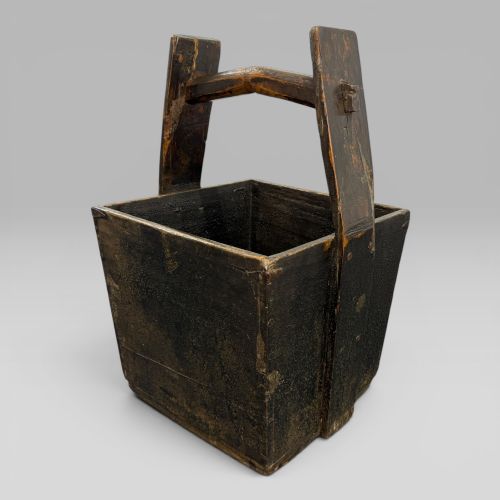
An antique lacquer container spans delicate small snuff boxes and tea caddies to substantial lidded vessels and harvest baskets. These objects originate from British, Chinese, Japanese and Indian workshops across the Georgian, Victorian and Edwardian periods.
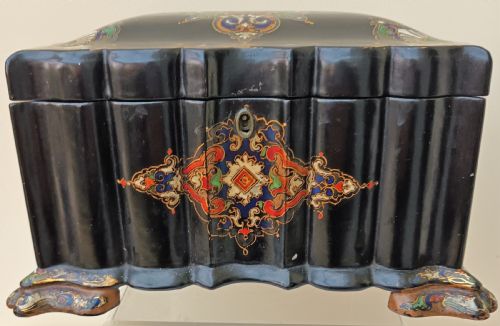
Buyers meet versatile forms including spectacle cases, card boxes, and graduated nesting sets designed for personal keepsakes and domestic storage. The pieces showcase styles ranging from Qing dynasty and Meiji period traditions to Regency Chinoiserie.
Whether formed from papier-mâché, wood or tin, each antique lacquer container reflects the prevailing aesthetic of its production origin. The selection draws together diverse regional techniques into functional decorative items.
Materials and construction
Maker construction relies on substrates such as papier-mâché, wood, tin and elm, which provide stable foundations for layered finishes. Artisans apply paint, gold leaf and mother-of-pearl inlay to create intricate surface ornamentation.
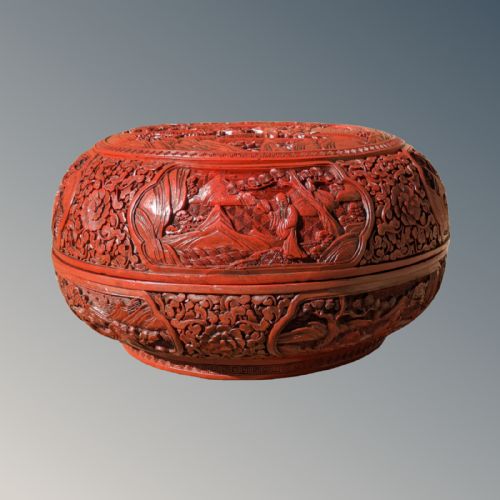
Cinnabar carving involves building dense layers of red lacquer before carving deep motifs directly into the medium. Metal fittings in brass secure boxes, tea caddies and spice containers for daily use.
Listings feature items from the 18th century, Regency, Victorian, and Edwardian periods utilising lacquer, wood, papier-mâché, tin, and brass.
Assessing quality and execution
Superior execution shows in the crispness of carved cinnabar relief and the precision of hand-painted Chinoiserie details. The depth and stability of the underlying lacquer layers distinguish finer pieces from simpler commercial wares.
Material choice and structural integrity dictate the grade of an object, with sound wooden or papier-mâché carcasses supporting smooth, uncracked surfaces. Well-preserved gilt highlights and secure brass hardware indicate higher workshop standards.
The Antique Lacquer Container Glossary
- Cinnabar lacquer
- A carved red material created by building up numerous layers of lacquer resin. This technique allows artisans to produce deep, sculptural relief patterns.
- Papier-mâché
- A composite material made from paper pulp or reinforced sheets mixed with binding agents. It provides a lightweight, smooth base for painting and japanning.
- Inro
- A traditional Japanese multi-tiered case suspended from a sash for carrying small items. These objects demonstrate exceptional miniaturised lacquer work.
- Toleware
- Painted or enamelled sheet metal items produced in domestic settings. Georgian and Regency examples often feature dark grounds with gilt decoration.
- Chinoiserie
- European artistic interpretation of Chinese and East Asian decorative styles. This aesthetic appears frequently on Regency tea caddies and boxes.
Antique Lacquer Container: Frequently Asked Questions
How were these containers used historically?
These vessels served practical domestic and personal roles, holding loose tea leaves, pinches of snuff, spices, or playing cards. Many functioned as secure repositories for jewellery and letters on dressing tables.
Larger items like rice carriers and harvest baskets handled daily transport of goods. Personal accessories such as spectacle cases and snuff boxes travelled with the owner throughout the day.
How do I clean an antique lacquer container?
Dust surfaces gently with a soft, dry cloth to remove particle accumulation without disturbing fragile finishes. Avoid chemical polishes, moisture, and alcohol-based cleaners which damage historic resin layers.
Keep pieces away from direct sunlight and strong temperature fluctuations to prevent the surface from cracking. Gentle care preserves the underlying paint and gilt work.
What is the difference between Chinese and Japanese pieces?
Chinese examples often feature deeply carved cinnabar lacquer or rich hand-painted figurative scenes on wood. Qing dynasty works frequently display bold relief carving and symbolic motifs.
Japanese items, including Meiji period inro and spectacle cases, tend to focus on intricate miniaturised detail and subtle metallic dust finishes known as maki-e. Both traditions utilise distinct regional techniques and material preparation.
How do I identify a papier-mâché piece?
Papier-mâché objects feel surprisingly light yet rigid, formed from compressed paper layers treated with oil and varnish. They typically present a smooth, dark surface suited for intricate hand painting and mother-of-pearl inlay.
Victorian and Georgian makers utilised this material extensively for tea caddies, trays, and pocket snuff boxes. The base material provides a stable, flat plane for detailed decorative schemes.