





Gold Framed Royal Portrait
A gold framed royal portrait brings centuries of sovereign presence into a room, spanning monarchs from the Stuarts to the Windsors.
Gold Framed Royal Portrait
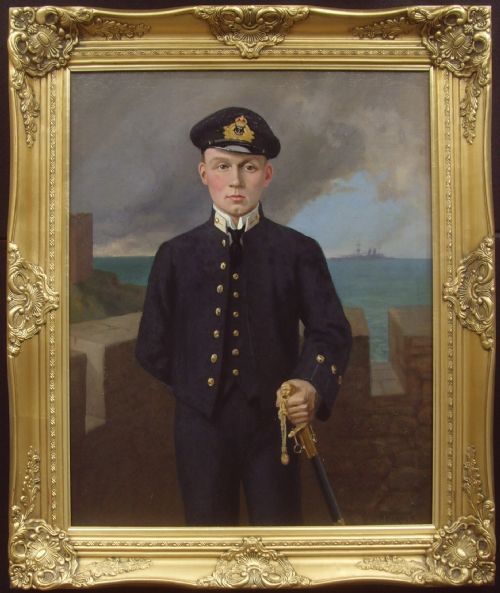
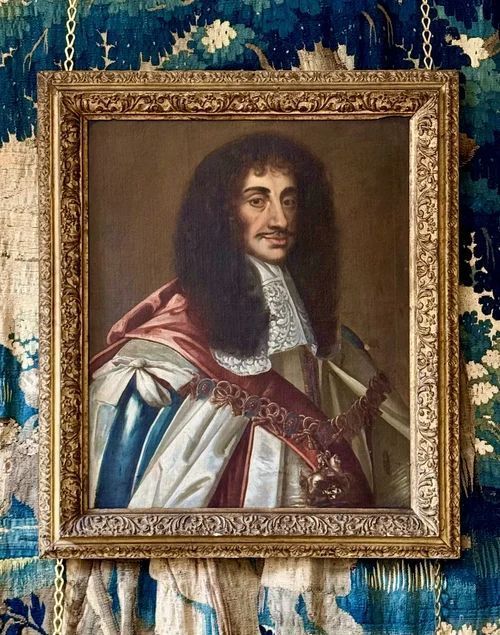
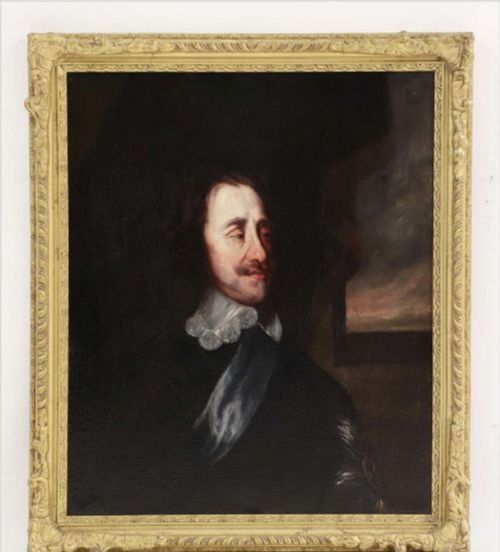
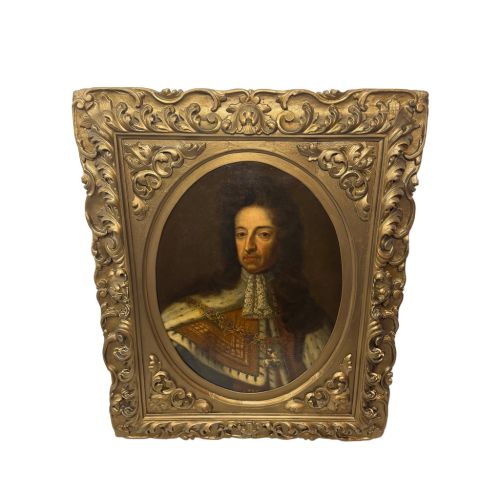
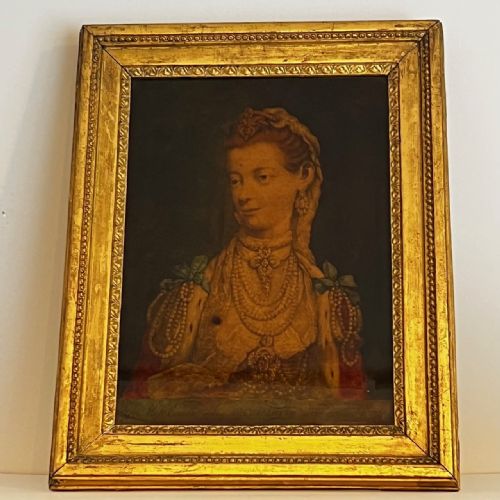
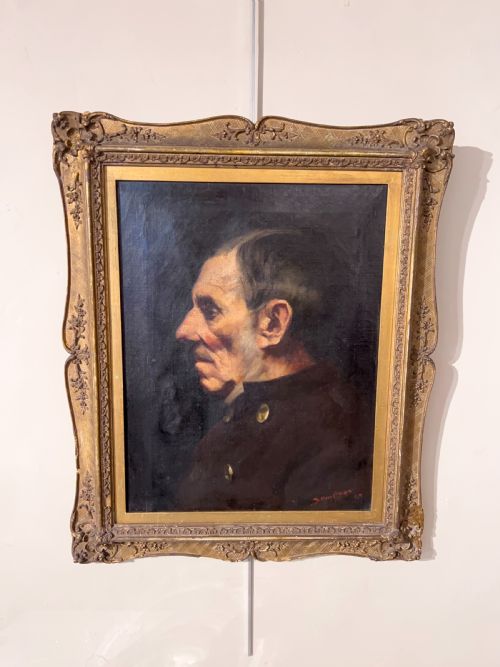
A gold framed royal portrait encompasses oil paintings, enamel works, reverse glass prints, porcelain plaques, and portrait miniatures depicting kings, queens, and historical figures. Buyers seek these pieces to display likenesses of monarchs such as King Charles I, King Charles II, King George III, and Queen Victoria.
Examples on this page range from large-scale oil canvases to delicate miniatures and ceramic plaques. The common thread is the regal subject matter matched with period framing or presentation.
Materials and construction
Makers utilised oil paint on canvas or board, enamel on metal, and water-based pigments on paper or ivory for miniatures. Reverse glass prints and KPM porcelain plaques represent alternative media employed to capture detailed royal likenesses.
Several monarchs gaze out past velvet drapes while horses and pet spaniels occasionally steal the scene.
Assessing the pieces
The condition of the pigment and the integrity of the original giltwood frame influence the overall standing of an artwork. Contemporary or period framing that complements the age of the portrait adds cohesion to the piece.
Sir Anthony van Dyck·Sir Peter Lely·Henry Bone ARA·Henry Pierce Bone·Bertram Priestman RA·Frederick Goodall RA·WF Mitchell·Alexander Melville·Geoffrey Mortimer·Susie Lassam RMS RA
The Gold Framed Royal Portrait Glossary
- Giltwood
- Wood carved and coated with a thin layer of gold leaf. This material provides the bright or burnished border typical of traditional picture frames.
- Portrait Miniature
- A small, highly detailed painting executed on ivory, vellum, or card. These works were often intended for intimate display or personal wear.
- Reverse Glass Print
- An image transferred or painted on the underside of a glass sheet. This technique produces a smooth, reflective surface that protects the pigments.
- Enamel Portrait
- A painting created using powdered glass melted onto a metal surface through kiln firing. The process yields durable colours with a glossy finish.
- Porcelain Plaque
- A flat ceramic panel fired with painted ceramic colours. Makers utilised these plates to render smooth, permanent fine art portraits.
Gold Framed Royal Portrait: Frequently Asked Questions
How do I date a portrait?
Dating relies on costume, hair styling, and the specific insignia worn by the subject, such as the Order of the Garter. Comparing the technique to known period examples helps narrow the decade.
Frame construction and canvas preparation also offer clues, though frames are sometimes replaced later in a piece's history.
What is a reverse glass print?
A reverse glass print is an image applied directly to the back of a glass panel. Viewers look through the glass to see the finished picture.
This technique protects the pigments from dust and fading while producing a distinctive glossy sheen.
Where should I hang these?
These portraits suit studies, libraries, and drawing rooms where traditional decor complements the historical subject matter. Pair them with period furniture for a cohesive interior scheme.
Keep them away from direct sunlight to protect oil paint and paper elements from fading.
Are all frames original?
Frames are frequently replaced or restored over centuries of ownership. Many period portraits are paired with giltwood frames dating from a similar era rather than the exact year of creation.
Matching style and patina remain more common than finding works with untouched original mountings.