



Historical Royal Wall Art
Historical royal wall art brings centuries of sovereign figures and naval commanders into your rooms through oil paintings, mezzotints, and framed prints.
Historical Royal Wall Art
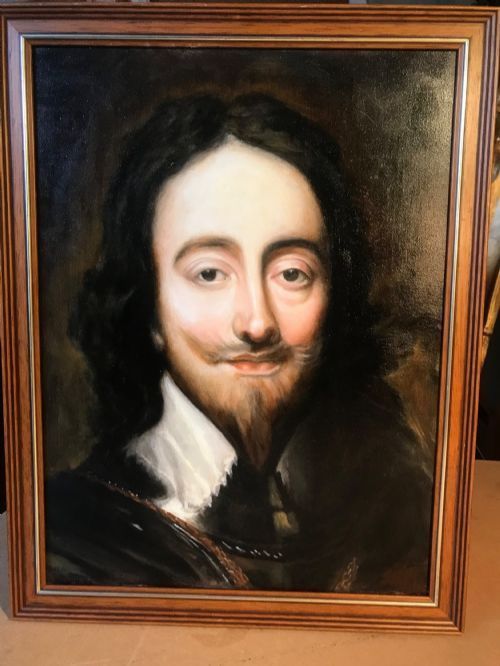
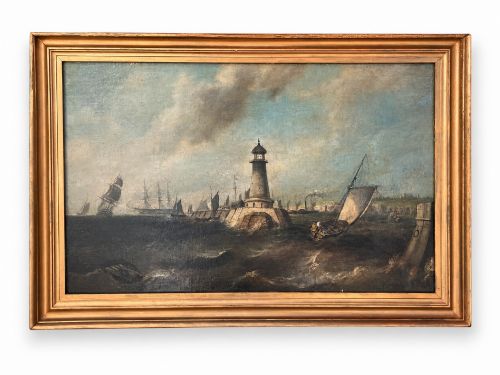
Historical royal wall art encompasses portraits of monarchs, princes, and naval officers alongside depictions of fleet reviews and marine scenes. You will find that oil paintings and mezzotints dominate the selections here, representing figures from Tudor times through the Victorian era.
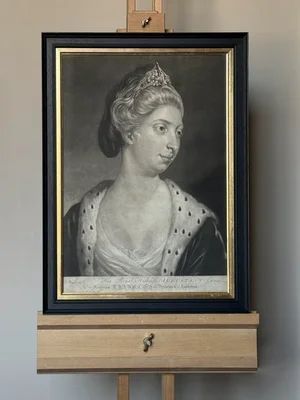
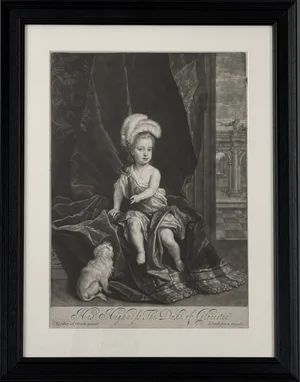
The pieces range from seventeenth-century mezzotint portraits of dukes and princesses to nineteenth-century lithographs of queens and historical engravings. Works span multiple centuries, capturing royalty, dignitaries, and military commanders in framed formats suited for display.
Materials and methods
Artists and makers utilised oil paint on canvas and wood boards, applying pigments to build up detailed likenesses of monarchs and nobility. Engravers and printmakers created mezzotints and lithographs on paper, often working after paintings by prominent artists.
Framing forms an integral part of these pieces, employing gilded wood and glass to protect and present the artwork or reverse glass prints. Materials range from simple paper prints to complex oil paintings enhanced with gold leaf accents.
Ensure you check for hidden naval officers lurking behind the monarchs.
Evaluating quality
Quality rests upon the skill of the artist or printmaker in capturing the likeness and presence of the sitter, alongside the condition of the canvas, paper, or glass. Works produced by recognised hands or contemporary followers command attention for their draftsmanship and depth.
The preservation of the original medium, whether oil paint, mezzotint ink, or reverse glass painting, determines the visual impact of the piece. Subtlety in handling details like regalia, clothing textures, and framing marks the difference between standard and superior examples.
John Smith·Thomas Murray·Anthony Van Dyck·Sir Godfrey Kneller·John A. Houston·Bertram Priestman·Samuel Lane·William Wissing
The Historical Royal Wall Art Glossary
- Mezzotint
- A printmaking process where the copper plate is roughened to achieve rich tones and subtle gradations of light and dark. This technique allowed printmakers to replicate oil portraits with remarkable fidelity.
- Reverse glass print
- An image applied directly to the underside of a glass panel, creating a glossy finish that protects the pigments underneath. This method requires precise work because the artist paints the foreground details first.
- Lithograph
- A planographic printing method using a flat stone or metal plate on which the image area attracts ink. It became widely utilised for reproducing portraits and historical scenes in the nineteenth century.
- Gilded wood
- Timber frames or decorative elements coated with a thin layer of gold leaf. Such frames frequently accompany oil paintings and add a traditional decorative boundary to the artwork.
- Order of the Garter
- An ancient order of chivalry in England, frequently denoted in royal portraits by specific badges, garters, or sashes. Identifying this insignia helps date and contextualise the sitter.
Historical Royal Wall Art: Frequently Asked Questions
What periods do these portraits cover?
The pieces span from the sixteenth and seventeenth centuries through the Georgian and Victorian eras, up to mid-twentieth-century works. You will encounter depictions from Tudor times onwards.
Earlier items include seventeenth-century mezzotints and oil paintings, while later works feature nineteenth-century lithographs and twentieth-century interpretations.
How are these royal artworks framed?
Many pieces are housed in traditional gilt frames that complement the historical nature of the portraits and engravings. These frames often feature wooden construction with gold leaf finishes.
Some prints and reverse glass items utilise period glazing and borders to protect the delicate paper or glass surfaces from environmental damage.
Who are the typical subjects shown?
Subjects include British monarchs such as King Charles I, King Charles II, Henry VIII, and Queen Victoria. You also find princes, princesses, and high-ranking naval officers.
Military figures, marine commanders, and dignitaries appear alongside depictions of royal reviews and historic naval fleets.
What printing techniques are used?
Makers utilised mezzotints, lithographs, engravings, and reverse glass printing alongside original oil paintings and watercolours. Mezzotints and engravings were frequently produced after famous paintings.
Lithographs became common in the nineteenth century for mass-producing royal portraits and commemorative prints for the public.