

Gold Framed Oil Art
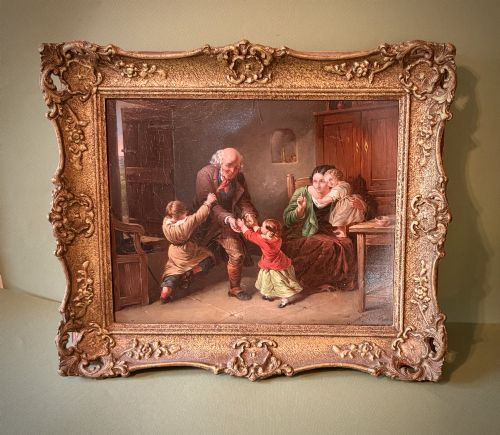
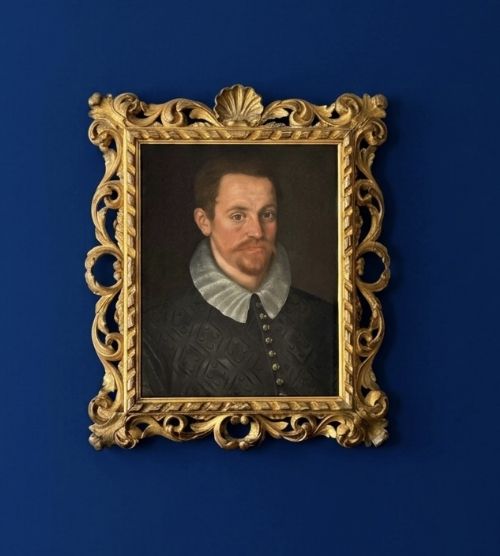
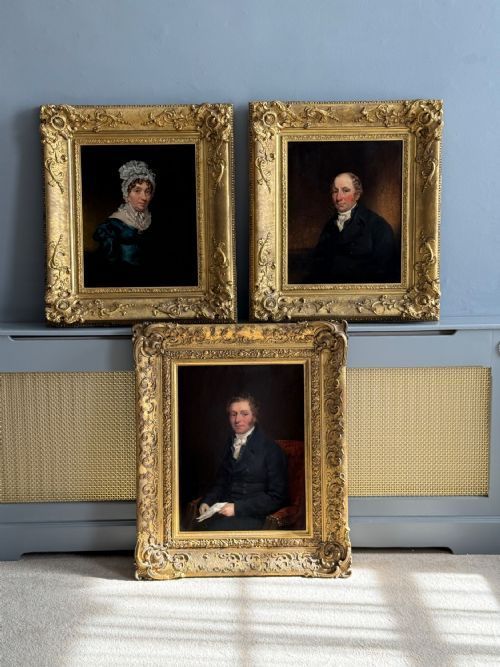
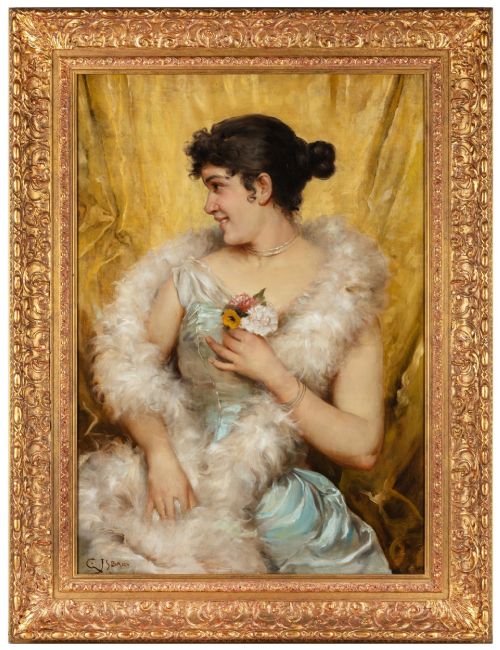
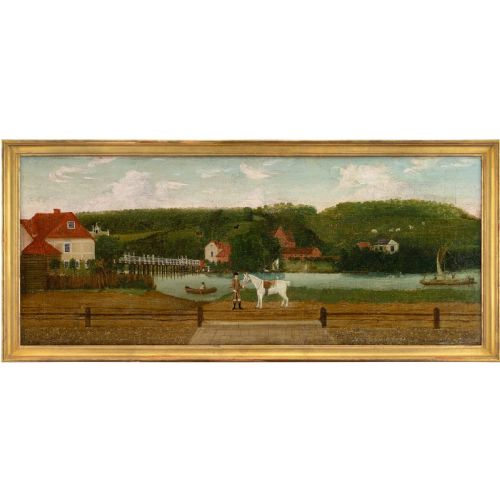
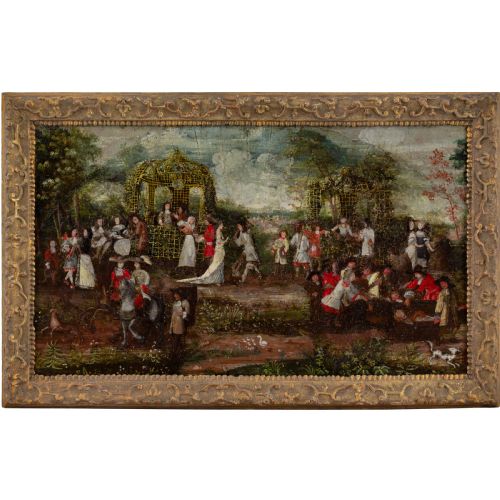
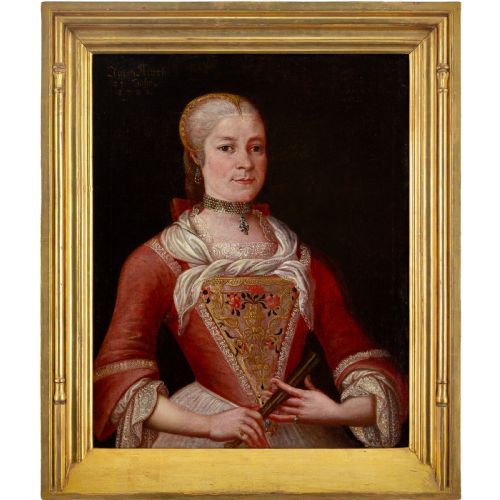
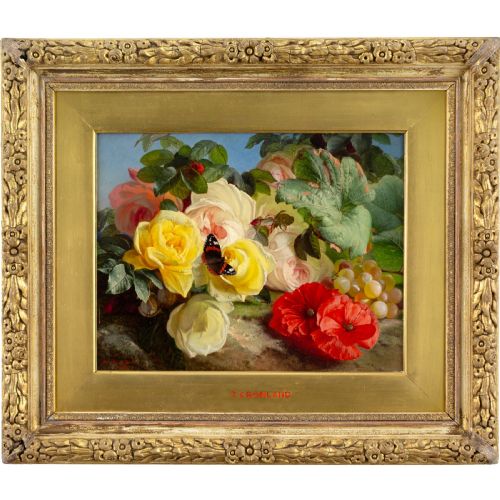
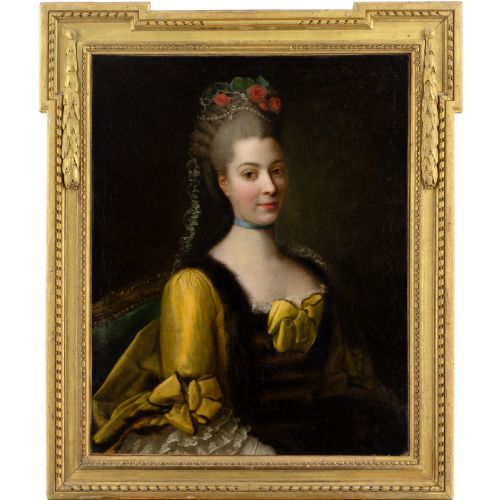
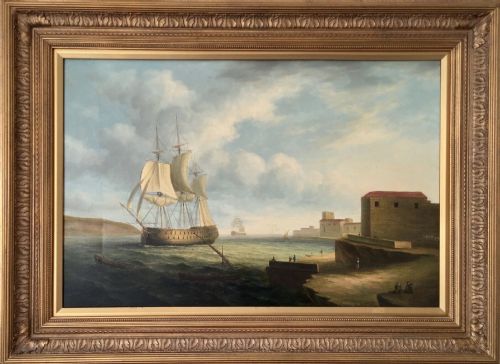
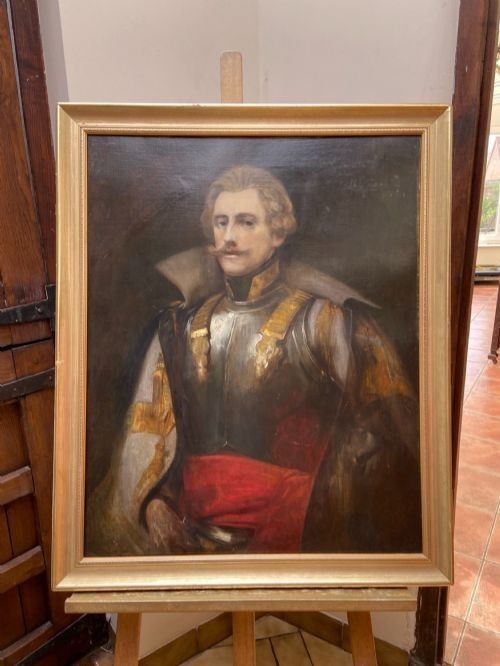
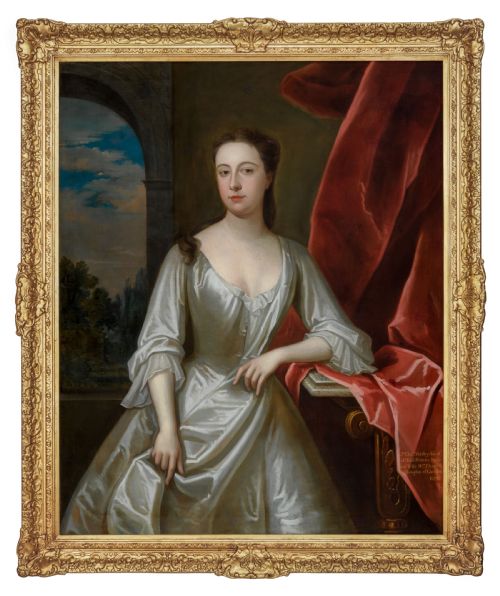
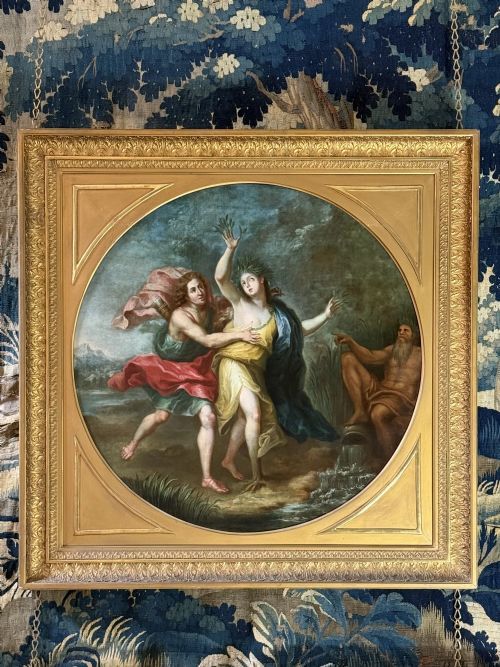
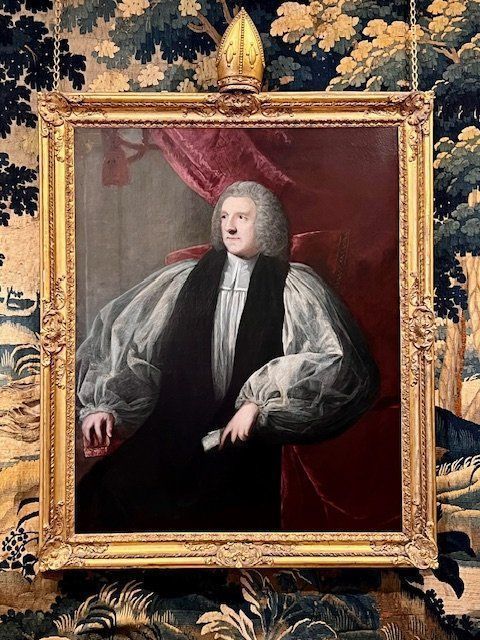
When you search for gold framed oil art, you discover centuries of painted portraits, landscapes and still lifes enclosed in giltwood and gilded wood.
Gold Framed Oil Art
Gold framed oil art comprises painted works executed in oil on canvas, panel or board, paired with decorative surrounds shaped from wood and finished in gold leaf or gilt. Buyers encounter pieces stretching from the seventeenth century through the Victorian era to the mid-twentieth century.
The subjects span formal portraiture, marine scenes, pastoral landscapes, botanical studies and historical compositions. Many works reflect European schools, including English, French, Flemish and Bavarian traditions.
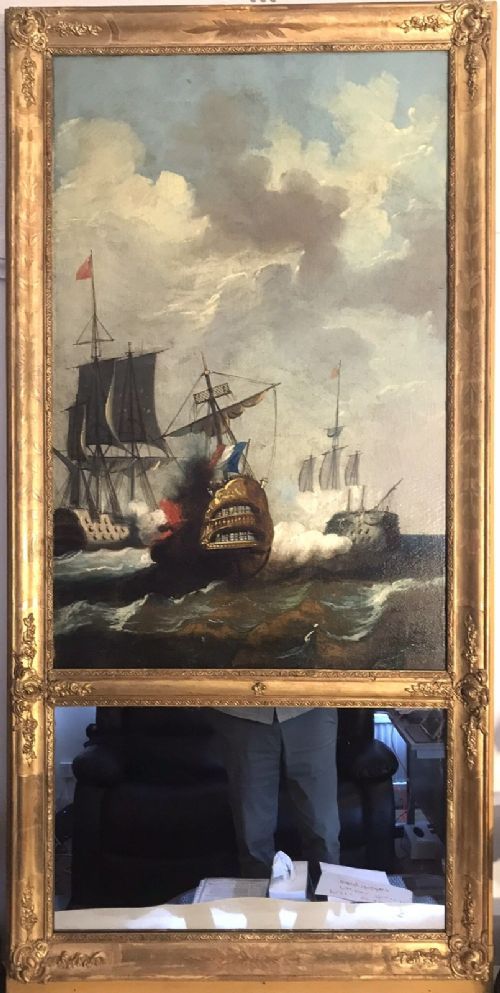
Surrounds take the form of heavy period frames or architectural elements such as trumeau mirrors incorporating integrated canvases. These objects function as historical windows into past portraiture and domestic scenery.
How they were made
Painters applied oil pigments to woven canvas stretched over wooden frames, or directly onto rigid panels and boards. Artists built up depth using layered glazes, visible brushwork and detailed colour mixing.
Makers constructed the enclosing structures from solid wood, carving decorative motifs or applying moulded composition ornaments before gilding the surface. Artisans laid fine sheets of gold leaf over a prepared ground or applied gold paint to achieve a reflective metallic finish.
Listings feature oil paintings spanning the seventeenth, eighteenth, nineteenth and twentieth centuries, executed on canvas, panel and board.
What varies in quality
The standard of execution in the painted surface sets the primary division between pieces, distinguishing confident, expressive brushwork and precise anatomical or botanical detail from stiffer, more formulaic studio output. Skilled handling of light, shadow and perspective elevates a composition.
The integrity and craftsmanship of the enclosing surround influence the overall standard. Hand-carved wooden mouldings and original gilding carry greater artistic weight than later replacements or crude repairs to the metallic leaf.
Joseph Clover RA·Theude Grönland·Sir Joshua Reynolds·William Oliver·Eugène Verboeckhoven·Sir Peter Lely
The Gold Framed Oil Art Glossary
- Oil on Canvas
- A traditional medium where ground pigments mixed with drying oils are applied to stretched woven fabric. This combination allowed artists to create rich textures and subtle tonal gradations.
- Giltwood
- Timber that has been decorated with a thin layer of gold leaf or powder. It provides a bright, durable metallic surface for decorative frames.
- Panel
- A rigid flat support made of wood used by painters before canvas became dominant. Wooden panels offer a smooth, stable surface for detailed brushwork.
- Trumeau Mirror
- An antique wall mirror featuring an integrated painted panel set into the upper section. These decorative pieces originated in eighteenth-century interior design.
- Gouache
- An opaque water-based medium sometimes used alongside or beneath mixed media works. It offers flat, matte colour fields with high opacity.
Gold Framed Oil Art: Frequently Asked Questions
How do I clean a giltwood frame?
Dust the surface gently with a soft, dry brush to remove accumulated particles without disturbing the metallic leaf. Avoid using water, liquid cleaners or harsh cloths which can strip the delicate gold layer.
Inspect the corners and carved details regularly for loose fragments. Professional conservation is recommended if the wooden structure or gilding shows active flaking.
Where should I hang these oil paintings?
Select an interior wall away from direct sunlight and strong heat sources such as radiators. Stable room temperatures protect both the canvas and the wooden support from warping or cracking.
Ensure the wall fixings are robust enough to support the combined weight of the heavy wooden structure and canvas. Positioning the work at eye level allows optimal viewing of the painted details.
How can I tell the period of a frame?
Examine the construction methods visible on the reverse of the wooden structure, noting hand-cut joints or machine-made fixings. The depth of the carving and the composition of the gesso base beneath the metallic leaf also indicate the era of manufacture.
Compare the decorative motifs against documented historical styles such as Baroque, Regency or Victorian ornamentation. Original frames often show consistent age-related wear matching the era of the canvas.
What is a trumeau mirror?
A trumeau mirror is a wall-hanging architectural feature that combines a vertical glass plate with a decorative painted panel above it. The upper artwork typically depicts a landscape, nautical scene or pastoral motif enclosed within the woodwork.
These pieces were designed to be mounted flush against drawing room walls between windows. They served both a functional reflective purpose and a decorative artistic role in period interiors.