


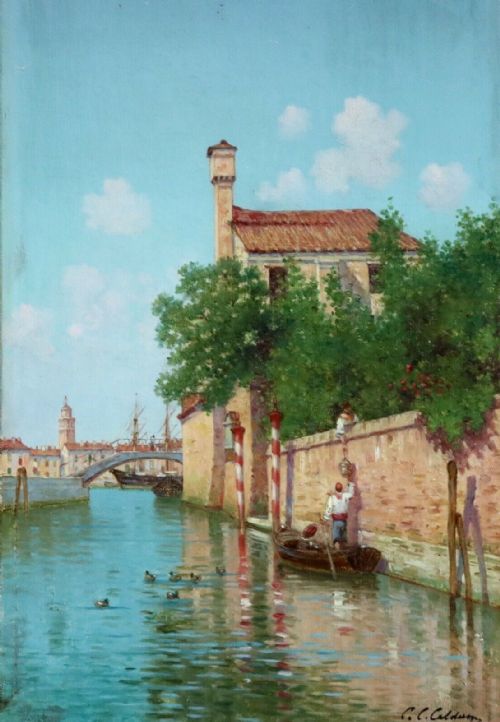
Venetian Gondola Oil Painting
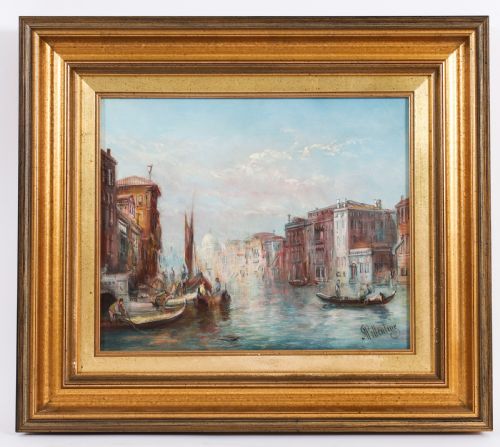
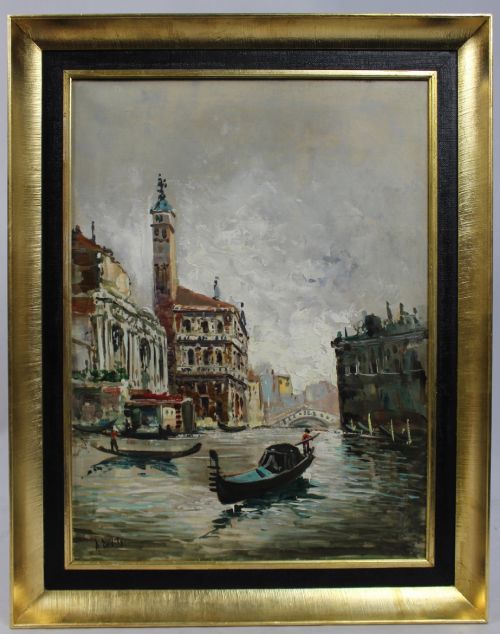
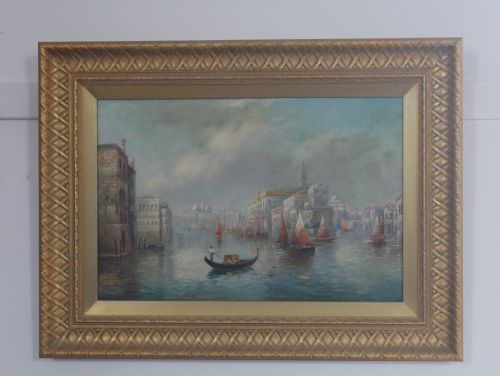
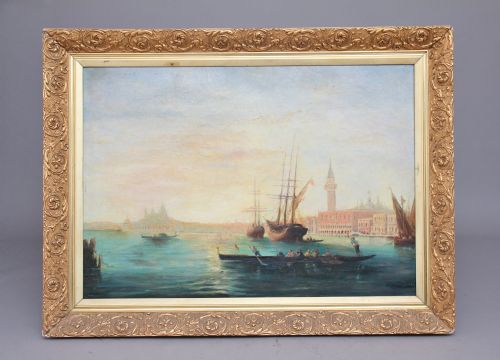
A venetian gondola oil painting brings the light and water of the lagoon straight into a room through oil on canvas, wood, and giltwood frames.
Venetian Gondola Oil Painting
When searching for a venetian gondola oil painting, collectors encounter oil paintings on canvas and wood depicting canals, lagoons, and the iconic boats of Venice. These works span the Victorian era, the nineteenth century, and mid-century impressionism, capturing cityscapes of the Grand Canal and the Ducal Palace.
The pieces most frequently met on this page range from nineteenth-century romanticism and fine art to Italian impressionism and French post-impressionism. Artists rendered these lagoon scenes upon canvas using oil paint, frequently housing them within gilt wood frames that complement the luminous water and architecture.
How they were made
Makers applied oil paint directly onto stretched canvas or wooden supports, building up texture and depth to capture the shifting light upon the Venetian water. Artists utilised layered brushwork characteristic of nineteenth-century romanticism and later impressionist movements to render the reflections of gondolas and historic palazzos.
Many of these works are finished with gilded wood frames, utilising gilt and giltwood to enhance the visual warmth of the canvas within. The combination of oil on canvas and carved wooden framing defines the physical construction of these traditional townscapes.
Gondoliers continue to ply the same waters under the Bridge of Sighs just as nineteenth-century artists painted them over a century ago.
What varies in quality
The standard of a canvas rests upon the precision of the brushwork and the artist's command of light across the lagoon, separating masterly impressionism from routine topographical production. Works by named painters exhibit a confident handling of architectural detail and water reflections that lesser hands miss.
Alfred Pollentine·Antonio DeVity·F.D. Campo·Marc Aldine·Jane Vivian·Charles Clement Calderon
The Venetian Gondola Oil Painting Glossary
- Oil on Canvas
- Pigment mixed with drying oil applied to a woven fabric stretched across a wooden frame. This medium allowed artists to achieve rich colour saturation and textured brushstrokes.
- Giltwood
- Wood carved and coated with gold leaf or a gold-coloured metallic finish. It frames nineteenth-century fine art to catch ambient light and complement the palette.
- Impressionism
- A nineteenth-century art movement characterised by relatively small, thin, yet visible brush strokes and an emphasis on accurate depiction of light. Artists applied this style extensively to Venetian lagoon scenes.
- Grand Canal
- The main water-traffic channel in Venice, flanked by major Renaissance and Gothic palazzos. It served as a primary subject for painters recording the city's topography.
- Victorian
- The period of British history coinciding with the reign of Queen Victoria, frequently used to date nineteenth-century European paintings imported or created during that era.
Venetian Gondola Oil Painting: Frequently Asked Questions
How do I date a Venetian oil painting?
Dating relies upon stylistic markers such as nineteenth-century romanticism versus mid-century impressionism, alongside the material composition of the canvas and stretcher frame. Signatures, inscriptions on the reverse, and historical framing styles also provide clear chronological indicators.
Examining the canvas preparation and the type of wooden support helps narrow the period of creation. Comparative works by known painters active in the Venetian scene offer further clues for precise dating.
Where should I hang these paintings?
These townscapes suit drawing rooms, studies, and hallways where ambient lighting can illuminate the oil pigments and giltwood frames. Placing them away from direct sunlight protects the canvas and the integrity of the oil paint.
Pairing a Venetian canal scene with traditional interior decor allows the gilt elements to catch natural light. Ensuring adequate wall space lets the framed canvas serve as a focal point within the room.
How do I care for an oil on canvas?
Maintenance involves keeping the canvas in a stable environment with moderate humidity and temperature to prevent cracking of the oil paint. Dusting should be done gently with a soft, dry brush without applying pressure to the stretched fabric.
Avoid using liquid cleaners or commercial sprays on the painted surface or the giltwood frame. Professional conservation is recommended for any structural repairs or cleaning of accumulated grime.
What subjects appear in these works?
Common subjects include gondoliers navigating the Grand Canal, views of the Ducal Palace, and quiet stretches of the Venetian lagoon. Artists captured both grand architectural landmarks and atmospheric daily life on the water.
Scenes range from bustling cityscapes near historic bridges to tranquil depictions of distant islands. Each subject reflects the enduring appeal of Venetian topography to European artists.