

Gold Framed Horse Painting
A gold framed horse painting brings the rich tradition of British equestrian art directly onto the wall.
Gold Framed Horse Painting
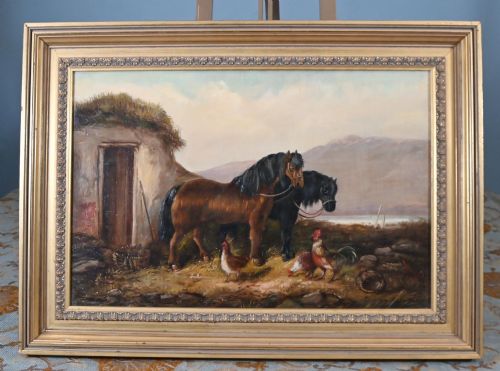
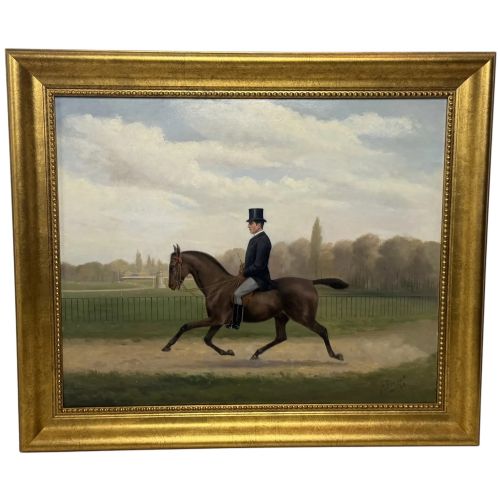
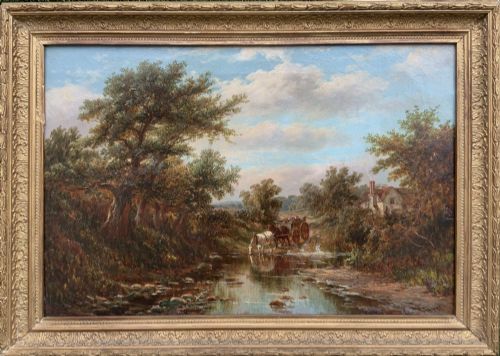
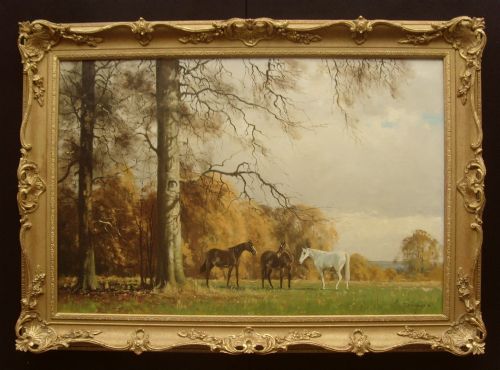
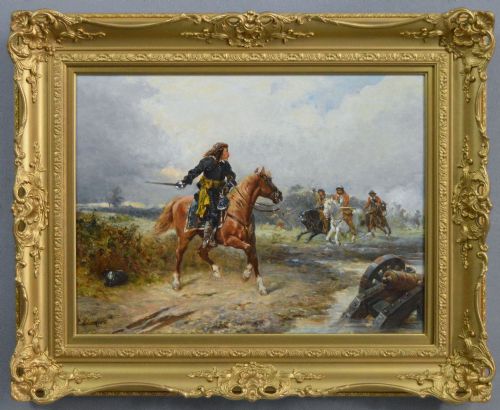
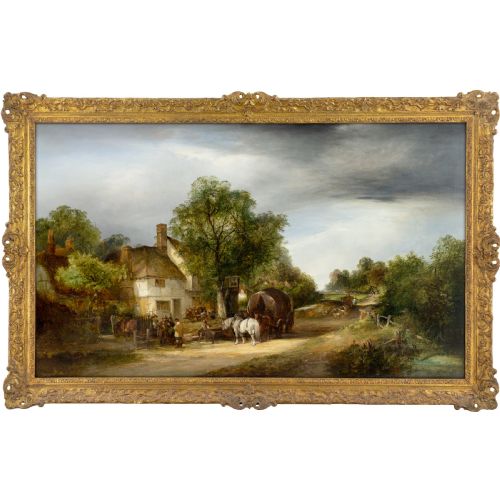
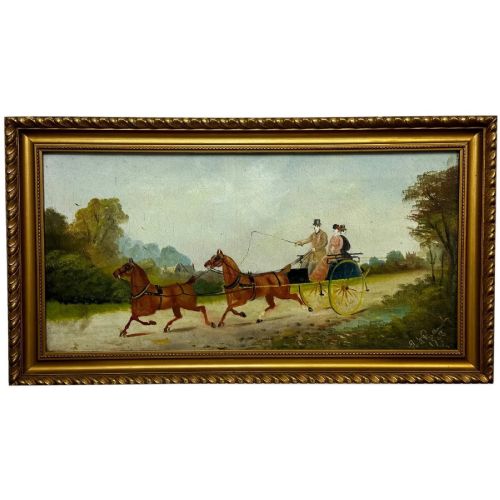
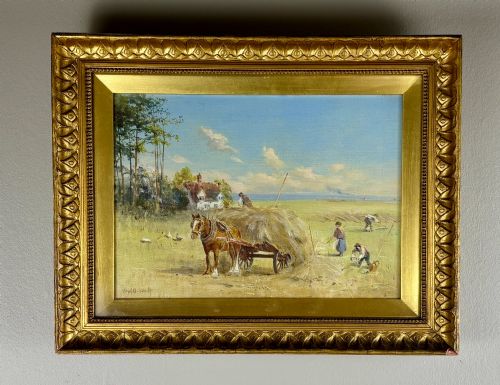
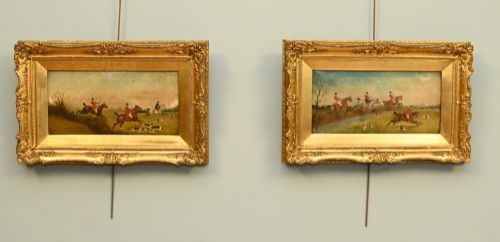
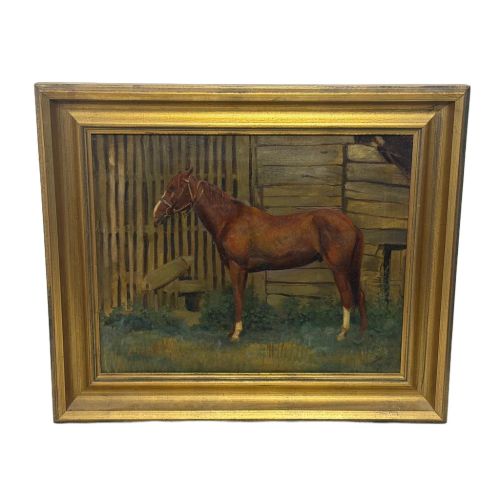
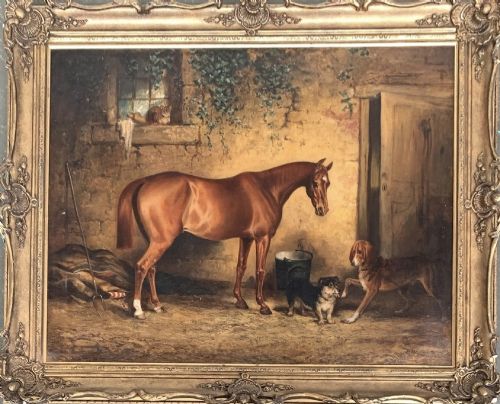
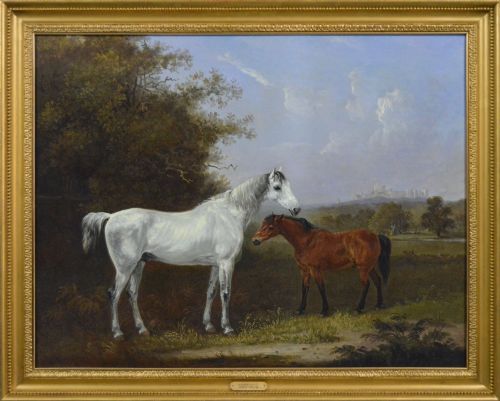
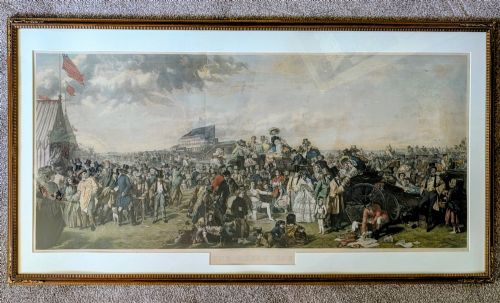
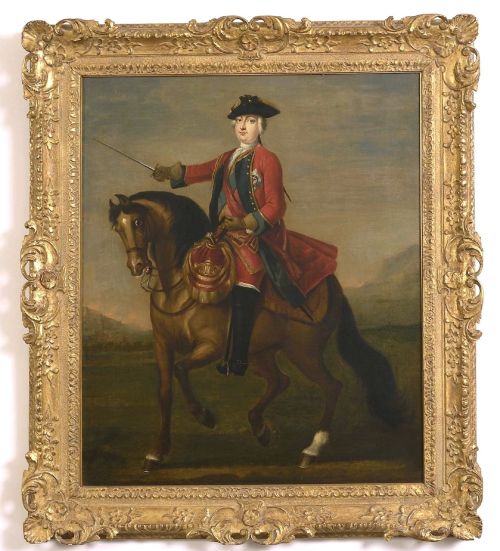
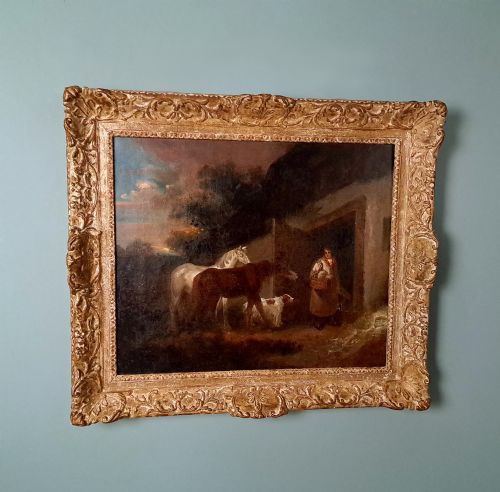
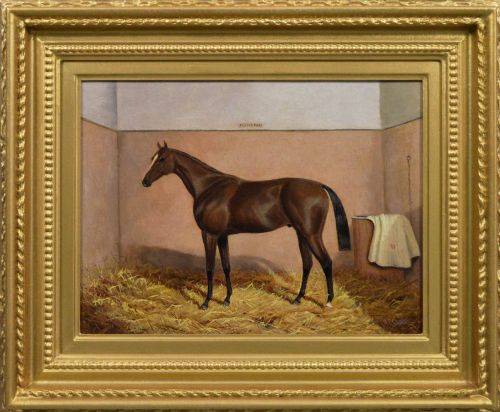
A gold framed horse painting captures equine subjects through oil on canvas, wood, and reverse glass painting across the 18th, 19th, and 20th centuries. Buyers exploring this category encounter Victorian sporting art, Edwardian coaching scenes, and British impressionist studies.
The most common pieces on this page are oil paintings from the Victorian era and the early 20th century, depicting racehorses, hunters, and rural working animals in gilded wooden frames. These works range from intimate individual portraits of named horses to sweeping landscape scenes with carriages and riders.
Makers and schools represented include named artists such as Albert Clark, George Wright, and Philip Rideout alongside regional British and European workshops. Each piece reflects the enduring cultural significance of the horse in rural, racing, and aristocratic life.
Materials and methods
Painters applied oil paint onto stretched canvas or wooden panels, utilising layered glazes to render the musculature and glossy coats of horses with precision. Watercolour on paper and reverse silhouette painting on glass also appear in the record.
Frames are constructed from wood, finished with layers of gilt or gesso to create the distinctive gold appearance that defines these works. Carved moulding details on the giltwood frames frequently match the period of the painting they enclose.
Gold Framed Horse Painting Retail Price Guide 2026
Typical asking prices for gold framed horse painting among the pieces listed under this phrase on Sellingantiques today, from the lower quarter to the upper quarter. They describe what is for sale here now, not the wider market.
Listings span the 17th through the 20th centuries, utilising oil on canvas, watercolour, and reverse glass painting.
Distinctions in quality
Quality rests upon the artist's anatomical accuracy in rendering the horse, the fluidity of the brushwork, and the harmony between the canvas and its original giltwood frame. Masterworks capture the distinct temperament and conformation of individual animals rather than generic equine shapes.
The sophistication of the background landscape and the provenance linking the painting to named estates, historical races, or documented owners elevate certain pieces above standard decorative works.
William Joseph Shayer Senior·Albert Clark·George Wright·Abraham Cooper·Fred Fitzpatrick·Edward Priestley·John Alfred Wheeler·Philip Rideout·Herman S Melville·John Ferneley Senior·Charles Walter Simpson·John Frederick Herring Jnr·Edward Lloyd of Ellesmere·Léon Joseph Voirin
The Gold Framed Horse Painting Glossary
- Giltwood
- Wood carved and covered with a thin layer of gold leaf or gold powder. This material provides the bright metallic border characteristic of traditional framing.
- Equestrian
- Pertaining to horses and horseback riding. In art history, this term defines subjects centring on horses, riders, and racing.
- Provenance
- The documented history of ownership of an artwork. A clear provenance connects a painting to specific galleries, estates, or historical collections.
- Reverse glass painting
- An artwork created by applying paint to the back of a pane of glass and viewing the finished image from the front.
Gold Framed Horse Painting: Frequently Asked Questions
How do I identify the period of a horse painting?
Examine the style of the brushwork, the clothing of any human figures, and the construction methods of the wooden frame. Canvas types and stretcher frames also offer clues to the approximate date of creation.
Comparing the signature or recorded school of the artist against known biographical dates helps narrow the timeline further.
What subjects are common in equestrian art?
Common subjects include named racehorses, fox hunting scenes, coaching carriages, and working farm animals such as shires and ponies. Many works place the animal within a detailed pastoral or estate landscape.
Portraiture of specific horses owned by royalty or landed gentry forms a significant part of the tradition.
How should I hang a gilt framed painting?
Select a wall with stable humidity and temperature away from direct sunlight to protect both the oil paint and the gilded wooden frame. Secure picture hooks directly into wall studs or use appropriate heavy-duty wall anchors.
Ensure the weight of the frame is evenly distributed across sturdy hanging wire or brackets.
What is sporting art?
Sporting art is a genre dedicated to rural recreations, particularly horse racing, hunting, shooting, and fishing. In British art, it flourished during the 18th and 19th centuries as patrons commissioned records of their prized animals and estates.
These works combine accurate animal anatomy with detailed landscape painting.