





Gold Framed Dog Artwork
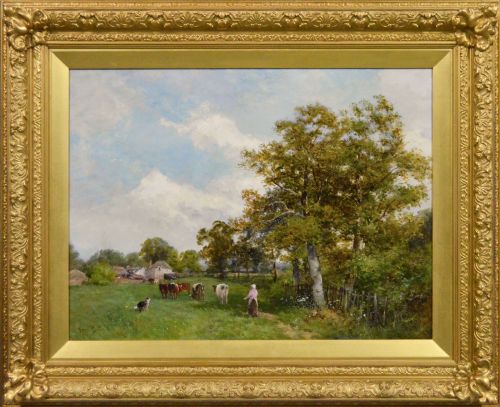
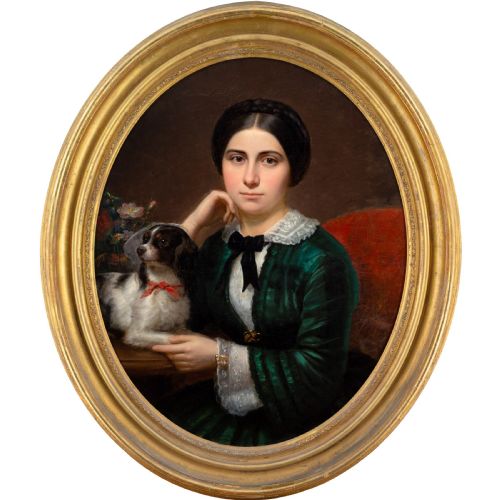
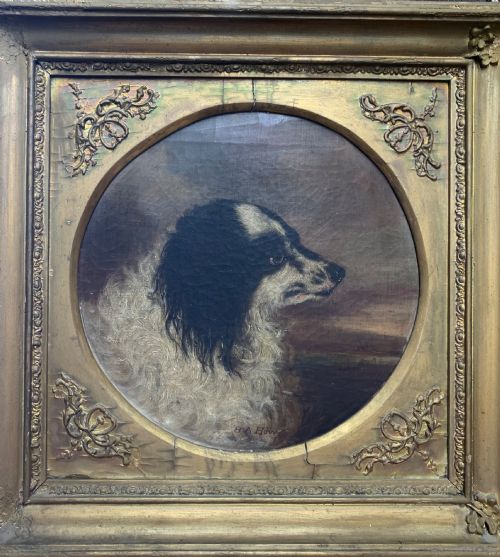
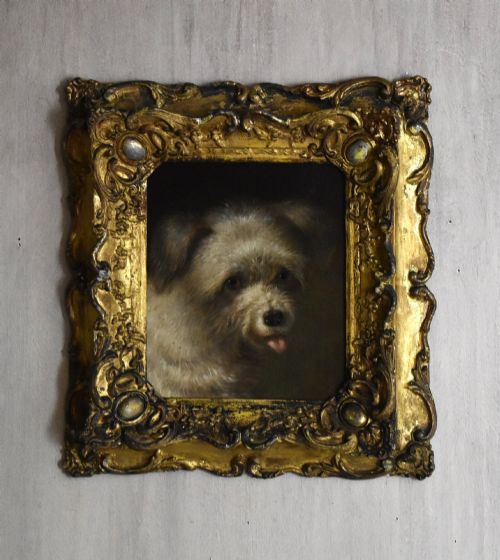
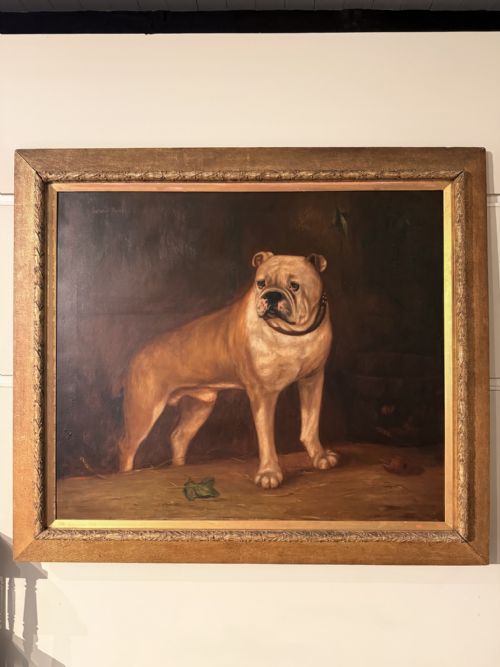
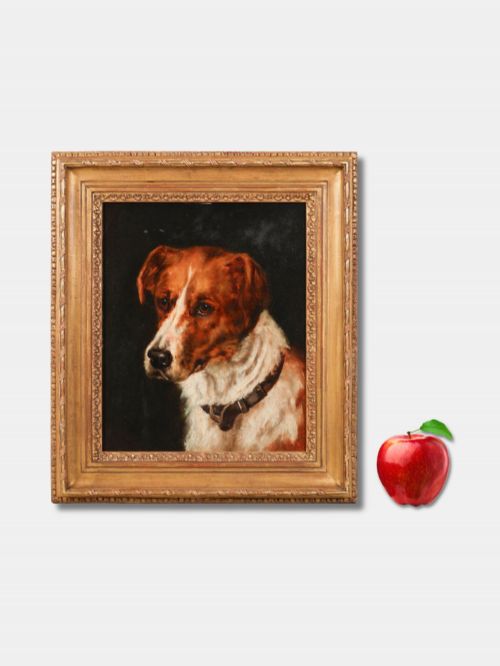
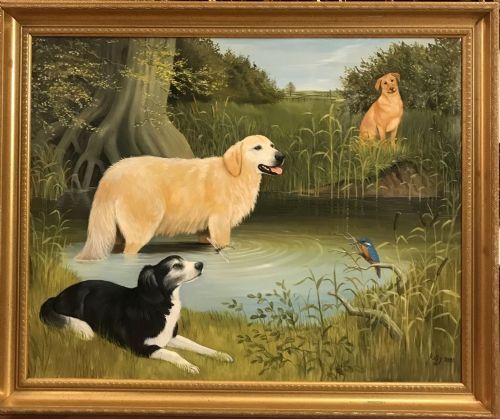
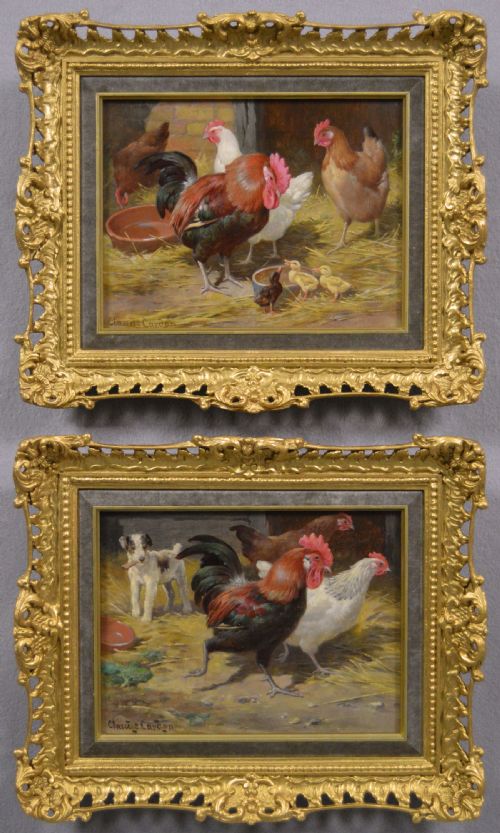
Gold framed dog artwork brings together canine portraiture and period surrounds, offering a glimpse into domestic and sporting life from past centuries.
Gold Framed Dog Artwork
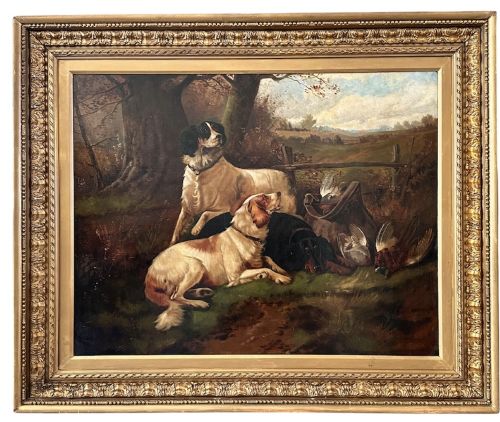
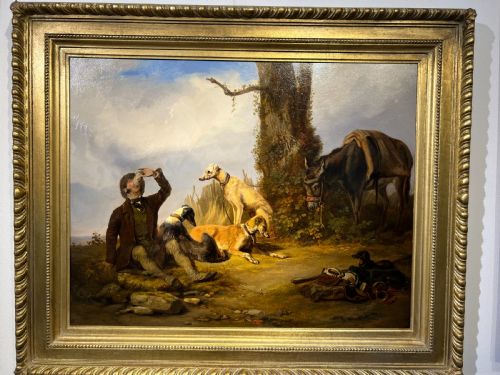
When you search for gold framed dog artwork, you encounter oil paintings, watercolours, and prints depicting spaniels, terriers, hounds, and sporting dogs. The majority of pieces on this page originate from the nineteenth century, spanning Victorian and Edwardian periods.
Subjects range from intimate individual dog portraits to complex sporting scenes involving hunt packs and farm animals. These works capture the status and affection accorded to animals across British, French, and European schools.
How they were made
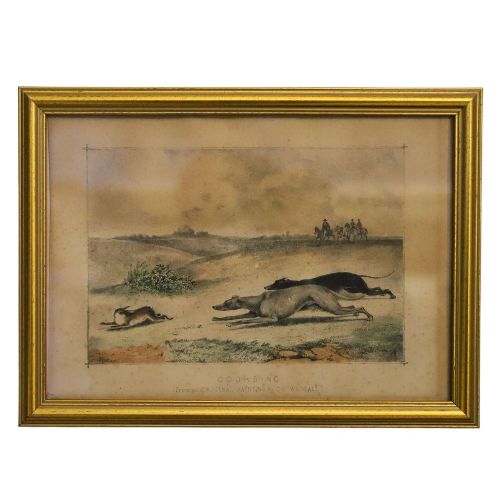
The primary medium recorded is oil paint applied to canvas or wood board, complemented by watercolour and lithography on paper. Artists utilised rich pigments to render canine coats and pastoral landscapes with distinct tonal depth.
Surrounding surrounds consist of wood frames finished in giltwood, gilded wood, or gold leaf. These ornate housings accentuate the warm tones within the painted scenes.
Several canvases capture dogs caught in the act of stealing food from baskets or guarding trapped rats.
What varies in quality
Quality rests in the anatomical accuracy of the animal and the expressiveness of its render, distinguishing competent studio output from masterwork portraiture. The handling of fur texture, light, and background detail separates finer examples from simpler decorative pieces.
The craftsmanship of the surrounding gilt frame also matters, as period frames carved from wood and finished with genuine gold leaf carry greater presence than later replacements.
Valentine T Garland·David Bates·Martin Theodore Ward·John Sargent Noble·Sir Edwin Henry Landseer·C H Weigall·Arthur Wardle·William Barraud·Samuel Raven·Colin Graeme Roe·John Trivett Nettleship·John Alfred Wheeler·Henri Schouten
The Gold Framed Dog Artwork Glossary
- Giltwood
- Wood carved and coated with gold leaf or gold paint to create a reflective, decorative surface. This finish defines the period frames enclosing many nineteenth-century paintings.
- Sporting art
- A genre of painting depicting field sports, hunting dogs, horses, and rural pursuits. These works document the agricultural and leisure activities of the Georgian and Victorian eras.
- Oil on canvas
- Pigment suspended in drying oil applied to a stretched woven fabric support. This technique allowed artists to achieve subtle blending and rich colour saturation.
- Lithograph
- A print made from a flat stone or metal plate treated to retain ink where required. Artists used this method to reproduce detailed illustrative works for wider distribution.
Gold Framed Dog Artwork: Frequently Asked Questions
What periods do these dog artworks come from?
The pieces span from the seventeenth century through to the mid-twentieth century, with a heavy concentration originating in the nineteenth-century Victorian and Edwardian eras. You will encounter works reflecting Regency tastes as well as later European and British schools.
Date attributions rely on the artist's recorded lifespan, stylistic markers of the period, or specific canvas stamps and frame construction techniques noted by the dealer.
How were these dog paintings originally displayed?
Owners typically hung these works in country houses, libraries, and drawing rooms alongside sporting equipment and family portraits. Gilt frames were chosen to catch the dim light of gas lamps or candles.
Today, they suit similar traditional settings or can create a striking focal point when contrasted against modern interior walls.
How do I identify a sporting dog painting?
Sporting pieces usually feature specific working breeds such as pointers, setters, spaniels, or hound packs engaged in field sports or resting with the day's bag. The backgrounds typically incorporate open moorland, kennels, or rural hunting estates.
These compositions focus on the working relationship between handler, dog, and landscape rather than domestic companion portraiture.
Are the frames original to the artwork?
Many listings feature period giltwood or gold leaf frames that match the age of the central canvas, though framing styles can vary due to later nineteenth-century or twentieth-century re-framing. Examining the joinery and wear on the wood helps determine if the surround has remained with the piece.
Dealers often specify whether a frame is period or a later replacement within the item description.