



Gold Framed Art Deco
Gold framed art deco pieces bring together the striking lines of the early twentieth century and warm metallic finishes.
Gold Framed Art Deco
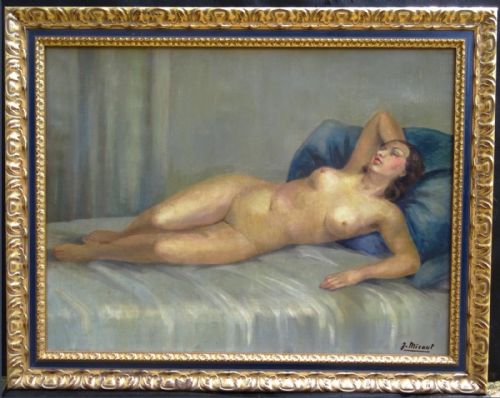
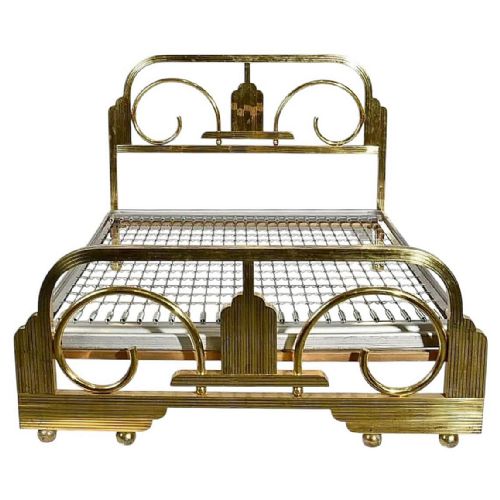
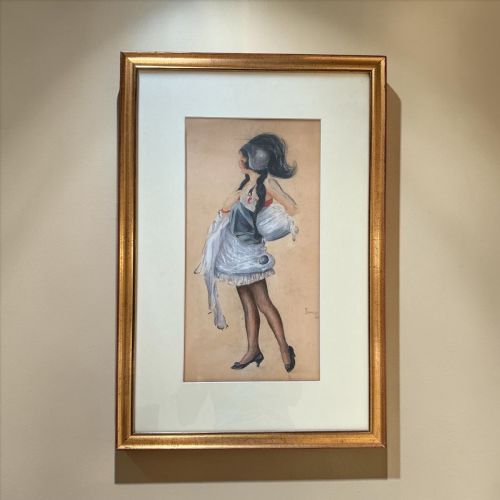
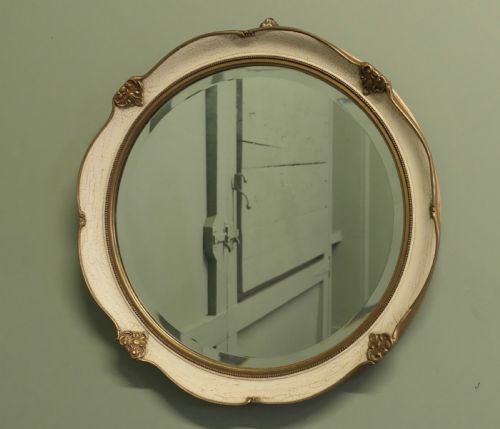
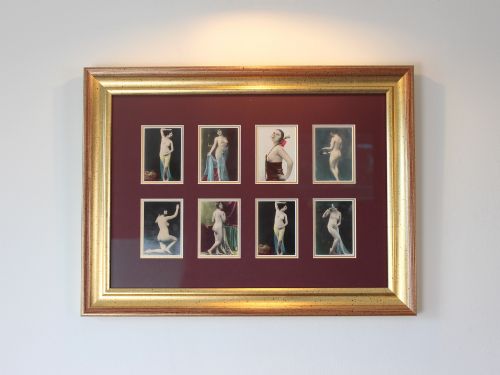
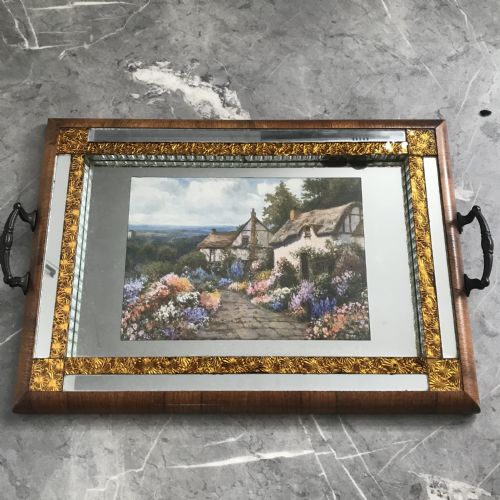
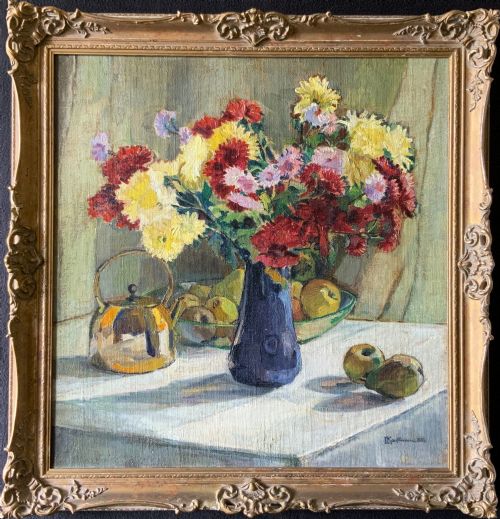
Gold framed art deco items encompass a varied selection of wall art, oil paintings, mirrors, and decorative trays originating from the 1910s, 1920s, and 1930s. Buyers searching for gold framed art deco will encounter French and English pieces, ranging from portraits and still life oils to functional brass and gilt wall mirrors.
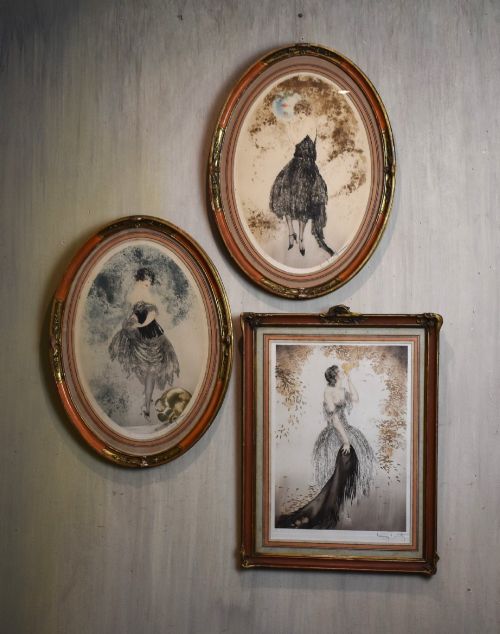
The most common forms on this page include framed pastel portraits, hand-tinted photographs, and giltwood or metal-framed mirrors from the interwar period. These objects reflect the decorative tastes of the early twentieth century, utilising distinctive frames to complement the artwork or glass they enclose.
Materials and Construction
Frames received applied gilt finishes or brass mountings to achieve the bright, reflective borders characteristic of the style. Paintings and prints employ mediums like oil, watercolour, and lithography, often housed behind protective glass.
Gold Framed Art Deco Retail Price Guide 2026
Typical asking prices for gold framed art deco among the pieces listed under this phrase on Sellingantiques today, from the lower quarter to the upper quarter. They describe what is for sale here now, not the wider market.
Listings span the 1910s, 1920s, and 1930s, incorporating materials such as brass, gilt, glass, oil on canvas, and walnut veneer.
Evaluating Quality
Quality rests upon the skill of the artist or maker and the preservation of the materials, from the depth of the gilt finish to the execution of an oil painting or pastel portrait. Signed original works and pieces by documented artists command closer attention than standard prints.
The integrity of the frame and the clarity of the mirror glass or canvas surface indicate how well a piece has survived. Original mountings and genuine period framing differentiate superior examples from later replacements.
Louis Icart·Julian Mandel·Raymond Moritz·Susie Lassam·Jean Hardy·Albert Guillaume
The Gold Framed Art Deco Glossary
- Giltwood
- Wood that has been treated with gold leaf or a gold-coloured finish. This technique creates a bright, reflective surface popular on decorative frames and mirrors.
- Lithography
- A planographic printing process used to produce mass prints and posters. Artists applied grease-receptive ink to a stone or metal plate to transfer the image onto paper.
- Overmantle
- A large mirror or painting designed to hang directly above a fireplace mantelpiece. These pieces often feature substantial gilt frames intended to anchor the room's decor.
- Veneer
- A thin layer of superior wood adhered to a base material. Walnut veneer frequently appears on decorative trays and furniture to display fine grain patterns.
Gold Framed Art Deco: Frequently Asked Questions
How do I date a gold framed art deco mirror?
Dating relies on examining the construction methods of the frame, the backing materials, and the type of glass used. Pieces from this era often display specific brass fixings or giltwood profiles characteristic of the 1920s and 1930s.
Maker marks, labels, or inscriptions on the reverse can also help pinpoint the exact decade of manufacture.
Where were these art deco items made?
The pieces originate primarily from France and England, reflecting the major European hubs of art deco design. French pieces often include distinct portraiture and mirrors, while English examples feature domestic overmantles and prints.
Stylistic cues and signatures usually point to the country of origin.
Are all the paintings original works?
The selection includes a mix of original oil paintings, pastels, gouache works, and hand-tinted photographs alongside prints and lithographs. Each listing specifies the exact medium used by the artist.
Checking the description confirms whether a piece is a unique painted artwork or a produced print.
How should I clean a antique gilt frame?
Antique gilt surfaces require gentle dusting with a soft, dry brush to avoid damaging the delicate metallic finish. Moisture and chemical cleaners should be kept away from the gold leaf or painted wood.
Professional restoration is recommended if the gilding begins to flake or separate from the base.