



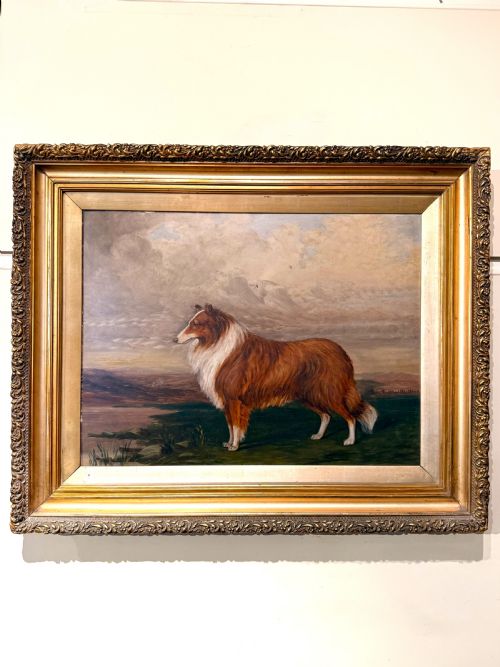
Gold Frame Landscape
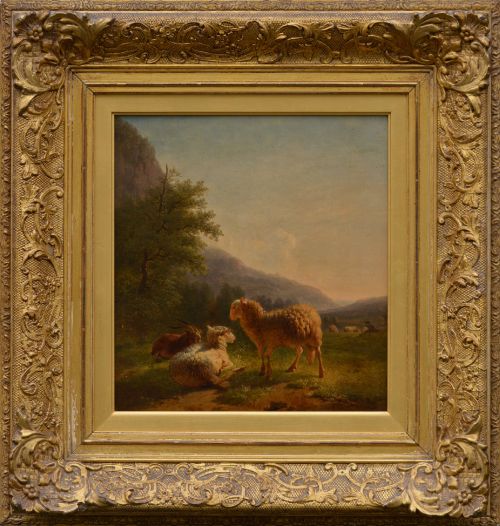
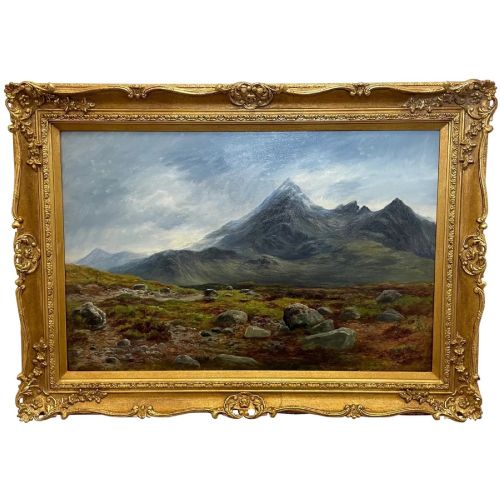
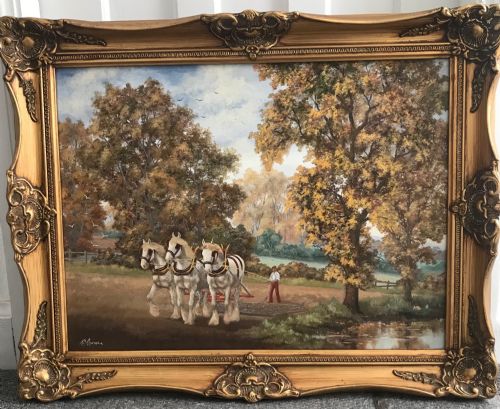
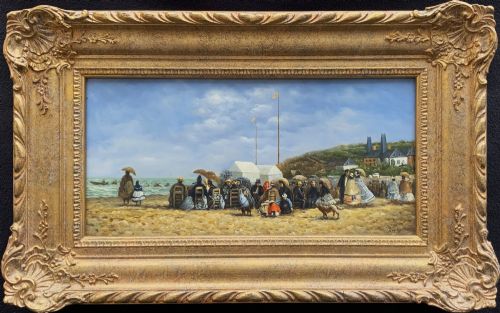
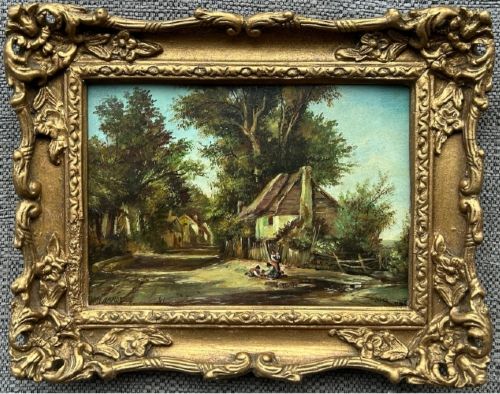
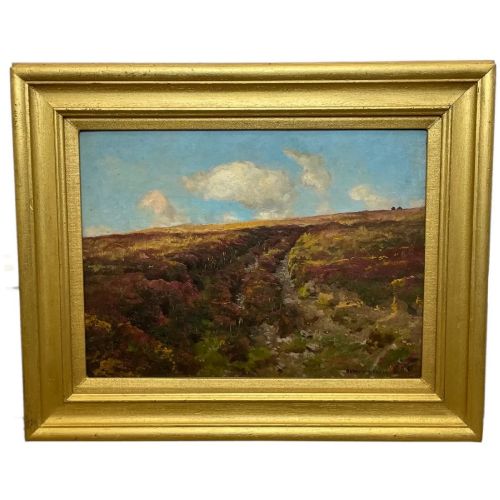
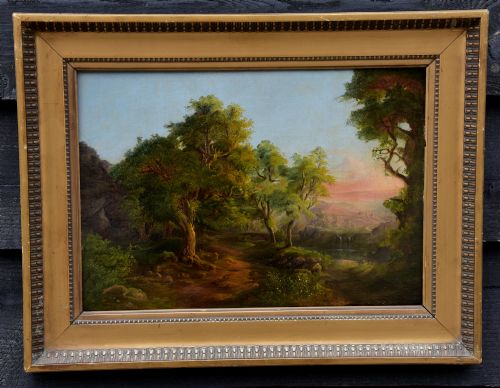
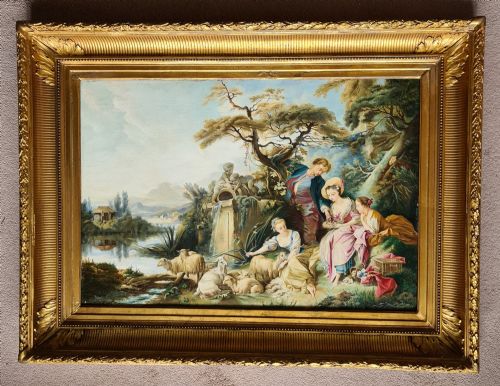
A gold frame landscape brings the depth and atmosphere of pastoral valleys and coastal expanses directly onto the wall.
Gold Frame Landscape
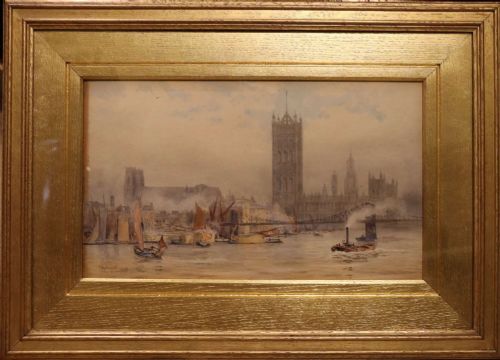
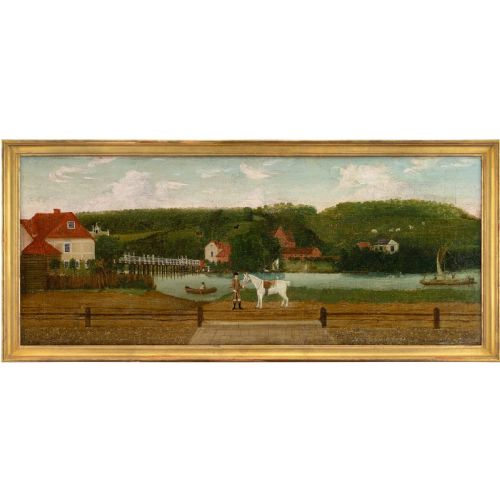
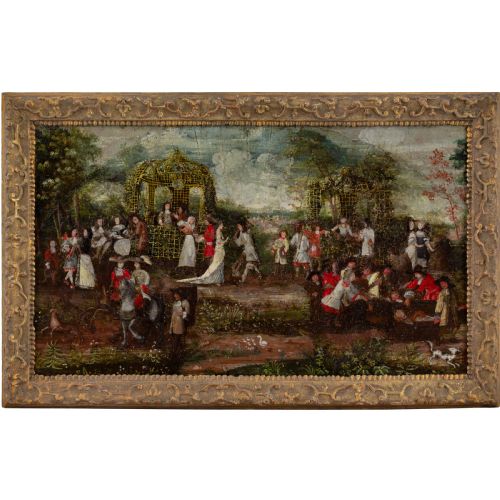
When buyers search for a gold frame landscape, they encounter traditional painted scenes enclosed within moulded and gilded perimeters. These works span periods from the Victorian era through to the mid-twentieth century, capturing rural vistas, marine views, and woodland paths.
The assortment relies heavily on oil paintings executed on canvas, wood panel, and board. Framed art prints and watercolours also appear, carrying subjects that range from Scottish highlands to quiet French farmyards.
Victorian and Edwardian examples dominate the offerings, alongside later twentieth-century interpretations operating within traditional idioms. Each piece couples a painted outdoor view with a protective or decorative surround that defines its visual boundary.
Materials and construction
Makers built these objects using oil paint spread across stretched canvas, wooden panels, or paper supports. Canvases provide texture through woven threads, whilst panels and boards offer a rigid, flat surface for detailed brushwork.
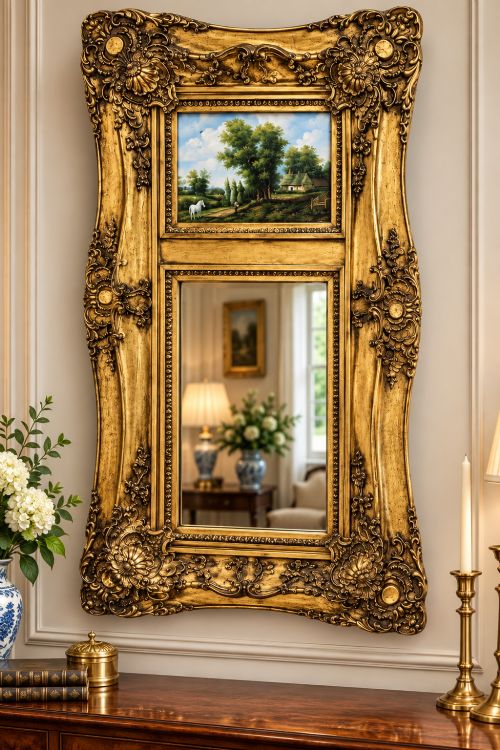
The surrounds rely on wood foundations built up with gesso, a plaster-like material applied to form raised ornaments and mouldings. Workers then covered this prepared layer with thin sheets of metal leaf or gold paint to achieve the characteristic metallic sheen.
Several sheep, cows, horses, dogs, and at least one prizewinning shorthorn bull share these pastoral views with the human figures.
Assessing quality and execution
Execution of the painted subject dictates the standing of an individual work, separating routine studio output from inspired observation of light and terrain. Confident brushwork and subtle tonal transitions distinguish more accomplished compositions from rigid or formulaic depictions of scenery.
The construction of the surround similarly marks out superior examples, where hand-carved or meticulously moulded gesso details retain crisp edges and deep relief. Uniform gilding that has aged gracefully without crude overpainting complements a well-preserved canvas to elevate the piece.
Eugène Verboeckhoven·William Beattie-Brown·Donald Grant·William Howard Hardy·Arthur Wardle·John Horace Hooper·Reginald Arthur Borstel·William Joseph Shayer Senior·Alfred Fontville de Breanski Jr·Kershaw Schofield·George Houston·William Banks Fortescue·Robert Morson Hughes·Thomas W Lascelles·James Kay·Augusto Alberici·Gabriel Mathieu·David Bates·Benjamin Barker of Bath·Thomas Smythe·Robert John Hammond
The Gold Frame Landscape Glossary
- Giltwood
- Wood that has been coated with gold leaf or a gold-coloured finish. This material forms the core structure of many traditional picture surrounds.
- Gesso
- A mixture of binder and chalk applied to wooden frames to create a smooth surface for gilding. It allows craftsmen to model intricate relief patterns before applying gold leaf.
- Oil on Canvas
- Pigment mixed with drying oil applied to a woven fabric support. This technique allows for rich colour blending and textured impasto work.
- Post-Impressionism
- An artistic movement following Impressionism that extends its use of vivid colours and thick application while emphasising geometric forms. Works in this style often depart from strict realism to express emotional responses to scenery.
Gold Frame Landscape: Frequently Asked Questions
What periods do these paintings date from?
The selection spans from the late eighteenth century through the Victorian and Edwardian periods up to the mid-twentieth century.
Most pieces belong to the nineteenth and early twentieth centuries, reflecting traditional landscape painting traditions.
How should I hang a heavy framed artwork?
Secure fixings directly into wall studs or use appropriate heavy-duty wall anchors designed for the weight of wood and gesso surrounds.
Ensure the hanging wire or brackets on the back are robust enough to support the total mass safely.
Are these works painted on canvas or board?
Artists utilised multiple supports, including oil on canvas, wood panels, and stiff boards.
Watercolours on paper also feature among the available selections, each offering a distinct surface texture.
How do I care for a gilded wooden surround?
Dust the moulded surfaces gently with a soft, dry brush to prevent accumulation without disturbing the delicate metallic leaf.
Keep the piece away from direct sunlight and damp environments to protect both the paint and the gesso foundation.