




Gold Frame Botanical Picture
A gold frame botanical picture brings natural history and floral artistry indoors, offering enduring decorative appeal for any interior.
Gold Frame Botanical Picture
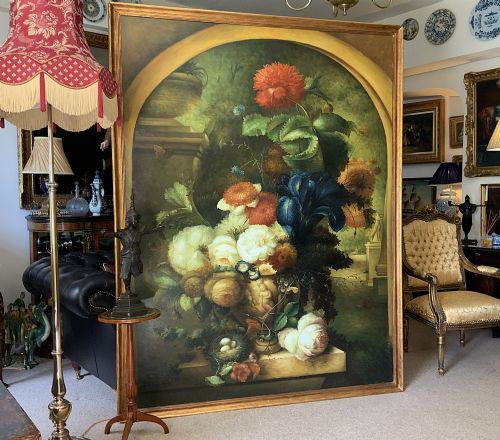
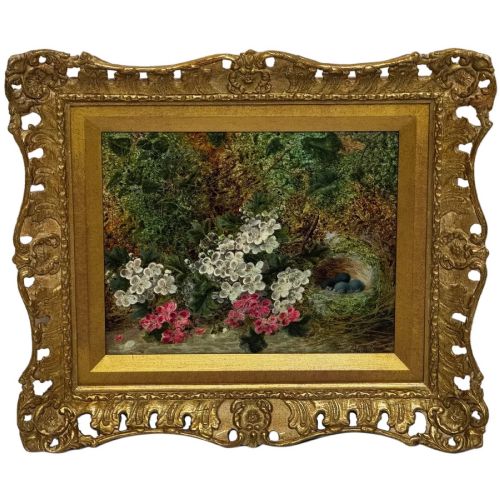
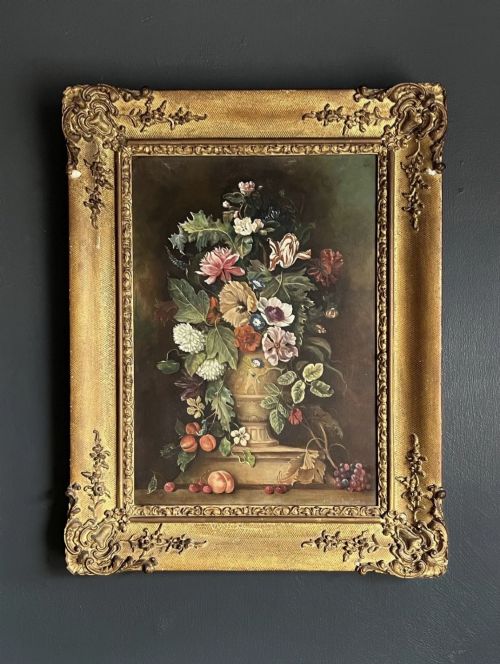
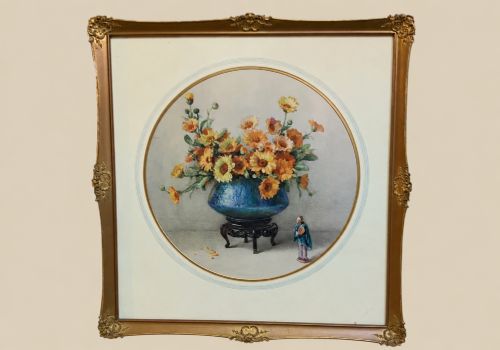
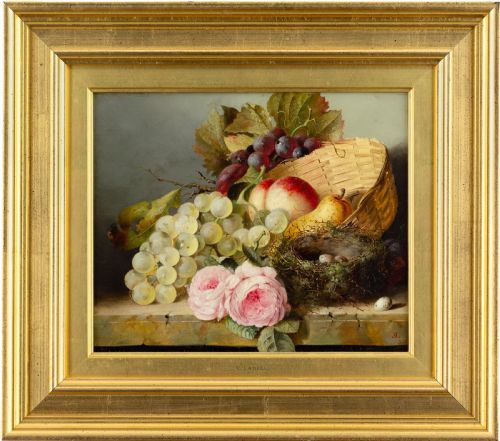
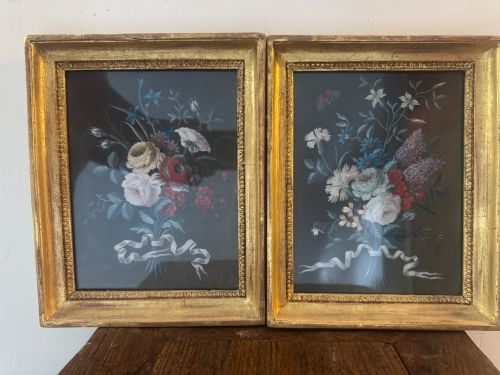
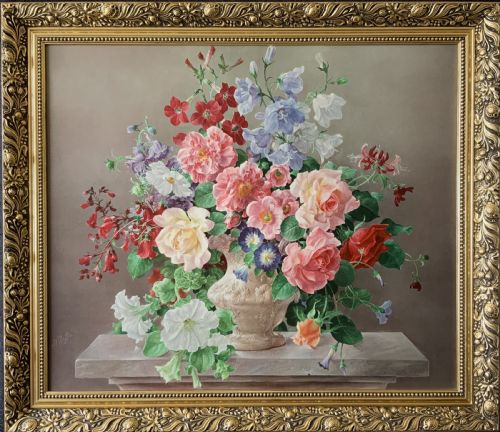
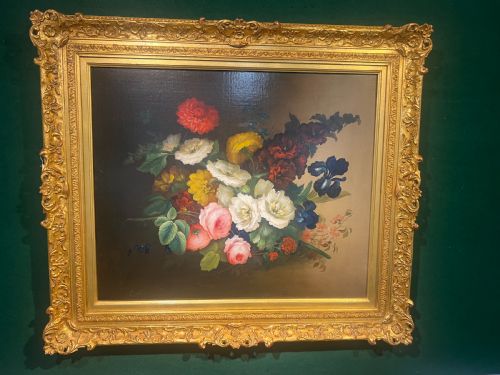
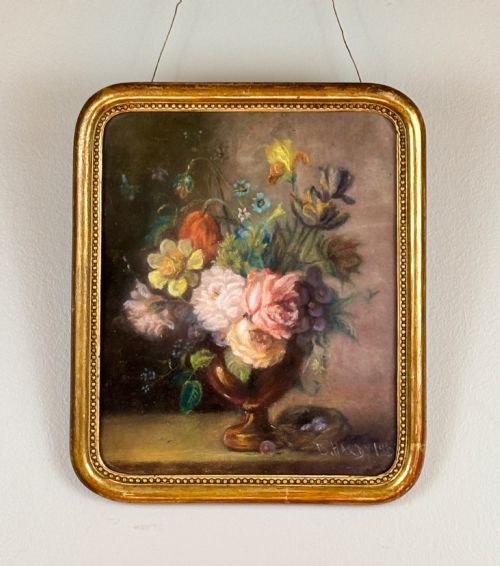
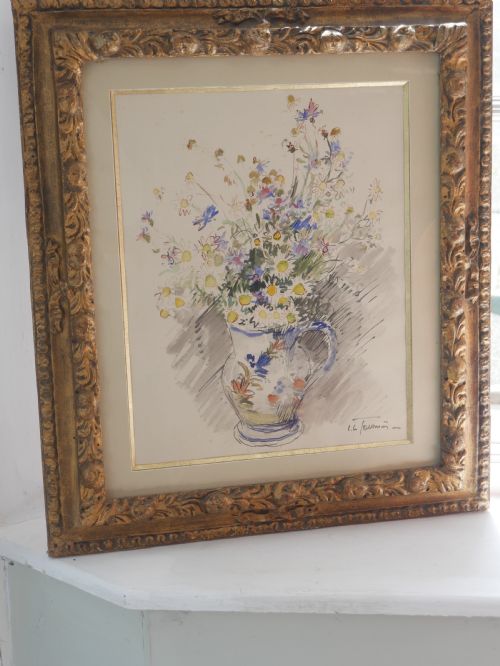
A gold frame botanical picture captures flora, fauna, and still life studies within period enclosures ranging from the eighteenth century to the mid twentieth century. These works encompass oil paintings, watercolours, gouache, lithographs, and textile arts housed in giltwood and gesso surrounds.
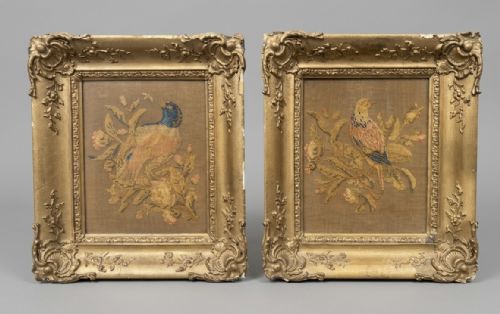
The selections on this page feature Victorian and Georgian pieces alongside later examples, displaying subjects such as garden flowers, birds, butterflies, and fruit baskets. Buyers encounter everything from detailed watercolours and needlework pictures to oil paintings on canvas and porcelain panels.
Makers and artists span English, Dutch, and Belgian traditions, incorporating styles like the Dutch Golden Age, Neoclassical, and Impressionist approaches. Each gold frame botanical picture reflects the specific domestic and natural history interests of its respective era.
Materials and construction methods
Makers employed wood, gesso, and gold leaf to fashion intricate frames that complement the delicate media housed within. Canvases, paper, card, porcelain panels, and textile supports received oils, watercolours, gouache, pastel, or embroidery threads.
Framing techniques relied on carved giltwood and moulded gesso to provide structural support and a luminous border for each artwork. Artisans utilised glass to protect vulnerable watercolours, lithographs, and needlework from environmental degradation.
Several pieces feature surprisingly fierce-looking exotic birds peering out from otherwise tranquil arrangements of summer flowers.
Assessing quality in period artwork
Quality rests upon the finesse of the brushwork, the precision of the botanical or avian depiction, and the originality of the mounting. Hand-painted oils and detailed watercolours command greater attention than mass-produced prints or oleographs.
The integrity of the gilt gesso frame significantly influences the overall character of the piece. Original frames that retain their authentic gilding and joinery elevate the historical coherence of the artwork.
Oliver Clare·Edward Ladell·Harold Clayton·William Duffield·Vincent Clare·Henry Schouten·William Rayworth·Kershaw Schofield
The Gold Frame Botanical Picture Glossary
- Giltwood
- Wood that has been coated with gold leaf or gold paint. This technique gives frames a bright, reflective metallic finish.
- Gesso
- A plaster-like mixture applied to wood frames to create a smooth surface for gilding and carving. It allows for intricate moulded ornamentation.
- Gouache
- An opaque water-based paint that dries to a matte finish. Artists use it to achieve vibrant colour and solid areas in botanical studies.
- Lithograph
- A print produced from a flat stone or metal plate treated to retain ink. Coloured lithographs brought accessible natural history illustrations to nineteenth-century homes.
- Oleograph
- A mechanical reproduction on canvas that simulates an oil painting through textured varnish and lithographic printing.
Gold Frame Botanical Picture: Frequently Asked Questions
What periods do these pieces date from?
The works span from the eighteenth century through the nineteenth century and into the mid twentieth century. Pieces reflect prevailing aesthetic movements of their respective decades.
Collectors encounter Georgian, Victorian, and mid-century examples representing diverse regional European schools and traditional artistic techniques.
How are textile and embroidery pieces mounted?
Needlework, silk embroideries, and beadwork pictures are stretched over a supportive backing and secured within period wooden frames. Glass is often placed in front to protect the textile fibres.
These textile pieces combine domestic craft with natural history subjects such as birds and floral arrangements.
What is the difference between an oil painting and an oleograph?
An oil painting is a unique, hand-painted work created with pigments bound in drying oil on canvas, panel, or board. Brush texture and layering are distinct.
An oleograph is a later reproduction process designed to mimic the appearance and texture of an oil painting using lithographic inks.
How should I hang and care for these artworks?
Display these framed pieces away from direct sunlight and excessive moisture to protect paper supports, watercolours, and gilt frames. Stable indoor environments prevent wood movement and fading.
Dust gilt frames gently with a soft, dry brush and avoid applying chemical cleaners to the gold leaf or gesso surfaces.