

Gold Frame Architectural Art
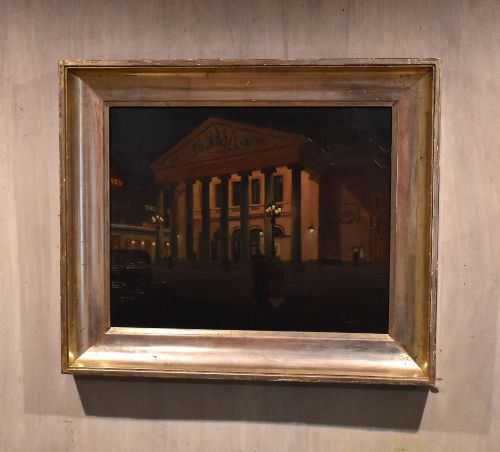
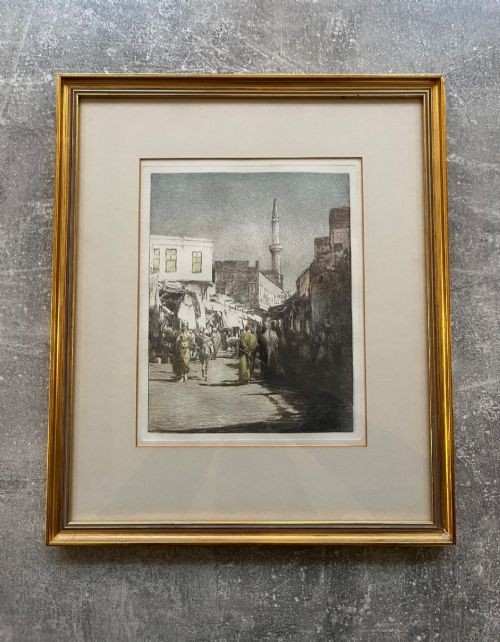
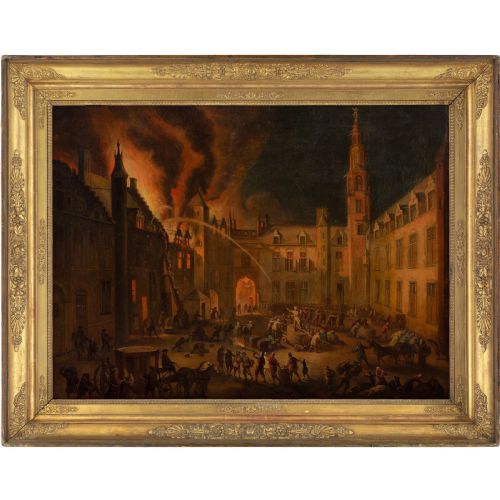
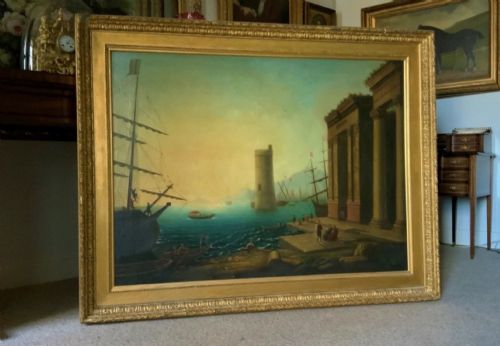
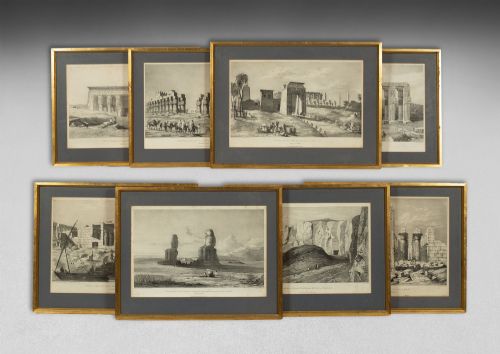
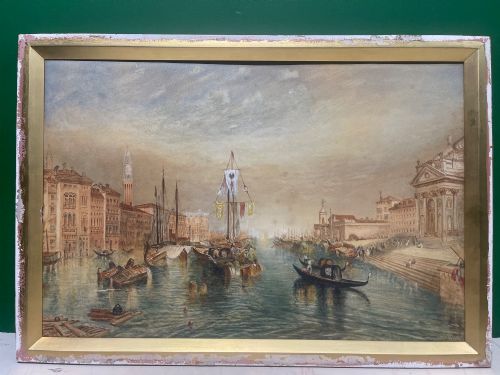
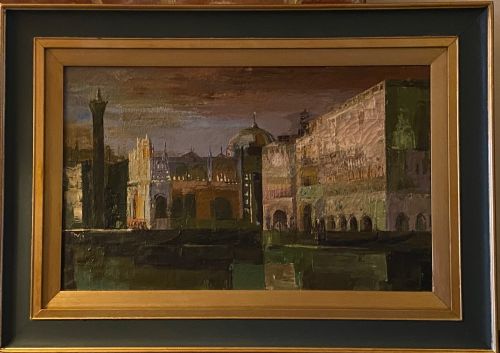
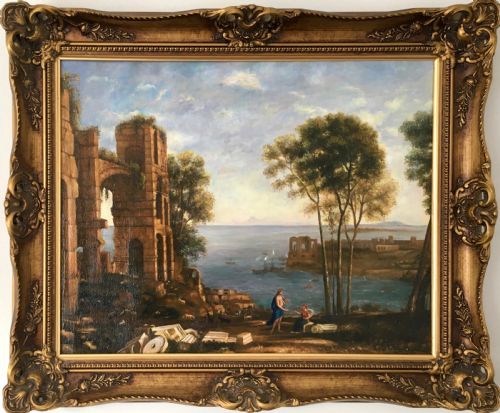
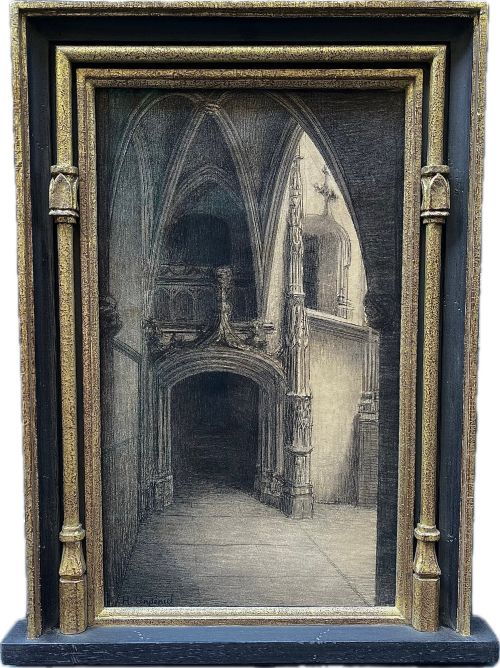
Gold frame architectural art brings together centuries of urban vistas, grand ruins and ecclesiastical facades enclosed within giltwood.
Gold Frame Architectural Art
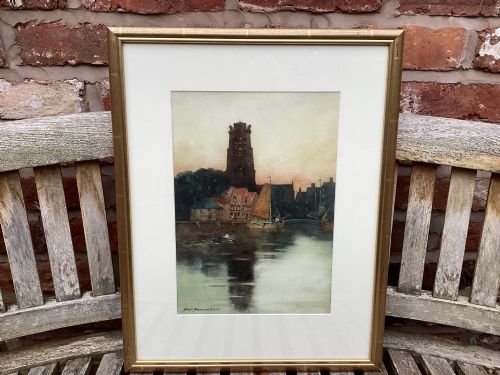
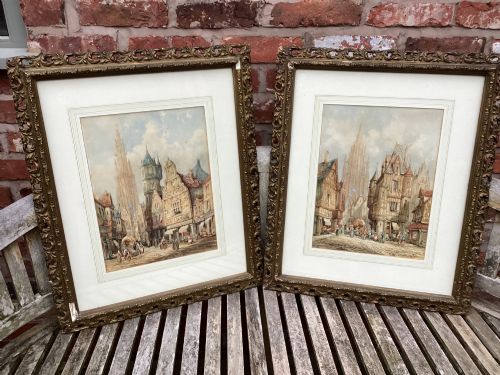
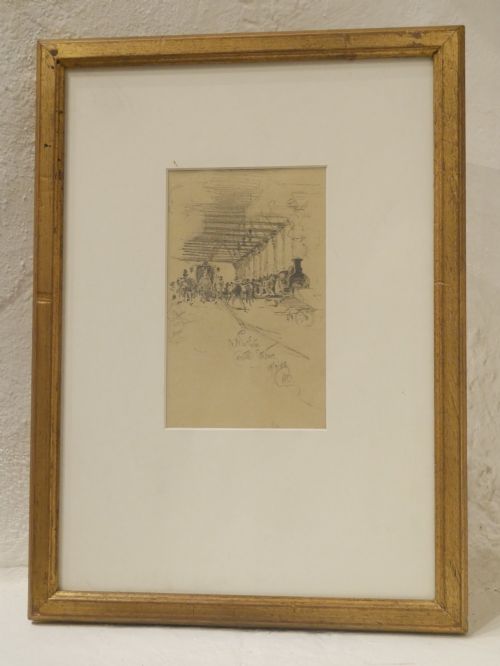
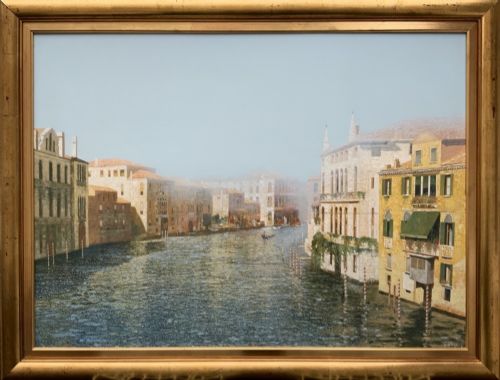
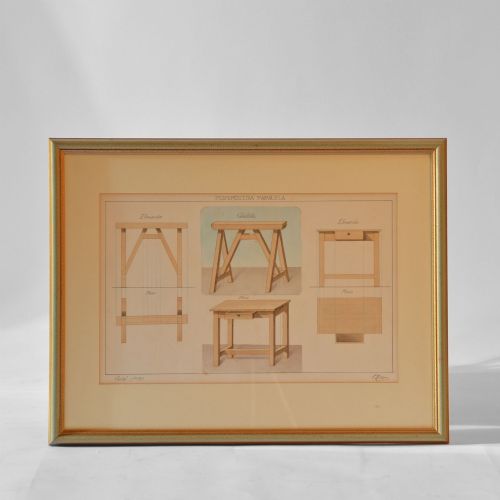
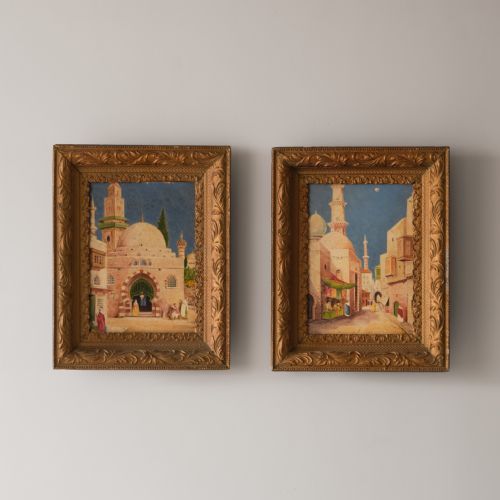
Gold frame architectural art encompasses framed paintings, watercolours, etchings and lithographs depicting cityscapes, classical ruins, churches and bridges. Buyers seeking this phrase encounter works ranging from 17th-century scenes to mid-century townscapes.
The selections span diverse locations including Venice, Rome, Cairo, Brussels and British landmarks. Mediums combine paper and oil on canvas with ornate wooden surrounds finished in gold leaf.
How they were made
Makers utilised traditional canvas and paper supports for oils, watercolours and coloured prints, applying pigments by hand. Frames were constructed from wood and surfaced with gold leaf or giltwood.
Techniques varied from detailed architectural drawings to impressionistic oil painting and delicate etching, paired with carved and gilded mouldings.
Gold Frame Architectural Art Retail Price Guide 2026
Typical asking prices for gold frame architectural art among the pieces listed under this phrase on Sellingantiques today, from the lower quarter to the upper quarter. They describe what is for sale here now, not the wider market.
Represented periods include the 19th Century, Victorian, Edwardian, 1930, 1950 and 1960.
What varies in quality
Quality rests in the precision of the draughtsmanship and the depth of the oil or watercolour application. Masterful perspective and confident brushwork separate accomplished topographical records from simpler decorative student pieces.
The execution of the surrounding gilt frame also defines the piece. Hand-carved wooden mouldings and burnished gold leaf demonstrate superior workshop skill compared to plain or heavily restored surrounds.
Mortimer Menpes·Félix Vanden Eycken·Hans Jacob Hansen·Henri Schafer·Sushila Singh·Francesco Guardi·Henri Charles Angéniol·Victor Gabriel Gilbert·Alfred George Morgan·Caroline Burnett·Giovanni Paolo Panini·Cornelis Christian Dommersen·Frederick Tully Lott·William George Meadows·Lewis J Wood·George Whyatt·Karl Herrle
The Gold Frame Architectural Art Glossary
- Giltwood
- Wood that has been coated with gold leaf or gold paint. This finish creates the characteristic metallic lustre found on period picture frames.
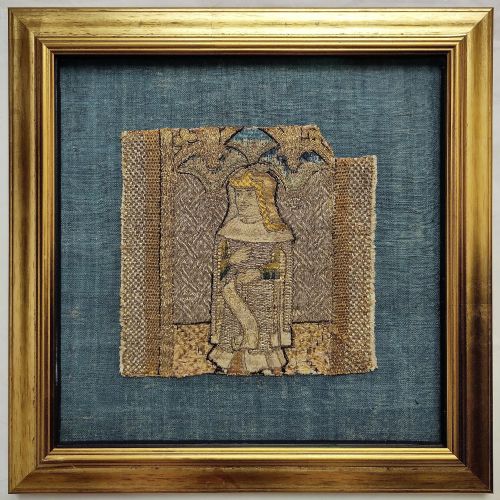
- Opus anglicanum
- Fine English needlework from the medieval period. It denotes historic textile panels worked in silk and metal threads.
- Capriccio
- An architectural fantasy placing together buildings, ruins and other architectural elements in a fictional combination. Artists utilised this style to compose picturesque Italianate landscapes.
- Lithograph
- A print made from a stone or metal plate prepared so that ink adheres only to the design. The technique enabled detailed reproduction of architectural drawings and townscapes.
Gold Frame Architectural Art: Frequently Asked Questions
What periods do these artworks cover?
The listings include works from the 17th century through the Victorian era and into the mid-20th century. Different decades brought shifts in how artists rendered cityscapes and ancient ruins.
Victorian and Edwardian examples sit alongside 1930s and 1950s interpretations of urban and architectural subjects.
How should I hang heavy gilt framed art?
Secure fixings directly into wall studs or utilise appropriate heavy-duty wall anchors rated for the weight of the wood and glass. Gilt frames can be substantial.
Ensure the hanging wire or brackets on the back match the support capacity required for older wooden frames.
Are these pieces original works or prints?
The category contains a mixture of unique items and printed media. You will find original oil paintings on canvas and board alongside watercolours and period coloured prints.
Checking the medium in each listing reveals whether the work is hand-painted or a published print.
How do I care for antique gold leaf frames?
Dust the gilt surfaces gently with a soft, dry brush without using water or chemical cleaners. Moisture can damage old gold leaf and underlying gesso.
Keep pieces away from direct sunlight and dramatic humidity changes to protect both the artwork and its frame.