



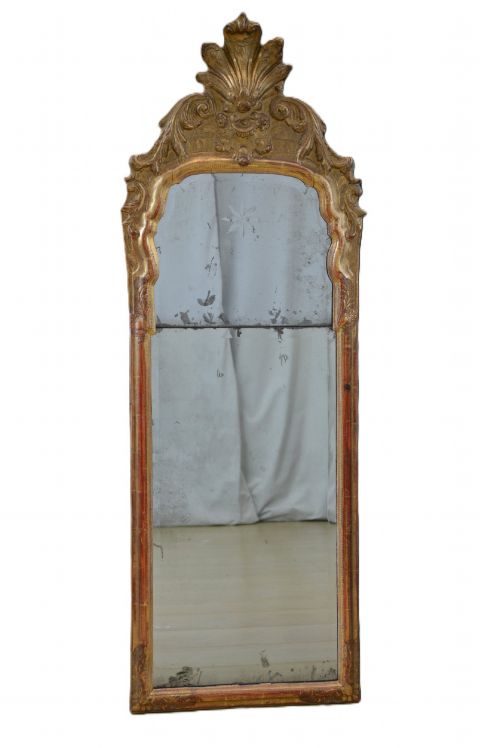


Gold Etched Glass Mirror
A gold etched glass mirror catches the light with depth and charm, drawing the eye to its reflective plate and gilded frame.
Gold Etched Glass Mirror
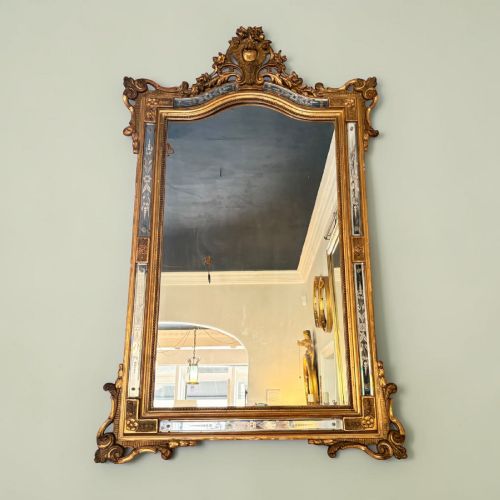
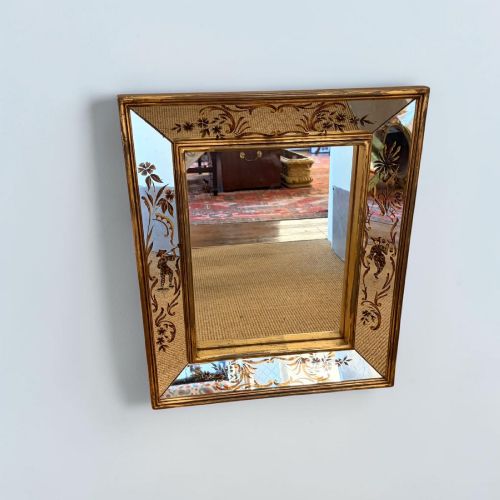
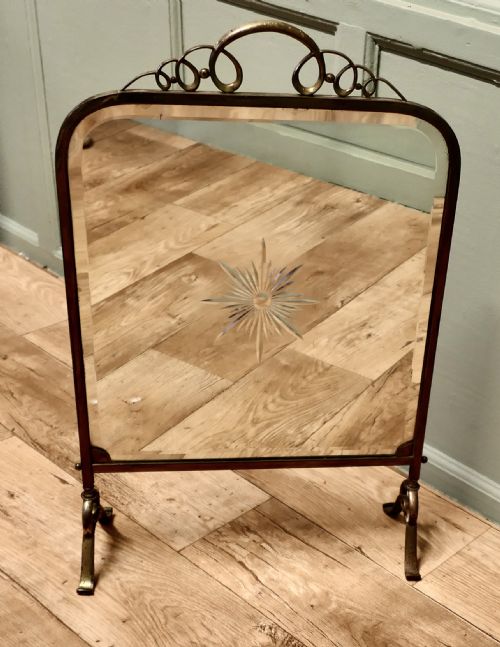
When you search for a gold etched glass mirror, you encounter pieces spanning from the Georgian era through to the twentieth century, with nineteenth-century examples appearing frequently. These objects include wall mirrors, pier mirrors, overmantel mirrors, and fire screens designed to enhance interior light and space.
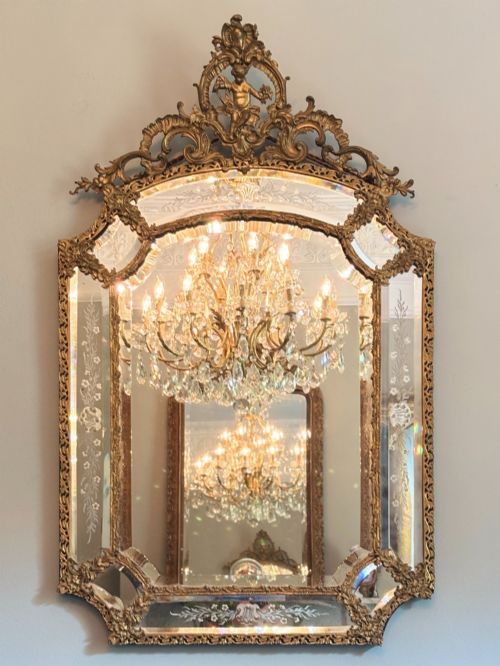
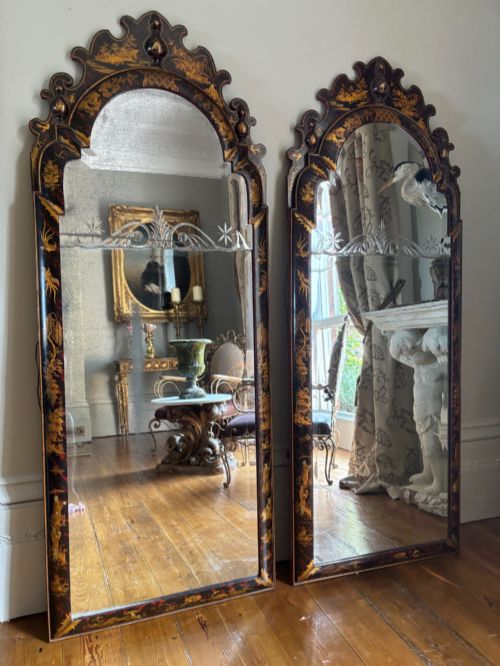
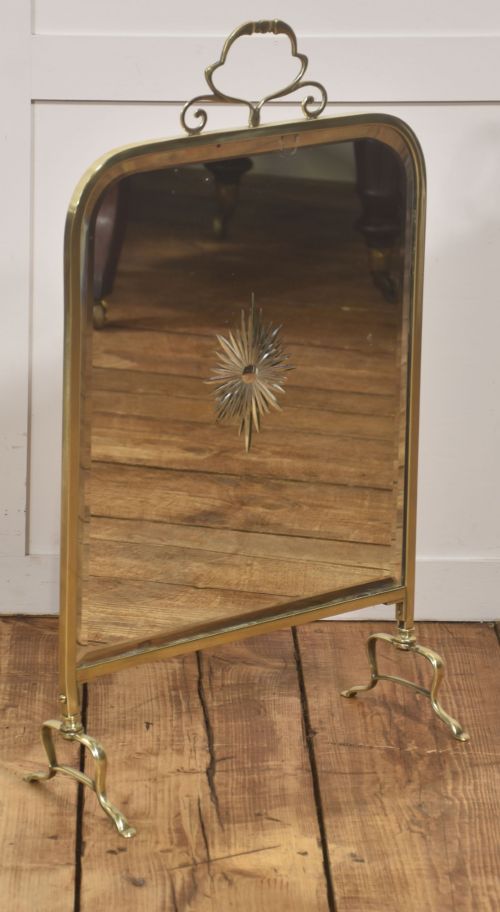
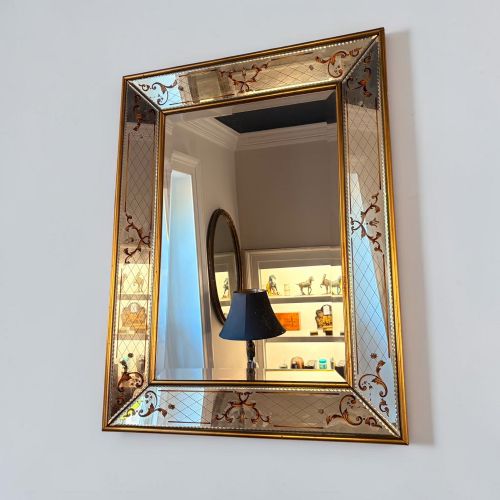
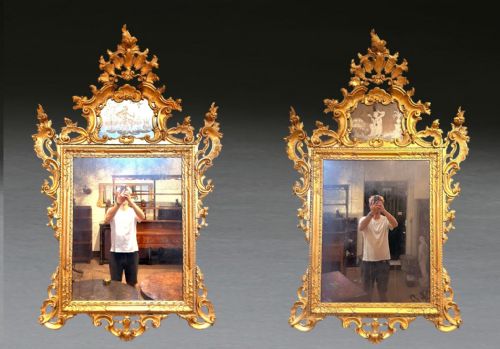
The selections on this page incorporate styles such as Rococo Revival, Victorian, Baroque Revival, and Art Deco. Frames demonstrate traditional forms including arched tops, cushion mouldings, and sunburst motifs, alongside paired Venetian and Chinoiserie designs.
How they were made
Maker construction relies on carved wood, gesso, and glass, often finished with gilt or paint. Artisans shaped giltwood and gilt bronze to form elaborate frames supporting engraved and mirror glass plates.
Brass elements also feature in fire screens and frames, combining structural metalwork with decorative carved wood and gesso detailing from the nineteenth and early twentieth centuries.
Gold Etched Glass Mirror Retail Price Guide 2026
Typical asking prices for gold etched glass mirror among the pieces listed under this phrase on Sellingantiques today, from the lower quarter to the upper quarter. They describe what is for sale here now, not the wider market.
Listings feature periods from the Georgian era through the nineteenth century up to the 1960s.
What varies in quality
The fineness of hand-carved detail in the wood and gesso distinguishes the better examples from simpler production. Crisp execution in the gilt framing and the clarity of the engraved plates elevate a piece above standard manufacturing.
Proportion and the preservation of original painted and gilded surfaces determine the visual strength of the object. Cohesion between the frame style and the mirror plate indicates thoughtful period construction.
John Belchier
The Gold Etched Glass Mirror Glossary
- Pier mirror
- A tall glass designed specifically to hang on the wall space between two windows. These pieces often feature gesso and giltwood frames.
- Gesso
- A plaster-like mixture applied to wood frames to create a smooth surface for gilding. It allows for intricate relief carving.
- Overmantel mirror
- A wide mirror intended for placement directly above a fireplace mantel. They frequently incorporate arched tops and elaborate gilt framing.
- Giltwood
- Timber coated with gold leaf or a gold-colored finish. It provides a reflective, ornate border for antique glass.
- Engraved plate
- Mirror glass decorated with surface cuts or etchings. This technique adds decorative motifs directly onto the reflective surface.
Gold Etched Glass Mirror: Frequently Asked Questions
What is a gold etched glass mirror?
A gold etched glass mirror is a decorative looking glass featuring gilded framing and surface engraving on the glass plate. These objects range from nineteenth-century overmantels to twentieth-century wall mirrors.
They serve both functional and decorative purposes within domestic interiors, reflecting light while displaying craftsmanship from periods like the Georgian and Art Deco eras.
How were antique mirrors used?
Antique mirrors were placed in reception rooms and parlours to amplify natural daylight from windows and artificial light from candles or gas lamps. Pier mirrors hung between windows, whilst overmantels sat above fireplaces.
Beyond illumination, these large pieces acted as primary focal points in a room, demonstrating the social status and taste of the household through ornate frames.
How do I clean an antique mirror?
Cleaning requires a soft, dry cloth to remove dust from the glass and the delicate giltwood or gesso frame. Moisture can damage old gesso and nineteenth-century silvering behind the glass.
Avoid commercial chemical sprays, as they can seep behind the plate and erode the original backing or stain the carved wooden surfaces.
How can I tell different styles apart?
Styles separate through their decorative motifs and framing architecture, such as the asymmetric curves of Rococo Revival or the geometric rays of Art Deco. Georgian and Queen Anne designs favour structured symmetry and classical proportions.
Examining the materials, such as brass in Art Deco screens versus carved gesso in earlier wall mirrors, also helps identify the period of manufacture.