



Gold Embroidered Textile
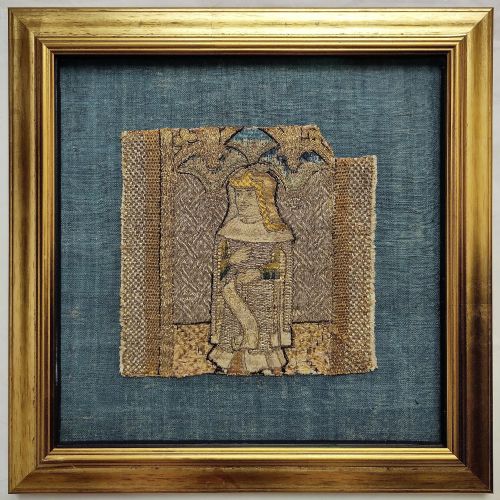
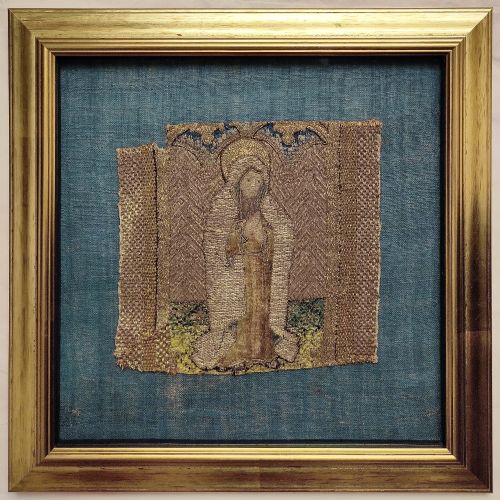
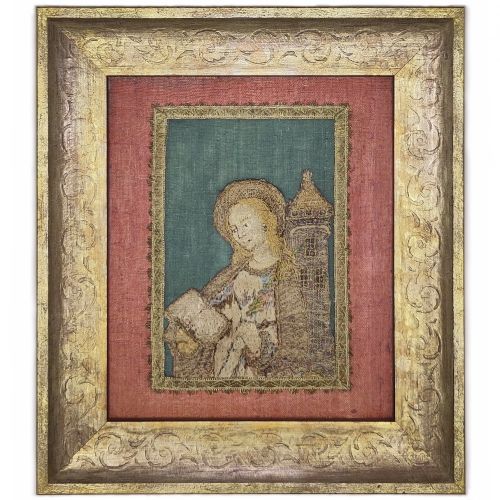
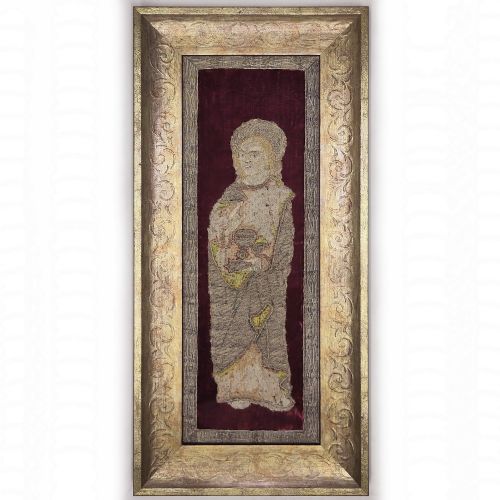
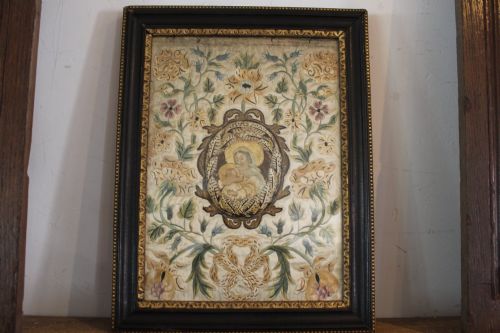
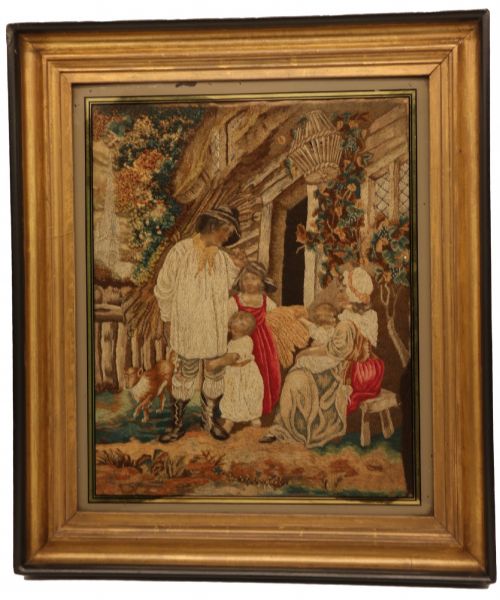
A gold embroidered textile brings centuries of shimmering metallic threadwork, silk, and velvet into a room.
Gold Embroidered Textile
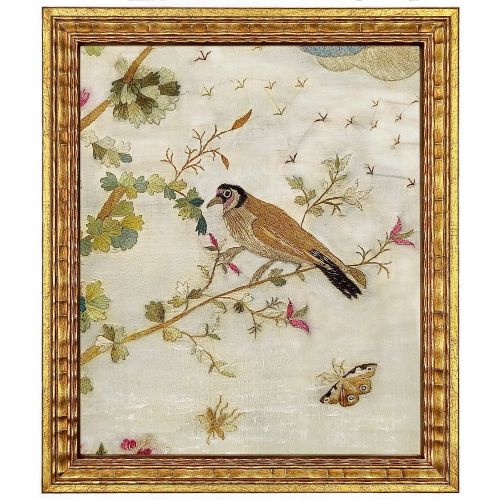
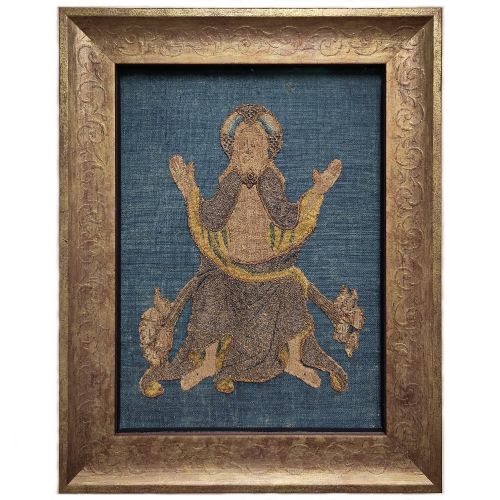
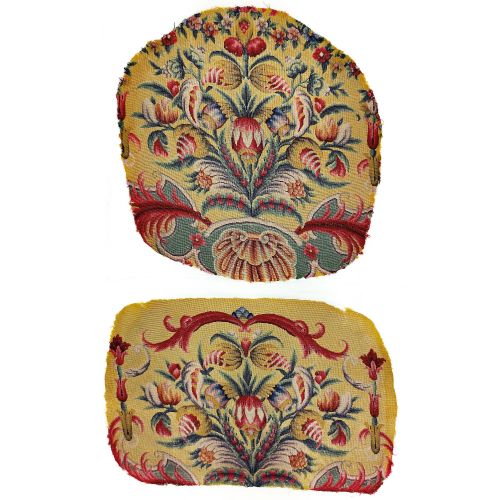
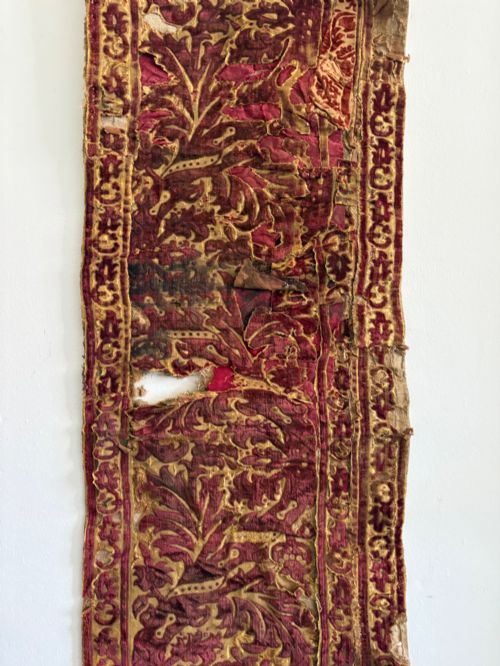
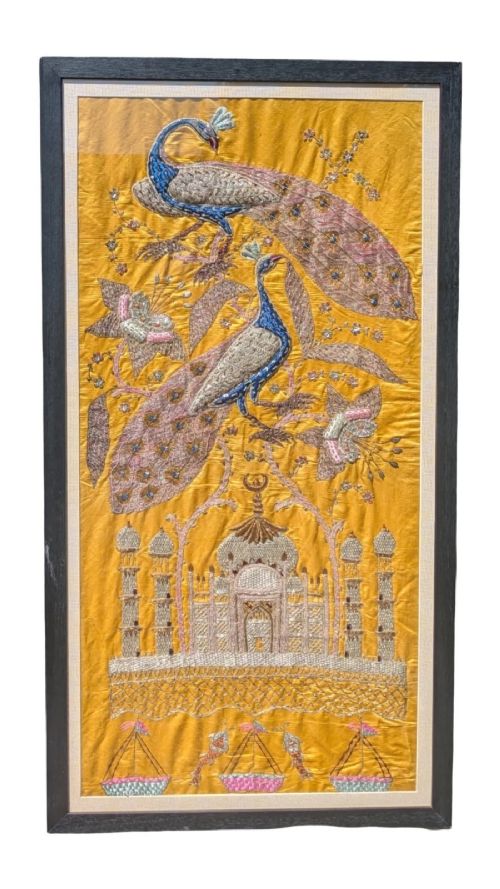
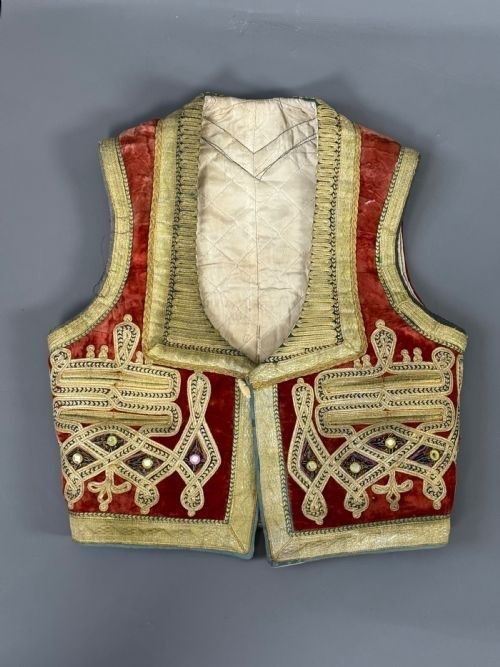
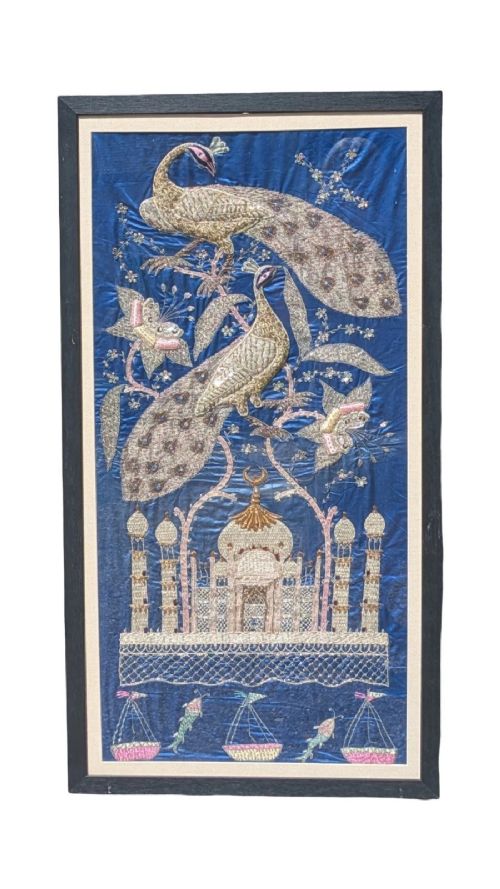
A gold embroidered textile encompasses framed needlework pictures, wall hangings, waistcoats, and panels spanning multiple centuries. Buyers searching this phrase encounter works originating from Ottoman, Indian, Chinese, and European workshops.
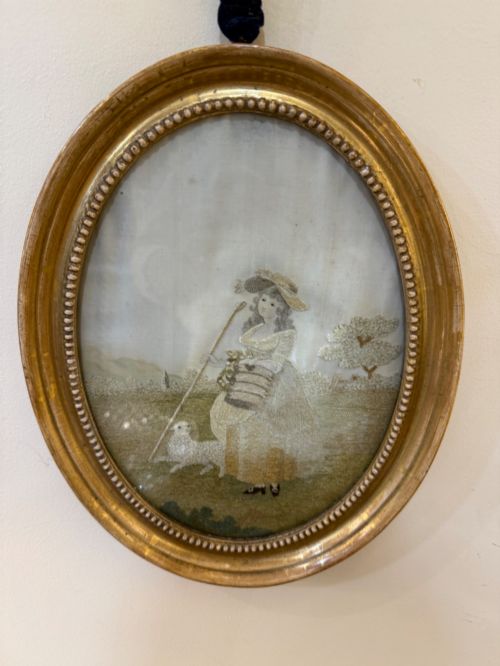
The most common examples on this page are framed 19th century silk needlework pictures and Ottoman garments or fragments. These textiles frequently integrate metallic thread with silk grounds, velvet, and wool.
Pieces range from commemorative military embroidery and theatrical silkwork to traditional wedding shawls and structural wall hangings. Many arrive housed in period giltwood or water-gilded frames.
How they were made
Artisans applied metallic thread, often silver and gold gilt, directly onto grounds of silk, linen, wool, or velvet. Needlework techniques combined hand painting with detailed stitchery to build rich pictorial or geometric surfaces.
Framed works utilised timber frames, occasionally incorporating giltwood and glass to protect the delicate textile beneath. Heavier garments and hangings relied on dense backing fabrics to support the weight of heavy metal threads.
Gold Embroidered Textile Retail Price Guide 2026
Typical asking prices for gold embroidered textile among the pieces listed under this phrase on Sellingantiques today, from the lower quarter to the upper quarter. They describe what is for sale here now, not the wider market.
Listings feature textiles spanning the 16th, 17th, 18th, and 19th centuries alongside early 20th-century pieces.
What varies in quality
The standard of a gold embroidered textile rests upon the precision of the needlework and the complexity of the design. Dense, finely worked metal threads and well-preserved silk grounds distinguish superior examples from simpler ones.
Condition and originality dictate much of the division across the range. Intact metallic lustre, minimal ground fraying, and period frames that match the age of the textile elevate a piece.
The Gold Embroidered Textile Glossary
- Metallic Thread
- A core thread wrapped or flat-wound with metal strips, utilised extensively in traditional embroidery.
- Giltwood
- Timber carved and coated with a thin layer of gold leaf, commonly seen framing antique textile panels.
- Crewel Work
- Embroidery executed in wool onto a fabric ground, frequently appearing in early pieces.
- Cope
- A traditional ecclesiastical vestment worn as a cape, often fashioned from heavy velvet and metal thread.
- Needlework Picture
- A pictorial textile composition executed by hand with thread, usually designed to be framed and hung on a wall.
Gold Embroidered Textile: Frequently Asked Questions
How do I hang a textile safely?
Heavy textiles require professional mounting to distribute weight evenly across the backing fabric. Lighter framed panels hang securely using standard picture hooks suited to the weight of the giltwood frame.
Keep pieces away from direct sunlight to protect silk grounds and metallic threads from fading or tarnishing over time.
How do I clean an antique textile?
Professional textile conservators should handle any cleaning or restoration work. Household cleaning products damage fragile silk fibres and discolour metallic threads.
Dust accumulation can be minimised by gentle, indirect brushing or by keeping the textile behind protective glass in a framed setting.
Are these textiles meant to be worn?
Garments such as Ottoman waistcoats, Qajar jackets, and Chinese robes were originally created for ceremonial or everyday wear. Modern collectors usually display them flat or mounted to preserve the delicate fabrics.
Handling should be kept to a minimum to prevent stress on aged silk and metal thread embroidery.
How do I date an embroidered panel?
Stylistic clues, such as Georgian pictorial themes, Stuart motifs, or Ottoman court patterns, provide initial chronological markers. The material composition, including hand-spun silks and specific metal thread types, helps confirm the century.
Secondary evidence, such as period giltwood frames and backing materials, supports the assigned date of creation.