

Gold Drop Jewellery
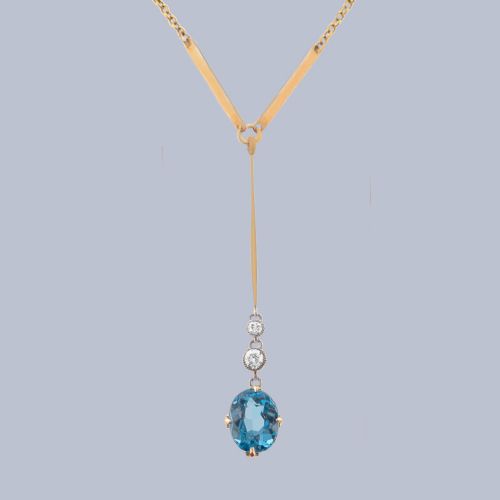
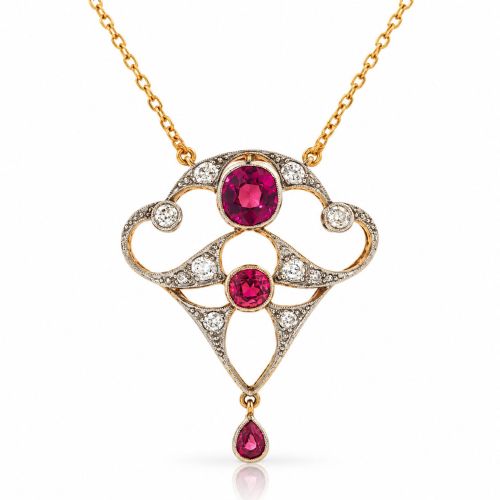
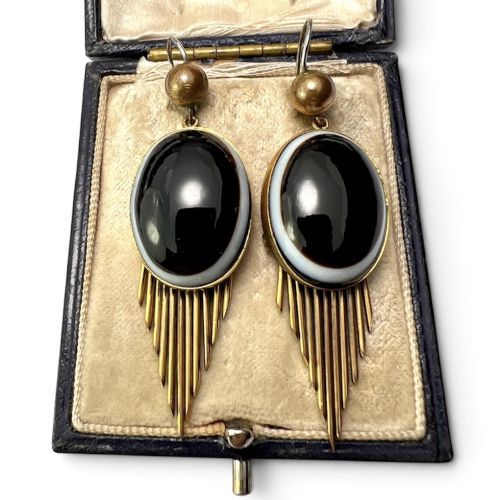
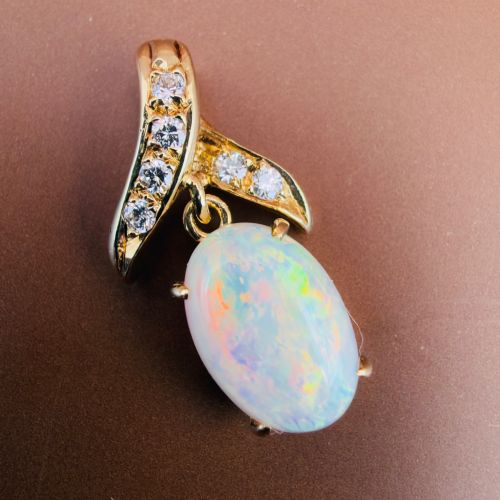
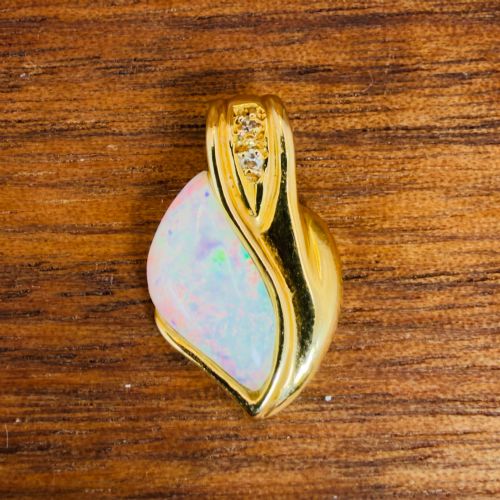
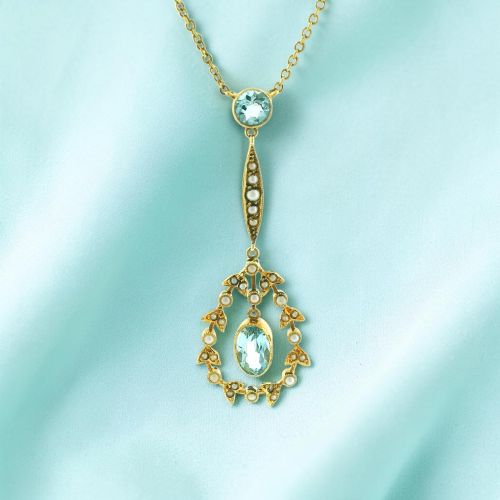
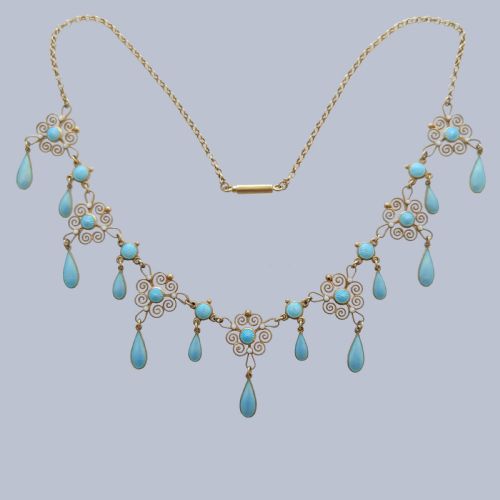
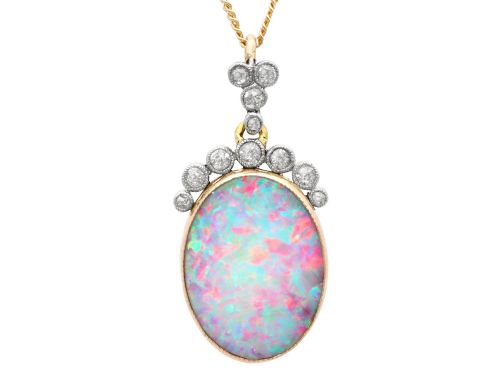
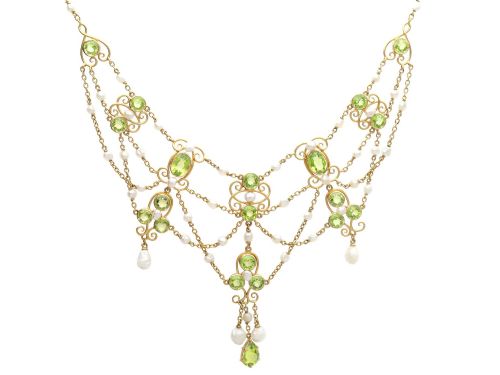
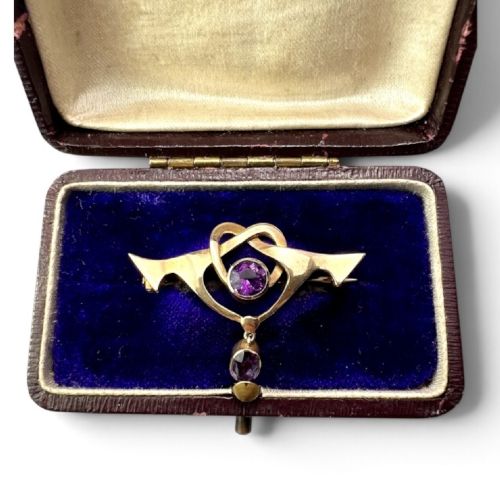
Gold drop jewellery comprises pendants, earrings and necklaces suspended from delicate chains or fittings, capturing light with stones like peridot, amethyst and diamond.
Gold Drop Jewellery
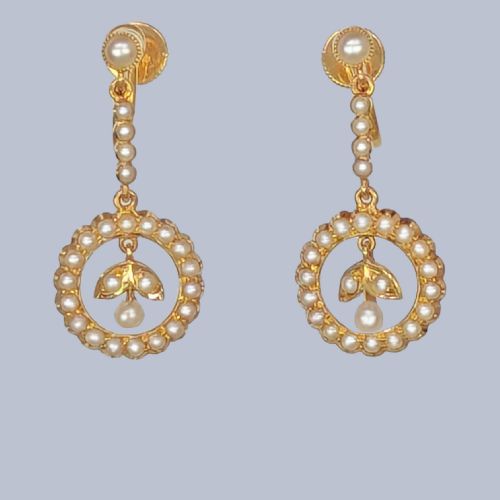
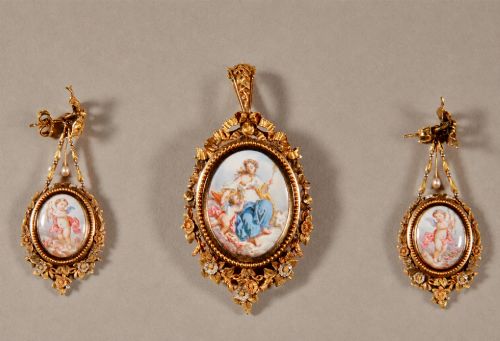
Gold drop jewellery spans distinct eras from the late nineteenth century through to the mid-twentieth century, encompassing Victorian, Edwardian, Art Nouveau and Art Deco designs. Buyers searching for gold drop jewellery encounter earrings, pendants and necklaces that suspend stones or metalwork below the main fitting or earlobe.
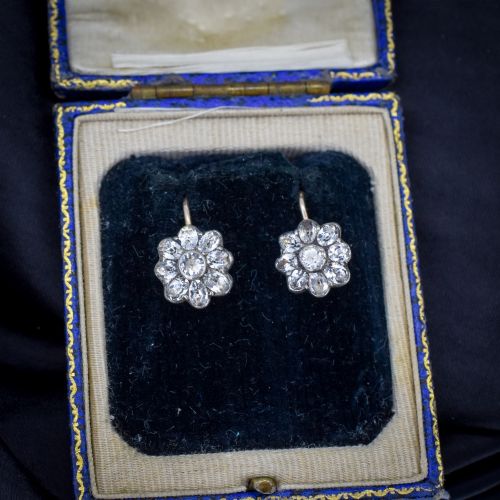
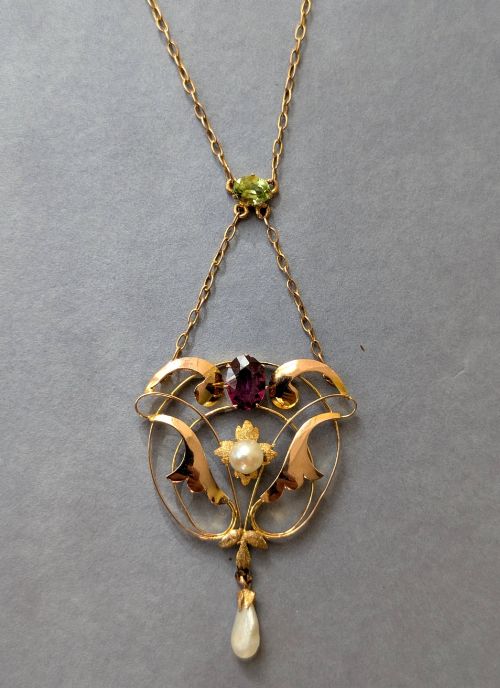
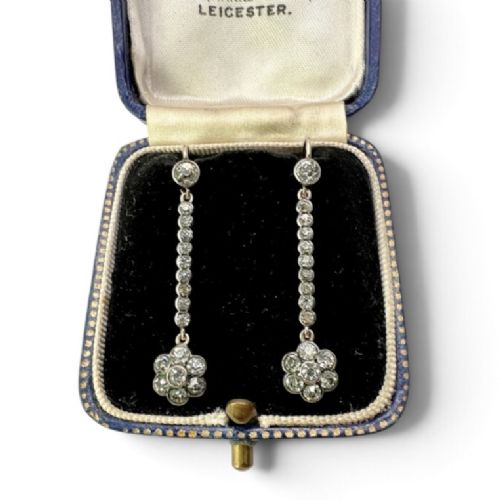
The pieces most frequently met on this page combine yellow or white gold with coloured gems such as peridot, amethyst and opal, alongside diamonds and natural pearls. Configurations range from simple peridot drops in nine carat gold to elaborate Art Nouveau festoon necklaces and diamond cluster earrings.
Materials and Construction
Goldsmiths worked primarily in nine, fifteen and eighteen carat yellow gold, alongside silver-gilt, white gold and platinum settings for diamonds. Metal was often drawn into fine wire, shaped into openwork frames or cast into floral and geometric motifs typical of the period.
Gemstones including sapphires, zircons, garnets and pearls were hand-set using claw, bezel or pave techniques. Enamelling, particularly guilloche work, and delicate filigree further added texture and colour to pendants and earrings.
Gold Drop Jewellery Retail Price Guide 2026
Typical asking prices for gold drop jewellery among the pieces listed under this phrase on Sellingantiques today, from the lower quarter to the upper quarter. They describe what is for sale here now, not the wider market.
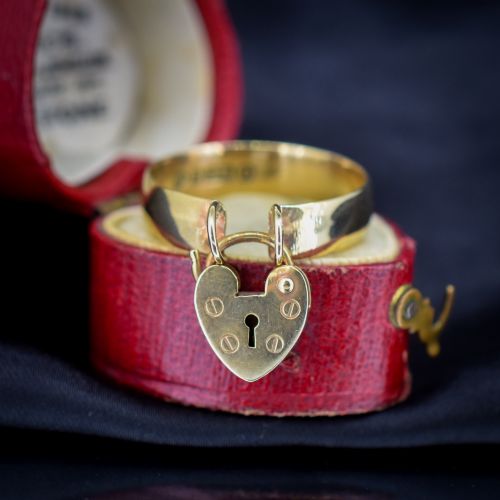
Object types on this page include drop earrings, festoon necklaces, lavaliers, and charm pendants spanning the late nineteenth to mid-twentieth century.
Judging Quality and Craftsmanship
Quality in these items rests upon the precision of the metalwork and the selection of the stones. Finer examples display meticulous hand-pierced openwork, secure settings and well-matched natural gemstones with good clarity and depth of colour.
Subtlety of design distinguishes better workshops, where proportions remain balanced and every component contributes to the fluid movement of the drop. Heavier or mass-produced items sometimes lack the delicate articulation and refinement found in pieces by established makers.
Marius Hammer·Murrle Bennett·Deakin & Francis
The Gold Drop Jewellery Glossary
- Drop earring
- An earring that hangs below the earlobe, typically featuring a stone or ornament suspended from a hook or post.
- Festoon necklace
- A necklace featuring a drape of chains, swags or links across the collarbone, often accented with drops or pendants.
- Guilloche
- A decorative technique where a precise, intricate pattern is mechanically engraved into a metal surface beneath translucent enamel.
- Paste
- Hand-cut and polished lead glass used historically to imitate gemstones in antique jewellery.
- Lavalier
- A pendant featuring a primary stone with one or more smaller stones hanging loosely below it, popular during the Edwardian era.
Gold Drop Jewellery: Frequently Asked Questions
How do I care for antique gold drop earrings?
Store them individually in soft pouches to prevent the delicate drops from scratching or tangling with other items. Clean them gently with a dry microfibre cloth, avoiding harsh chemical dips that can damage pearls, paste or softer gemstones.
Check the hooks and clasps periodically to ensure the security of the settings. Professional cleaning is recommended for pieces with intricate openwork or closed-back stones.
Are these pieces suitable for daily wear?
Many items withstand everyday use if treated with appropriate care, particularly sturdier gold and diamond designs. However, Edwardian and Art Nouveau pieces with delicate filigree, seed pearls or soft stones require a more mindful approach.
Remove necklaces and earrings before sleeping, swimming or participating in physical activities to protect the fine chains and suspended drops from undue strain.
How can I tell an Edwardian pendant from a Victorian one?
Edwardian items frequently employ white gold or platinum-topped settings alongside yellow gold, favouring light, airy motifs like garlands, bows and festoons. Peridots, amethysts and pearls appear commonly in these lighter, symmetrical arrangements.
Victorian pieces tend to be heavier and warmer in tone, often utilising high-carat yellow gold, rich coloured stones and sentimental motifs such as stars, hearts and elaborate bezels.