



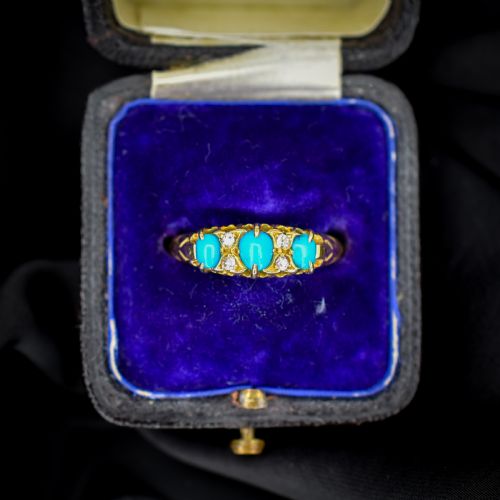
Gold Diamond Boat Ring
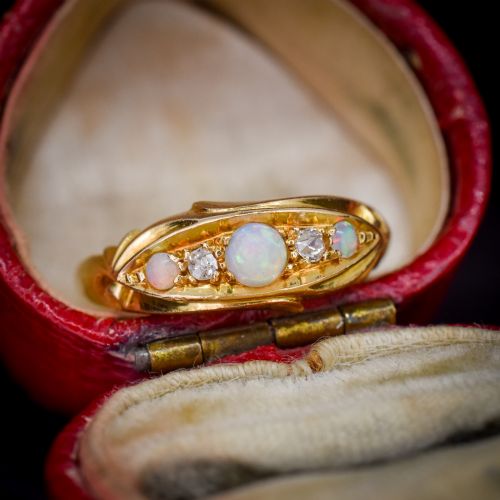
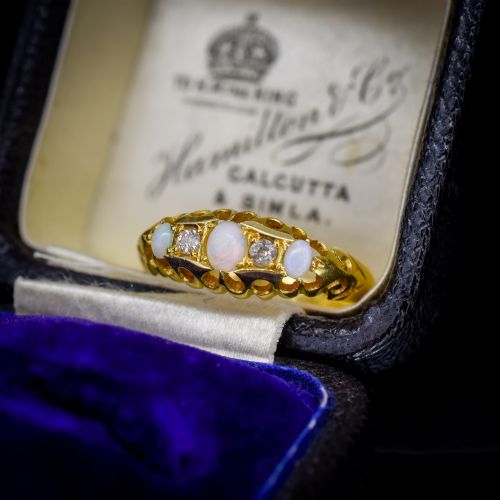
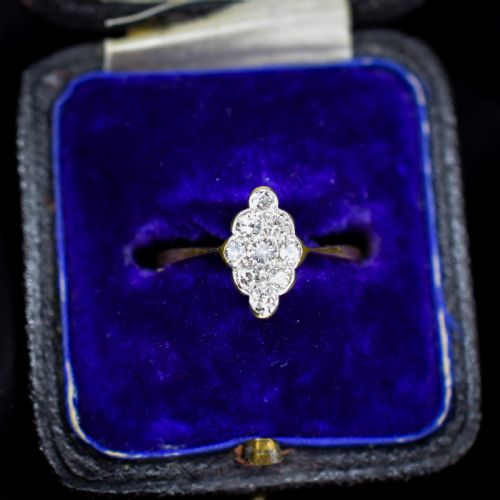
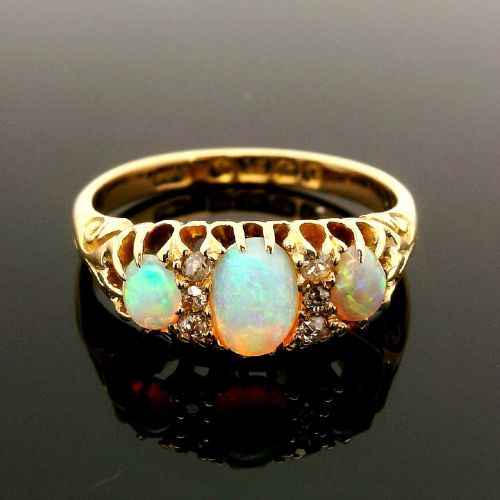
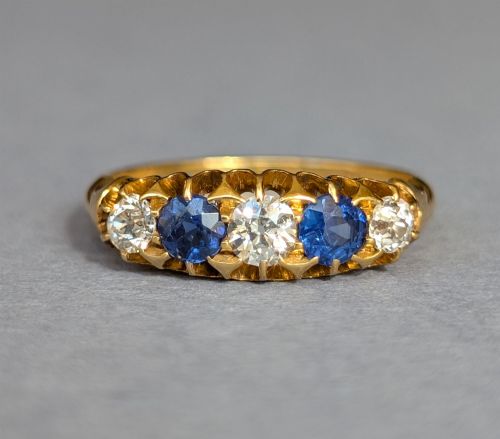
A gold diamond boat ring brings together the elongated, curved silhouette of late Victorian and Edwardian jewellery with bright rows of gemstones.
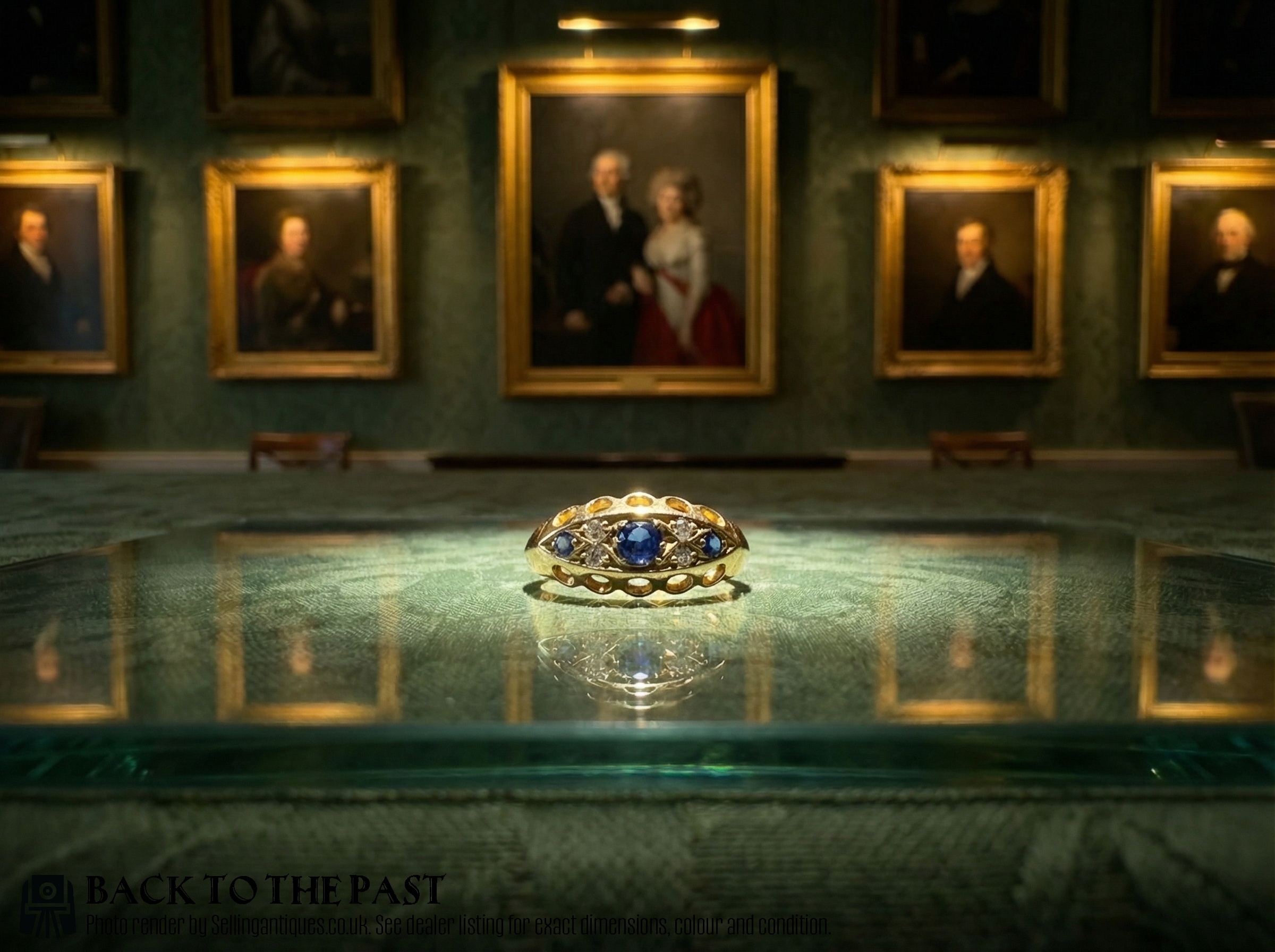
Gold Diamond Boat Ring
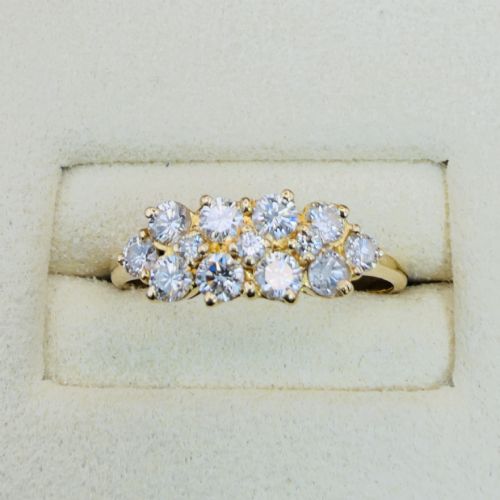
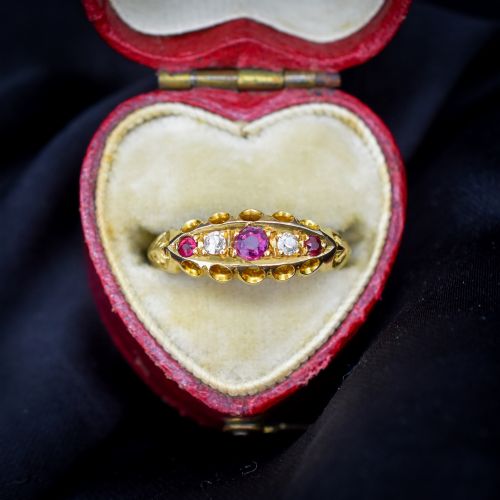
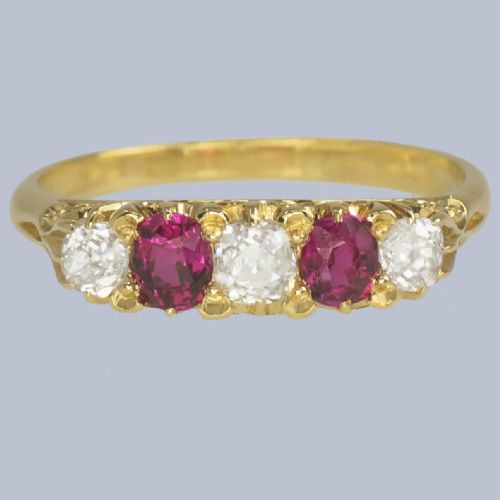
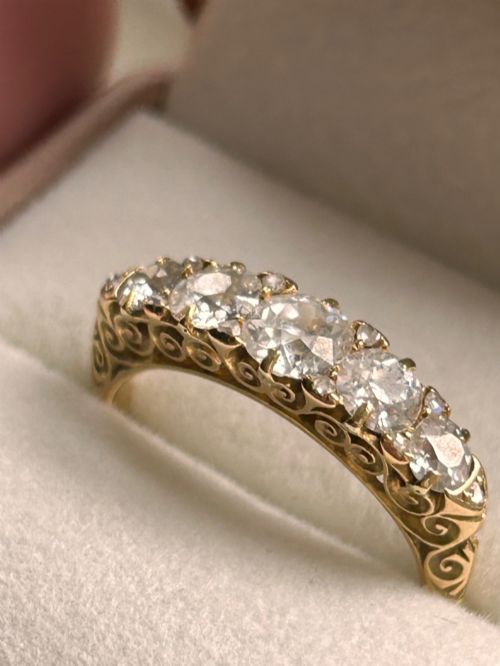
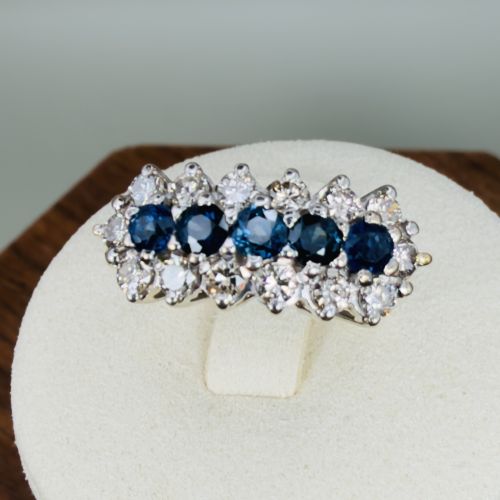
When searching for a gold diamond boat ring, a buyer encounters pieces designed with a gently curving or marquise-like outline that sits low along the finger. These items typically feature a central arrangement of diamonds flanked by graduated stones or accented with coloured gems.
Materials and Construction
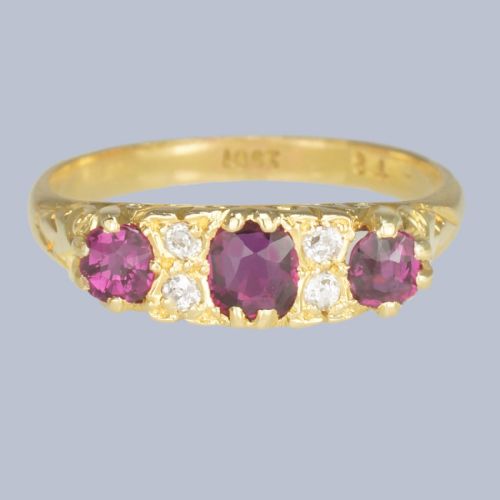
Goldsmiths of the late nineteenth and early twentieth centuries relied heavily on 18ct gold, both yellow and in combination with platinum for later Edwardian and Art Deco pieces. Stones were secured using traditional hand-cut settings, often utilising old mine cut or brilliant cut diamonds alongside calibre or baguette cut sapphires and rubies.
The boat profile was achieved by shaping the gallery to curve outwards from the band, allowing multiple stones to sit horizontally across the finger. Hallmarks struck by regional assay offices such as Chester and Birmingham frequently record the exact year and place of manufacture.
Assay office hallmarks from Chester and Birmingham appear frequently across the regional British entries.
Distinctions in Quality
Quality in these pieces rests upon the crispness of the gallery work and the symmetry of the stone arrangement. Finer examples display precise claw or bezel work that holds each gem securely while maintaining a balanced profile along the finger.
The selection and matching of the stones also dictate distinction. Superior rings unite diamonds and coloured gems of consistent cut, colour, and liveliness, whereas simpler work relies on heavier metal mass to fill the design.
The Gold Diamond Boat Ring Glossary
- Boat ring
- A ring featuring a curved, elongated mounting that resembles the hull of a boat. This silhouette was particularly popular during the Victorian and Edwardian eras.
- Navette
- A pointed, oval shape resembling a little ship, often applied to rings with an extended horizontal axis. It provides a larger visual presence on the hand.
- Old cut diamond
- A diamond cut by hand before modern machinery, typically possessing a smaller table, a higher crown, and a deep culet. These stones catch candlelight and lower lighting with a distinctive charm.
- Hallmark
- An official mark stamped into precious metals indicating the purity of the gold, the assay office, and the year of manufacture. British marks provide a reliable guide to dating a piece.
- Cluster ring
- A ring design where a central stone is surrounded by a cluster of smaller gems. In boat configurations, these stones follow the curving contour of the mount.
Gold Diamond Boat Ring: Frequently Asked Questions
What is a gold diamond boat ring?
A gold diamond boat ring is a historic piece of finger jewellery characterised by an elongated, curved mount that sits horizontally across the hand. It typically combines diamonds with gold and sometimes coloured gemstones.
These designs emerged strongly in the Victorian period and continued through the Edwardian era and into the early twentieth century, offering a distinctive profile compared to round cluster rings.
How do I wear a boat ring daily?
Living with an antique boat ring involves mindful wear, particularly given the lower profile and delicate hand-settings of the nineteenth and early twentieth centuries. Removing the ring during heavy manual tasks protects the gold mount and the stones.
Because many examples feature delicate opal, turquoise, or pearl elements alongside diamonds, keeping the piece away from harsh chemicals and ultrasonic cleaners preserves the integrity of the materials.
How can I tell a Victorian boat ring from an Edwardian one?
Victorian boat rings often feature heavier 18ct yellow gold mounts, sometimes paired with old mine cut diamonds and rich rubies or sapphires. Chester and Birmingham hallmarks from the 1880s and 1890s frequently date these pieces.
Edwardian and later examples frequently introduce platinum to mount the diamonds, creating a whiter surface that contrasts with the yellow gold band. The work tends towards lighter, airier scroll motifs and delicate openwork galleries.
What gems accompany diamonds in these rings?
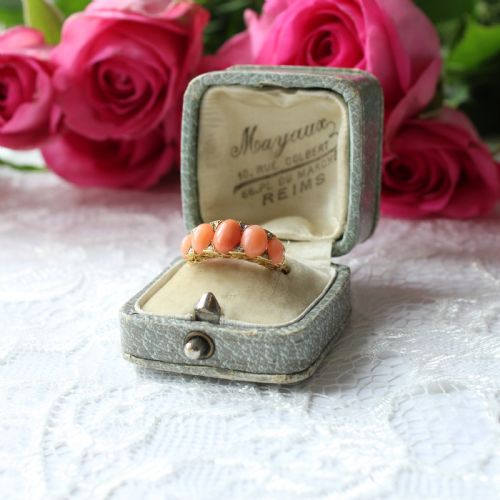
Natural sapphires and rubies appear frequently alongside diamonds in these boat-shaped mounts, creating alternating colour patterns or contrasting borders. Opals, turquoise, and pearls also occur in nineteenth-century examples.
Coloured gemstones were selected to complement the sparkle of the diamonds, ranging from deep blue sapphires to vibrant red rubies set within the 18ct gold framework.