
Gold Dial Mechanical Watch
A gold dial mechanical watch offers a dependable timepiece spanning Victorian pocket designs to Mid-Century Modern wrist styles.
Gold Dial Mechanical Watch
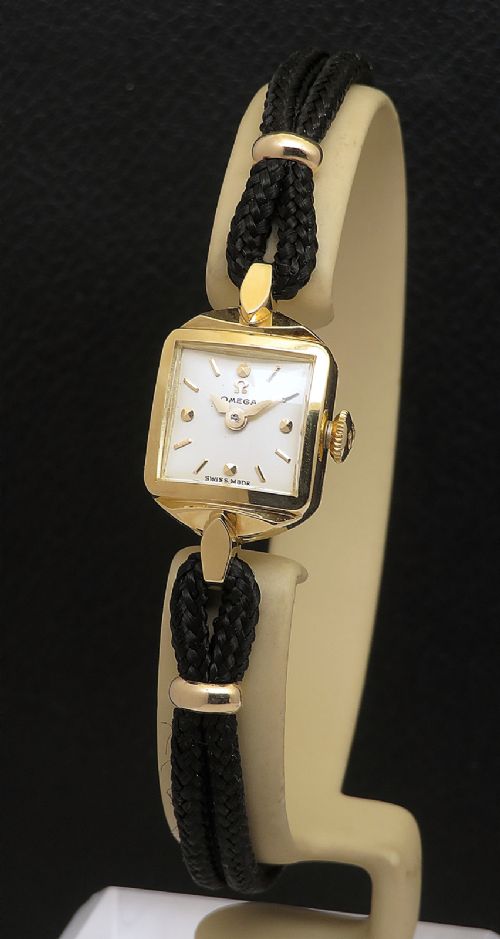
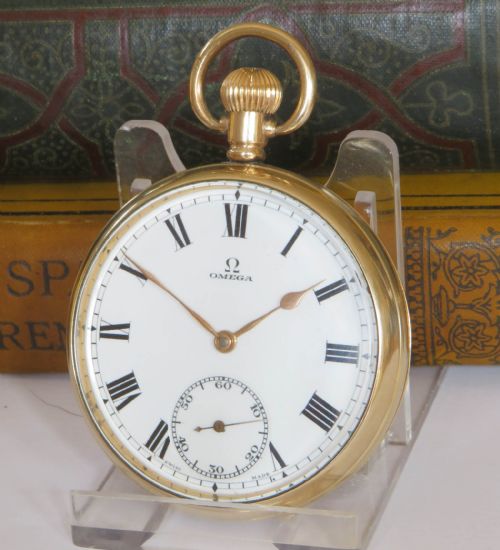
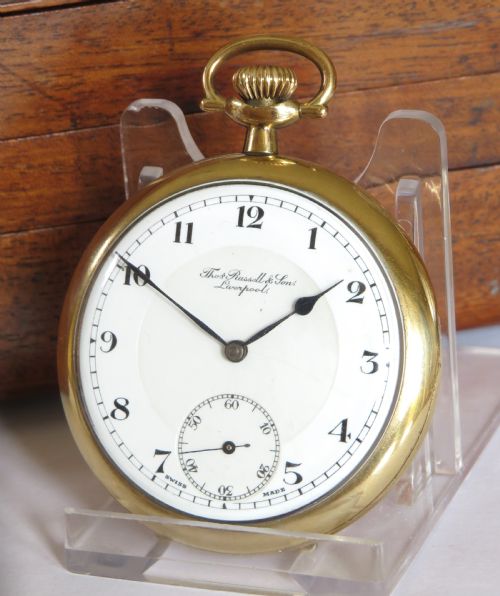
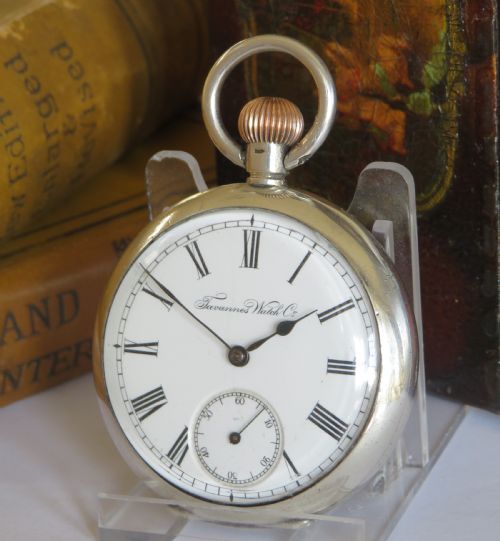
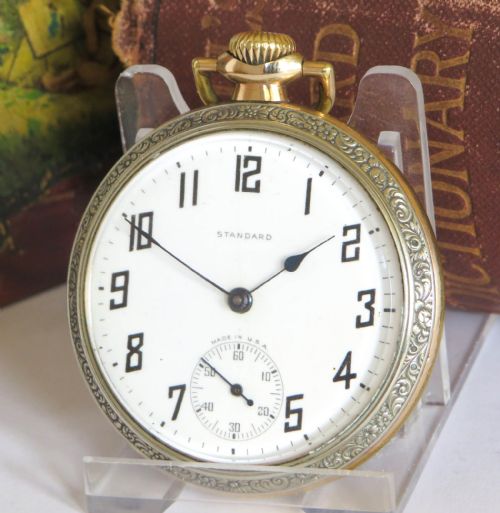
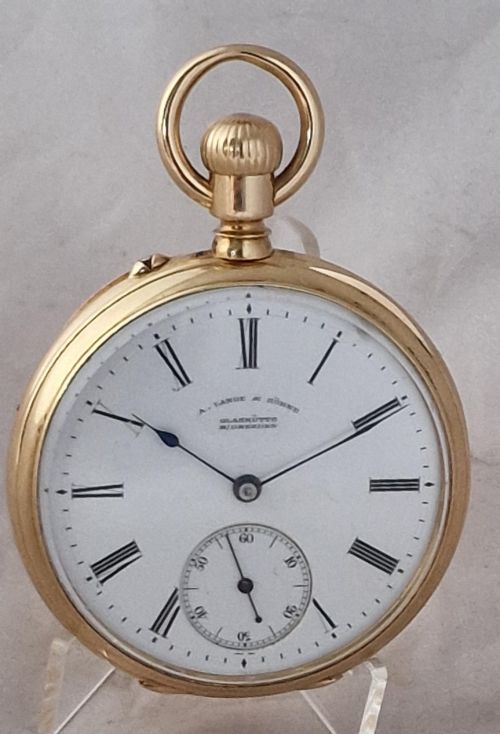
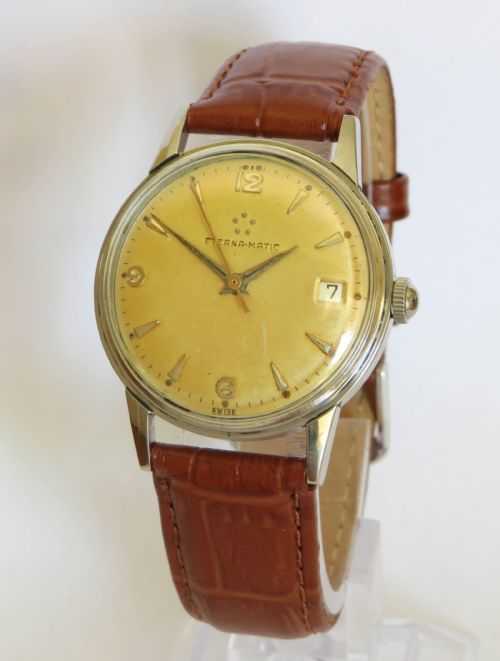
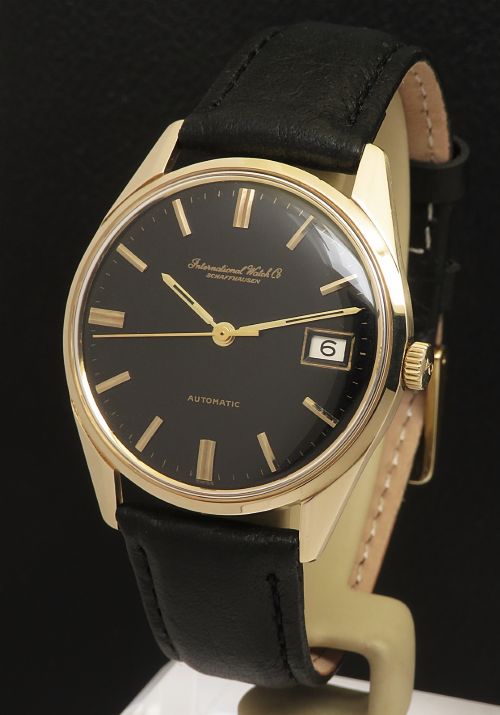
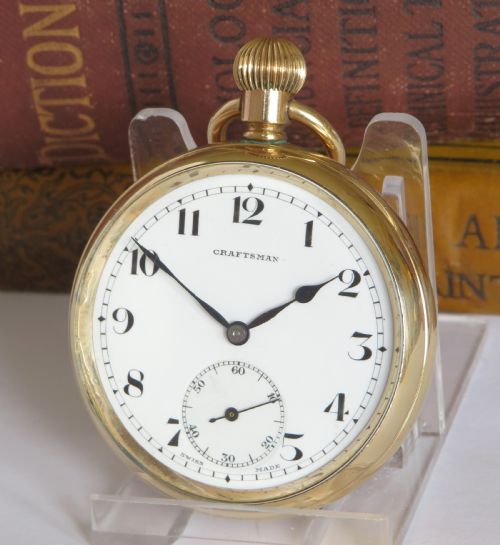
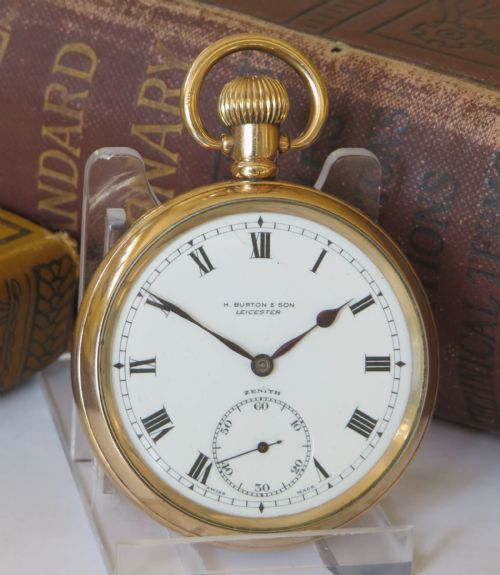
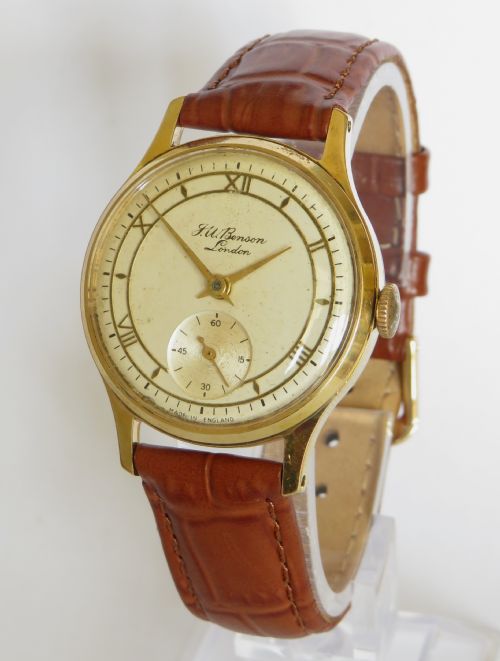
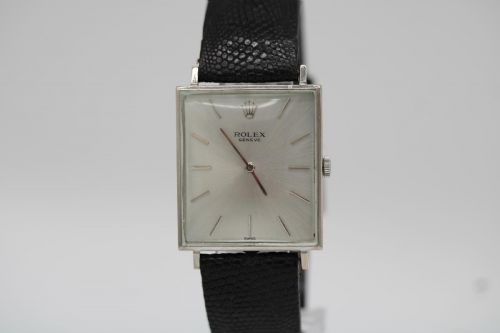
When searching for a gold dial mechanical watch, buyers encounter both pocket watches and wristwatches originating from periods like the Victorian era, Edwardian period, Art Deco years, and Mid-Century Modern decades. These timepieces encompass traditional pocket formats alongside gents and ladies wristwatches driven by mechanical movements.
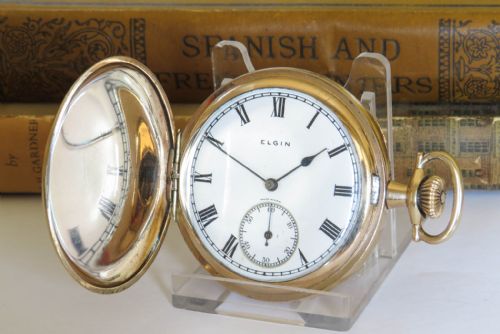
The selection ranges from early twentieth-century pocket pieces by makers such as Waltham and Elgin to mid-century wristwatches by brands like Omega, Tissot, and Zenith. Many examples feature solid 9ct gold cases or gold plate alongside glass crystals and leather straps.
How a gold dial mechanical watch was made
Makers constructed cases using solid 9ct gold, 18ct gold, gold plate, stainless steel, and silver, pairing them with glass or acrylic crystals over the dials. Leather formed the primary material for wrist watch straps accompanying these mechanical movements.
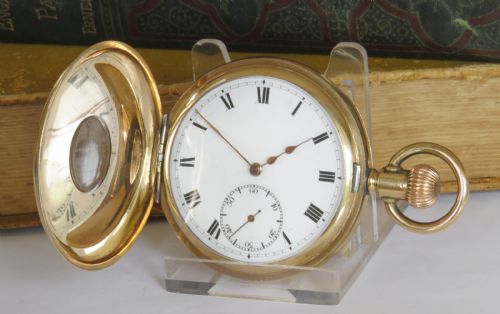
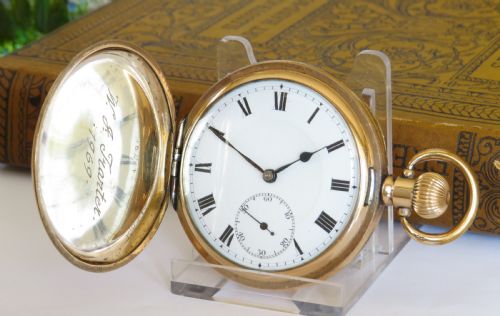
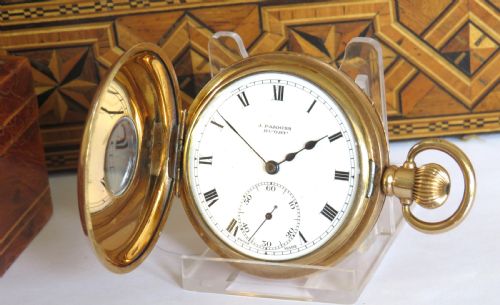
Pocket watch variations include full hunter and half hunter designs, which often incorporated enamel details on the dial face alongside metal cases secured by stem winding mechanisms.
Half hunter pocket watches let busy Victorians steal a glance at the time without the social faux pas of opening a pocket watch fully.
What varies in quality in a gold dial mechanical watch
The standard of a gold dial mechanical watch depends on the precision of its movement and the integrity of its case materials, such as solid 18ct or 9ct gold versus gold plate. Pieces carrying chronometer certification or original packaging demonstrate a higher tier of production.
The preservation of original dials, hands, straps, and buckles distinguishes top-tier examples from those with replaced components or heavily worn cases across Victorian, Art Deco, and Mid-Century pieces.
Omega·Thomas Russell and Son·Waltham·Zenith·Elgin·Cyma·Tissot·IWC·Revue·Avia
The Gold Dial Mechanical Watch Glossary
- Half hunter
- A pocket watch case featuring a small glass or open circle in the outer cover, allowing the user to read the time without opening the case. This design protected the delicate enamel dial beneath.
- Full hunter
- A pocket watch fitted with a solid spring-loaded metal cover that completely encloses and shields the dial and glass. The cover springs open via a push-piece on the crown.
- Chronometer
- A high-precision watch movement tested and certified to keep accurate time under various temperatures and positions. These movements represent superior mechanical engineering.
- Stem winding
- A mechanism that allows the watch to be wound via the crown at the top of the case rather than through a separate key. This development became standard in later pocket and wrist watches.
Gold Dial Mechanical Watch: Frequently Asked Questions
How do I wind a mechanical watch?
Wind the crown clockwise between your thumb and forefinger until you feel gentle resistance. Stop immediately at that point to avoid overwinding and damaging the internal mainspring.
For daily wear, wind the watch at the same time each morning to maintain consistent tension and accurate timekeeping throughout the day.
Are these watches waterproof?
Most vintage and antique mechanical watches lack modern waterproof seals. Moisture can easily bypass the crown and crystal, leading to rust on the delicate steel components inside.
Keep your watch away from water, rain, and humidity during daily wear to preserve the movement and the dial.
How do I date a vintage watch?
Examine the movement serial number or the hallmarks stamped inside the case back. These marks often correspond to specific production years recorded by the manufacturer or assay office.
Matching the styling cues, such as Art Deco numerals or Mid-Century Modern case shapes, also helps narrow down the decade of manufacture.