
Gold Desk Lamp
A gold desk lamp brings a warm metallic gleam to a study, and these pieces span heavy Victorian brass columns to sleek Art Deco adjustable forms.
Gold Desk Lamp
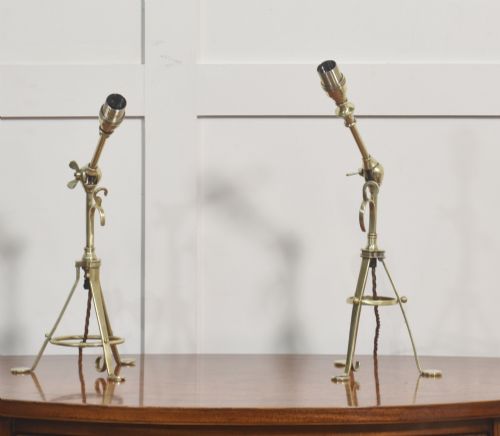
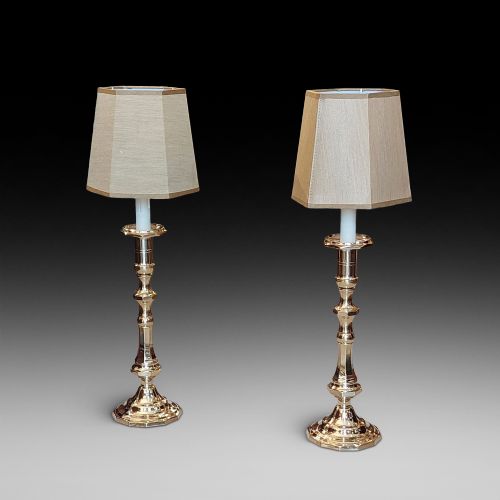
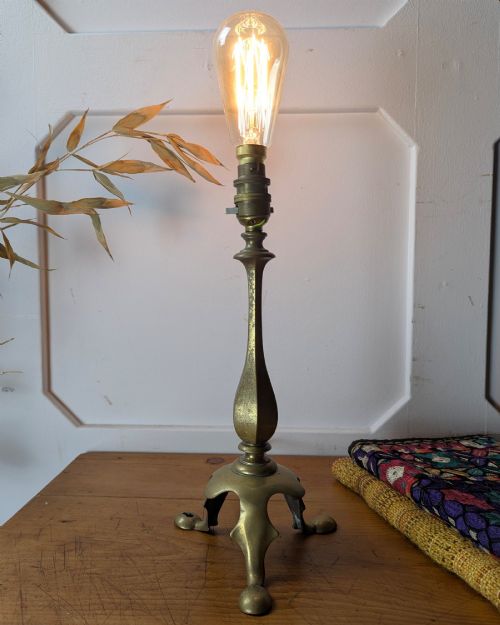
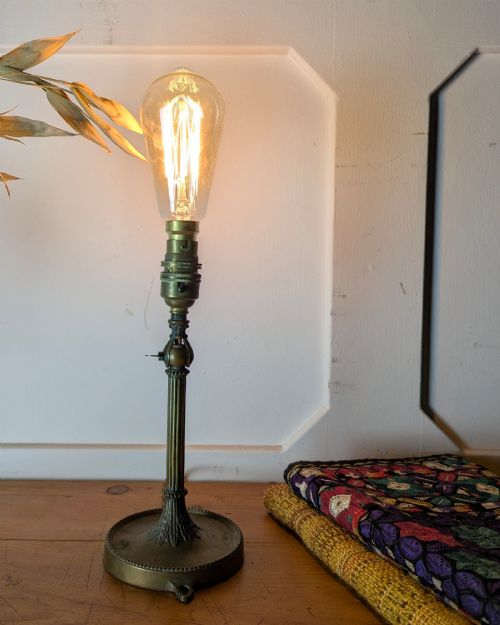
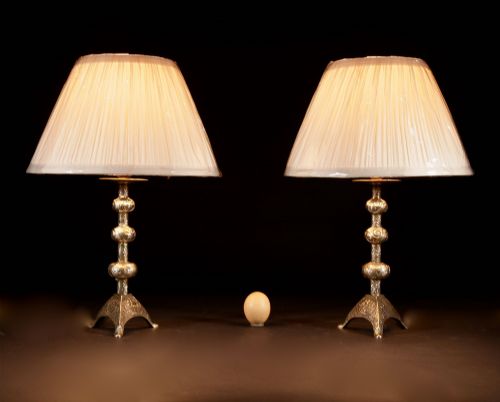
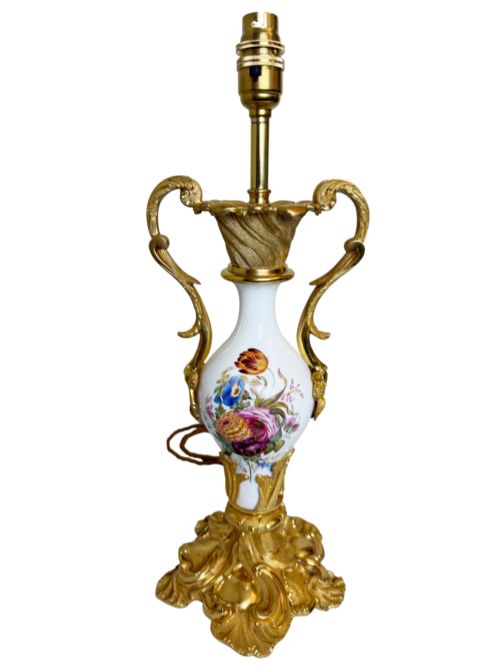
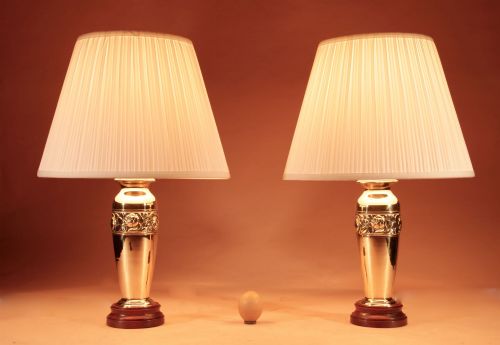
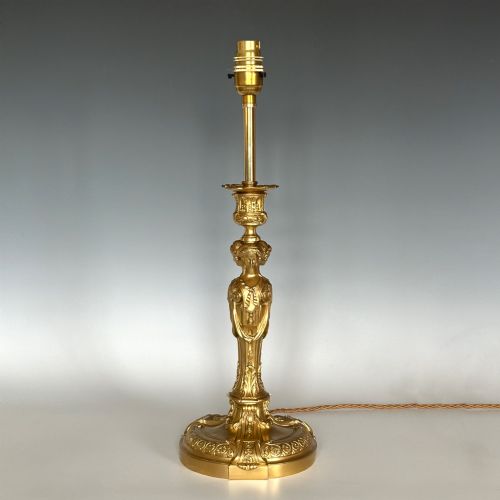
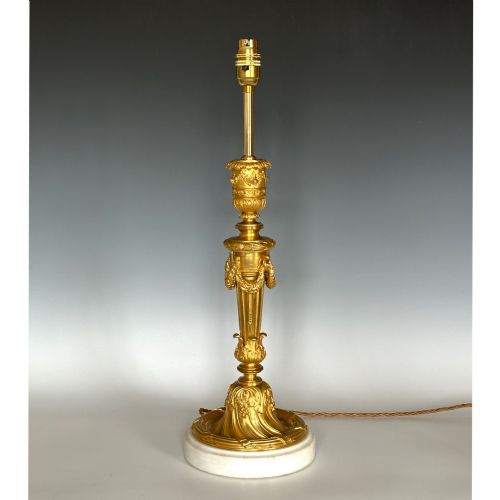
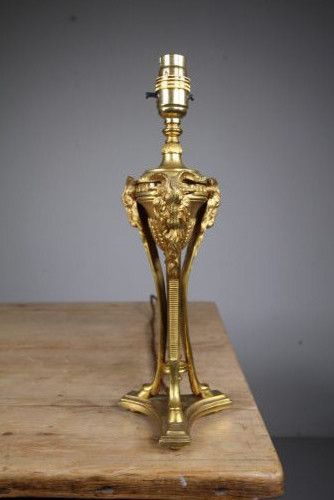
A gold desk lamp in this collection typically takes the form of a brass or gilt bronze table light, often adapted from earlier candlesticks or engineered as an adjustable workspace fixture.
The pieces stretch from the eighteenth century through the Victorian and Edwardian eras into the 1920s, with classical revival styles sitting alongside industrial flexible designs.
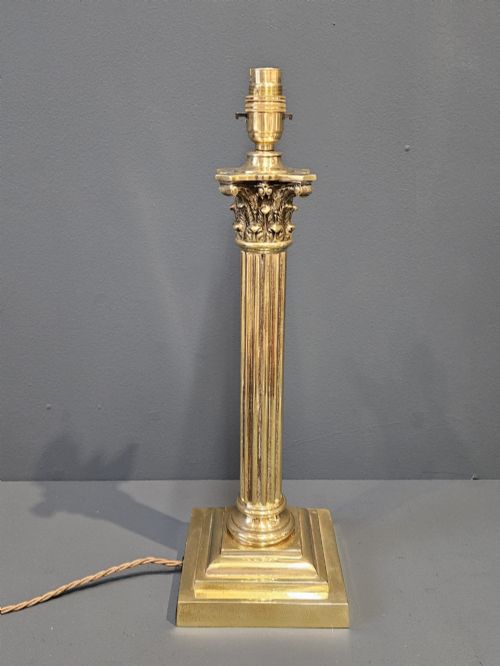
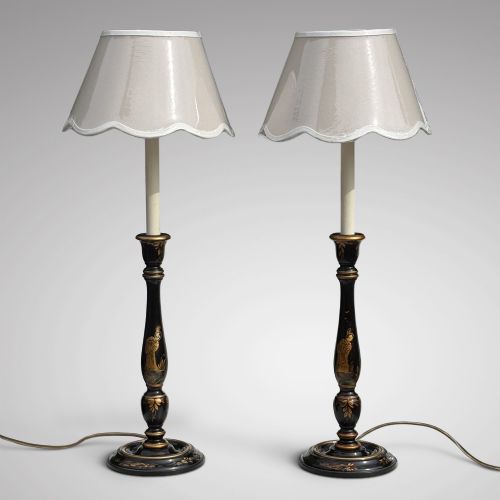
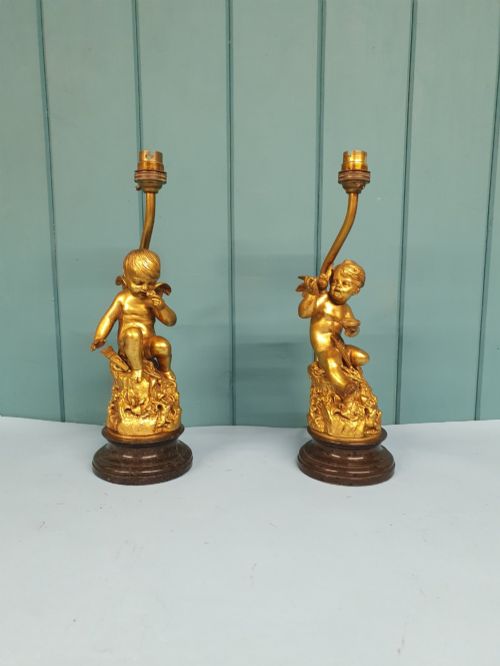
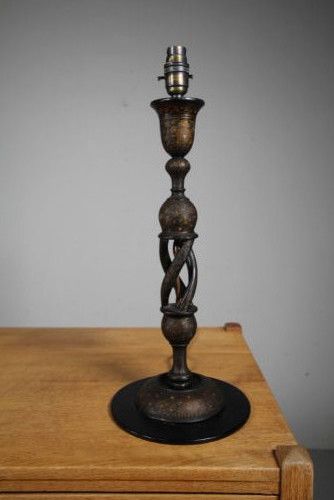
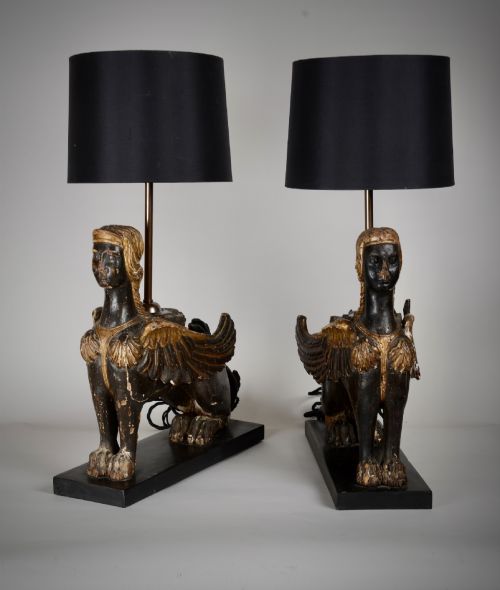
Buyers meet sturdy Corinthian column designs alongside lacquered Chinoiserie cylinders and heavy cast bronze figures.
Materials and Construction
Makers utilised cast brass, gilt bronze, and ormolu, frequently combining these metals with marble bases, glass shades, or hand-painted fabric.
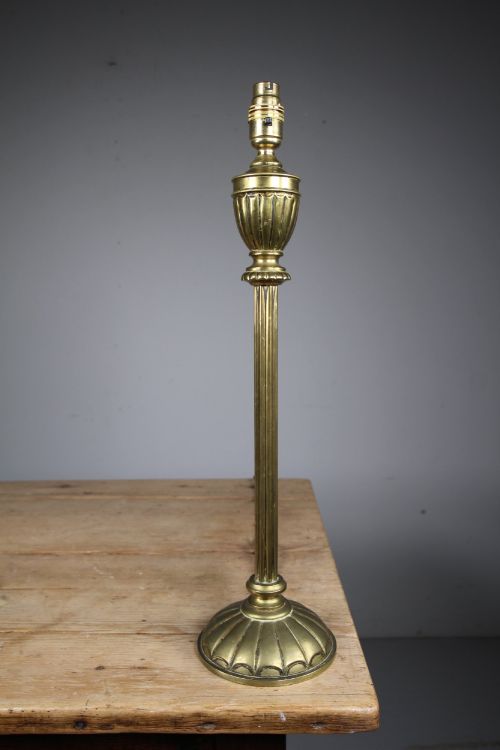
Many structural examples began life as oil lamps or candlesticks before conversion to electricity, while others utilised adjustable articulated arms for desk work.
Listings feature brass, gilt bronze, and ormolu across styles spanning Gothic Revival, Art Deco, and Neoclassical periods.
Quality and Execution
The distinction between standard production and superior pieces lies in the crispness of the cast ornament, particularly on acanthus capitals and figural bases.
Weight and finishing set items apart, as heavier gauge brass and deeply chased gilt bronze retain sharper detail than lighter pressed metal alternatives.
W.A.S. Benson·Franz Bergman·L & F Moreau
The Gold Desk Lamp Glossary
- Ormolu
- Gilded bronze, produced by applying a mercury and gold amalgam to a bronze casting and firing it until the mercury burns off. This technique creates a rich, matte golden surface seen on French neoclassical and Louis XV style lamps.
- Corinthian column
- A classical architectural column design featuring an ornate capital decorated with acanthus leaves. Many Victorian and Edwardian desk lamps adopt this specific pillar form.
- Toleware
- Painted or lacquered sheet metal items, often finished in rich metallic or coloured tones. These appear on functional desk lamps and reading lights.
- Cold-painted bronze
- A sculptural bronze technique where the metal is painted with natural cold colours rather than fired in a kiln. Franz Bergman utilised this method on figural lamp bases.
Gold Desk Lamp: Frequently Asked Questions
Are these lamps safe to plug in?
Many antique lamps require rewiring to meet modern electrical standards, and several examples in this selection arrive newly rewired for immediate use.
Buyers should consult a qualified electrician to inspect older fittings and ensure compliance with current safety regulations.
How do I date a brass lamp?
Dating relies on manufacturing techniques, such as heavy sand casting versus machine stamping, alongside stylistic clues from periods like the Victorian Gothic revival or 1920s Art Deco.
Weight, patina, and the method of assembly also provide clear indicators of whether a piece originates from the nineteenth century or later.
Can I adjust the angle of these lights?
Certain pieces, particularly those from the early twentieth century, incorporate flexible arms or adjustable joints specifically designed for illumination over a desk.
Traditional column lamps and candlestick conversions remain fixed in height and direction.
What is the difference between brass and ormolu?
Brass is an alloy of copper and zinc that maintains a bright golden metallic appearance throughout its structure, while ormolu is a surface gilding applied to a bronze base.
Ormolu displays a deeper, warmer golden tone and more intricate chased detailing than standard cast brass.