
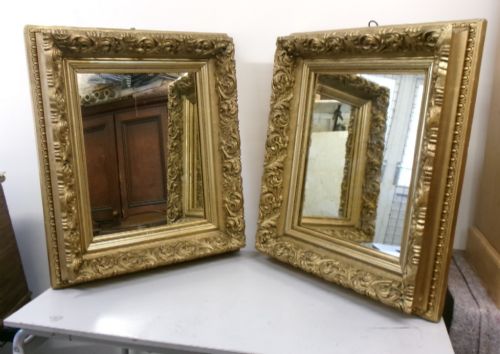


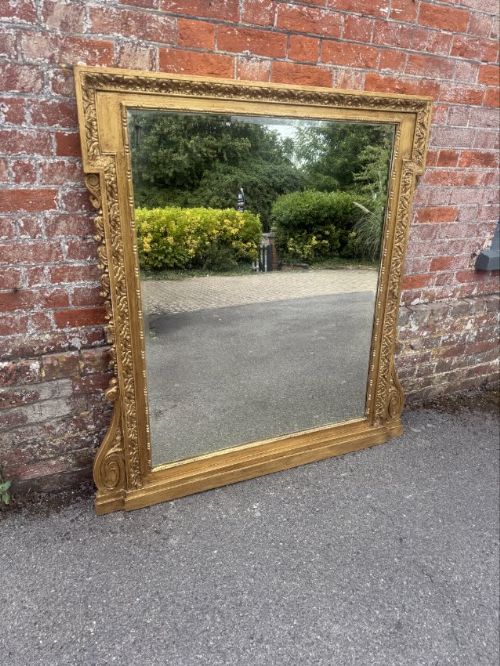
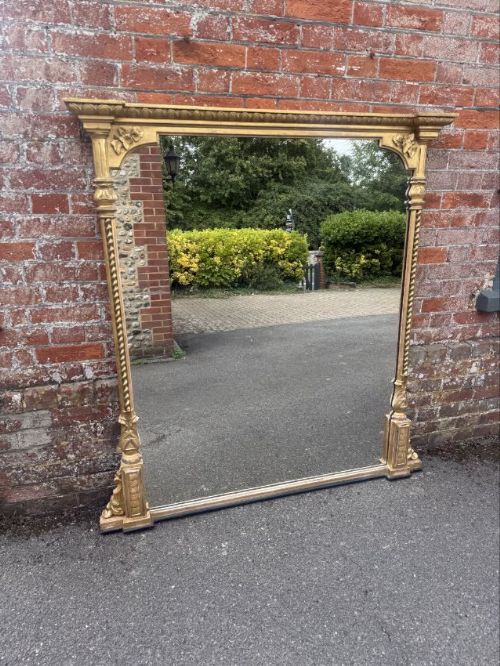
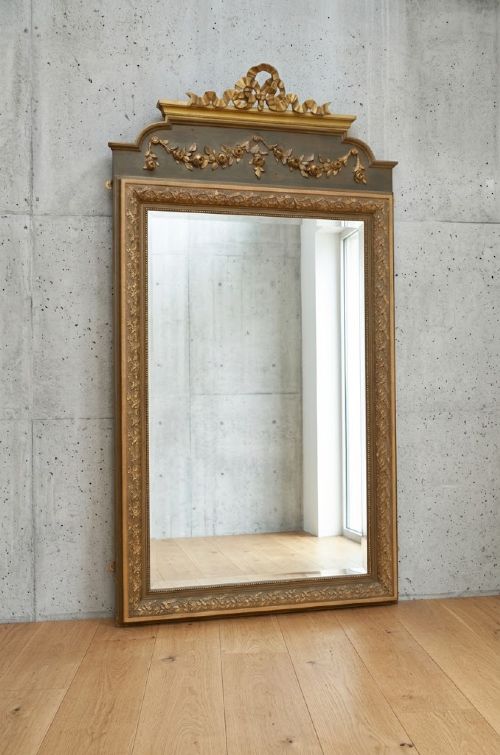
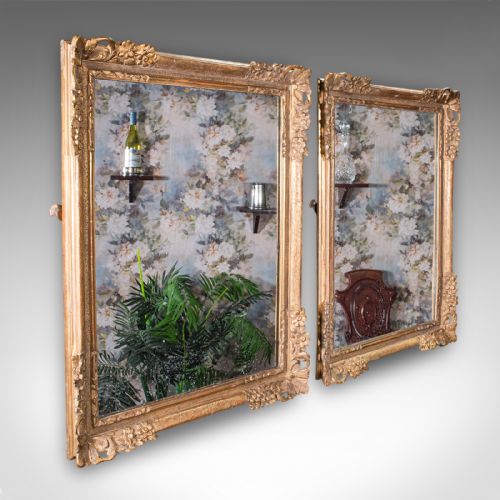
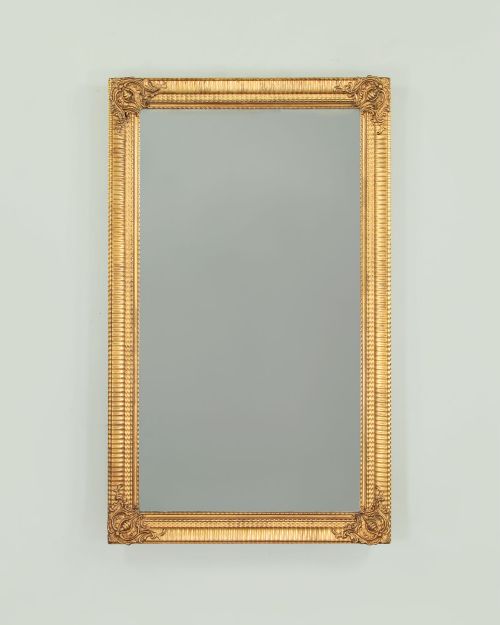
Gold Carved Frame Mirror
When you search for a gold carved frame mirror, you are looking at centuries of craftsmanship designed to catch and reflect light in grand interiors.
Gold Carved Frame Mirror
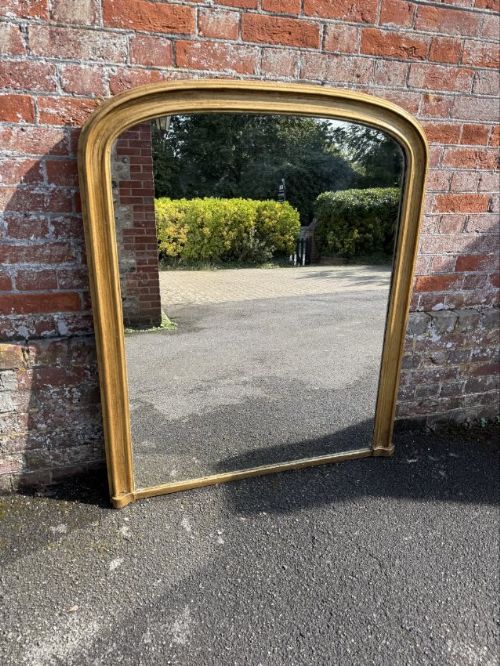
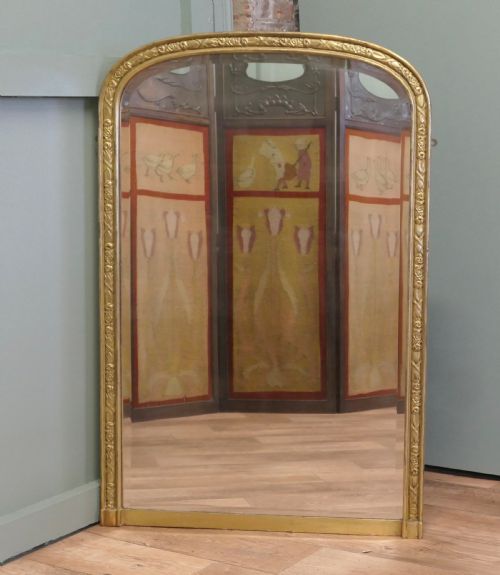
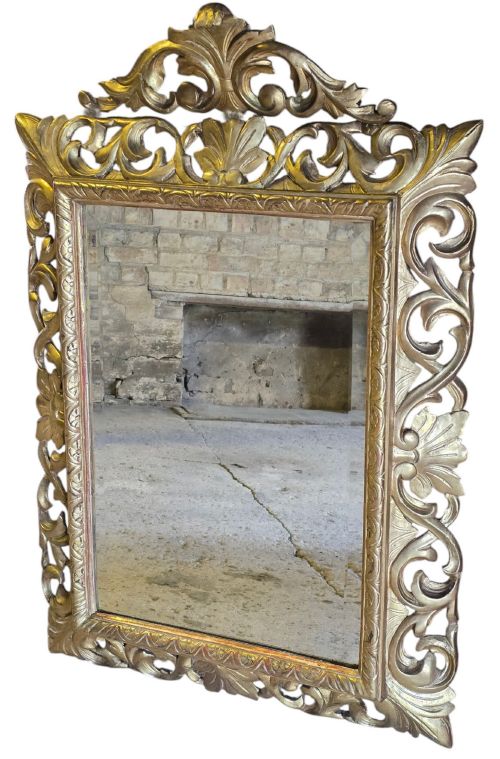
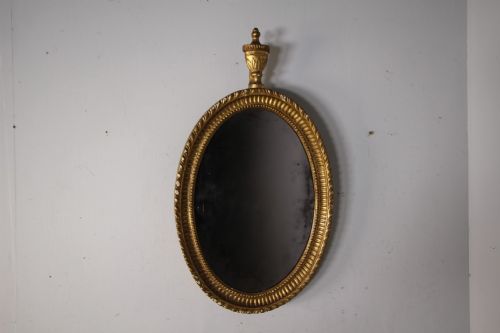
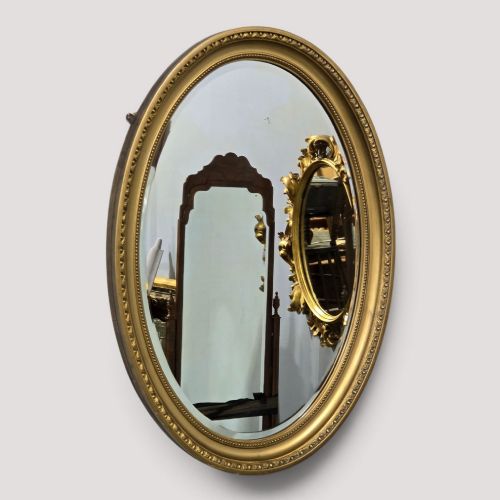
A gold carved frame mirror encompasses substantial wall mirrors, overmantels, pier glasses, and girandoles designed for prominent interior placement. The selection spans the eighteenth and nineteenth centuries, taking forms from simple oval wall pieces to large arched overmantels meant to sit above mantelpieces.
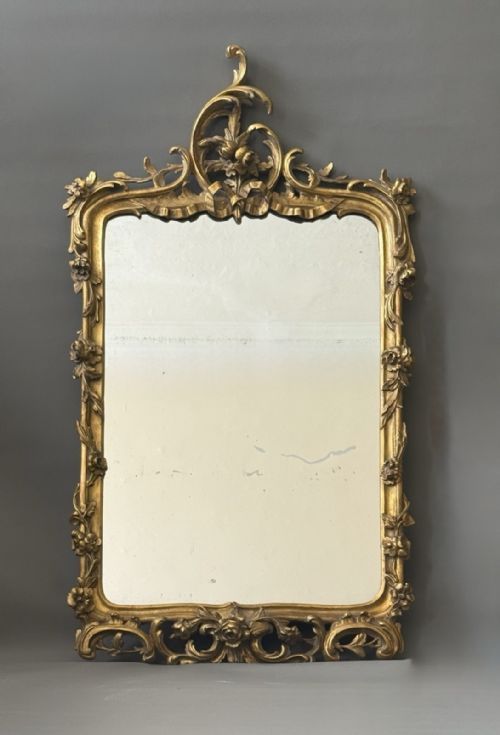
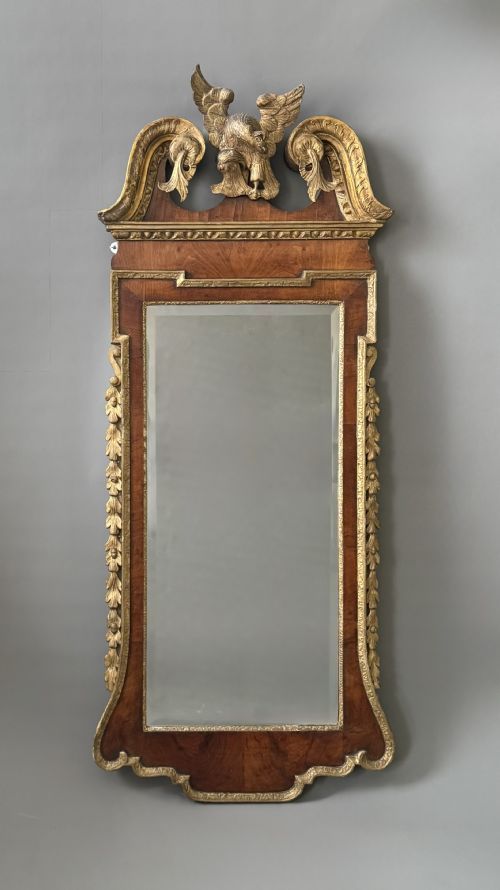
The pieces originating from English and French workshops dominate the selection, showing distinct regional tastes in carving and profile. French examples often lean towards Rococo Revival and Louis Philippe styles, while English pieces frequently exhibit Victorian, Regency, or Georgian proportions.
Materials and Construction
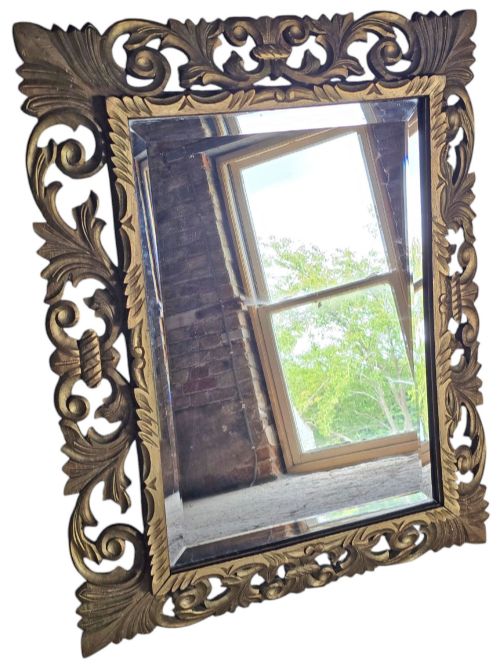
Makers shaped these frames primarily from carved wood, timber, and walnut, building up intricate surface detail with layers of gesso applied over the base. Composition material was frequently used alongside carved wood to achieve high-relief ornamentation such as acanthus leaves, scrollwork, and rope twists.
Guilders applied gold leaf or gold paint over the prepared surfaces to achieve a brilliant metallic finish that aged distinctively over time. Glass plates, including antique mercury glass and bevelled mirror plates, were set within these frames, sometimes showing foxing from age.
Some nineteenth-century mirrors still retain traces of old coal smoke trapped in the deepest recesses of their heavy acanthus leaf carvings.
Factors That Determine Quality
The depth and crispness of the hand-carved ornamentation separate exceptional frames from simpler production pieces, particularly where gesso has been modelled with fine botanical detail rather than cast mechanically. Superior examples retain their original gilding and structural integrity without excessive rebuilding of the wooden carcass.
The integration of the glass plate matters greatly, with original antique mercury plates or heavy bevelled glass adding considerable authenticity and depth to the reflection. Heavier frames constructed from solid timber with robust joinery indicate superior workshop standards from the period.
The Gold Carved Frame Mirror Glossary
- Gesso
- A plaster-like mixture applied to wood frames to create a smooth surface for gilding. It allows carvers to achieve sharp, high-relief decorative details.
- Giltwood
- Timber that has been coated with gold leaf or gilding. This material forms the primary structure of many antique decorative mirrors.
- Overmantel Mirror
- A large horizontal mirror designed specifically to hang above a fireplace mantel. These pieces often feature arched or shaped tops.
- Girandole
- A decorative wall mirror fitted with one or more candle branches attached to the frame. The polished glass and gold surface amplified the candlelight.
- Mercury Glass
- A type of silvered glass produced in the nineteenth century using a mercury amalgam. It often develops characteristic dark spots known as foxing.
Gold Carved Frame Mirror: Frequently Asked Questions
How do I hang a heavy overmantel mirror?
These heavy frames require secure fixing directly into structural wall studs or masonry using appropriate weight-bearing brackets. Professional installation is recommended due to the substantial weight of timber, gesso, and glass.
Position the mirror at a height that reflects natural light from windows or balances the proportions of the room below it.
What is the difference between an overmantel and a pier mirror?
Overmantel mirrors are traditionally built wider to sit horizontally above a fireplace opening. Pier mirrors are typically taller and narrower, designed to hang on the wall space between windows.
Both forms utilise carved gilt frames, but their proportions dictate where they sit within a traditional interior scheme.
How should I clean a vintage gold frame?
Dust the carved surfaces gently with a soft, dry brush to prevent damage to the delicate gesso and gold leaf layers. Avoid using water, chemical sprays, or abrasive cloths on the gilded portions.
Clean the glass plate separately using a mild glass cleaner applied to a cloth rather than sprayed directly onto the mirror.
How do I identify the period of a mirror?
Examine the style of the carving, the type of wood visible at the back, and the construction methods used in the frame's assembly. Victorian and Regency pieces show distinct decorative motifs compared to earlier eighteenth-century Georgian or French Rococo examples.
The backing boards, fixings, and characteristics of the glass plate also provide clear physical evidence of the manufacturing era.