



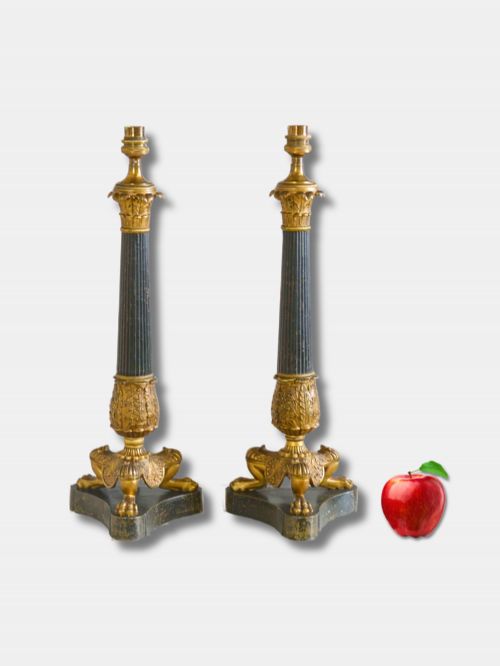


Gold Bronze Desk Light
These gold bronze desk light pieces combine gilded metal with functional illumination, offering a practical way to bring period character into a workspace.
Gold Bronze Desk Light
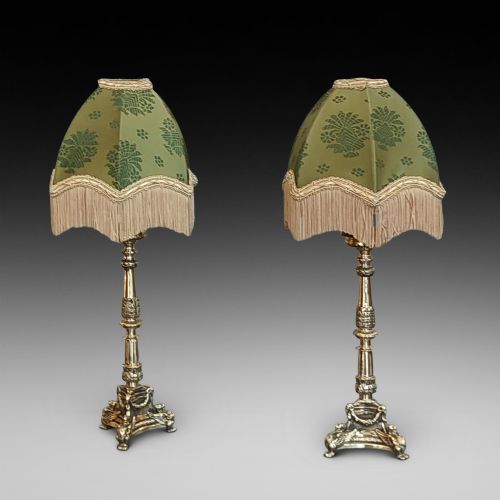
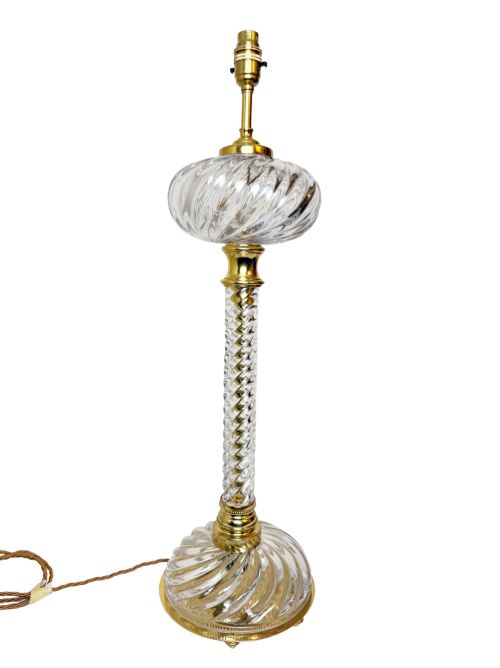
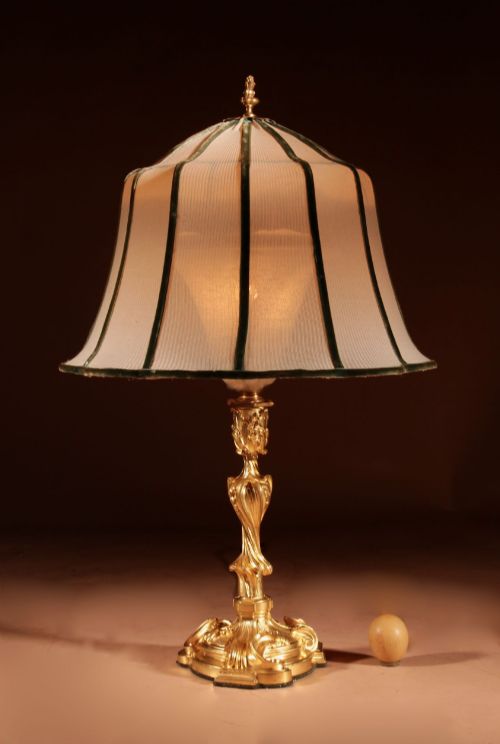
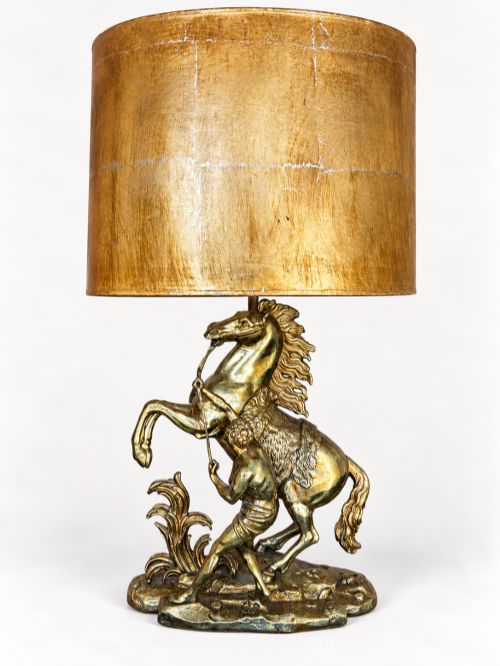
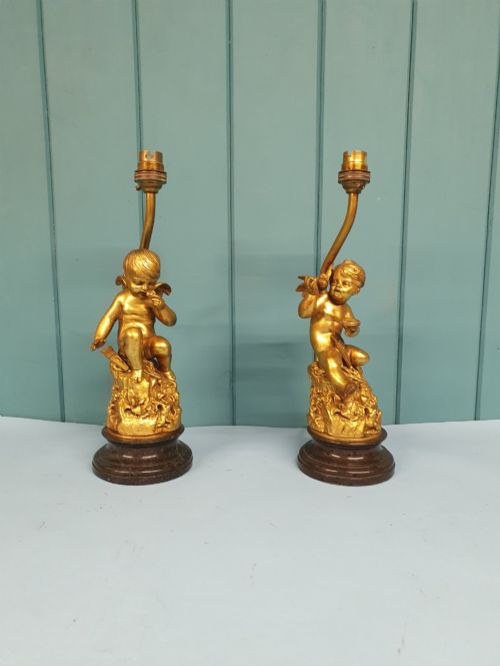
A gold bronze desk light typically appears as a table lamp, candlestick, or converted candelabrum originating from nineteenth-century or early twentieth-century workshops. These items often draw on French Rococo Revival, Neoclassical, or Empire design vocabulary, incorporating figural elements such as cherubs, atlases, or horses alongside architectural columns.
Many listings represent antique lighting adaptations, where earlier candlesticks or candelabra have been wired for modern desk use. This creates a functional blend of period metalwork and contemporary utility.
Materials and construction methods
Maker workshops relied heavily on cast bronze, brass, and ormolu, applying mercury gilding or modern electroplating to achieve a rich gold finish. These metal components were frequently combined with contrasting materials such as marble, onyx, porcelain, and glass to add weight and visual texture.
Gold Bronze Desk Light Retail Price Guide 2026
Typical asking prices for gold bronze desk light among the pieces listed under this phrase on Sellingantiques today, from the lower quarter to the upper quarter. They describe what is for sale here now, not the wider market.
Several heavy column lamps secretly owe their sturdy stance to concealed interior weights and Victorian engineering.
Distinctions in craftsmanship
The division between standard production and exceptional work rests on the crispness of the metal chasing and the depth of the gilding. Finer pieces display sharply defined facial expressions and intricate foliage rather than the softened contours found in mass-produced or later replacement castings.
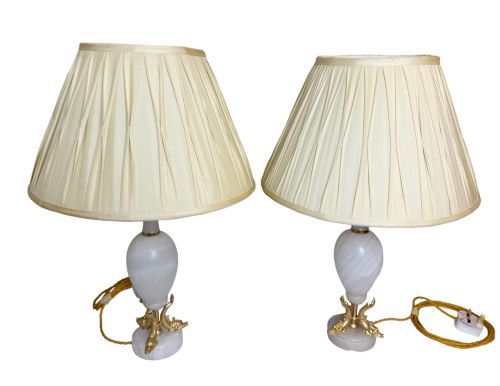
Material selection also dictates overall grade, with genuine ormolu and solid marble or onyx bases commanding greater respect than spelter alternatives with painted finishes. The integration of original components during any conversion process preserves the integrity of the design.
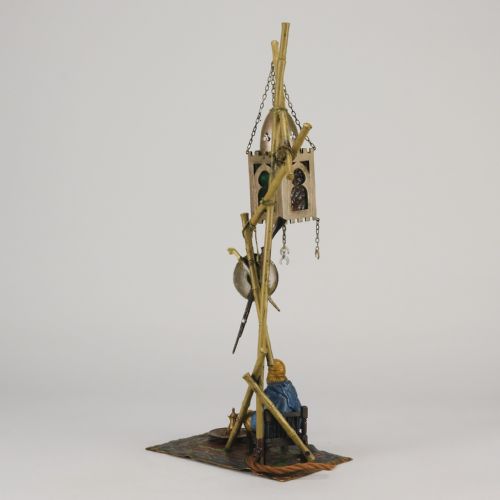
Franz Bergman·L and F Moreau
The Gold Bronze Desk Light Glossary
- Ormolu
- Finely ground high-carat gold mercury-gilded onto a bronze base, producing a warm, durable metallic lustre. This technique was widely practiced by French metalworkers during the eighteenth and nineteenth centuries.
- Champleve
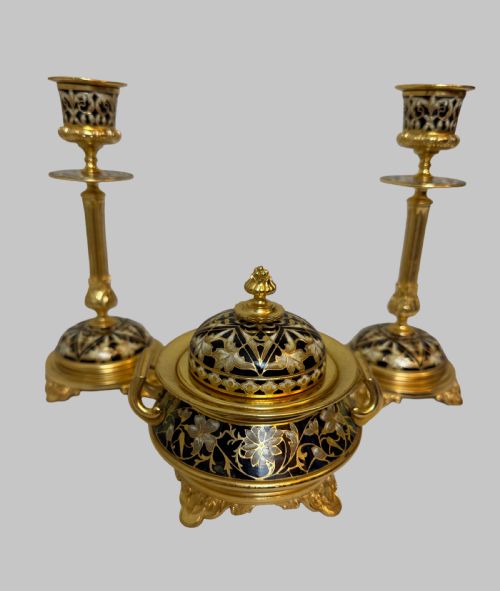
- An enamelling technique where troughs or cells are sunk into the surface of the bronze and filled with vitreous paste before firing. It frequently appears on nineteenth-century decorative desk accessories and candlesticks.
- Spelter
- A zinc alloy used as a less expensive substitute for bronze in decorative figures and lamp bases. It is generally lighter in weight and requires careful inspection to distinguish from true bronze.
- Candelabrum
- A branched candlestick designed to hold multiple candles, often converted into an electric table lamp during the twentieth century. These retained their original sculptural arms and drip pans.
- Neoclassical
- A design style inspired by classical Greece and Rome, characterised by symmetrical columns, urn motifs, and restrained ornamentation. It dominated French and English decorative arts from the late eighteenth through the nineteenth century.
Gold Bronze Desk Light: Frequently Asked Questions
How do I identify a true ormolu finish?
Genuine ormolu exhibits a deep, warm gold tone that results from mercury gilding rather than modern paint or lacquer. Under magnification, the surface reveals subtle variations in texture rather than a flat, uniform spray coating.
Heavier weight and detailed hand-chasing beneath the gilding further distinguish period ormolu from later metallic paints applied to base metals like spelter.
Were these lamps originally made for electricity?
Most pieces from the nineteenth and early twentieth centuries began life as oil lamps, candlesticks, or candelabra. They were subsequently adapted for electrical wiring as homes modernised.
Evidence of conversion often remains visible in the central drilling through columns or the adaptation of original burners to accept bulb fittings.
How should I clean a gilded bronze surface?
Dusting gently with a soft, dry microfibre cloth is sufficient for routine maintenance of historic metalwork. Avoid chemical polishes, abrasive pads, or water, as these can strip the delicate gold layer or damage underlying patination.
Professional restoration is recommended if deep cleaning becomes necessary to remove accumulated grime from intricate crevices.
What distinguishes Rococo Revival from Empire style?
Rococo Revival pieces favor asymmetrical scrolls, naturalistic floral motifs, and playful figures such as cherubs or putti. The lines are fluid, organic, and highly decorative.
Empire style adheres to strict symmetry, drawing inspiration from military and imperial Roman themes with columns, wreaths, and formal geometric proportions.