




Gold Bronze Buddhist Figures
Gold bronze buddhist figures are sacred sculptural representations modelled in metal, prized for their spiritual presence and rich surface gilding.
Gold Bronze Buddhist Figures
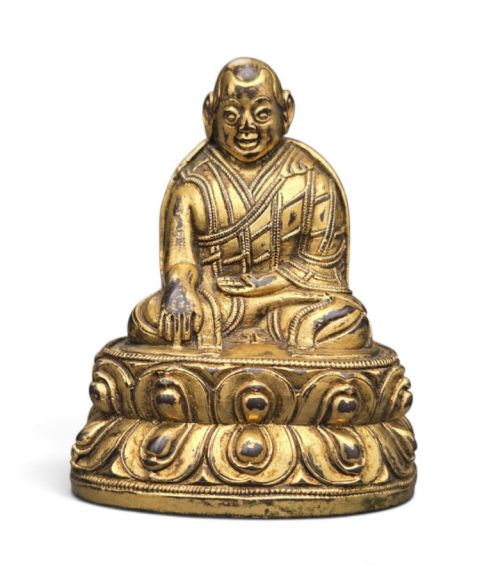
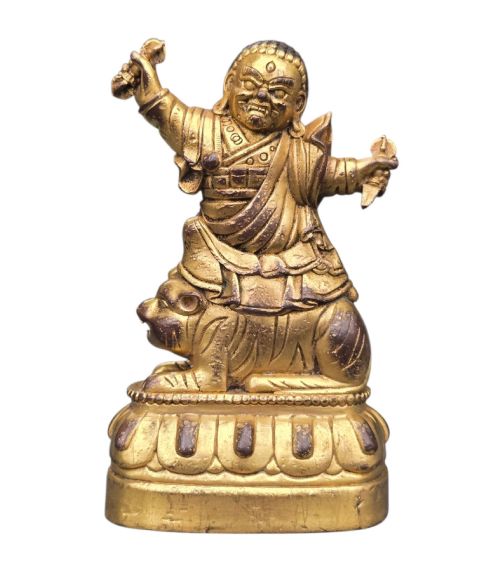
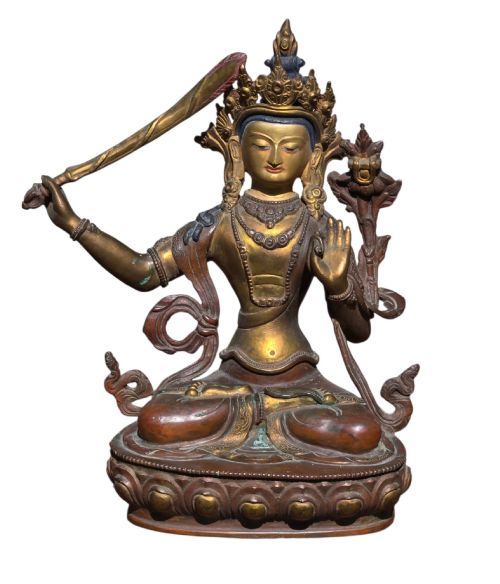
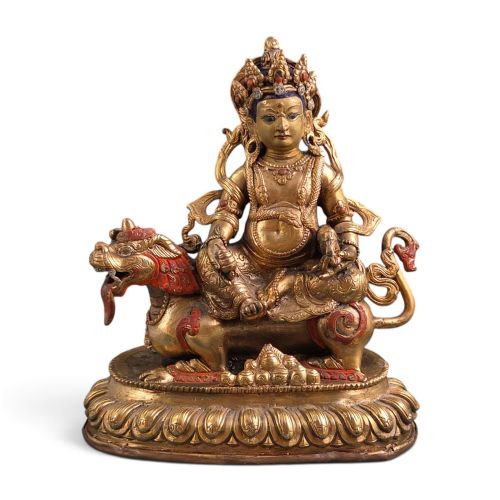
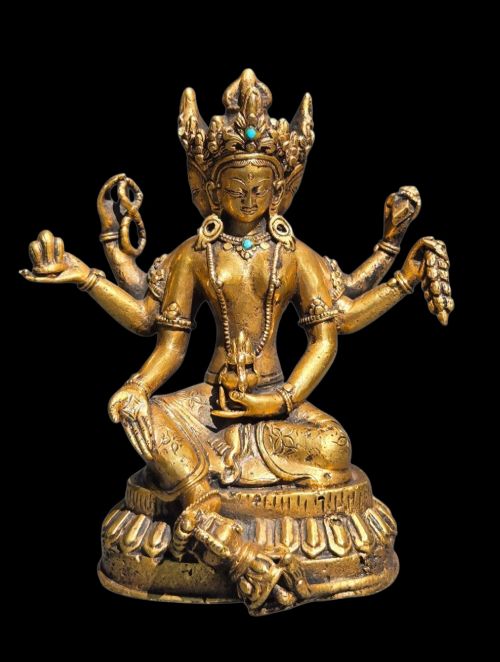
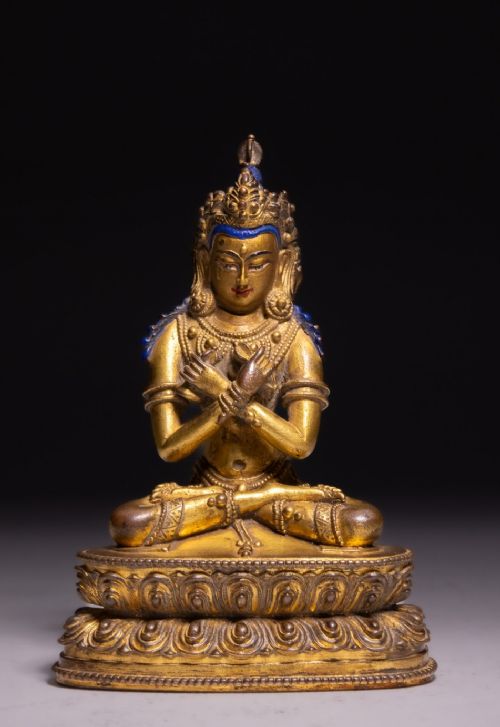
Gold bronze buddhist figures encompass sacred statues and sculptures originating from diverse Asian traditions, notably Sino-Tibetan, Tibetan, Thai, and Javanese classical schools. These pieces depict deities, bodhisattvas, and historical buddhas seated or standing in traditional iconographic postures.
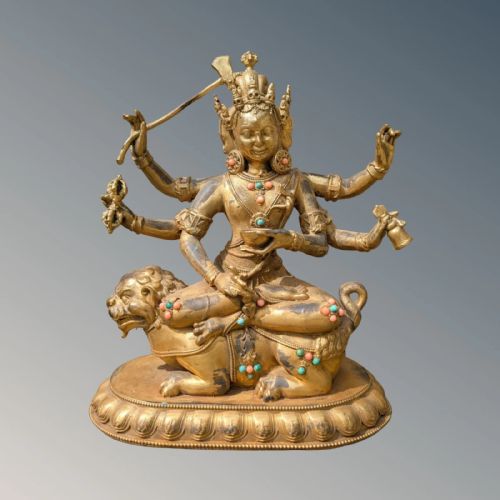
Buyers browsing gold bronze buddhist figures most frequently encounter pieces dating from the eighteenth and nineteenth centuries, alongside earlier examples spanning the sixteenth century and pre-sixteenth periods. Common forms include multi-armed deities, seated figures upon lions, and standing statuettes rendered with varying degrees of ornamentation.
The regional styles vary distinctly, ranging from ornate Sino-Tibetan manifestations adorned with mineral inlays to polished solid bronze sculptures of Thai origin and Ayutthaya style Buddhas. Each piece reflects the specific religious devotion and artistic conventions of its period and workshop.
How they were made
Makers typically cast these figures using copper alloy and bronze, employing lost-wax techniques to achieve intricate detail in the robes, facial expressions, and physical attributes. Artisans then applied layers of gold gilt to the bronze surfaces to signify sacred purity and divine status.
Many figures incorporate mineral inlays such as turquoise and coral, alongside detailed pigment applications to enhance the eyes, hair, and vestments. These supplementary materials provide vital contrast to the polished or gilded metal bodies.
Gold Bronze Buddhist Figures Retail Price Guide 2026
Typical asking prices for gold bronze buddhist figures among the pieces listed under this phrase on Sellingantiques today, from the lower quarter to the upper quarter. They describe what is for sale here now, not the wider market.
Materials recorded across the inventory include gilt bronze, raw bronze, brass, copper alloy, turquoise, coral, pigment, and mineral inlays.
What varies in quality
The preservation and quality of the original gilding and mineral inlays heavily influence the overall character of a piece. Finer sculptures retain extensive surface fire-gilding and secure, high-grade inlays that complement rather than overwhelm the underlying bronze casting.
The Gold Bronze Buddhist Figures Glossary
- Gilt Bronze
- Bronze metal that has been coated with a thin layer of gold using fire-gilding or similar historical application methods. This treatment imparts a luminous golden surface to the underlying alloy.
- Bodhisattva
- An enlightened being who defers entering nirvana to help others achieve salvation. These figures appear frequently in Tibetan and Sino-Tibetan art, adorned in princely garments.
- Lost-wax casting
- A metalworking process where a molten metal is poured into a mould that has been created by means of a wax model. Once the mould is made, the wax is melted and drained away.
Gold Bronze Buddhist Figures: Frequently Asked Questions
How are these figures displayed at home?
Collectors typically place these sculptures on stable surfaces where adequate lighting highlights the gilded surfaces and mineral inlays. They function well as focal points within quiet interior spaces.
Because the metals and pigments are sensitive to excessive handling, placement away from direct heat sources and high-traffic areas ensures the preservation of the surface details.
What materials make up these sculptures?
The primary material is bronze or copper alloy, frequently enhanced with gold gilt on the exterior surfaces. Artisans also integrated mineral inlays like turquoise and coral, alongside applied pigments.
Brass and gilt metal also appear in later nineteenth and twentieth-century interpretations, offering alternative tonal qualities to traditional bronze.
How do I identify the regional style?
Regional styles reveal themselves through distinct iconographic details, facial structures, and casting characteristics. Sino-Tibetan pieces often feature elaborate ornamentation and deities seated on thrones, whereas Thai and Javanese examples display different crown designs and body proportions.
Comparing the treatment of the hair, lotus bases, and robes helps distinguish between Tibetan, Chinese, and Southeast Asian traditions.
What is the significance of multi-armed figures?
Multi-armed representations symbolise the multifaceted power, compassion, and boundless capabilities of the deity depicted. Each hand typically holds a specific ritual implement or assumes a protective mudra.
These complex iconographic attributes require exceptional skill from the metalcaster to execute clearly without crowding the composition.