



Gold Brass Curb
A gold brass curb frames the hearth with warmth and weight, turning a simple fireplace into the visual centre of the room.
Gold Brass Curb
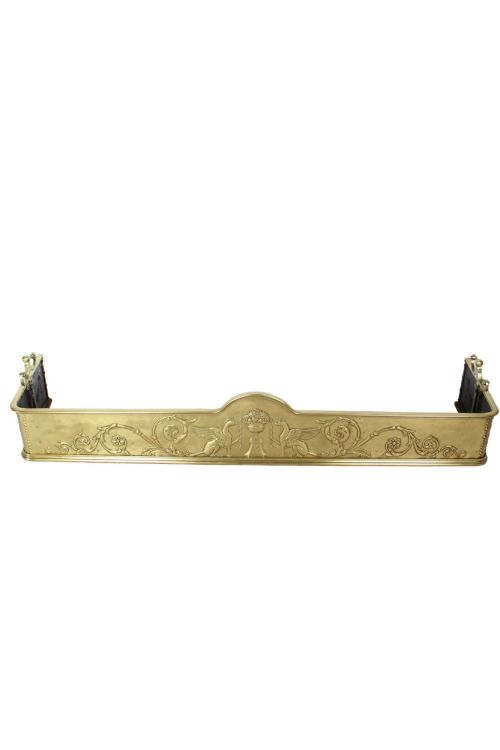
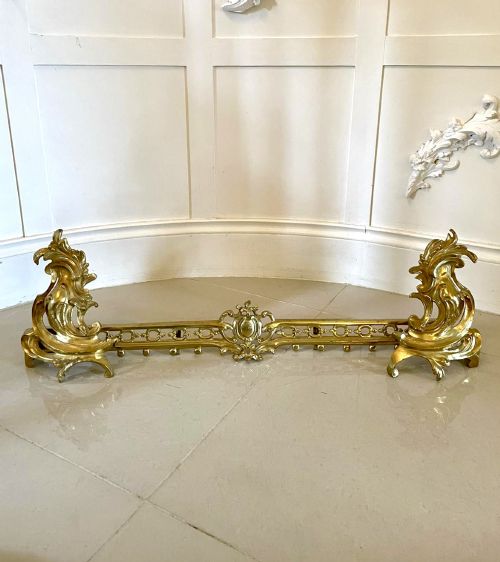
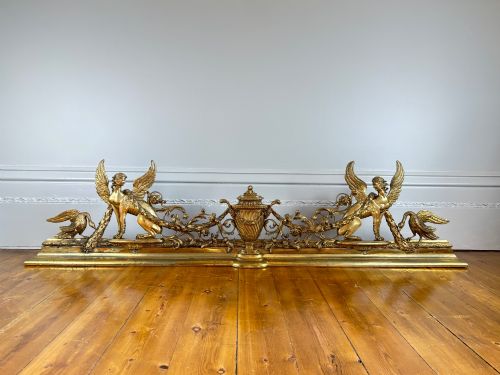
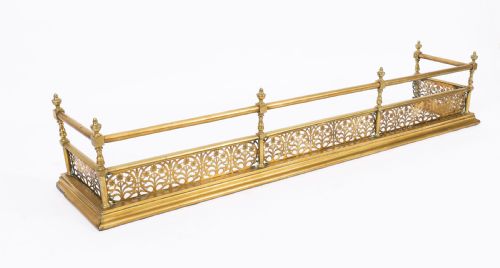
A gold brass curb, frequently catalogued as a fender or kerb, sits on the hearth to contain stray embers and frame the fireplace opening. These pieces range from compact hearth surrounds to large extending models designed to fit generous fireplaces.
The selection on this page draws primarily from the Victorian and Edwardian periods, alongside earlier Regency examples and nineteenth century French designs. Most pieces utilise brass, cast brass, and gilded or ormolu finishes, often combined with iron or bronze.
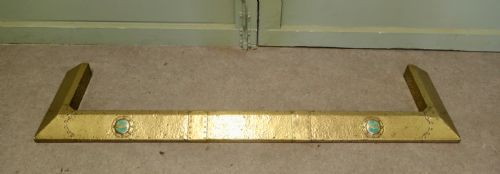
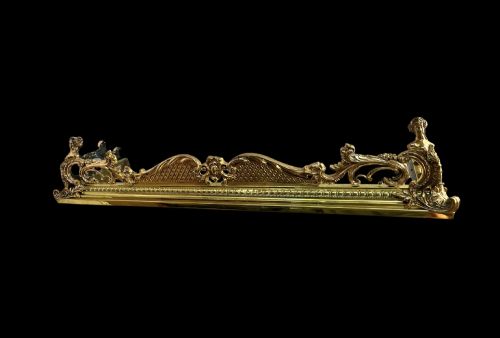
Stylistic variations span simple pierced brass patterns and spindle designs to ornate French Rococo, Arts and Crafts green enamel cabochons, and Neoclassical Revival motifs. Buyers frequently encounter adjustable or extending formats that accommodate different hearth widths.
Materials and construction
Foundry work dominated the production of these items, utilising cast brass, heavy bronze, and ormolu to achieve robust structural forms. Piercing, openwork piercing, and repoussé detailing added intricate decorative patterns to the metal surface.
Makers incorporated contrasting elements such as iron frames, steel components, and enamel cabochons to enrich the appearance. Many nineteenth century examples relied on extending or adjustable mechanisms constructed from overlapping brass channels.
Surface treatments involved high polish finishes, fire gilding, and applied patination to enhance the golden tone of the brass. Detailed castings often reflected specific historical revivals, including Louis XV and Adam styles.
Some nineteenth century hearth guards doubled as makeshift boot warmers after a rainy ride.
Distinctions in quality
Quality rests upon the crispness of the casting and the thickness of the brass or bronze used in the body. Finer examples display deeply defined pierced ornamentation, precise spindle work, and hand finished detailing rather than shallow pressings.
The integrity of extending mechanisms and the weight of the overall construction signal superior manufacture. Heavier gauge metal resists warping from hearth heat and maintains structural stability over decades of use.
Artisanal touches, such as hand set enamel cabochons or finely chased ormolu mounts, elevate certain pieces above standard production items. The consistency of the gilding or polished brass surface further distinguishes workshop standards.
E F Caldwell New York·George Bullock
The Gold Brass Curb Glossary
- Curb
- An alternative spelling for kerb, referring to the low metal barrier placed around the hearth. It serves both a protective and decorative function.
- Fender
- A low metal guard placed in front of an open fireplace to stop burning coals from rolling onto the floor. They often include integrated rests for fire irons.
- Ormolu
- Gilded bronze or brass created through an artisanal mercury gilding process. This technique produces a rich, deep golden lustre characteristic of fine decorative hardware.
- Pierced brass
- Metalwork perforated with decorative patterns using saws, drills, or punches. This technique lightens the visual mass of the fender while creating intricate designs.
- Cabochon
- A gemstone or decorative insert polished into a convex, rounded shape rather than faceted. In these listings, they frequently appear as green enamel accents on Arts and Crafts pieces.
Gold Brass Curb: Frequently Asked Questions
How do I measure for a fender?
Measure the width and depth of your hearth area precisely, taking into account the clearance needed around the fireplace opening. Many period pieces feature adjustable or extending frames to help achieve the correct fit.
Ensure you check whether the stated dimensions apply to the minimum or maximum extension of the metalwork before placing it on the hearth.
Are these pieces suitable for open fires?
Most of these items were originally manufactured to contain ash and embers from coal or wood fires. Their heavy brass and iron construction handles normal hearth temperatures effectively.
Regular cleaning helps prevent soot and heat residue from tarnishing the polished brass or gilded bronze surfaces over time.
How do I clean antique brass?
Use a soft cloth and a mild, non-abrasive metal cleaner specifically formulated for brass or bronze. Avoid harsh scrubbing that can strip away original patination or fine gilding.
Gentle dusting and occasional polishing maintain the golden sheen without damaging the underlying cast details or enamel cabochons.
How can I tell Victorian from Regency styles?
Regency designs often reflect strict classical symmetry and restrained neoclassical lines, sometimes incorporating steel elements in the manner of makers like George Bullock. Victorian pieces tend to be heavier, featuring ornate pierced patterns, elaborate floral motifs, or exuberant Rococo revival curves.
Examining the casting quality, fastening methods, and stylistic motifs helps place the piece within its nineteenth century context.