






Gold Brass Casket Box
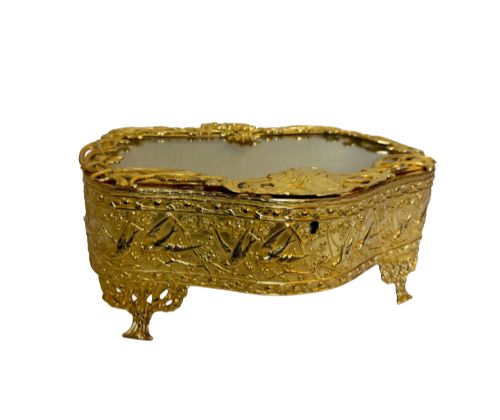
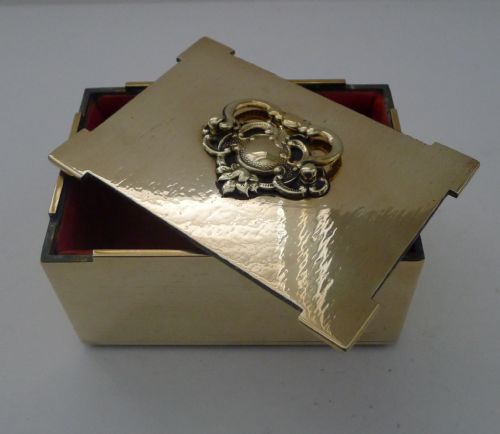
These gold brass casket box pieces bring ornate period storage to a room, offering heavy cast metalwork and bevelled glass to hold small treasures.
Gold Brass Casket Box
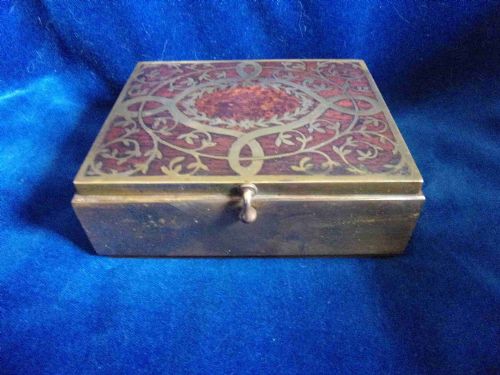
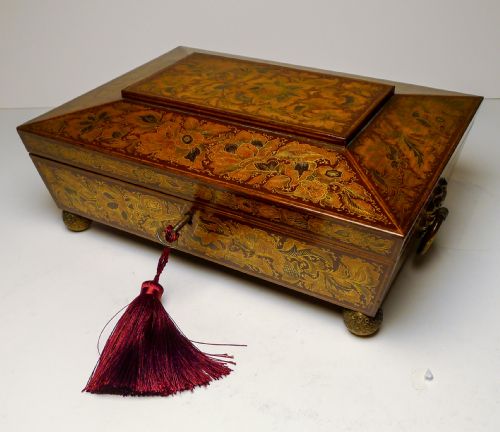
A gold brass casket box typically takes the form of a jewellery box, trinket box, or decorative container designed for domestic display and storage. The selection spans the Victorian era through to the early twentieth century, capturing distinct European design movements.
Makers produced these decorative caskets in several distinct styles, including French Napoleon III, Rococo Revival, Art Nouveau, and Jugendstil. The pieces often serve as small caskets or vitrines with glazed panels for displaying contents.
Most examples originate from English and French workshops, utilising cast brass, ormolu, and gilded copper frames. Buyers will frequently encounter versions featuring bevelled glass panels and textile linings of silk or velvet.
How they were made
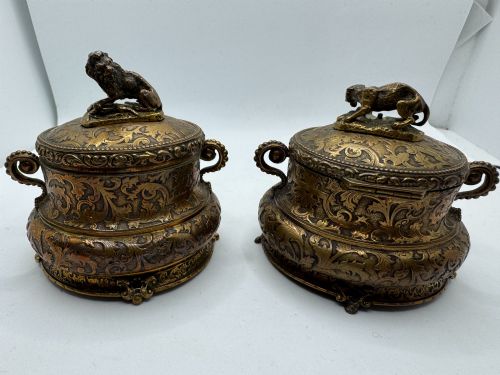
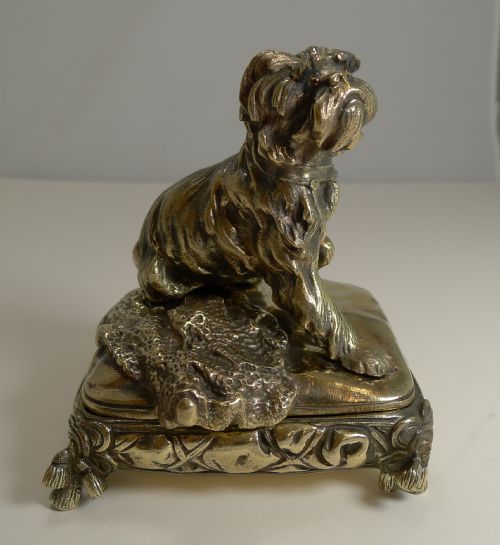
Metalwork relies on cast brass, ormolu, gilt bronze, and electro-formed copper, which provide a heavy structural frame for the glass panels. Foundry workers shaped the metal into decorative mounts, foliage, and figural finials such as dogs.
Glazing employs thick bevelled glass and crystal fitted securely into metal channels to form the walls and lids of the caskets. Interiors are typically lined with soft fabrics like silk and velvet to cushion jewellery and small trinkets.
Gold Brass Casket Box Retail Price Guide 2026
Typical asking prices for gold brass casket box among the pieces listed under this phrase on Sellingantiques today, from the lower quarter to the upper quarter. They describe what is for sale here now, not the wider market.
Several caskets feature loyal dog finials keeping watch over the lid, ensuring your trinkets are guarded by a steadfast metallic hound.
What varies in quality
The weight and crispness of the metal casting distinguish finer caskets from simpler production pieces. Deep relief work and detailed finishing on hinges, clasps, and feet indicate a higher standard of manufacture.
The integration of thick, bevelled glass plates and well-fitted internal silk or velvet linings marks out better examples. The precision of the joinery between metal frames and glass panels dictates the overall structural integrity.
ERHARD AND SOHNE
The Gold Brass Casket Box Glossary
- Ormolu
- Gilded bronze applied to decorative hardware and furniture mounts. This technique was widely used in French workshops during the nineteenth century.
- Bevelled glass
- Glass with edges ground and polished at an angle. It adds optical depth and catches the light on casket lids and sides.
- Electro-form
- An object formed through the electrodeposition of metal upon a mould. This method allowed makers to create intricate gilded copper caskets.
- Jugendstil
- The continental European counterpart to Art Nouveau. It is characterised by flowing organic lines and botanical motifs seen on turn-of-the-century boxes.
Gold Brass Casket Box: Frequently Asked Questions
What were these boxes used for?
These caskets were originally created to hold precious trinkets, jewellery, and perfume bottles on dressing tables and parlour surfaces. Their glazed panels allowed owners to display small collectables while keeping them protected.
Over time, their decorative metalwork and glass construction made them desirable ornamental objects in their own right, used simply to enhance the aesthetic of a room.
How do I date a brass casket?
Dating relies on identifying the prevailing design style, such as Rococo Revival, Victorian mass production, or Art Nouveau and Jugendstil curves. Material choices like electro-formed copper or ormolu also point to specific nineteenth-century manufacturing techniques.
Hardware styles, hinge construction, and the type of glass edges help narrow down the period of manufacture between the early nineteenth and early twentieth centuries.
Are the interiors original?
Many caskets retain their original silk or velvet linings, which were chosen to protect delicate jewellery and prevent scratching. These fabrics naturally show age, wear, or fading after more a century of domestic use.
Buyers should examine the internal padding and fabric adhesion to determine whether the lining remains factory original or has been replaced during a later restoration.
How do I care for gilt metal?
Gilt bronze, ormolu, and brass require gentle cleaning with a dry or very slightly damp soft cloth to preserve the metallic finish. Abrasive polishes must be avoided because they can strip away the historical surface gilding.
Protecting the glass panels with standard glass cleaner applied to a cloth rather than sprayed directly prevents moisture from damaging the interior fabric linings.