



Gold Blue Enamel Pendant
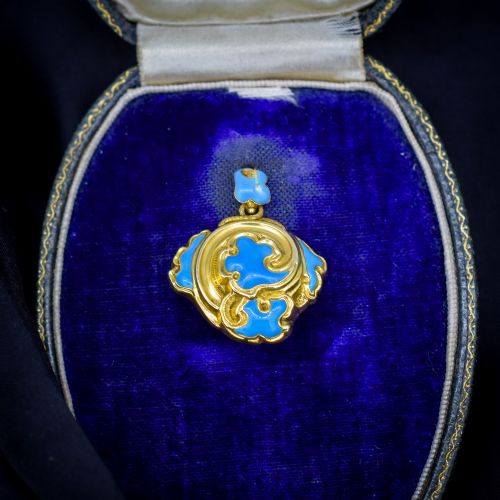
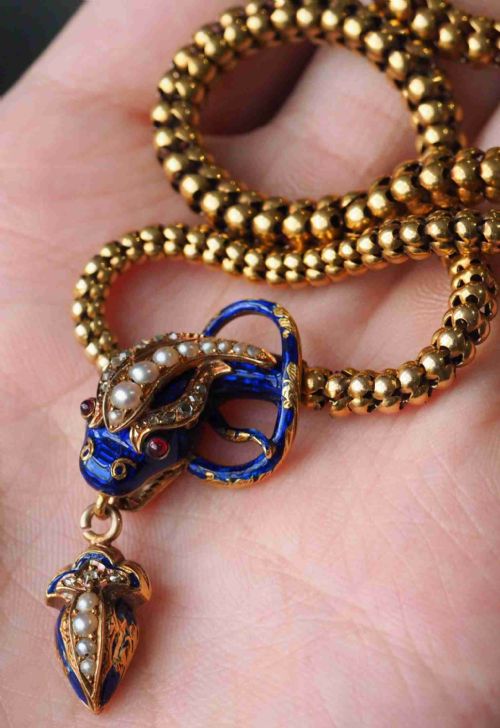
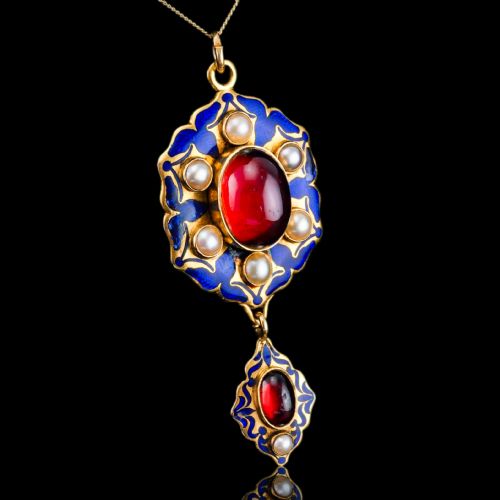
A gold blue enamel pendant brings together deep vitreous colour and precious metal work from the Victorian and Edwardian eras.
Gold Blue Enamel Pendant
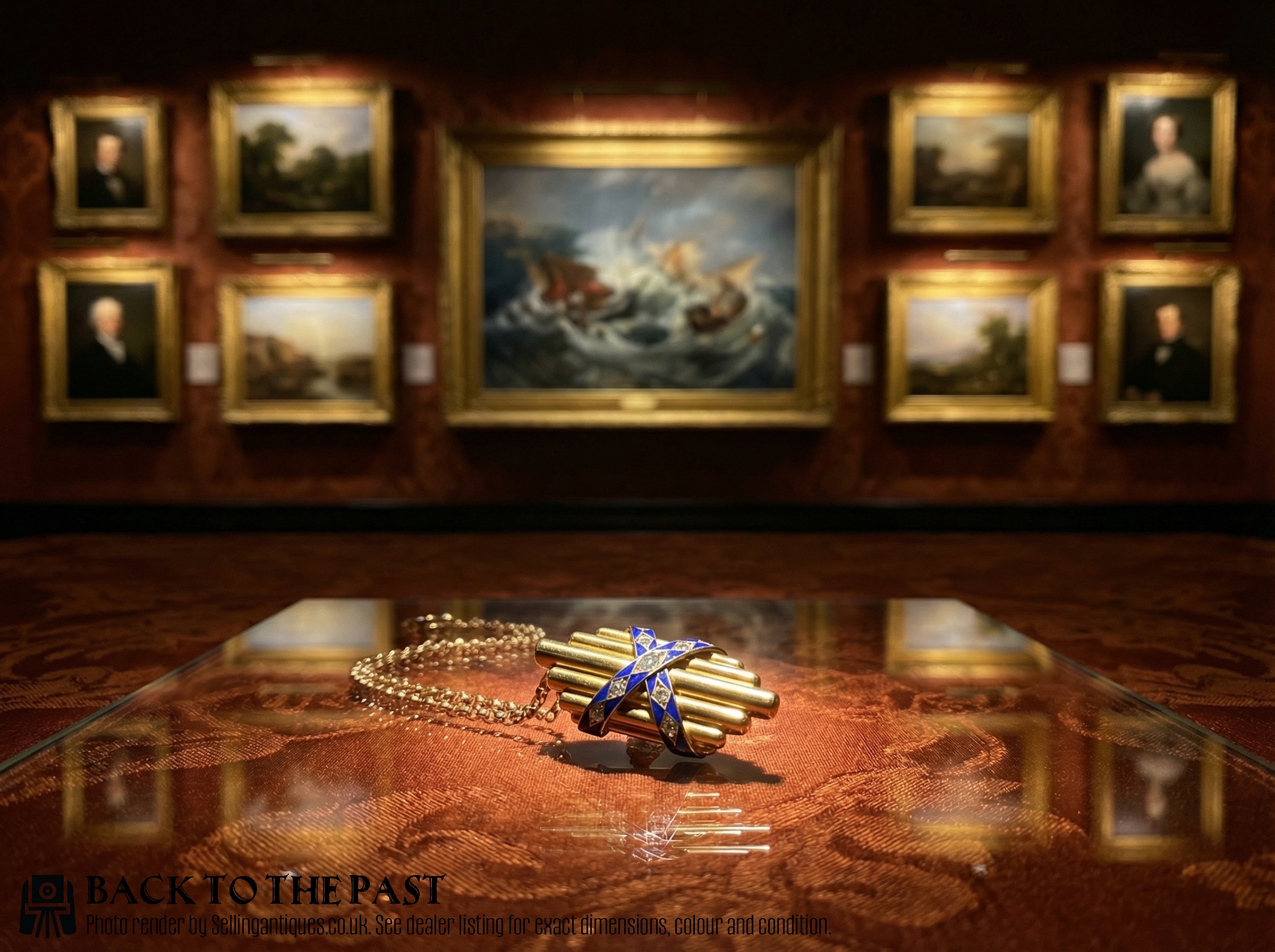
When you search for a gold blue enamel pendant, you encounter small works of jewellery designed to be worn at the neck, often doubling as lockets or holding miniature portraits.
The version you are most likely to meet on this page is a Victorian piece from the nineteenth century, rendered in high carat gold with deep blue guilloche or vitreous enamel.
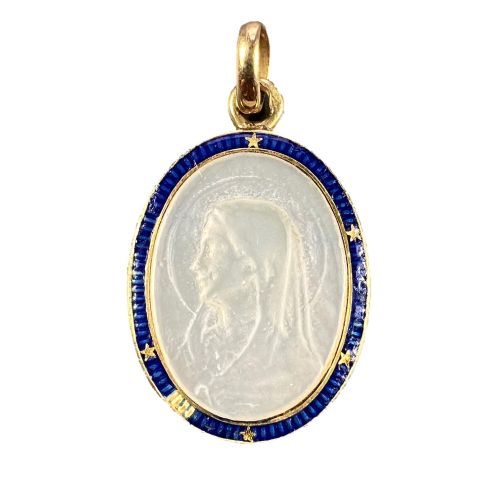
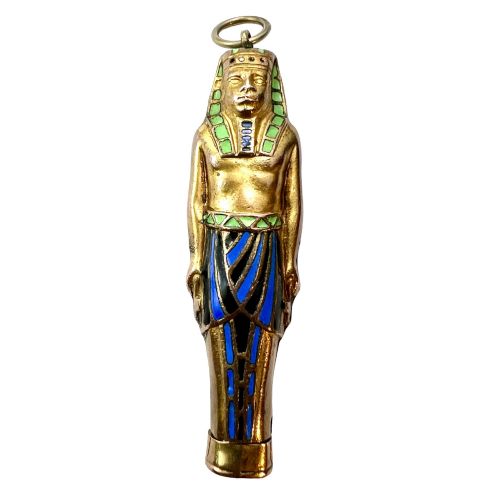
These items take various forms, including puffy hearts, crosses, lockets, and devotional medals originating from French or British workshops.
How they were made
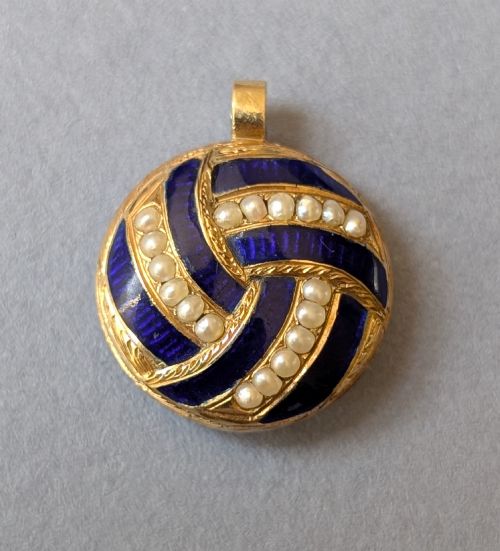
Craftsmen built these pieces using 15ct or 18K yellow gold, shaping the metal into complex settings for diamonds, seed pearls, and mother of pearl.
Coloured glass paste was fused to the metal surface through high heat to create smooth vitreous or plique-a-jour enamel panels, sometimes revealing engine-turned guilloche patterns beneath.
A tiny painted enamel eye stares calmly from inside an 18th-century vinaigrette box.
What varies in quality
The distinction between ordinary and exceptional pieces rests upon the precision of the enamel work and the complexity of the gold fabrication.
Early examples show hand-ground vitreous finishes and secure gem settings, whereas lesser pieces rely on simpler stamped mounts with thinner coatings of enamel.
Christian Friedrich Zincke·Henry Bone ARA
The Gold Blue Enamel Pendant Glossary
- Guilloche
- An ornamental technique in which a precise, intricate mechanical pattern is engraved into metal beneath a translucent enamel coating.
- Vitreous enamel
- A material made by fusing powdered glass to a substrate by firing, resulting in a durable and glossy coloured surface.
- Plique-a-jour
- A enamelling technique where the enamel is applied in cells without a backing, resembling miniature stained glass that allows light to pass through.
- Seed pearl
- Very small natural or cultured pearls, often used in Victorian jewellery to outline motifs or form floral clusters.
- Mourning locket
- A piece of jewellery designed to hold a lock of hair or a portrait in memory of a deceased person.
Gold Blue Enamel Pendant: Frequently Asked Questions
What is a gold blue enamel pendant?
These items are ornamental neckpieces fashioned from gold and finished with fused vitreous enamel in shades of blue. They frequently incorporate pearls, diamonds, or hairwork compartments.
Many examples date from the Victorian period and reflect sentimental or commemorative themes popular during the nineteenth century.
How were these pendants worn?
Owners typically suspended them from fine gold chains or ribbons around the neck as personal adornments or symbols of devotion. Some versions functioned as lockets for keeping miniature portraits or locks of hair close to the heart.
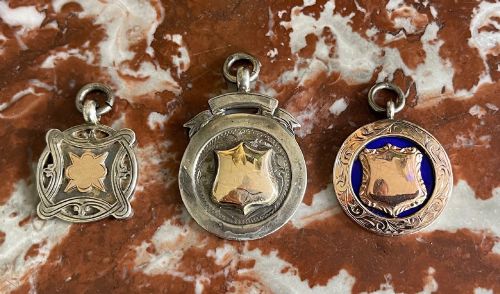
Others served as watch fobs, charms, or devotional medals associated with specific saints or cities.
How do you care for enamel jewellery?
Enamel consists of fused glass and requires gentle handling to prevent scratching or chipping against harder materials. Store each piece separately in a lined box away from direct sunlight and harsh chemicals.
Clean the gold and enamel surfaces gently with a soft cloth dampened in lukewarm water, avoiding abrasive polishes.
How can you tell Victorian pieces apart?
Victorian jewellery often displays hallmarks indicating gold purity such as 15ct or 18ct, alongside characteristic motifs like serpents, crosses, and puffy hearts. Construction methods like hand-engraved guilloche patterns and bezel-set rose-cut diamonds point directly to nineteenth-century British and French craftsmanship.
Later twentieth-century versions introduce different clasp mechanisms and stylistic shifts influenced by Art Nouveau or Edwardian tastes.