


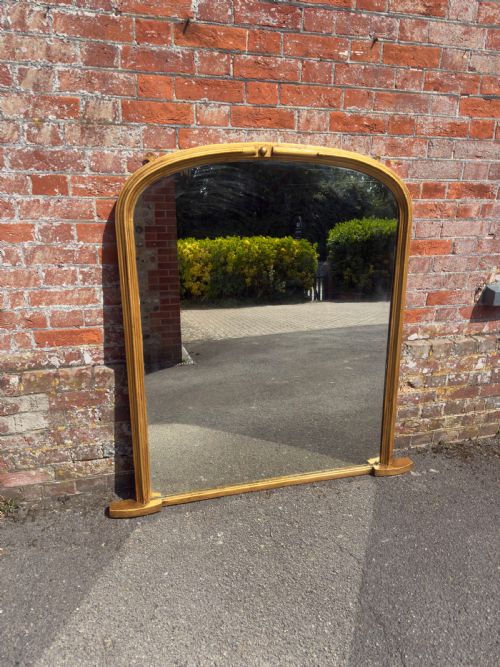
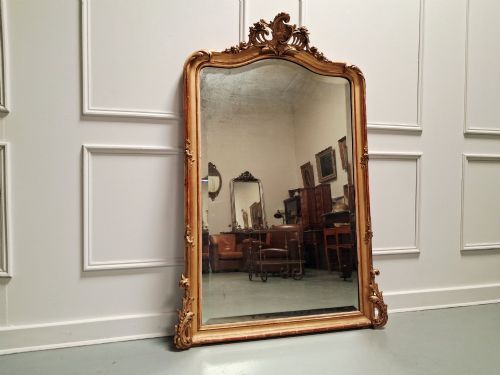
Gold Arched Mantle Mirror
A gold arched mantle mirror brings weight and presence to a room, framing light with the unmistakable character of nineteenth-century craftsmanship.
Gold Arched Mantle Mirror
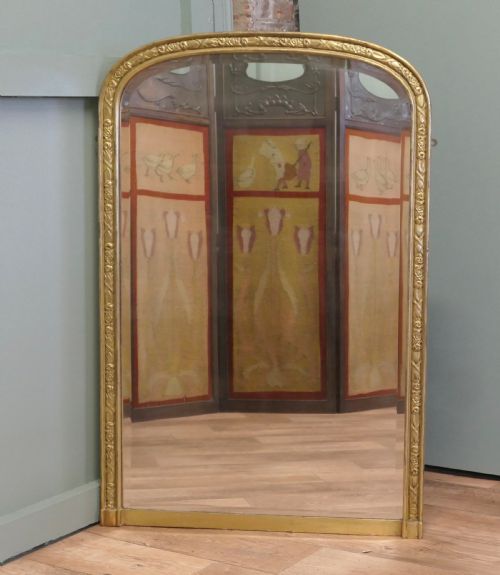
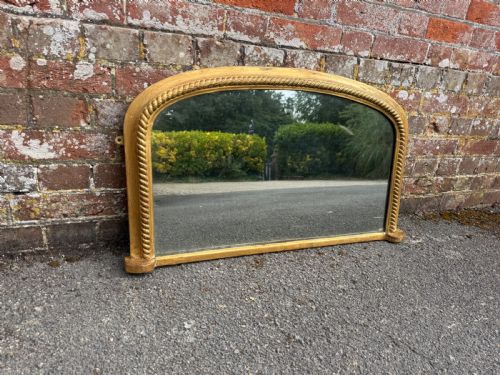
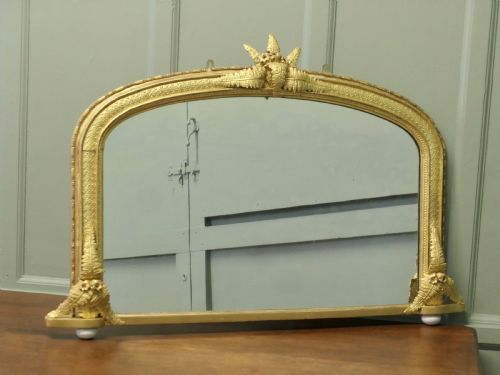
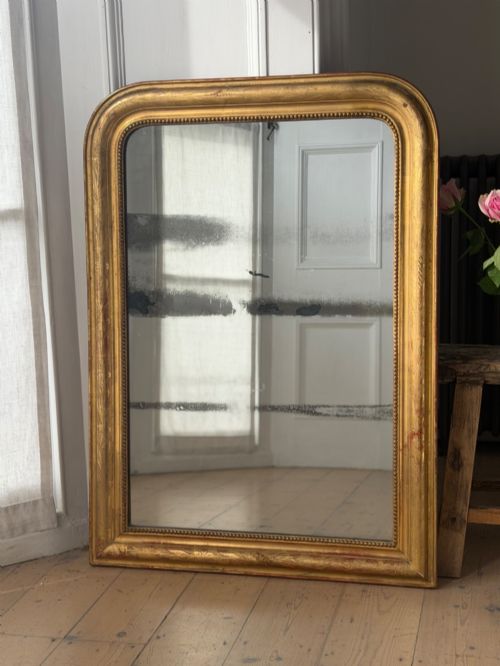
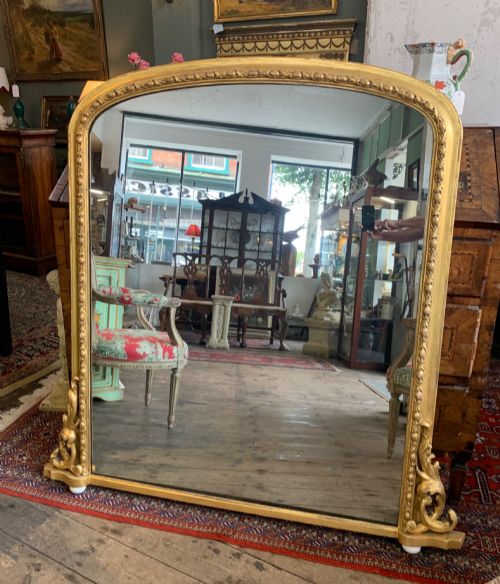
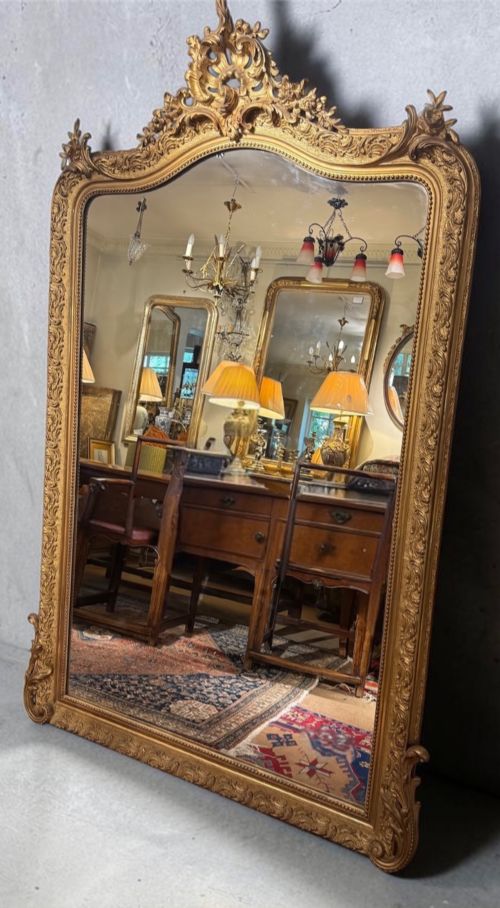
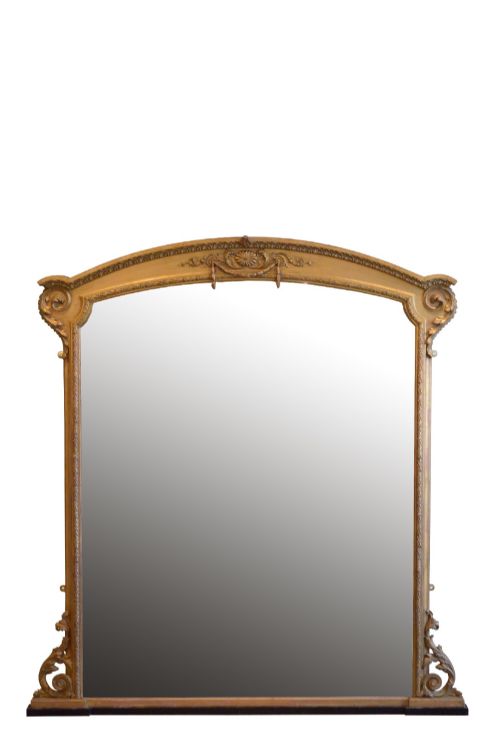
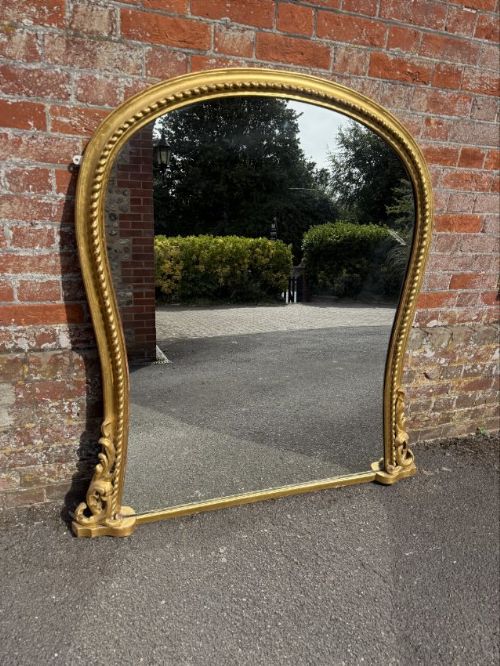
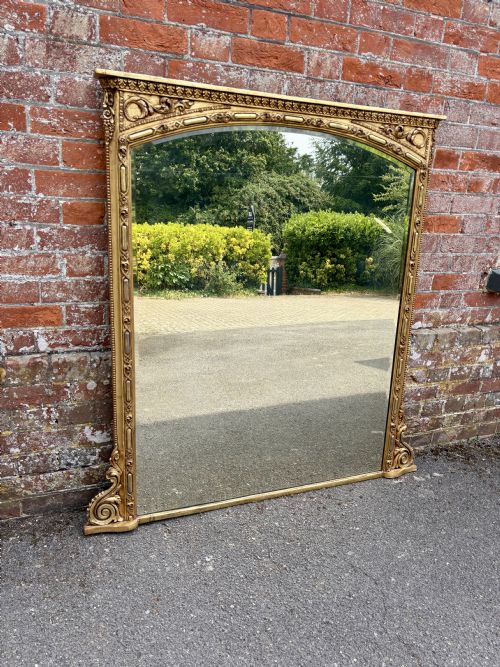
A gold arched mantle mirror is primarily encountered as a large nineteenth-century overmantel mirror designed to sit directly above a fireplace. These substantial pieces originate from both English and French workshops, taking forms that span the Victorian era, the Regency period, and French Louis Philippe styles.
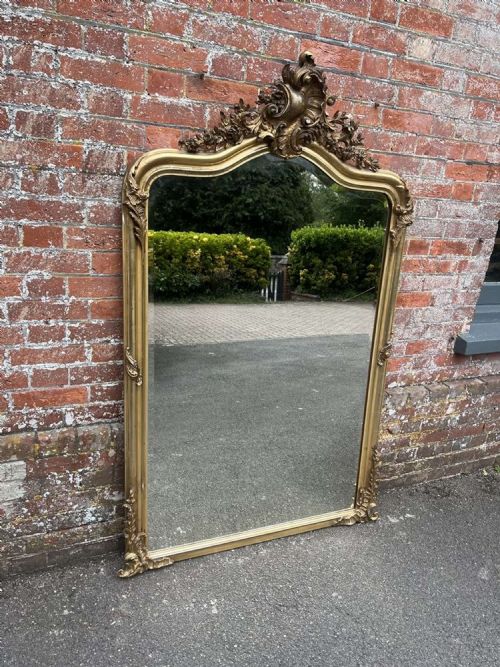
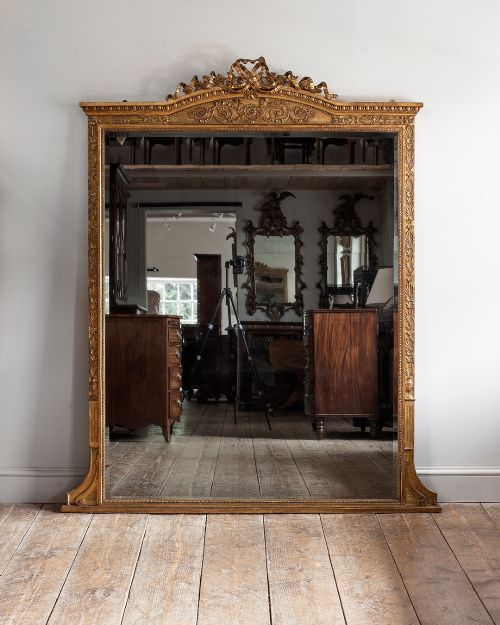
The dominant formats on this page include arched tops, shaped crests, and tall vertical proportions intended to draw the eye upward in a reception room. Makers produced these mirrors to reflect natural light deep into the interior while serving as a grand architectural focal point.
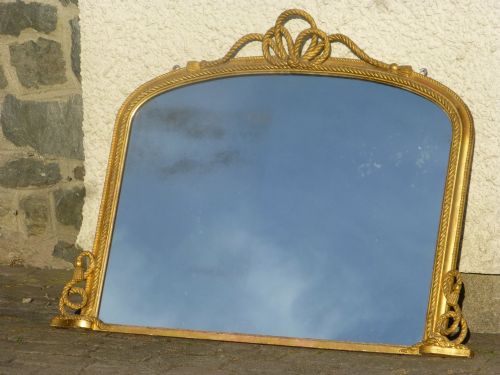
Most examples combine generous dimensions with distinct framing details such as rope twist motifs, hour glass ribbing, or central cartouches. They appear in sustained Victorian and French Rococo revivals, showing how nineteenth-century makers adapted classical proportions for domestic spaces.
How they were made
Makers constructed the structural frames using carved wood and composition ornaments fixed over a wooden core to build up relief details. Artisans then applied gesso as a smooth preparatory ground before adding gold leaf, gilded wood, or gold paint.
Reflecting plates of the period frequently consisted of mercury glass, which often develops characteristic foxing over time as the backing degrades. Frames rely on traditional joinery to support the considerable weight of heavy mirror glass within arched timber surrounds.
The inventory records French and English origins across styles such as Louis Philippe, Regency, and Rococo Revival.
What varies in quality
The distinction between ordinary and exceptional pieces lies in the crispness of the carved wood and gesso ornamentation. Superior examples retain deep, sharp relief along the crest and framing elements, whereas lesser pieces show softened details from heavy over-gilding or worn composition moulds.
Proportion and scale also dictate the hierarchy of these mirrors, with larger, well-balanced formats commanding greater visual authority. The condition of the original mirror glass, particularly authentic foxing or clear mercury plates, influences the integrity of the piece.
The Gold Arched Mantle Mirror Glossary
- Gesso
- A plaster-like mixture applied to wood frames to create a smooth surface for gilding. This material allows artisans to mould intricate decorative reliefs before applying gold leaf.
- Overmantel
- A large mirror specifically proportioned to hang on the wall above a mantelpiece. These pieces often feature wide frames and arched tops designed to echo architectural openings.
- Giltwood
- Timber that has been coated with thin sheets of gold leaf or gold powder. It provides a warm, reflective finish distinct from modern metallic paints.
- Cartouche
- An ornamental tablet or frame resembling a rolled-up scroll, often placed centrally on the crest of a mirror. It frequently serves as the focal point for French and Victorian decorative schemes.
- Foxing
- The natural age-related spotting or discoloration that appears within the silvering of antique mirror glass. This chemical reaction creates dark or speckled patches across the reflection.
Gold Arched Mantle Mirror: Frequently Asked Questions
How do I hang a heavy overmantel mirror safely?
These mirrors carry significant weight from their wooden frames and thick glass, requiring secure attachment directly into structural wall studs or masonry. Professional installers use heavy-duty mirror plates and brackets distributed evenly along the base and sides to support the load.
Placing the mirror directly on a mantle shelf provides additional weight distribution, though wall anchoring remains essential to prevent tipping. Ensuring the fixings match the wall type protects both the plaster and the antique frame during daily use.
What is the difference between French and English styles?
French mirrors from periods such as Louis Philippe often favour cleaner architectural lines with subtle rounded upper corners and minimal ornamentation. English Victorian designs tend to feature heavier carved wood and gesso decoration, including rope twists and prominent arched crests.
Both traditions utilised gilt finishes, but French pieces frequently emphasise restrained elegance whereas English counterparts lean towards grand statement proportions.
How should I clean antique gilt frames?
Dusting these surfaces requires a very soft, dry brush to prevent disturbing fragile gesso and gold leaf layers. Moisture can soften the historical preparation beneath the gilding, so liquid cleaners must be avoided entirely.
Glass panels can be wiped with a clean cloth dampened slightly with water or a mild glass cleaner, taking care not to let any liquid seep onto the surrounding gilded wood.
Why do antique mirrors have dark spots?
The dark spots, known as foxing, occur when moisture and air react chemically with the silver or mercury backing behind the glass over many decades. This ageing process is a natural characteristic of nineteenth-century manufacturing rather than a modern defect.
Many collectors value foxing as proof of genuine age and historical continuity, as it distinguishes vintage plates from contemporary replacements.