



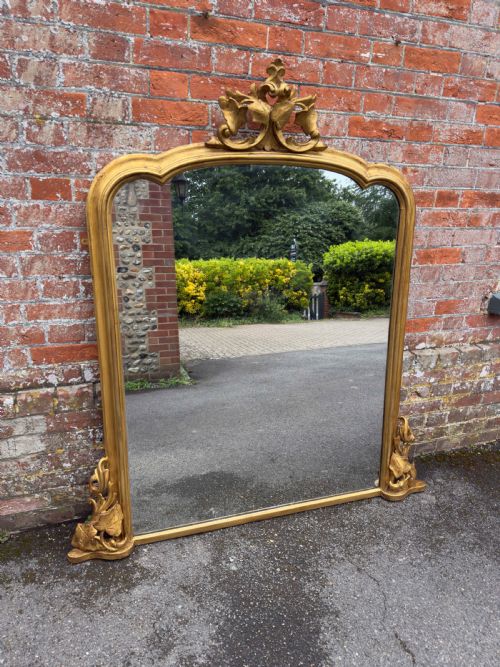

Gold Arch Fireplace Glass
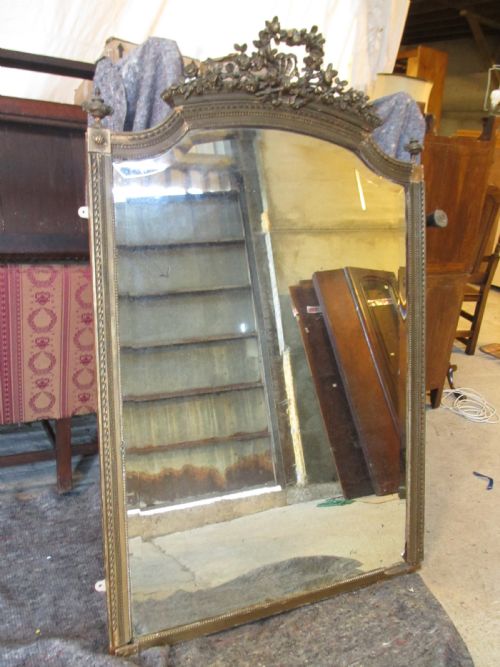
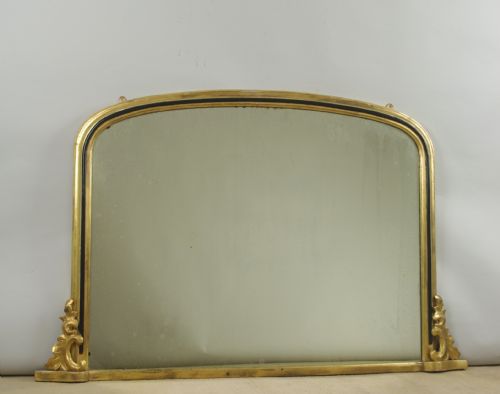
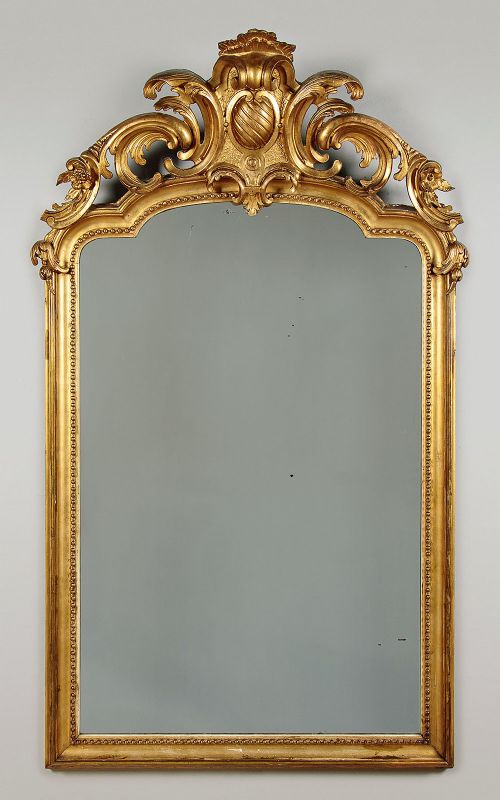
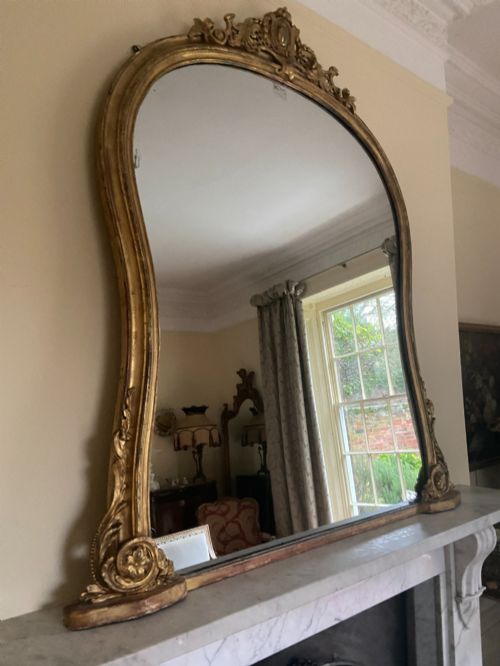
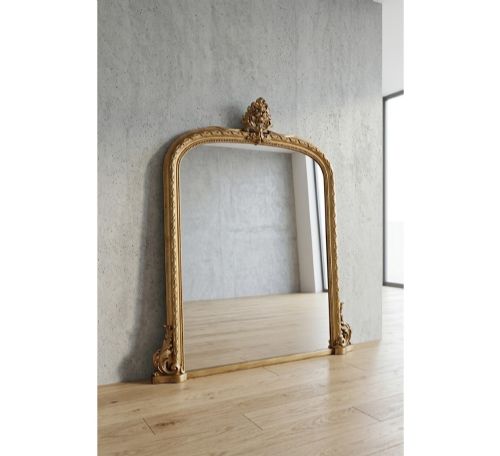
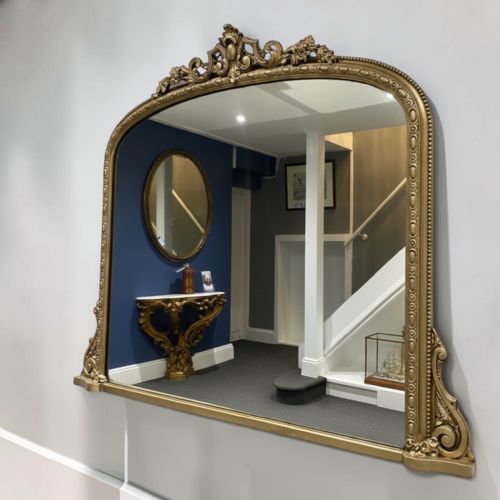
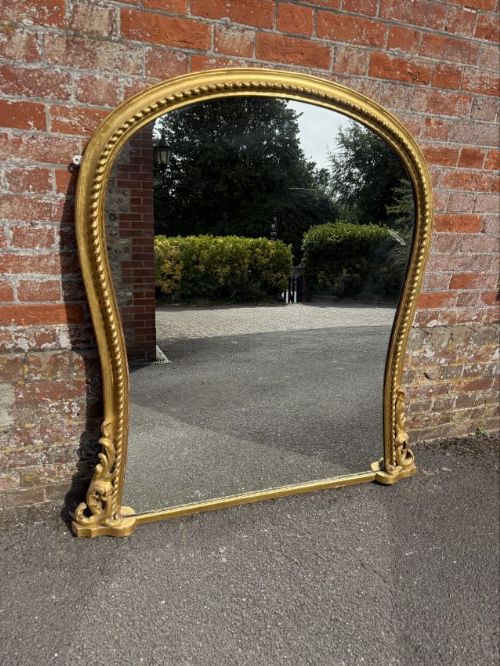
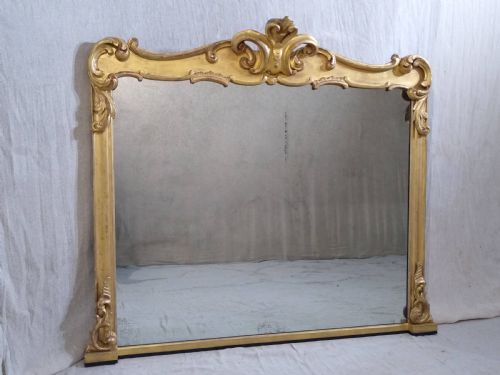
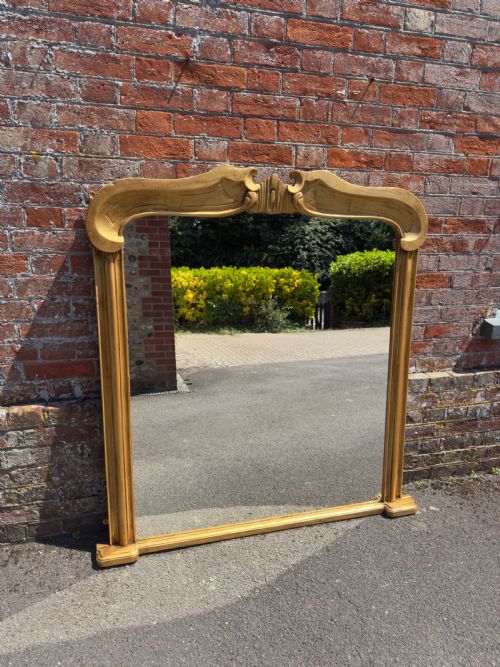
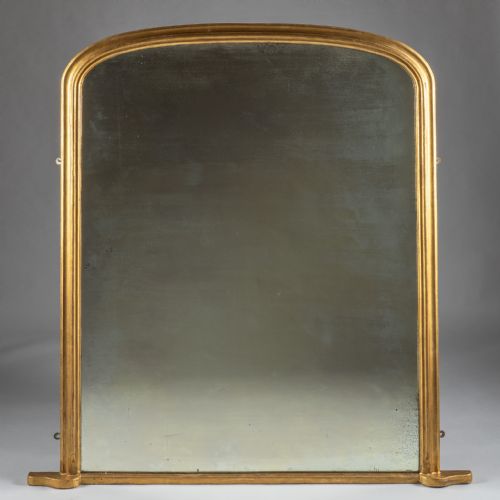
A gold arch fireplace glass brings grand nineteenth-century presence to a room, reflecting light from a commanding overmantel position.
Gold Arch Fireplace Glass
When searching for gold arch fireplace glass, buyers encounter large nineteenth-century overmantel mirrors designed to sit directly above a hearth. These substantial wall mirrors visually expand a room and capture natural light.
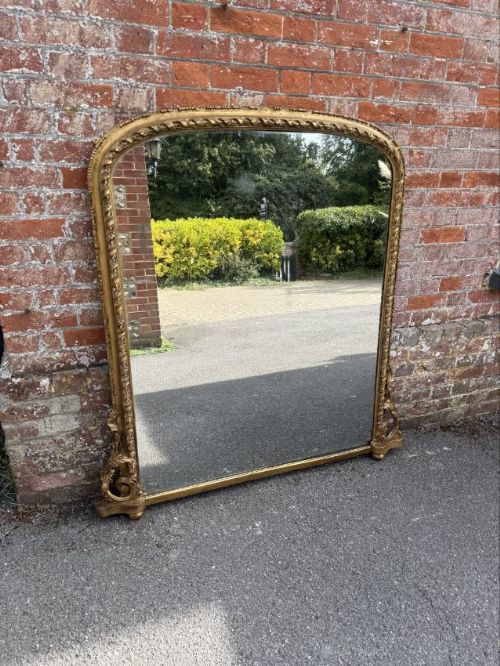
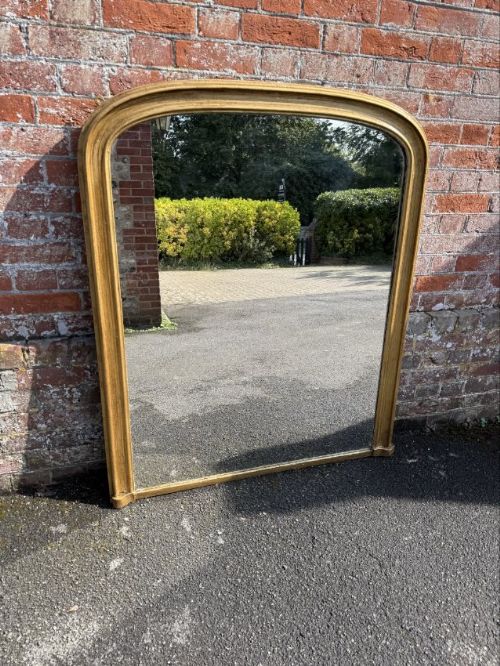
The most common version found here is the Victorian arched top mirror, frequently framed in carved wood and finished with gilt or gesso. They date predominantly from the mid to late nineteenth century, spanning the eighteen fifties to the eighteen nineties.
Originating largely from English workshops alongside occasional French chateau and Irish country house pieces, these architectural mirrors serve as the principal decorative focus of a fireplace elevation.
Materials and construction methods
Makers constructed the structural frames from carved timber, applying layers of gesso and composition mouldings to build up ornate surface relief. Artisans then applied gold leaf or water gilding over a prepared base.
Mirror glass plates of the period frequently display characteristic depth and subtle imperfections. Frames incorporate decorative details such as hour glass ribbing, rope twist motifs, and etched glass borders.
Gold Arch Fireplace Glass Retail Price Guide 2026
Typical asking prices for gold arch fireplace glass among the pieces listed under this phrase on Sellingantiques today, from the lower quarter to the upper quarter. They describe what is for sale here now, not the wider market.
Distinctions in craftsmanship
Quality separates pieces through the crispness of the hand-carved wood elements and the depth of the original gilding. Finer examples retain their original mirror plates and sturdy timber backs without heavy modern intervention.
The sophistication of the frame moulding dictates overall merit, distinguishing simpler parcel-gilt designs from elaborately sculpted rope twist and gesso compositions.
The Gold Arch Fireplace Glass Glossary
- Gesso
- A plaster-like mixture applied to wood frames to create a smooth surface for gilding. Artisans mould or carve intricate relief details into this layer.
- Overmantel Mirror
- A large wall mirror specifically proportioned to hang on the chimney breast above a fireplace mantelpiece. These pieces often feature an arched top to echo architectural niches.
- Giltwood
- Timber that has been coated with gold leaf or gold paint. This finish provides the characteristic metallic brilliance seen on nineteenth-century frames.
- Mirror Plate
- The actual sheet of glass used for reflection. Original plates often exhibit foxing and historic silvering variations.
- Water Gilding
- A traditional technique using liquid size to adhere ultra-thin gold leaf to a gesso surface. This allows the metal to be burnished to a high shine.
Gold Arch Fireplace Glass: Frequently Asked Questions
Where should an overmantel mirror hang?
These mirrors traditionally mount on the chimney breast directly above the fireplace surround, anchoring the surrounding room layout.
Positioning them at this height allows the glass to reflect light across the entire floor space.
How do I identify a Victorian mirror?
Victorian examples typically date between eighteen thirty-seven and nineteen hundred, showing distinct architectural proportions and heavy timber construction.
Look for construction characteristics like original wooden backs and traditional gesso application beneath the gold leaf.
Are original mirror plates common?
Many nineteenth-century pieces retain their original glass, which often displays charming signs of age such as light oxidation.
Original plates contribute significantly to the authenticity and historical character of the piece.
What is the difference between giltwood and gesso?
Giltwood refers to the underlying timber finished with gold, whereas gesso is the preparatory plaster ground applied to shape decorative mouldings.
Both materials work together to create the ornate, reflective frames typical of the period.