


Gold Jugs
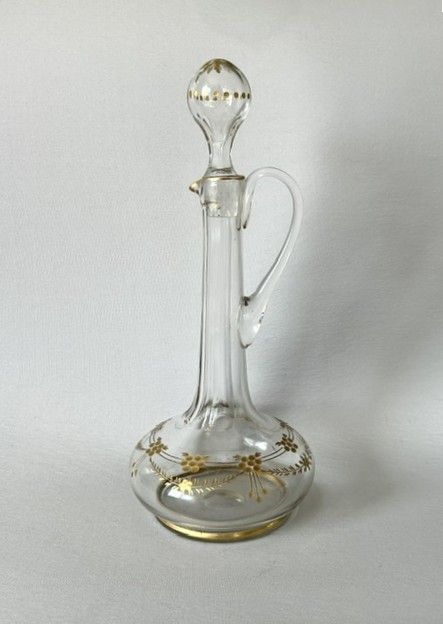
Gold antique jugs encompass decorative ewers, porcelain cream jugs, and gilded glass pitchers spanning the eighteenth to the twentieth centuries.
Gold Jugs
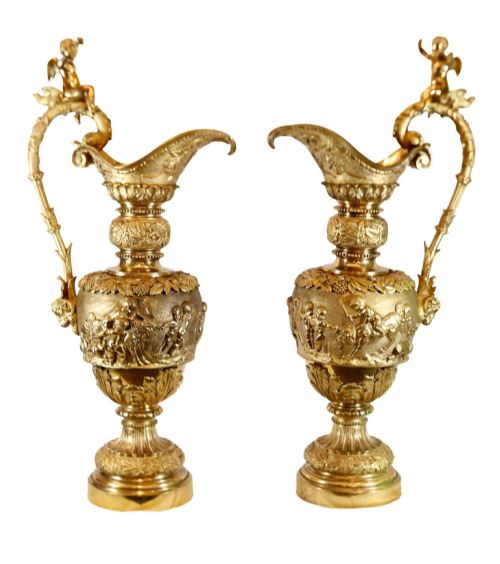
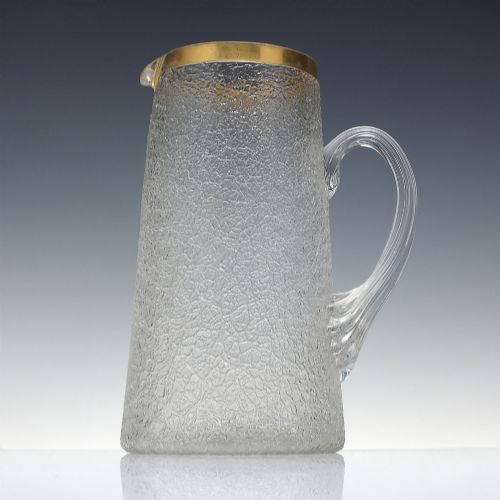
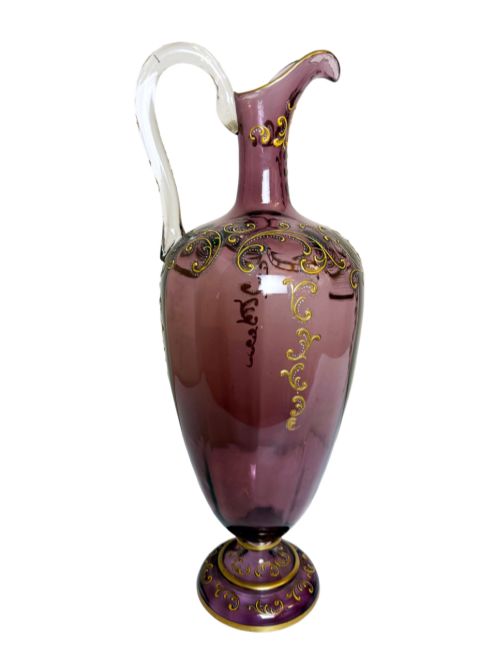
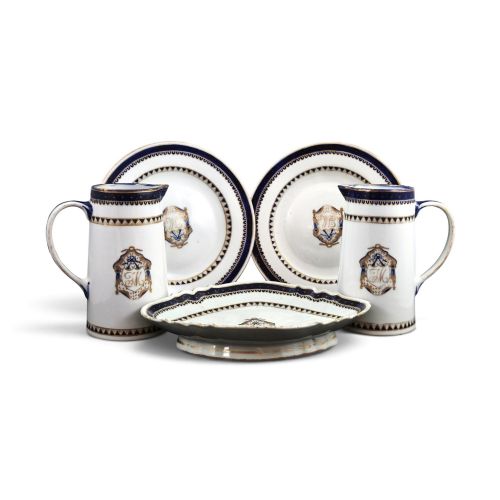
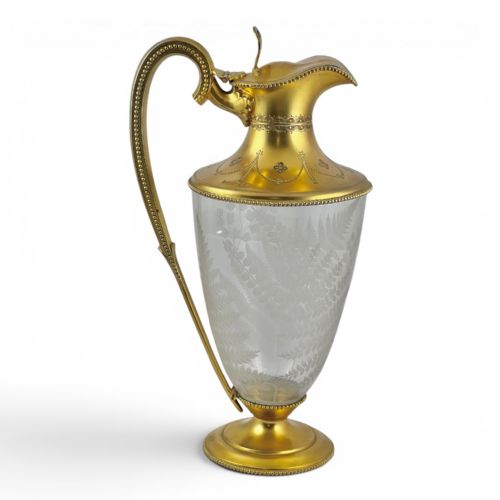
When searching for gold antique jugs, buyers encounter a diverse selection ranging from nineteenth-century porcelain cream jugs to monumental French gilt ewers and bohemian cut glass wine vessels.
The objects take many forms, including table services, decorative vases, and claret jugs, representing periods from the eighteenth century through the 1940s.
Ceramic forms dominate the selection, particularly pieces from English factories like Royal Worcester alongside French and Chinese export wares.
Materials and construction
Maker utilise porcelain, glass, and pottery as bodies, applying surface decoration through gilding, gold leaf, and hand-painted enamel details.
Metal components incorporate gilt bronze and ormolu, while glass pieces utilise blown techniques, overshot finishes, and cut crystal.
A porcelain lady figurine permanently holds a jug while observing the room.
Assessing quality
Quality depends upon the crispness of porcelain moulding, the precision of hand-painted floral panels, and the weight of ormolu mounts.
Finer examples display intricate reticulation, raised gold decoration, and artist signatures rather than simple transfer printing.
Grainger Worcester·Royal Worcester·Royal Crown Derby·Doulton Burslem·Baccarat·Coalport·Royal Dux·Rockingham·Derby Porcelain
The Gold Jugs Glossary
- Ewer
- A large jug with a wide spout and handle, traditionally used for water or wine. Many Victorian and French examples serve purely decorative functions.
- Gilding
- The application of a thin layer of gold or gold leaf to the surface of porcelain, metal, or glass. It enhances the decorative appeal of nineteenth-century tableware.
- Ormolu
- Finely chased and gilt bronze used for mounts on decorative vessels. French pieces frequently incorporate this material.
- Reticulation
- An openwork ceramic lattice design created by cutting through the clay before firing. Grainger Worcester pieces frequently demonstrate this technique.
Gold Jugs: Frequently Asked Questions
How do I care for antique gilt porcelain?
Gilt porcelain requires gentle hand washing in lukewarm water with mild soap. Avoid abrasive sponges or harsh detergents that wear away thin gold leaf applications.
Dry the pieces immediately with a soft cloth to protect both the ceramic glaze and the metallic decoration.
How can I date a Royal Worcester jug?
Royal Worcester pieces often carry manufacturer date codes stamped on the underside, utilising systems of dots or small symbols introduced in the late nineteenth century. Examining the style of hand-painted floral decoration also helps determine the decade of production.
Factory marks evolved across the Victorian and Edwardian periods, providing reliable chronological markers.
Were glass jugs used for wine or water?
Glass jugs served both functions depending on their form, with claret jugs featuring metal mounts and stoppers for serving wine. Overshot glass and crystal pitchers typically held water or other beverages for table service.
Etched and gilded decoration distinguished vessels intended for formal dining from everyday kitchenware.