


Gold Accent Frame
A gold accent frame brings warmth and structured reflection to a room, framing mirrors and seating with historic gilt surfaces.
Gold Accent Frame
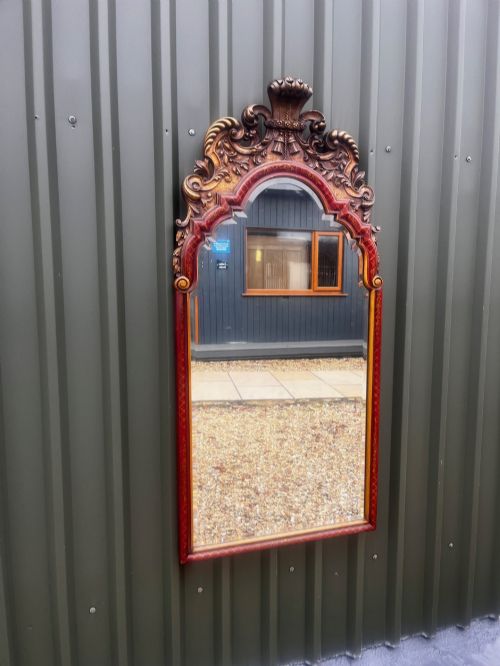
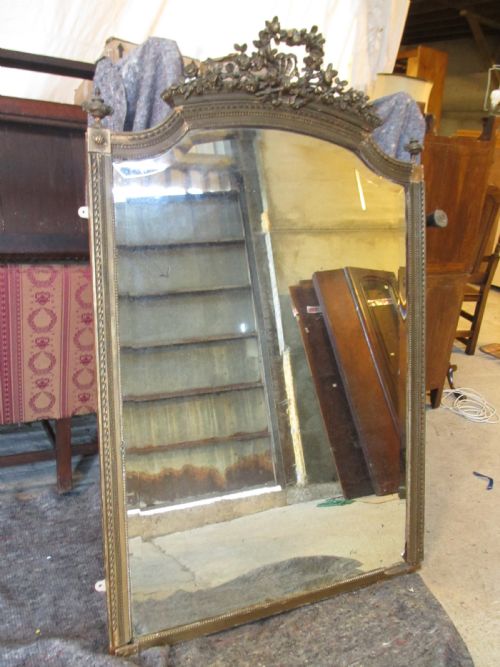
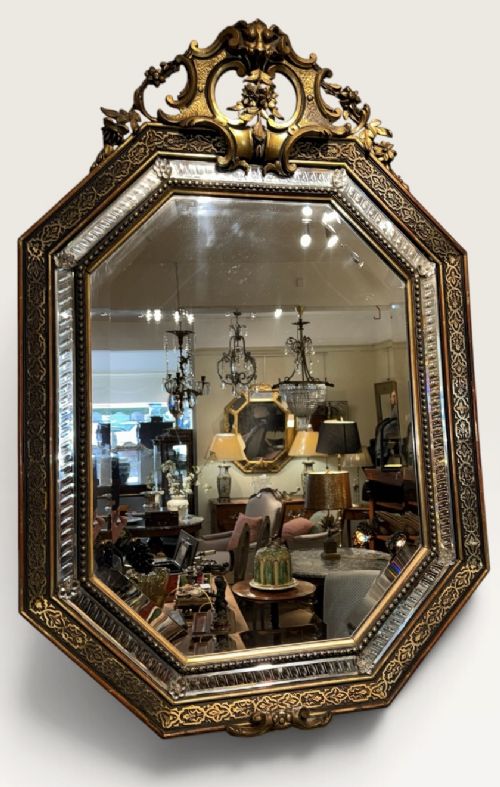
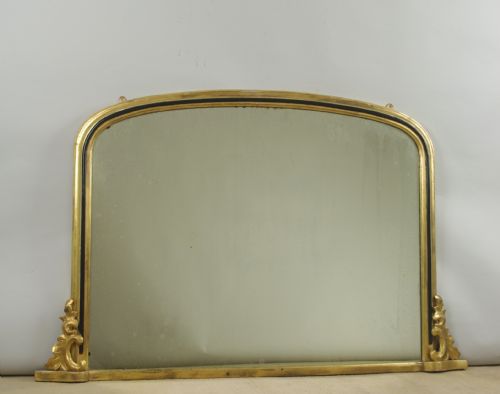
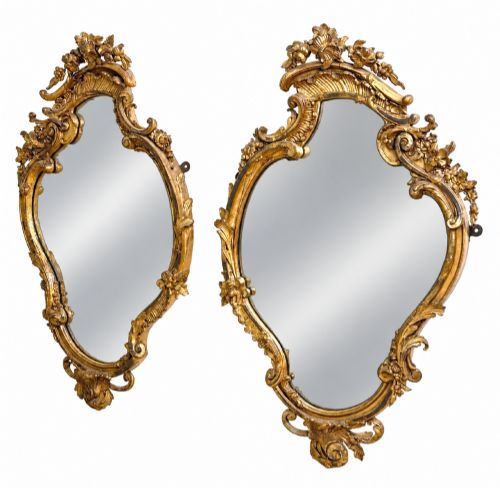
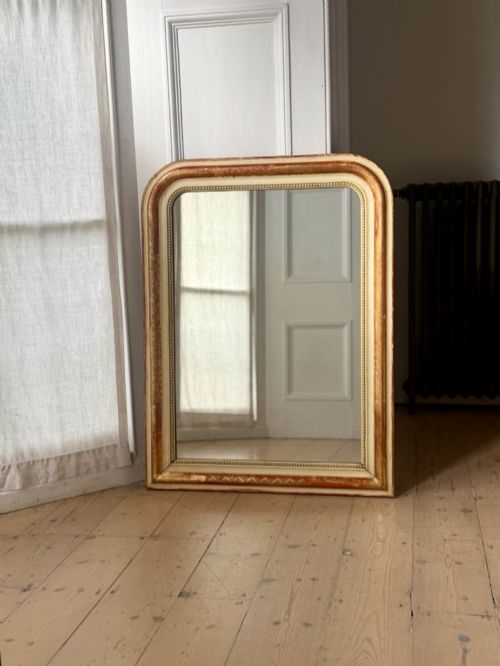
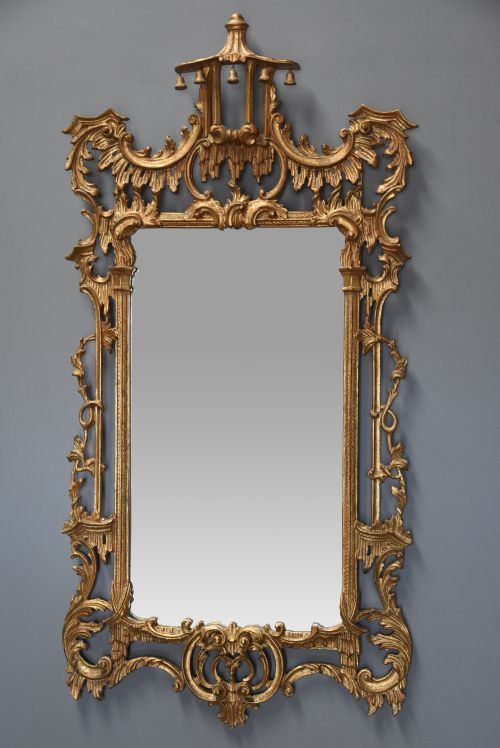
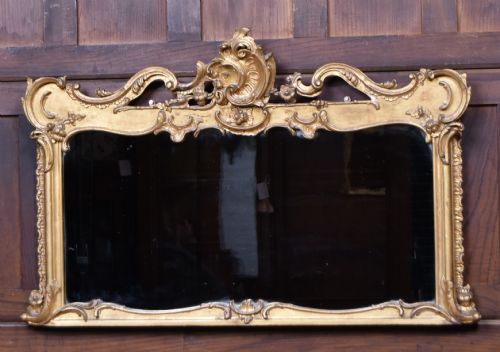
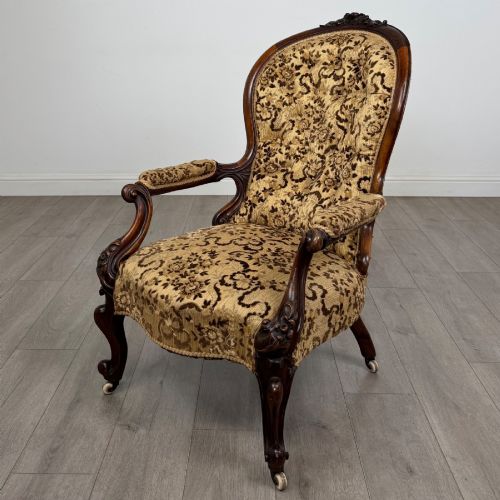
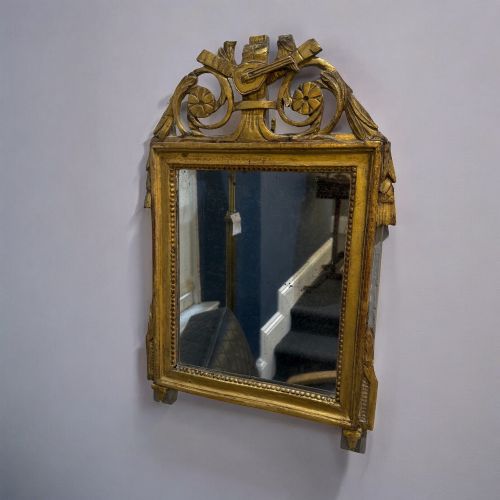
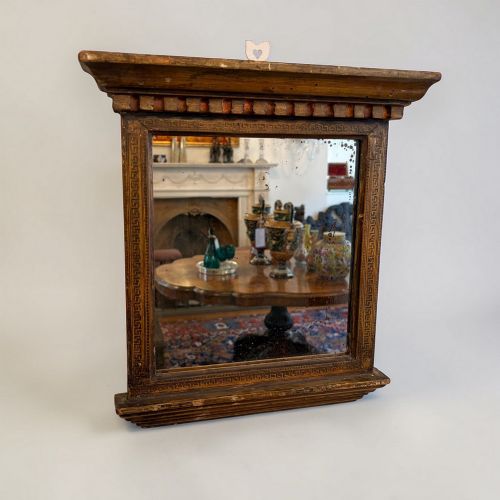
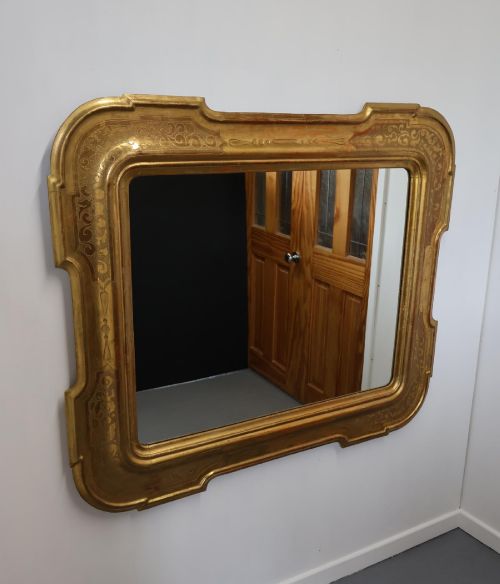
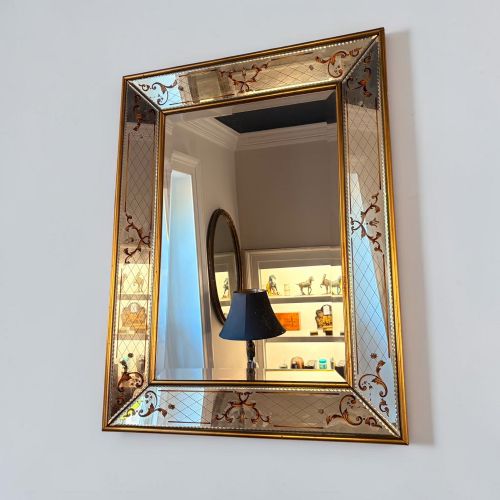
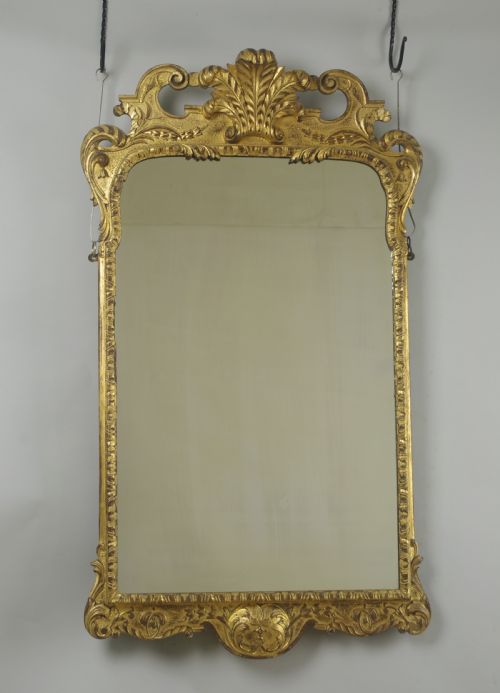
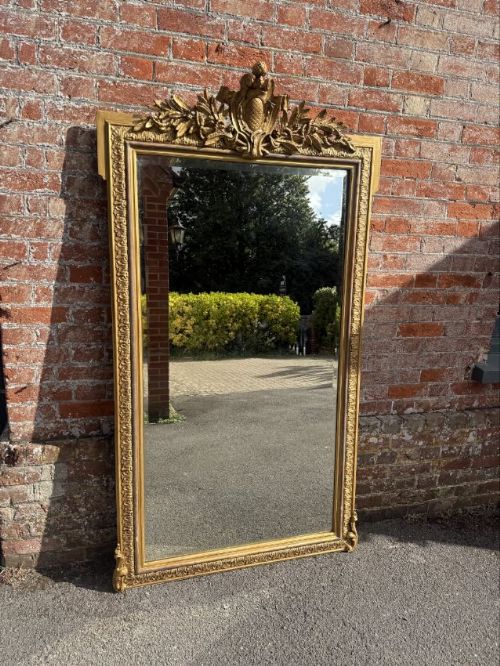
A gold accent frame most commonly appears on wall mirrors, overmantel mirrors, and armchairs originating from the nineteenth and early twentieth centuries. These items draw on historical aesthetics, with revival styles ranging from Rococo and Baroque to Neoclassical and Chinese Chippendale.
The selection centres on decorative wall mirrors and occasional seating where timber provides the underlying structure for ornate gilded decoration. Pieces span from compact pier mirrors to large overmantels designed to anchor a principal room.
Origin points across the listings include English, French, and Italian workshops, reflecting diverse regional interpretations of classical ornamentation during the Victorian era and subsequent decades.
Materials and technique
Carved timber or wood provides the primary structural foundation for these frames, often supplemented by applied gesso layers to build up intricate relief detail. Artisans then applied gold leaf or silver-gilt finishes over the prepared ground.
Mirror plates within these frames utilise traditional glass techniques, sometimes featuring engraved designs, bevelled edges, or eglomise panels. Armchair frames combine timber such as walnut or oak with carved gilt accents and upholstered seating.
Gold Accent Frame Retail Price Guide 2026
Typical asking prices for gold accent frame among the pieces listed under this phrase on Sellingantiques today, from the lower quarter to the upper quarter. They describe what is for sale here now, not the wider market.
Rose vines and ribbon twists hide within the gilded wood, waiting for someone to trace the artisan's chisel.
What varies in quality
Depth and crispness of hand-carved detail separate standard production from superior examples, particularly in the rendering of foliage, scrollwork, and figurative motifs on gesso and wood. The finesse of the gilding application dictates how light catches the surface over time.
The integrity of the underlying timber frame and the original condition of the glass plate or upholstery influence the overall character and visual balance of the piece.
The Gold Accent Frame Glossary
- Giltwood
- Wood that has been coated with a thin layer of gold leaf. This technique creates a luminous surface finish characteristic of antique frames.
- Gesso
- A plaster-like mixture applied to wood surfaces and carved before gilding. It allows artisans to achieve sharp relief details.
- Overmantel mirror
- A large mirror designed specifically to hang above a fireplace mantelpiece. These pieces often feature extended horizontal proportions.
- Eglomise
- A process of applying gold or silver leaf to glass combined with engraving and painting. It produces a reflective panel with ornamental borders.
- Rococo revival
- A nineteenth-century design movement mimicking the ornate asymmetry of eighteenth-century French style. It relies heavily on C-scrolls and natural motifs.
Gold Accent Frame: Frequently Asked Questions
How do I hang a heavy overmantel mirror?
Heavy carved frames require secure fixing directly into wall studs or masonry using appropriate brackets that match the weight of the timber and glass.
Professional installation ensures the frame remains stable and distributes the load evenly across the structure.
Where should I place a gilt wall mirror?
Positioning a mirror opposite a window maximises natural light distribution and creates an open sense of space within a room.
These pieces also function effectively above sideboards or console tables to anchor a focal point.
How do I clean an antique gilt frame?
Dusting gently with a soft, dry brush prevents accumulation without disturbing fragile gold leaf or aged gesso surfaces.
Liquid cleaners and abrasive cloths must be avoided to protect the historic finish from chemical damage.
What defines nineteenth-century revival styles?
Revival pieces draw inspiration from earlier historical periods such as the Baroque, Rococo, or Neoclassical eras, reinterpreting them through contemporary nineteenth-century craftsmanship.
Maker adaptations incorporate traditional motifs like acanthus leaves and ribbon twists into new domestic furnishings.