
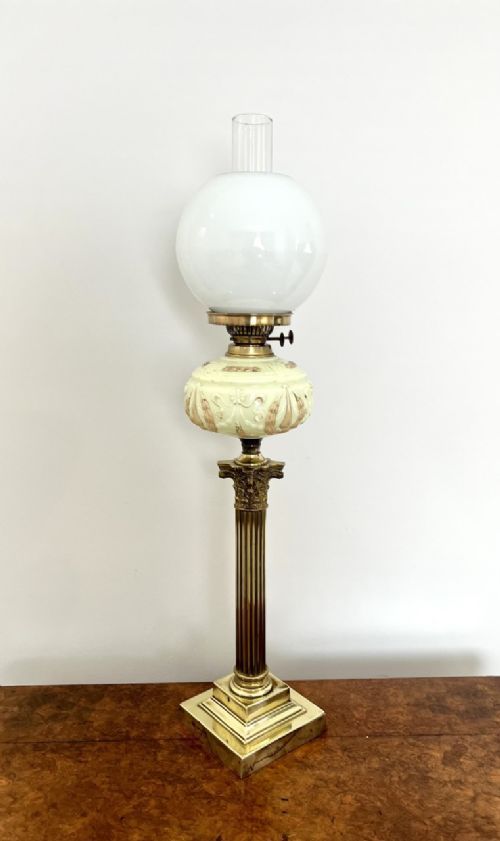

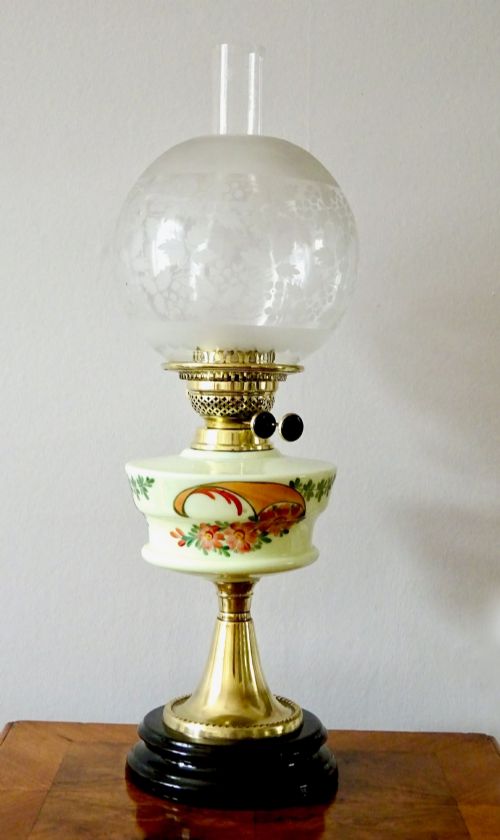


Globe Desk Lamp
These globe desk lamp items combine functional illumination with period character, offering functional task lighting rooted in historical design.
Globe Desk Lamp
When you search for a globe desk lamp, you encounter task lighting and decorative fixtures that integrate spherical glass shades or globe elements. The selection draws primarily from the Art Deco and Victorian periods, alongside Edwardian examples.
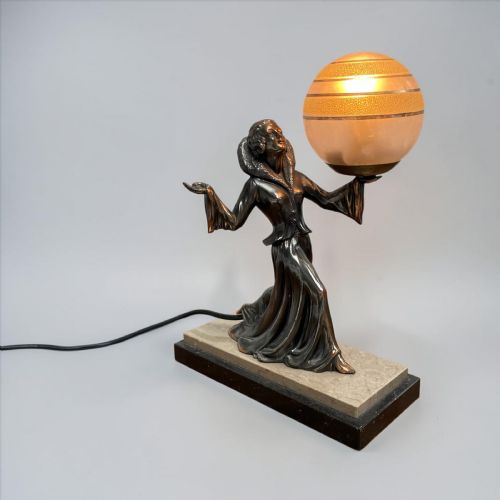
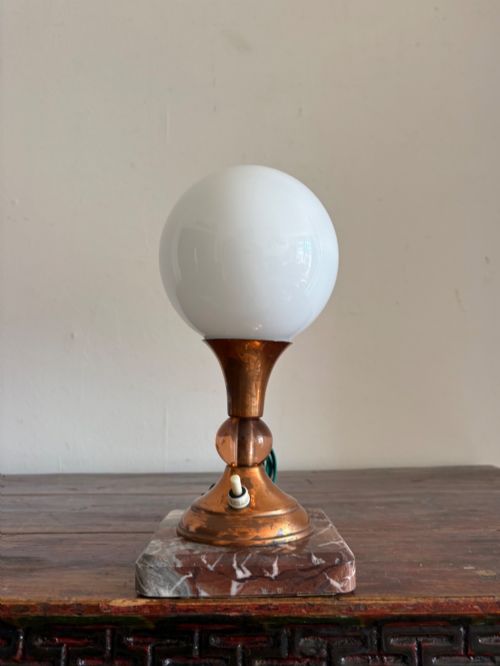
Most pieces combine metal stands made of brass, chrome, bronze, or spelter with glass or opaline glass shades. Forms include figural table lamps, converted oil lamps, and modernist designs originating from England and France.
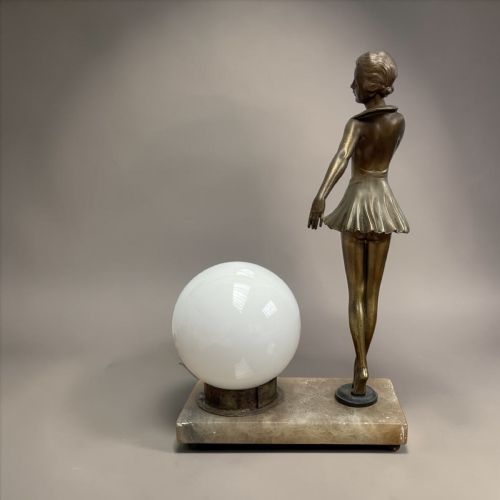
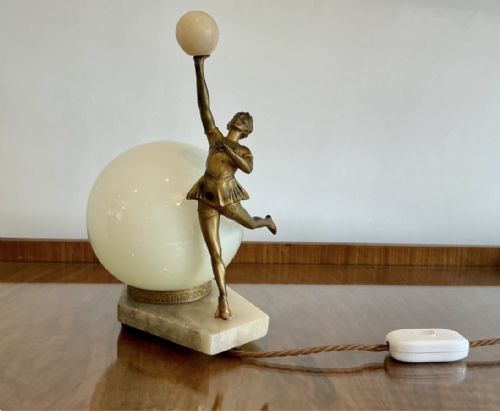
The inventory encompasses table lamps and oil lamps that function effectively as desk or mood lighting. Figures such as nudes, athletes, and animals frequently support the globe components in Art Deco iterations.
How they were made
The construction utilises metals such as brass, bronze, copper, chrome, and silver plate for structural integrity and bases. Bases are frequently anchored by heavy materials including marble, granite, alabaster, and ceramic to support the form.
Shades and globe elements rely on glass, opaline glass, and terrestrial glass components. Synthetic early plastics like bakelite, catalin phenolic, and faience appear in specific modernist and period iterations.
Listings span periods from the 1880s through the 1940s, showcasing materials including brass, chrome, marble, and opaline glass.
What varies in quality
Quality differentiates through the weight and selection of base materials, distinguishing solid marble, bronze, and heavy brass castings from lighter spelter or plated alternatives. The fineness of figural modelling on nude or animal bases shifts between mass-produced items and more detailed sculptural works.
The standard of the glass shade, particularly the depth of opaline layers or the crispness of moulded globe patterns, dictates the refinement of the piece. Metal finishing, from patinated metal to polished chrome, shows varied levels of preservation and original craftsmanship.
The Globe Desk Lamp Glossary
- Opaline Glass
- A type of semi-opaque glass with a milky appearance, frequently used for lamp shades to diffuse light softly. It appears commonly in Victorian and Edwardian oil lamp conversions.
- Spelter
- An alloy of zinc and lead used as a cheaper alternative to bronze for casting decorative figures. It is frequently painted or patinated to imitate bronze.
- Bakelite
- An early form of synthetic plastic used extensively in 1930s electrical items and lamp bases. It provides a durable, heat-resistant structure with a distinctive tactile quality.
- Pricket
- A type of candlestick or lamp featuring a central spike to secure the candle or fitting. It originates from ecclesiastical metalwork traditions.
- Patinated Metal
- Metal surfaces treated with chemical agents or heat to produce a controlled surface colour and aged appearance. This finish protects the underlying bronze, brass, or copper.
Globe Desk Lamp: Frequently Asked Questions
How do I wire an antique lamp?
Rewiring typically requires a modern electrical flex and a certified electrician to ensure safety standards. Many older lamps have been converted from oil or adapted over time.
Retaining original key components like brass switches or ceramic holders preserves historical integrity while allowing modern plugs.
Are these lamps suitable for daily use?
Most desk and table lamps provide functional task or ambient lighting suitable for everyday environments. Using low-heat LED bulbs compatible with vintage fittings protects fragile glass shades.
Positioning the heavy marble or bronze bases on stable surfaces prevents accidental tipping during operation.
What is an oil lamp conversion?
An oil lamp conversion involves adapting a nineteenth-century oil or paraffin burning fixture to accept electrical wiring and bulb sockets. This process allows historical brass and ceramic bodies to function with modern electricity.
Original burners and glass shades are often retained to maintain the visual character of the Victorian or Edwardian period.