






Glazed Wall Plaque
A glazed wall plaque brings rich colour and figurative storytelling directly to a room through fired earth and liquid mineral pigments.
Glazed Wall Plaque
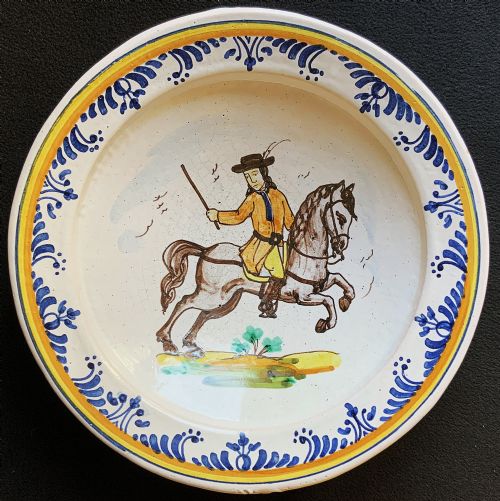
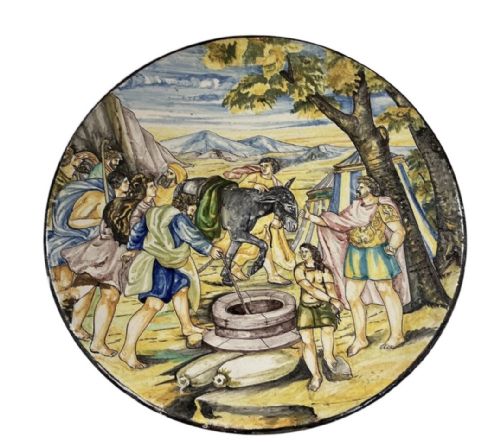
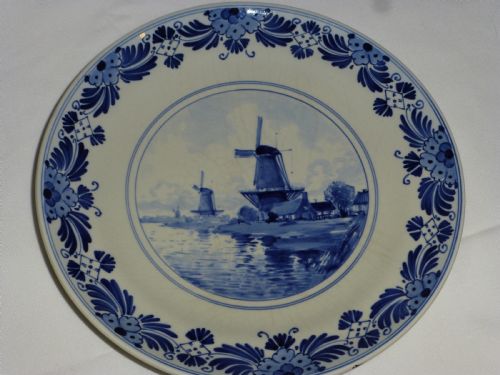
A glazed wall plaque is a solid ceramic or earthenware piece designed specifically for display on a wall rather than for table service. When searching for a glazed wall plaque, collectors encounter everything from Dutch blue and white chargers to French faience and majolica panels.
The objects span diverse historical periods ranging from the seventeenth century to the mid-twentieth century, including Victorian folk art, Art Deco works, and Renaissance Revival designs. Continental delftware and Italian maiolica forms appear frequently among these listings.
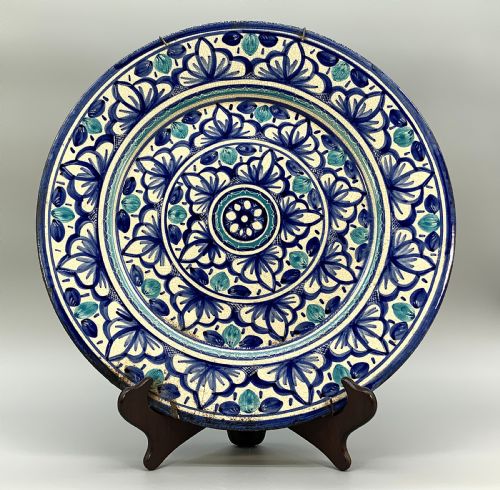
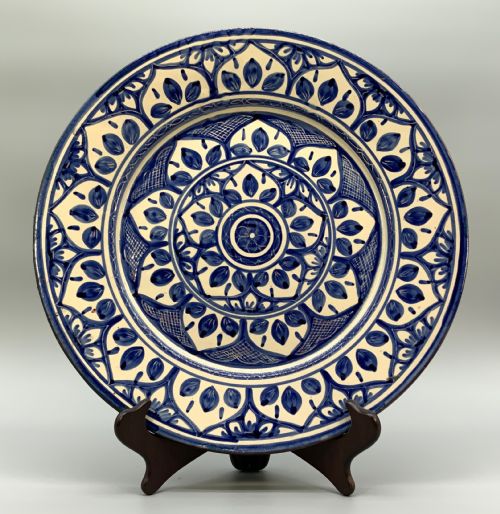
Makers and regional potteries applied varied motifs, depicting classical historical scenes, religious subjects like the Madonna and Child, or vibrant Chinoiserie landscapes. These items function primarily as decorative art, shifting from deep polychrome glazes to stark blue and white pigment work.
Materials and construction methods
Makers formed these pieces using earthenware, ceramic, and faience bodies, often applying a tin glaze or tin-glazed earthenware surface to receive the pigments. This absorbent base allowed painters to work intricate designs directly into the wet or fired glaze before a final kiln baking.
Pigments were carefully brushed onto the surface to create deep blues, rich polychrome hues, and turquoise relief effects. Wood frames occasionally complement the ceramics, securing tiles and plaques designed for vertical hanging.
Glazed Wall Plaque Retail Price Guide 2026
Typical asking prices for glazed wall plaque among the pieces listed under this phrase on Sellingantiques today, from the lower quarter to the upper quarter. They describe what is for sale here now, not the wider market.
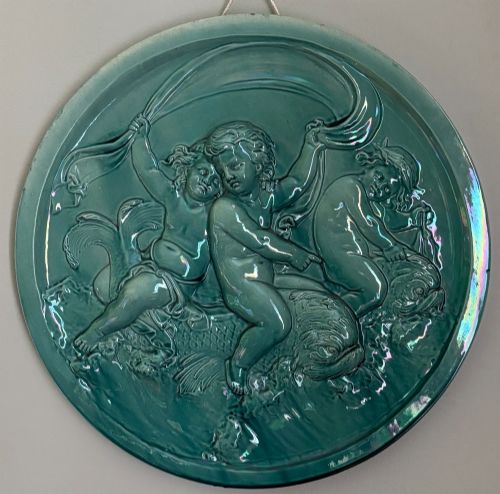
Cheetahs and birds peer out from decorative French tiles while children frolic with dogs and goats in turquoise relief.
Assessing quality and execution
Quality rests heavily on the dexterity of the brushwork and the complexity of the narrative scene rendered on the surface. Finer examples display meticulous detail in figurative subjects, such as historical figures or avian motifs, while simpler pieces rely on repeating geometric or floral patterns.
The richness and stability of the glaze also separate ordinary items from exceptional works. A successful firing yields deep, luminous mineral colours without excessive pooling, bubbling, or cloudiness across the ceramic canvas.
Clement Messier·Sherwin & Cotton·Reginald Robert Tomlinson·Longwy·Gio Ponti·Richard Ginori
The Glazed Wall Plaque Glossary
- Maiolica
- Tin-glazed Italian earthenware typically decorated with vibrant polychrome pigments and historical scenes. This technique flourished during the Renaissance and inspired later revival pieces.
- Charger
- A large decorative plate or plaque meant for display on walls or sideboards rather than dining use. These substantial pieces provide a wide surface for elaborate narrative painting.
- Faience
- Tin-glazed pottery originating in France and other European regions, noted for its fine white surface and painted decoration. It shares technical roots with Dutch delftware.
- Istoriato
- A style of ceramic decoration featuring narrative scenes derived from history, mythology, or religion. Painters covered the entire surface of the plaque with figurative compositions.
- Chinoiserie
- European artistic interpretations of Chinese and East Asian motifs, popular in ceramic decoration during the eighteenth century. These designs often feature whimsical landscapes and figures.
Glazed Wall Plaque: Frequently Asked Questions
How do I hang a heavy ceramic plaque safely?
Most substantial wall plaques and chargers require secure wire or bracket systems designed to distribute weight evenly across the ceramic body.
Avoid relying solely on delicate mounting points, and ensure wall anchors match the weight of the earthenware piece.
Were these plaques meant for walls or tables?
While many large chargers originated as display platters, pieces equipped with mounting holes or fitted into wooden frames were intended specifically for vertical wall presentation.
Collectors should examine the reverse side for original suspension loops or mounting evidence.
What distinguishes delftware from majolica?
Delftware traditionally refers to tin-glazed earthenware produced in the Netherlands and England, frequently characterised by blue and white pigment work.
Majolica generally points to Italian and continental European tin-glazed pottery featuring rich polychrome colour palettes and relief moulding.