


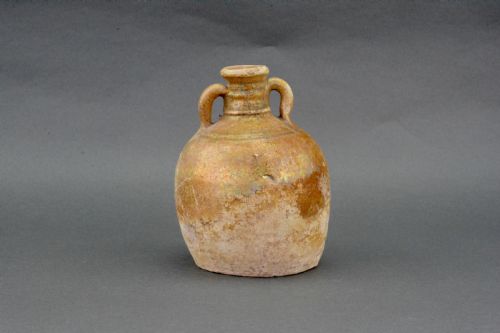

Glazed Terracotta Jug
A glazed terracotta jug is a poured vessel shaped from clay and finished with vitreous coatings, bringing tactile warmth and centuries of domestic utility to any interior.
Glazed Terracotta Jug
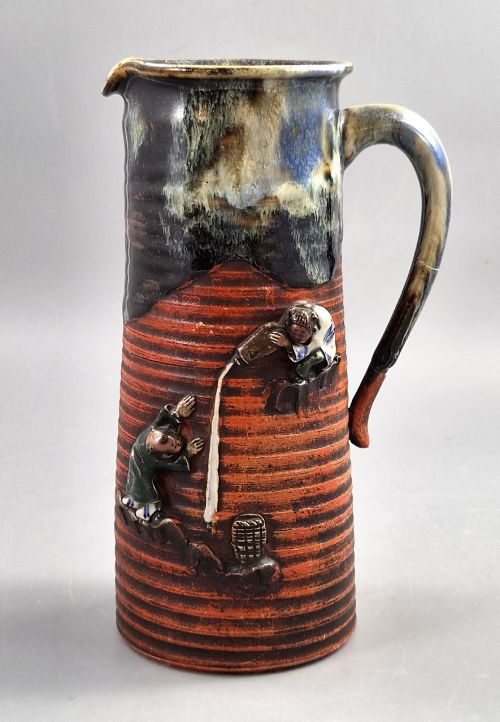
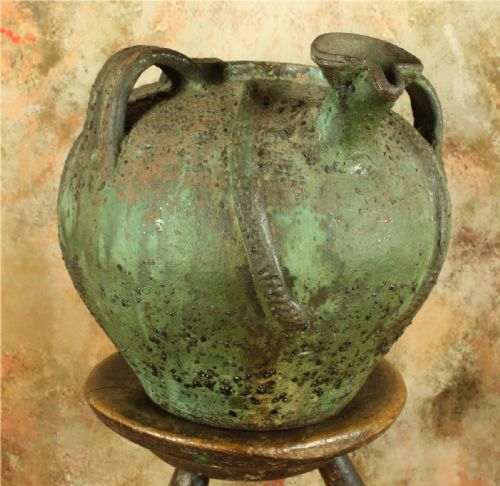
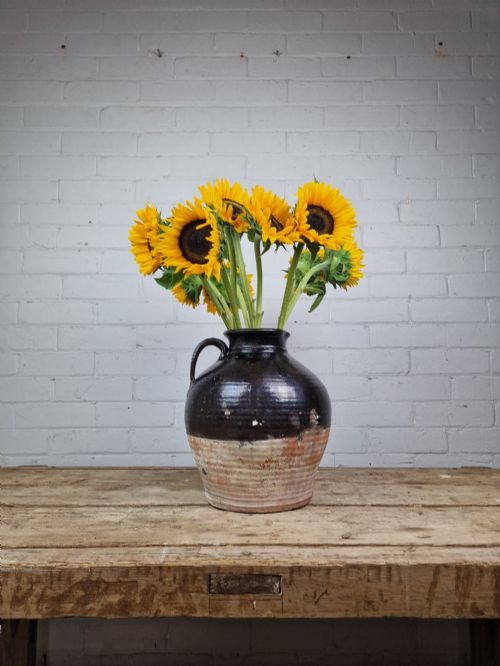
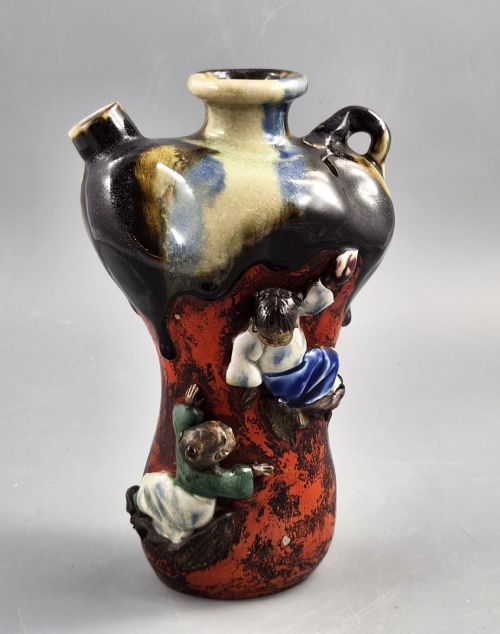
When you search for a glazed terracotta jug, you encounter an array of vessels spanning from pre-16th century Roman flasks to early 20th-century French cream jugs and Japanese Sumida Gawa pitchers. These objects take the form of amphorae, pitchers, strawberry jars, and water pots utilised for storing liquids, serving ale, or pouring cream. Originating across diverse regions such as England, France, Japan, Turkey, and the Netherlands, they reflect both daily rural life and decorative artistic traditions.
The versions most likely to meet you on this page range from rustic country and French provincial earthenware to elaborate Aesthetic Movement and Meiji-Taishō period pottery. You find three-handled olive jugs alongside small slipware vessels and patterned Doulton pieces. Each item carries the distinct structural marks of its era, whether shaped in the 17th century or cast around 1900.
How they were made
Potters form these vessels from clay and terracotta, utilising traditional throwing and moulding techniques before applying a ceramic or lead glaze to seal the porous body. Many pieces incorporate slipware decoration, where liquid clay or paint is trailed across the surface to create contrasting linear patterns.
Makers then fire the earthenware in kilns, resulting in durable vessels with varied surface textures. Some surfaces remain smooth and glossy under clear lead glaze, whilst others feature heavily textured relief scenes or matte finishes characteristic of specific regional kilns.
An 18th-century French olive jug arrives equipped with three handles, presumably for sailors who needed extra grip during stormy weather.
What varies in quality
The standard of a glazed terracotta jug rests on the harmony between its form and the execution of its surface finish. Pieces displaying controlled slip trails or finely detailed modelled figures, such as those from the Meiji-Taishō period, demonstrate a high degree of technical skill.
Material integrity and the survival of the original glaze layer also determine the standing of an item. Vessels maintaining crisp decorative relief and even kiln finishes distinguish themselves from heavier, purely utilitarian wares.
Doulton Slater·Inoue Ryosai
The Glazed Terracotta Jug Glossary
- Terracotta
- A porous, brownish-red earthenware clay that is fired at relatively low temperatures. It serves as the primary structural body for many early pots and jugs.
- Slipware
- Pottery decorated with slip, which is a liquid mixture of clay and water applied before firing. It creates contrasting patterns beneath a translucent glaze.
- Lead glaze
- A traditional shiny coating containing lead compounds applied to earthenware to render it waterproof. It vitrifies during the kiln firing process.
- Amphora
- A tall ancient container possessing two handles and a narrow neck, traditionally used for holding oil or wine. These forms influenced later regional pottery styles.
- Earthenware
- Pottery made from clay that fires at lower temperatures and remains porous unless glazed. It constitutes the broad material family for most rustic jugs.
Glazed Terracotta Jug: Frequently Asked Questions
How do I clean a glazed terracotta jug?
Wash the vessel gently using warm water and a soft cloth, avoiding harsh detergents that might penetrate historical glazes.
Allow the piece to dry thoroughly in open air, ensuring no moisture remains trapped within the porous terracotta body.
Can I use these jugs for liquids?
Many older earthenware vessels feature hairline fractures or worn lead glazes that render them unsuitable for holding consumable liquids safely.
Treat historical pieces primarily as decorative objects or dry flower vases to protect the integrity of the clay.
How do I identify Dutch slipware?
Look for distinctive piped white or cream clay trails layered over dark reddish terracotta bodies, commonly produced during the seventeenth century.
These pieces often present robust, utilitarian forms designed for domestic storage or serving.
What defines Meiji-Taishō pottery?
Japanese ceramics from this era frequently display heavy drip glazes and applied figural scenes modeled in high relief around the body.
Artists combined traditional throwing methods with expressive sculptural elements that set them apart from European wares.