


Glazed Shop Counter
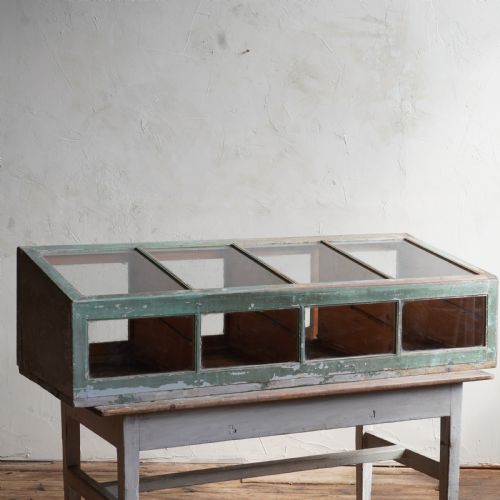
A glazed shop counter is a commercial display unit designed for retail merchandise, combining timber framing and glass panels to present stock clearly.
Glazed Shop Counter
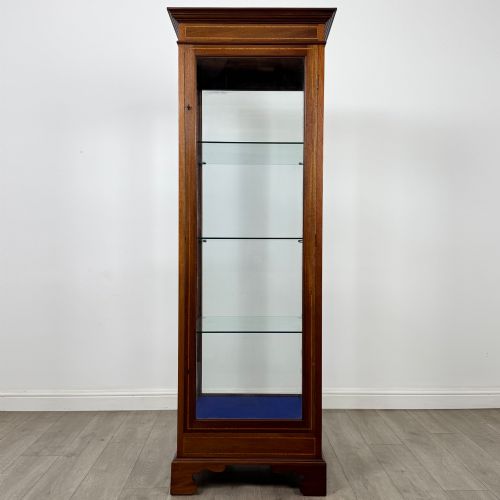
A glazed shop counter brings together timber frames and glass panels, serving as the central working surface and display area in historic retail environments. When looking for a glazed shop counter, buyers encounter various forms ranging from compact countertop display cases to large freestanding shop counters and haberdashery units.
The selection spans multiple periods, featuring Victorian and Edwardian examples alongside pieces from the 1920s and Art Deco 1930s commercial eras. These units accommodated everything from confectionary and tea to pharmacy goods and general retail stock.
Countertop display cabinets and larger serving counters dominate the available forms. Many examples incorporate specialised advertising or signage relating to historic brands such as Fry's, Rowntree's, and Cadbury's.
Materials and Construction
Makers built these commercial fixtures primarily using solid timbers like mahogany and oak, chosen for structural strength and polished finishes. Glass panels provided maximum visibility for goods while protecting merchandise from dust and handling.
Metal elements including brass hardware and mirror glass interiors appeared frequently to enhance light reflection and secure access doors. Some pieces also utilised ebonised finishes, gold leaf detailing, or distressed paint surfaces for visual effect.
Materials recorded across the inventory include mahogany, oak, brass, mirror glass, gold leaf, and various unspecified woods.
Factors of Quality
Quality in a glazed shop counter rests on the selection of timber and the joinery used in the frame construction. Superior pieces demonstrate precise framing, robust glazing retention, and well-fitted drawers or sliding rear doors.
The presence of original manufacturer details, specialised advertising branding, or integrated mirrored interiors elevates the character of a piece. Finer examples retain their original glass panels and operational hardware without excessive structural alterations.
F. Sage & Co.·E. Pollard & Co. Ltd.
The Glazed Shop Counter Glossary
- Glazed shop counter
- A retail furniture piece featuring a wooden base and a glass-topped or glass-fronted upper section for merchandise display. These units stood between the shopkeeper and the customer.
- Countertop display cabinet
- A smaller enclosed glass case designed to sit directly on top of a main shop counter. They placed high-value or impulse items at eye level.
- Haberdashery cabinet
- A specialised multi-drawer storage and display unit used in drapery and clothing shops. They frequently incorporated glass fronts or glass-fronted drawers to show small items of stock.
- Ebonised
- Wood treated with a chemical stain or finish to imitate ebony. This dark finish gained popularity in various nineteenth and early twentieth century furniture designs.
- Advertising cabinet
- A display case featuring manufacturer branding or painted signage for commercial goods such as chocolate or tea. Retailers used them as point-of-sale promotional tools.
Glazed Shop Counter: Frequently Asked Questions
What were glazed shop counters used for?
Retailers utilised these fixtures to display delicate or valuable merchandise securely while allowing customers a clear view of the stock. They stood on the shop floor as serving counters or sat atop existing furniture to hold smaller goods.
Merchants stored confectionary, tobacco, tea, and pharmaceutical products inside these enclosed spaces to keep items clean and protected from handling.
How do I identify a Victorian glazed counter?
Victorian examples generally feature heavier timber construction, predominantly in mahogany or oak, with traditional hand-cut joinery. They often display deeper mouldings and simpler structural lines compared to later twentieth-century commercial designs.
Later Edwardian and 1920s versions frequently incorporated lighter framing, larger single sheets of glass, and specialised brand advertising for confectionery companies.
Can I use an antique shop counter at home?
These counters adapt well to modern domestic interiors as kitchen islands, sideboards, or display furniture in living spaces. The glass panels and internal shelving provide practical storage and display potential for collections.
Placing them in a home requires careful measurement of floor space and ceiling clearance, particularly with larger freestanding units or tall display cabinets.
What is an advertising display cabinet?
An advertising cabinet is a specialised retail display unit marked with the name or logo of a specific nineteenth or twentieth-century manufacturer. Brands such as Fry's, Rowntree's, and Cadbury supplied these glazed cases to shops to promote their specific confectionary goods.
These branded pieces served a dual purpose as functional storage and point-of-sale marketing within busy retail environments.