


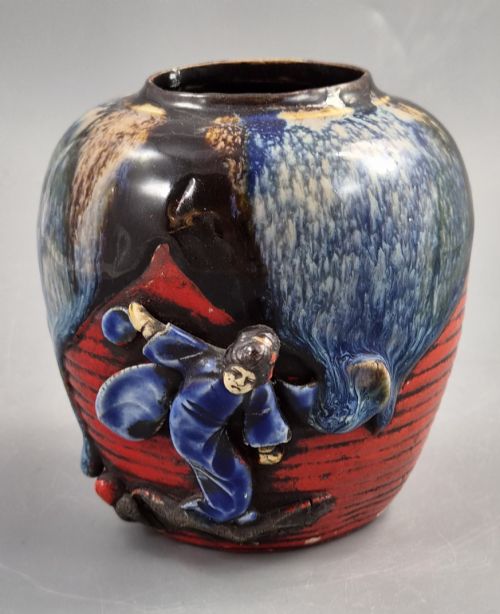

Glazed Pottery Figure
These glazed pottery figure pieces bring character and history into a room through regional craft traditions spanning the Victorian era to the Meiji period.
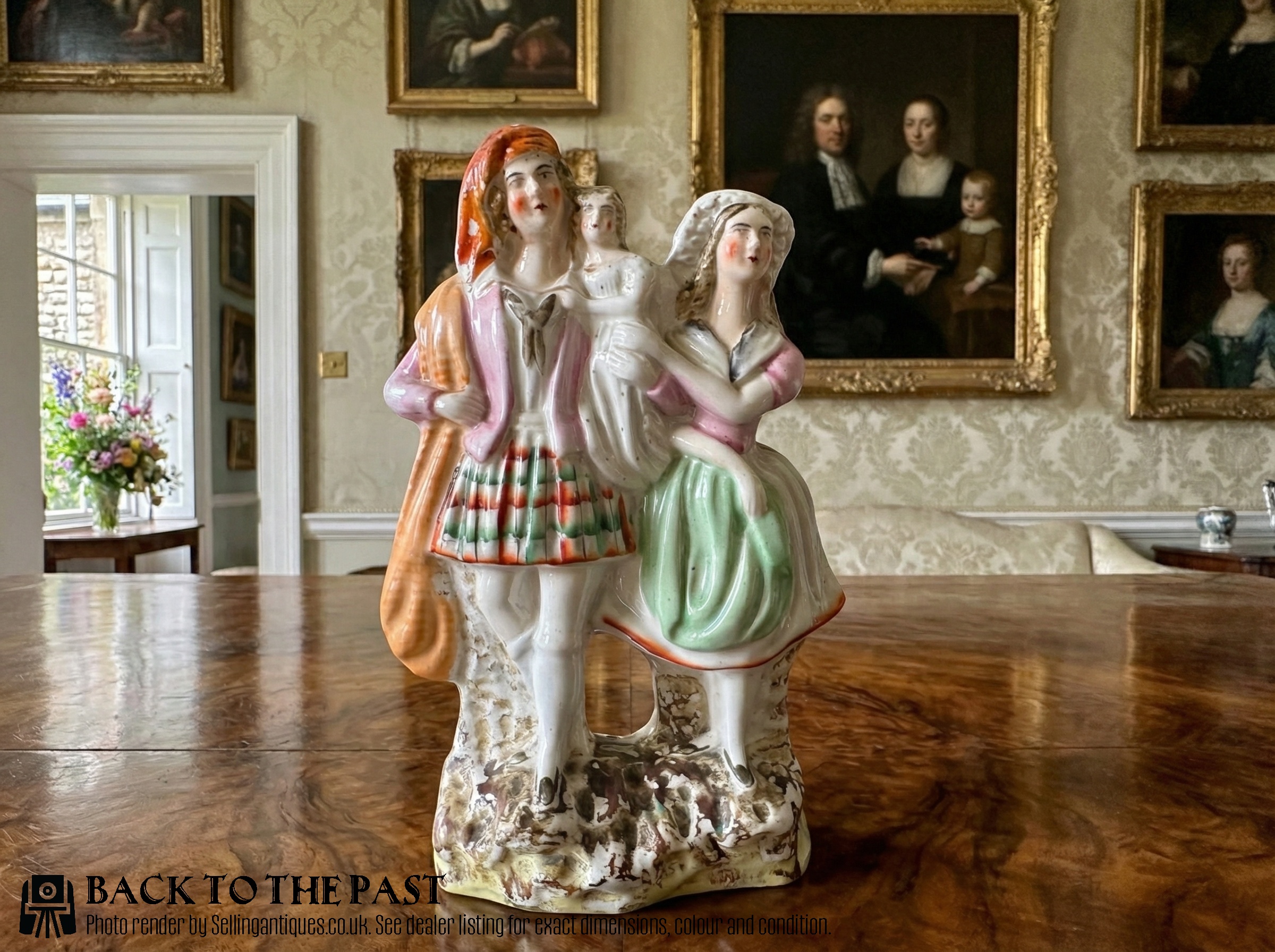
Glazed Pottery Figure
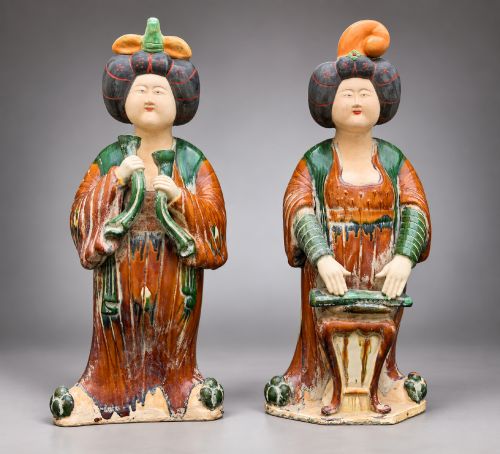
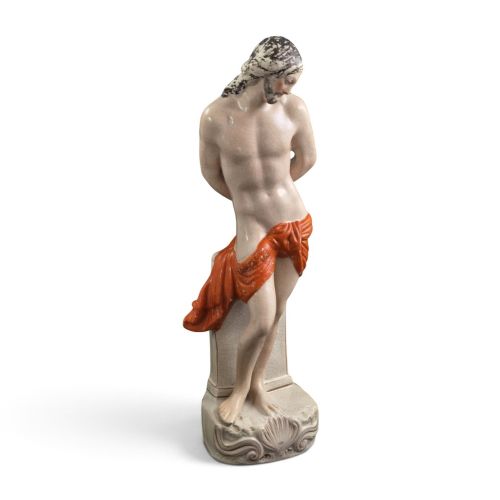
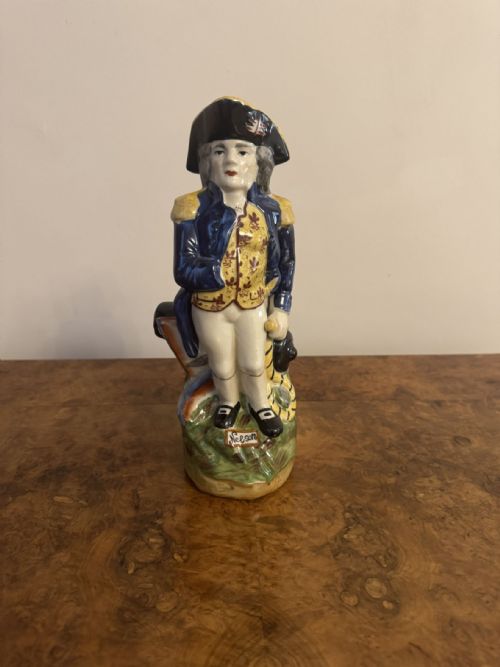
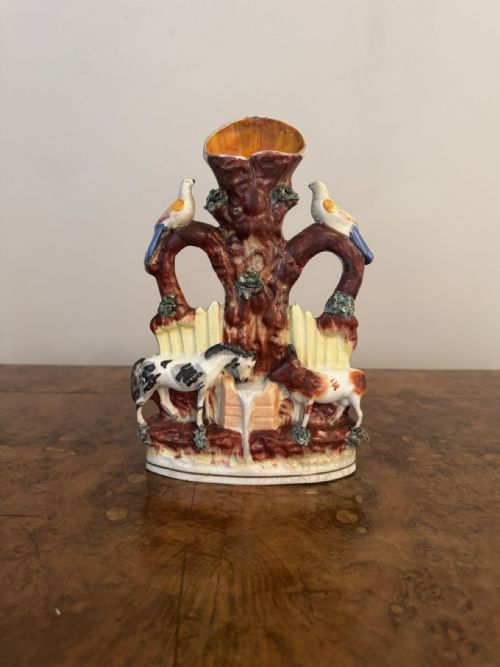
When you search for a glazed pottery figure, you encounter a diverse array of ceramic sculptures spanning British Staffordshire flatbacks, Japanese Sumida Gawa wares, and continental European earthenware. These pieces range from portraits of historical figures and literary characters to animals, mythical beasts, and genre scenes.
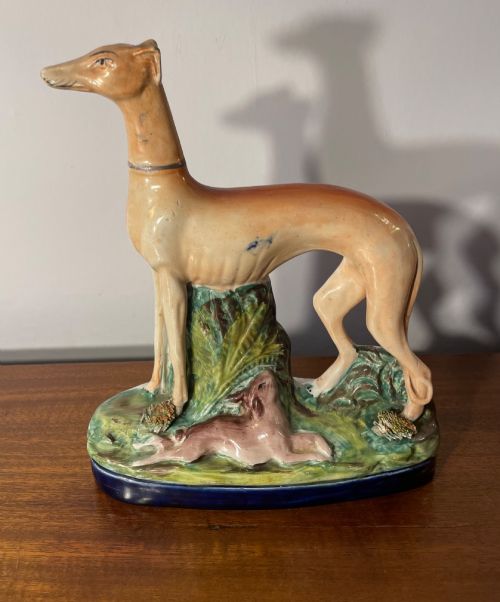
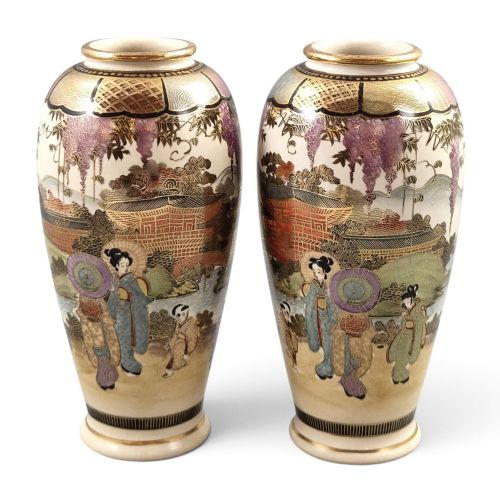
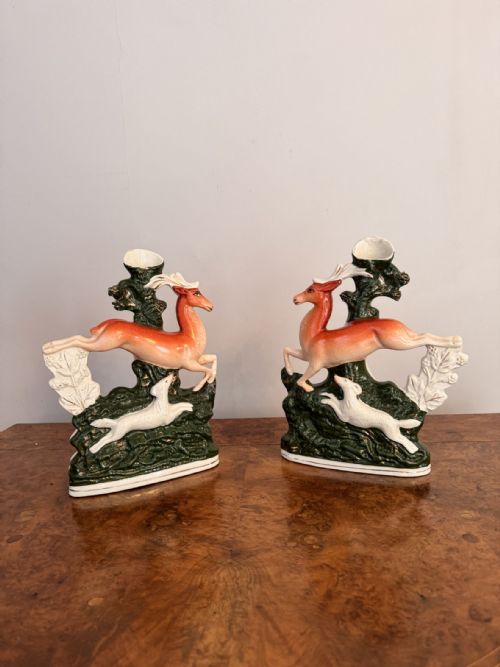
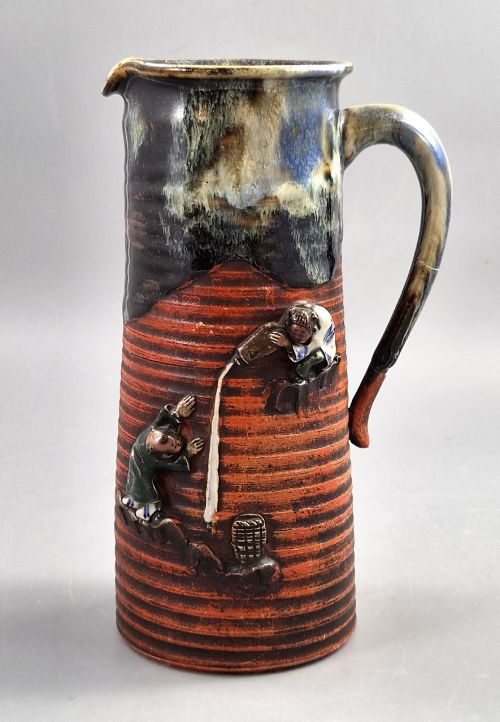
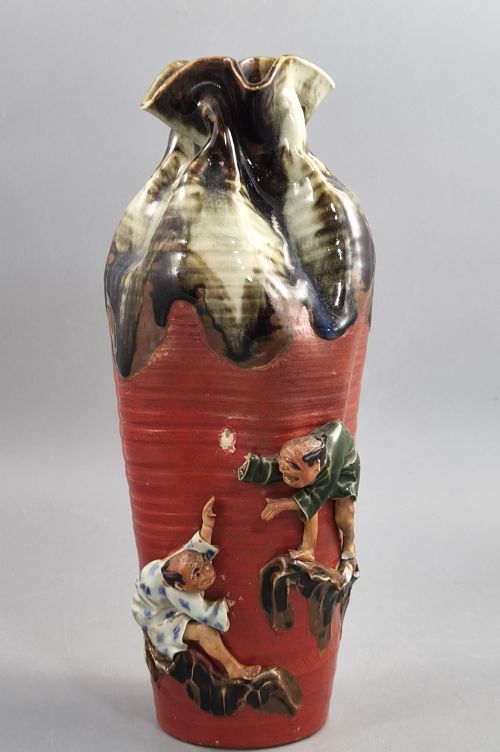
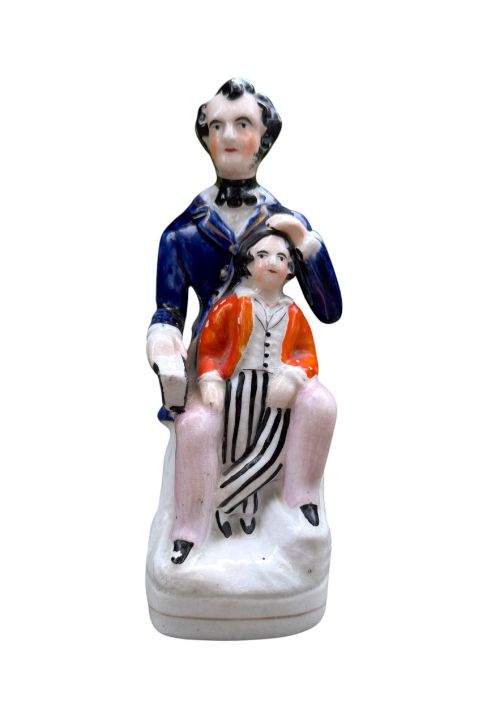
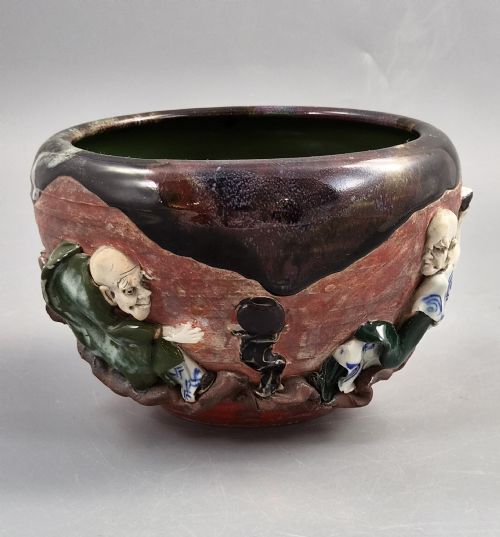
The version you are most likely to meet on this page is the Victorian Staffordshire portrait figure or animal pair, alongside Japanese Meiji period artisan pottery featuring relief-moulded figures. These items served primarily as mantelpiece ornaments and decorative domestic displays during the nineteenth and early twentieth centuries.
The selection encompasses works from diverse global traditions, uniting English earthenware potteries with Asian ceramic workshops through the shared application of glazes and enamels. Each regional school brings distinct sculptural forms and surface treatments to the genre, reflecting the aesthetic priorities of its period of origin.
Materials and methods of construction
The foundational body of these works relies upon earthenware, terracotta, or pearlware, shaped either by hand-sculpting or by pressing clay into press-moulds. Artisans then applied liquid glazes, lead glazes, or colourful enamels to the surface before firing the pieces in kilns to vitrify the ceramic body.
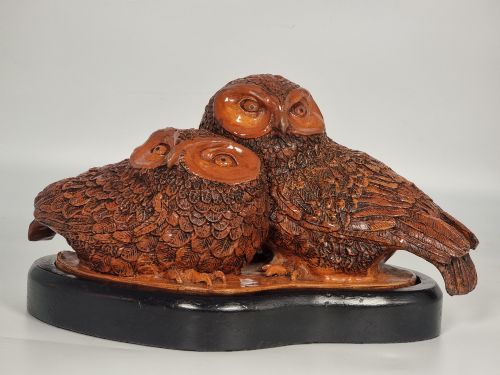
Among the menagerie of earthenware dogs, lions, and owls, a pair of glazed pottery cows maintains a steadfast Victorian watch over the mantelpiece.
Distinctions in craftsmanship and execution
Surface treatment also separates the output of individual artist potters from standard commercial wares, visible in the depth of control over flambe glazes or the precision of modelled relief elements. Works bearing the distinct signatures of recognised makers demonstrate a higher tier of artistic ambition within their respective traditions.
Inoue Ryosai·Charles Vyse·Berthe Savigny·H. Schubert·Ban-ni
The Glazed Pottery Figure Glossary
- Flatback
- A Staffordshire figure designed with an unglazed, flat reverse intended to sit flush against a wall or mantelpiece. This construction method saved on clay and kiln space during mass production.
- Earthenware
- Porous pottery fired at relatively low temperatures, requiring a vitreous glaze to render it waterproof. It serves as the primary body material for nineteenth-century Staffordshire figures.
- Pearlware
- A refined type of earthenware developed in the late eighteenth century featuring a subtle bluish glaze cast over a whitish body. It marks a transitional phase toward nineteenth-century ceramic refinement.
- Flambe glaze
- A variegated, streaked glaze displaying rich transitions of colour produced by complex chemical reactions in the kiln atmosphere. It appears frequently on Japanese art pottery from the Meiji period.
- Okimono
- A Japanese term for a small decorative statue or ornament intended for display in a household alcove. These figures often depict deities, sages, or animals modelled in porcelain or ceramic.
Glazed Pottery Figure: Frequently Asked Questions
What are Staffordshire flatback figures?
Staffordshire flatbacks are earthenware mantelpiece ornaments produced in the nineteenth century with decorated fronts and plain, unglazed backs.
Potteries designed these figures specifically for display on high shelves where only the front view was visible to observers in the room.
How do I identify Sumida Gawa pottery?
Sumida Gawa wares originate from Japan around the Meiji and Taisho periods, easily recognised by their heavily textured flambe glazes and applied figures in high relief.
These pieces often feature distinctive pinched rims and rough, unglazed patches where the characteristic clay body remains exposed beneath the running glaze.
How should I clean glazed pottery figures?
Maintenance requires gentle dusting with a soft, dry brush to prevent accumulation in crevices and around delicate applied relief elements.
Harsh chemical cleaning agents and excessive moisture must be avoided to protect antique enamel decoration and prevent damage to porous earthenware bodies.