



Glazed Pottery Bird
A glazed pottery bird brings form, colour and character to a room through centuries of ceramic tradition.
Glazed Pottery Bird
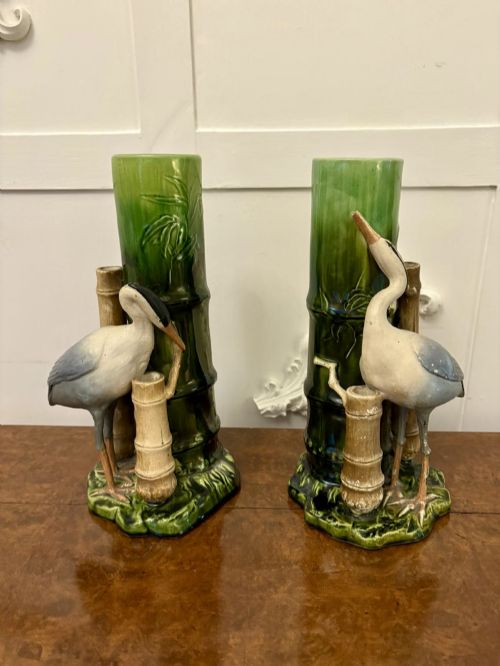
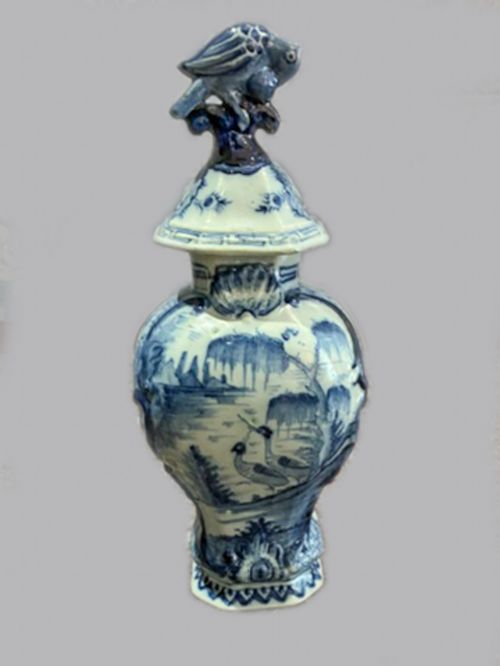
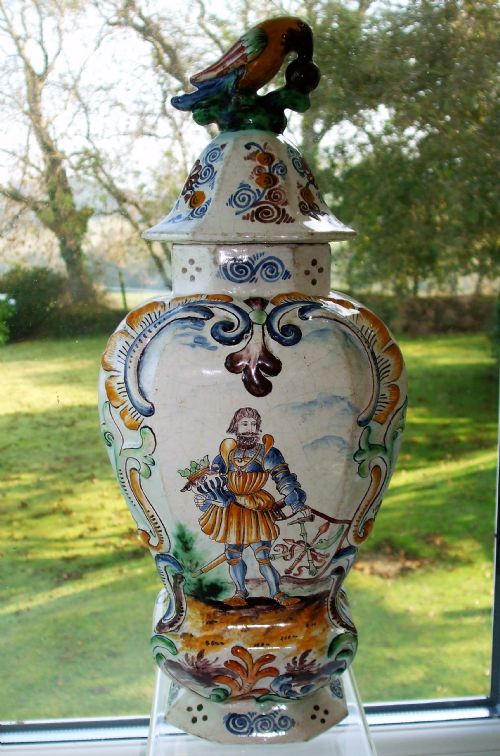
When you search for a glazed pottery bird, you encounter sculptural figures, tiles, and decorative vessels adorned with avian subjects across periods from the eighteenth century to the twentieth century. These pieces span English creamware, Staffordshire figures, continental majolica, and Japanese ceramics.
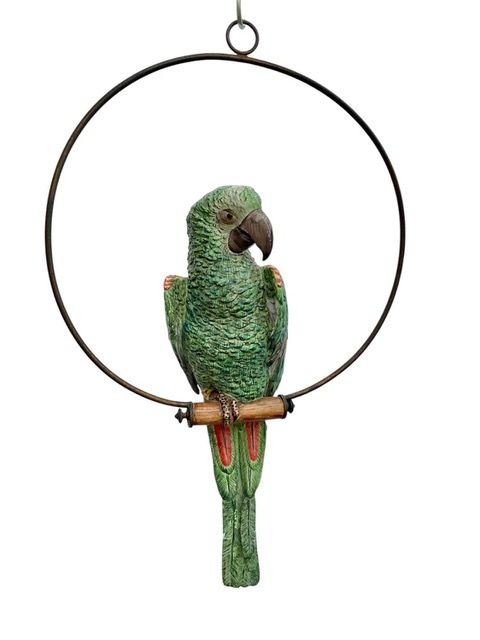
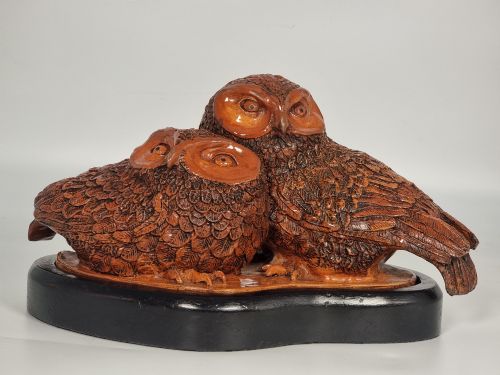
You are most likely to meet Victorian Staffordshire figures, decorative tiles, and European majolica or delftware bearing bird motifs. The selection includes Staffordshire parrots and partridge tureens alongside studio pottery owls and pheasants.
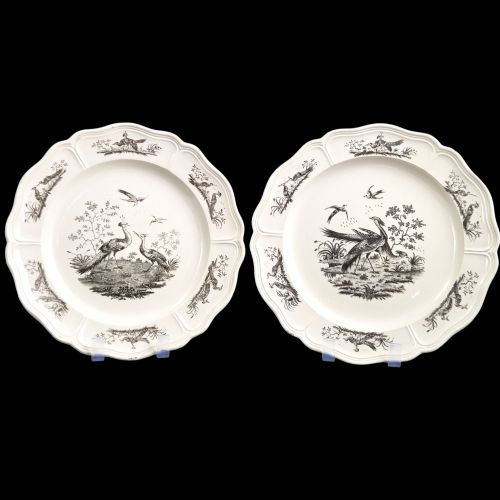
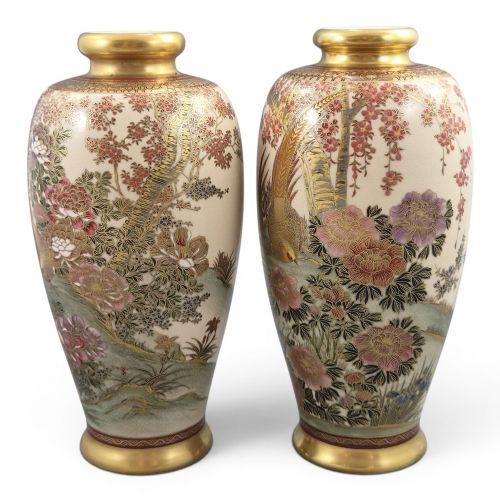
The styles range from Georgian creamware plates and Dutch Baroque delft to Aesthetic Movement tiles, Art Deco figures, and Showa period Japanese vases. Each piece reflects the ceramic techniques and decorative tastes of its specific origin.
Materials and technique
Makers shaped these pieces from earthenware, ceramic, and porcelain, frequently applying tin-glaze, sancai glaze, or polychrome enamel to the surface. Earthenware and creamware bodies provide the foundational structure for figures and plates alike.
Glazing techniques involve tin-glazing, enamel painting, and lead-based majolica glazes that create glossy or polychrome finishes. Firing methods range from traditional kiln processes for eighteenth-century delftware to early twentieth-century studio ceramic production.
Glazed Pottery Bird Retail Price Guide 2026
Typical asking prices for glazed pottery bird among the pieces listed under this phrase on Sellingantiques today, from the lower quarter to the upper quarter. They describe what is for sale here now, not the wider market.
Listings feature earthenware, ceramic, tin-glazed earthenware, wood, enamel, and porcelain across Victorian, Georgian, Art Deco, and 18th Century periods.
Judging quality
Quality rests in the crispness of the modelling, the control of the glaze, and the precision of the hand-painted details. Superior pieces display lively sculptural articulation rather than stiff or generic forms.
The depth and vibrancy of the polychrome enamel or tin-glaze separate finer works from simpler production wares. Preservation of the original glaze surface without extensive restoration elevates the standing of an antique ceramic bird.
Leeds Pottery·Manpei·Makuzu Kozan II·Minton and Hollins·Doulton Lambeth·George Jones·Falcon Ware
The Glazed Pottery Bird Glossary
- Tin-glazed earthenware
- Pottery coated with a white tin-oxide glaze that provides an opaque surface for painted decoration. This technique defines much of traditional delftware and faience.
- Majolica
- A type of earthenware coated with an opaque tin glaze and painted with metallic oxide colours, popular during the Victorian era for sculptural vessels and animal figures.
- Creamware
- A refined earthenware developed in eighteenth-century England, characterised by a pale cream colour and a clear lead glaze. Leeds pottery is particularly noted for this body.
- Polychrome
- Decoration employing several colours painted onto the ceramic body or glaze. It appears frequently on eighteenth-century delftware and continental faience birds and plates.
- Sancai
- A traditional Chinese three-colour lead glaze technique, often seen in green, amber, and cream, used on pottery ducks and vessels in Ming style.
Glazed Pottery Bird: Frequently Asked Questions
What periods do these pieces come from?
The listings span from the seventeenth century through the eighteenth and nineteenth centuries into the early twentieth century, including Victorian, Georgian, Art Deco, and Showa periods.
This broad chronological spread allows collectors to find items ranging from early English delft plates to twentieth-century studio pottery and Art Deco figures.
How were these ceramic birds used?
Many served as decorative mantel figures, inkwells, or table ornaments, while others appeared on painted plates, chargers, and decorative tiles.
Some forms functioned as tureens, such as partridge tureens, combining sculptural animal forms with practical containment for the dining table.
How do I care for antique pottery?
Keep glazed ceramics away from direct sunlight and sudden temperature changes to protect the glaze and body from stress. Dust gently with a dry, soft cloth.
Avoid using water or cleaning solutions on antique pieces with delicate enamel or tin-glaze surfaces unless professional conservation advice permits.
How do I distinguish different styles?
Style identification relies on examining the glaze palette, modelling characteristics, and decorative motifs associated with specific regions and eras. For instance, tin-glazed blue and white decoration differs markedly from Victorian majolica or Art Deco ceramic styling.
Reference the materials, such as earthenware versus porcelain, alongside the distinct aesthetic traits of movements like the Aesthetic Movement or Dutch Baroque.