

Glazed Earthenware Dish
A glazed earthenware dish brings centuries of ceramic craft and pigment into a room, offering both decorative presence and historic utility.
Glazed Earthenware Dish
A glazed earthenware dish encompasses a range of domestic and decorative vessels shaped from clay and finished with vitreous coatings, spanning centuries of European and international production. When exploring this selection, buyers frequently encounter chargers, serving vessels, and decorative plates originating from traditional pottery centres.
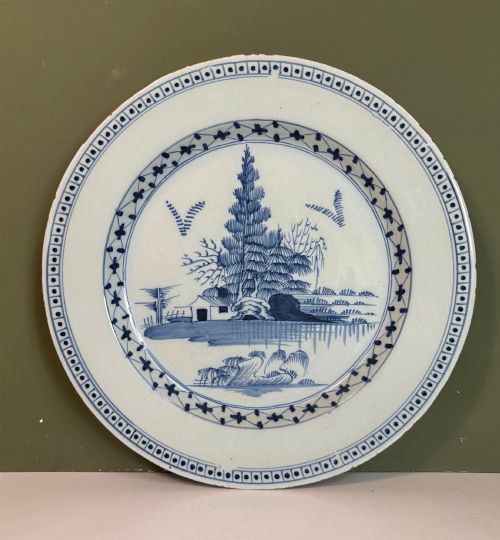
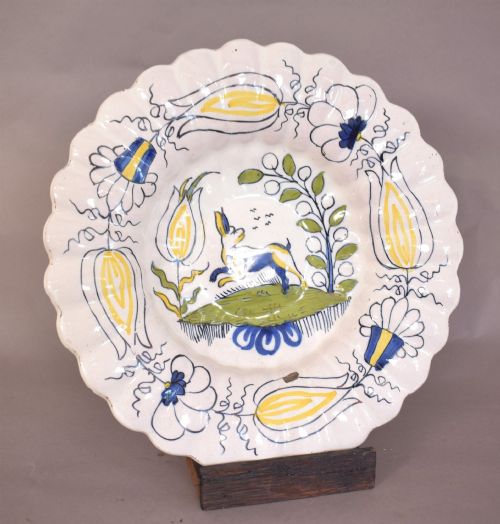
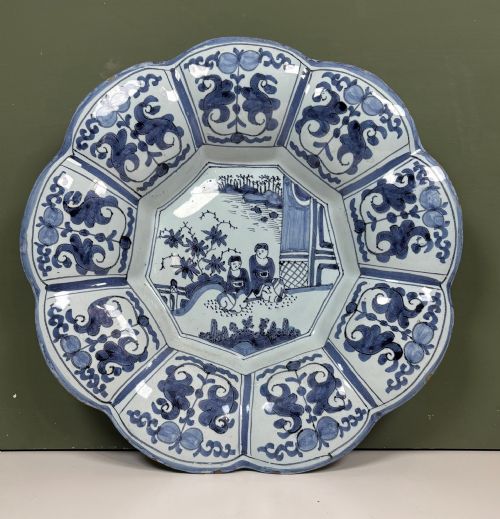
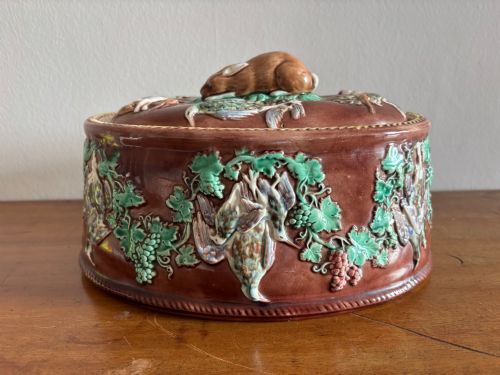
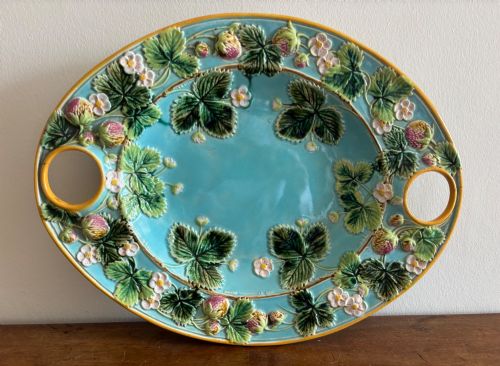
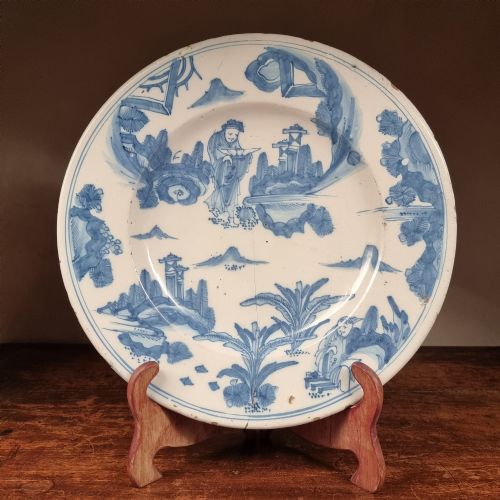
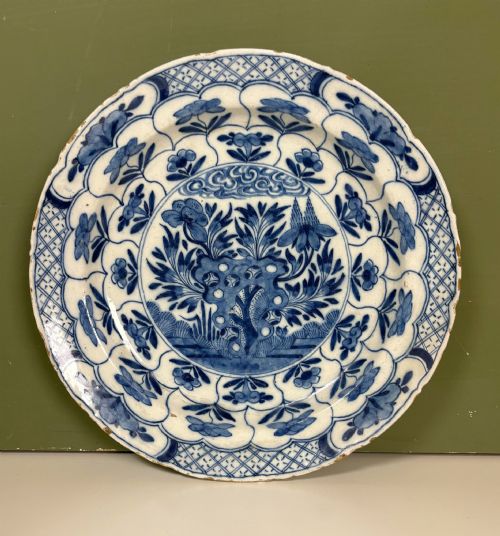
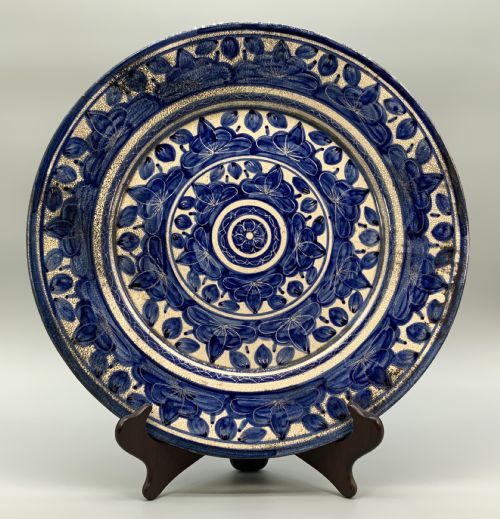
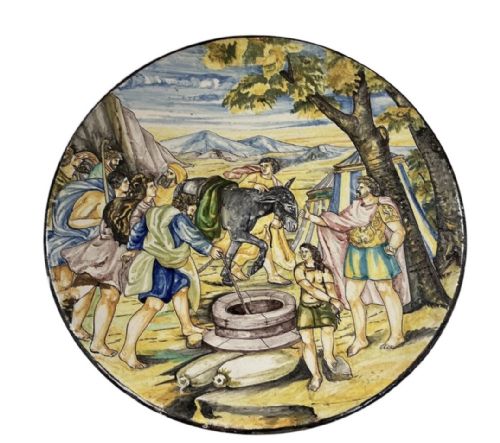
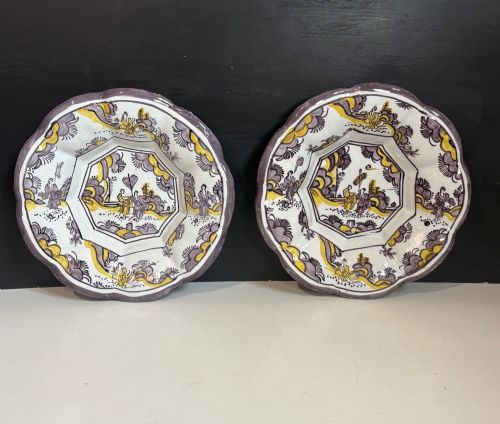
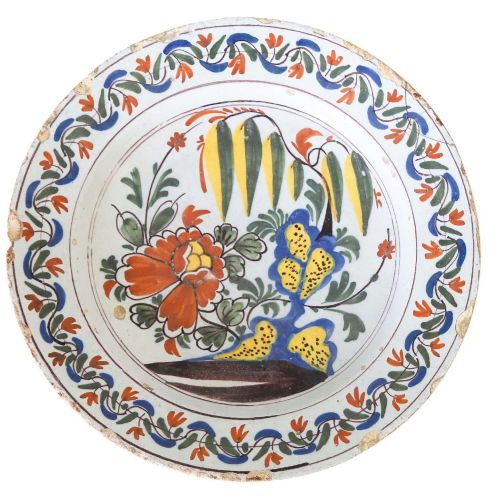
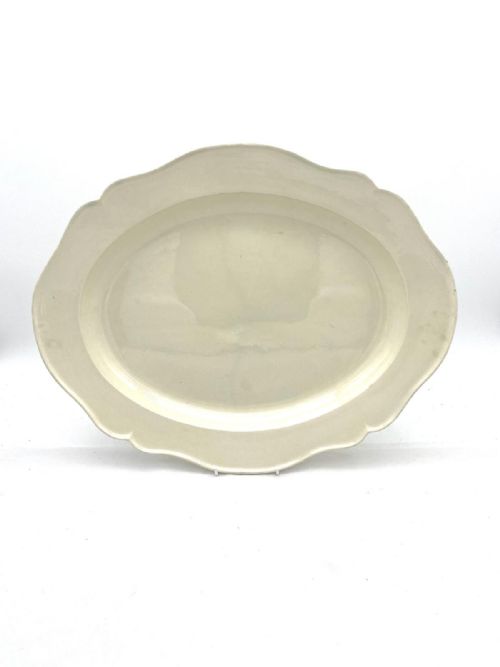
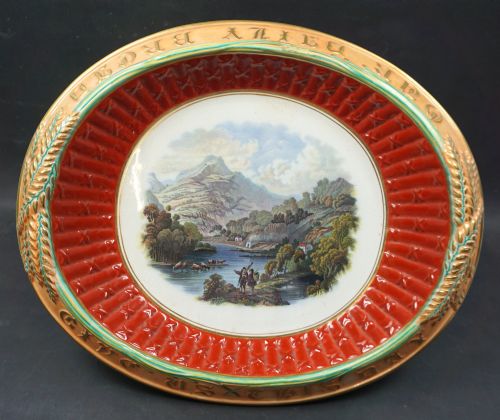
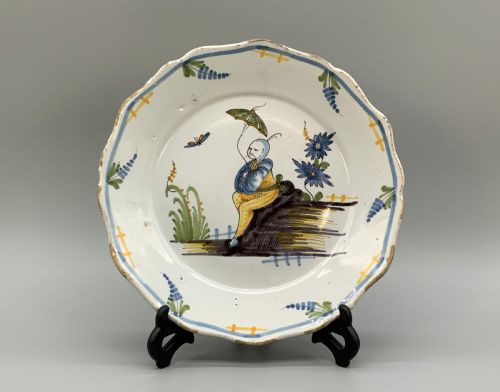
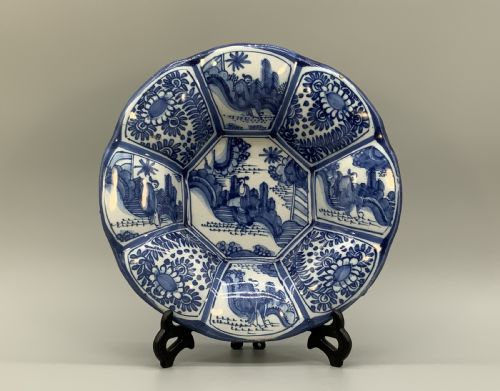
The objects listed here stretch from early continental delftware and faience chargers to Victorian majolica pieces and creamware plates. These items serve as tangible records of historical ceramic techniques, ranging from blue and white tin-glazed earthenware to richly coloured polychrome designs.
How They Were Made
Potters shaped native clays by hand or on the wheel before applying specialised coatings such as tin glaze, lead glaze, or creamware finishes to seal the porous earthenware body. Pigments including cobalt oxide and manganese were frequently painted directly onto the unfired surface or raw glaze to create intricate patterns.
Controlled firing in traditional kilns fixed the metallic oxides and vitreous glazes, producing durable surfaces suited to both display and daily use. Artisans also utilised mould-pressed techniques for complex sculptural forms like game pie dishes and majolica tureen baskets.
Listings feature earthenware vessels spanning the seventeenth century through to the mid-twentieth century, incorporating tin-glazed, lead-glazed, and creamware finishes.
What Varies in Quality
The visual strength of the hand-painted decoration separates standard domestic vessels from exceptional studio or factory productions. Crisp execution of cobalt pigment, well-defined polychrome palettes, and confident brushwork indicate superior artisan skill.
The complexity of the moulding and the stability of the glaze finish dictate the tier of the piece. Well-preserved tin-glaze surfaces with minimal surface disruption and balanced proportions command greater attention from collectors.
George Jones·Minton·Mann And Co
The Glazed Earthenware Dish Glossary
- Charger
- A large decorative plate or shallow dish originally used for serving food or displayed upright on sideboards. These wide vessels often feature pictorial or floral tin-glazed scenes.
- Tin Glaze
- An opaque, white lead glaze rendered milky by the addition of tin oxide. It provides a smooth white ground for painting in cobalt blue and other metallic pigments.
- Majolica
- A type of earthenware coated with an opaque tin glaze and decorated with brightly coloured metallic oxide paints. Victorian iterations often adopted elaborate moulded plant and animal forms.
- Creamware
- A refined, pale yellow-hued earthenware developed in England during the eighteenth century. It utilises a transparent lead glaze over a fine clay body.
- Faience
- European tin-glazed earthenware produced chiefly in France, Spain, and Italy. The term encompasses diverse regional styles from Desvres, Rouen, and Quimper.
Glazed Earthenware Dish: Frequently Asked Questions
What is a tin-glazed dish?
A tin-glazed dish is an earthenware vessel coated with a white, opaque glaze containing tin oxide, providing a smooth canvas for hand-painted cobalt and polychrome decoration.
These pieces were produced across various European workshops during the seventeenth and eighteenth centuries, functioning as both table service and decorative wall chargers.
How do I care for antique earthenware?
Antique earthenware requires gentle handling and should be washed by hand in lukewarm water without harsh detergents to protect the historic glaze layers. Porous clay bodies and older tin-glaze surfaces are vulnerable to moisture penetration and sudden temperature changes.
Display these vessels away from direct sunlight and damp environments to preserve the integrity of the pigments and the ceramic body.
What distinguishes delftware from majolica?
Delftware primarily refers to tin-glazed earthenware featuring blue and white or polychrome painting inspired by Chinese porcelain, largely produced in England and the Netherlands. Majolica typically denotes brightly coloured, heavily moulded Victorian earthenware finished with translucent lead glazes over coloured slips.
Both categories utilise earthenware bodies, but their decorative vocabularies and firing techniques reflect different periods and regional aesthetics.
Were these dishes used for dining?
Many large chargers and platters served functional roles at banquets and family meals before transitioning primarily to ornamental display on walls or sideboards. Specialised items like cheese dishes, butter dishes, and barber's bowls were strictly designed for specific household tasks.
Over time, the decorative value of these painted surfaces led owners to mount them on display rather than risk daily kitchen use.