







Glass Wall Brackets
Glass wall brackets combine functional illumination and display with decorative frames, offering period character for domestic spaces.
Glass Wall Brackets
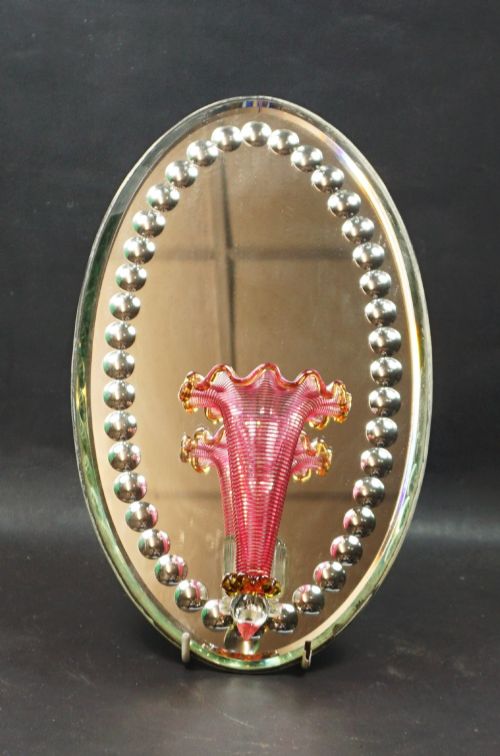
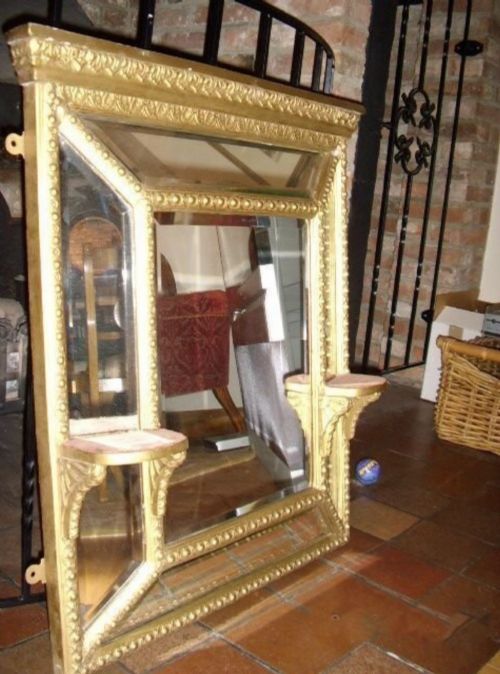
Glass wall brackets and associated fixtures span multiple eras, encompassing lighting and mirror forms designed to mount directly onto vertical surfaces. When searching for glass wall brackets, buyers encounter various wall lights, sconces, and mirror combinations featuring shelves or integrated glass components.
French and English origins appear frequently across the periods, showing styles from Rococo Revival and Art Nouveau to French Chateau and Arts and Crafts. Buyers are most likely to meet matching pairs of wall lights or mirrors dating from the nineteenth and early twentieth centuries.
Materials and construction
Makers utilised a combination of glass, mirror glass, and frosted glass paired with structural metals including brass, chrome, and ormolu. Frames and supporting brackets frequently employ giltwood, gesso, carved walnut, and pine.
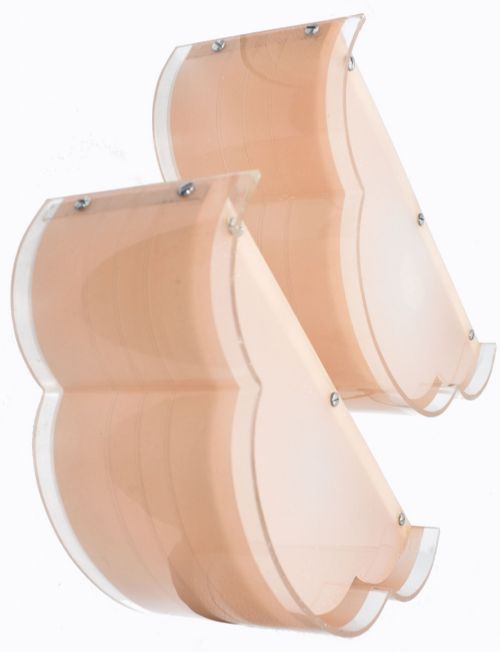
Glass components are worked through techniques such as bevel cutting and moulding into specific shapes like cloud or tubular designs. Metal mounts incorporate casting and gilding, securing the glass elements and decorative ornamentation securely to the backing structure.
Glass Wall Brackets Retail Price Guide 2026
Typical asking prices for glass wall brackets among the pieces listed under this phrase on Sellingantiques today, from the lower quarter to the upper quarter. They describe what is for sale here now, not the wider market.
Materials span frosted glass, brass, giltwood, chrome, and Bakelite across the Victorian, Edwardian, and 1930 periods.
Distinctions in execution and survival
Quality separates through the crispness of the casting in metal mounts and the depth of carving in wooden or giltwood frames. Superior examples display intricate detailing on cherub ornaments, ormolu mounts, and parcel-gilt surfaces.
The integrity of the glass elements, whether bevel cut, frosted, or mirrored, defines the standard of preservation. Matching pairs and sets maintain higher desirability compared to single items due to the precision required in their original manufacture.
F. & C. Osler·Lalique·Hinks
The Glass Wall Brackets Glossary
- Wall sconce
- A wall-mounted lighting fixture designed to hold candles or electric bulbs. These pieces project outward from the vertical surface.
- Pier glass
- A tall, narrow mirror designed to hang on the wall between windows, frequently placed above a console table or shelf bracket.
- Ormolu
- Gilded bronze used for decorative mounts and ornamentation on furniture and light fittings. It provides a bright metallic finish.
- Bakelite
- An early synthetic plastic utilised in twentieth-century electrical fittings and wall light components. It offers a durable structure for Art Deco designs.
- Overmantel mirror
- A large mirror designed to hang specifically above a fireplace mantelpiece. These often incorporate gilded brackets or decorative framing.
Glass Wall Brackets: Frequently Asked Questions
How do I install antique glass wall brackets?
Installation requires professional electrical wiring for light fittings and secure wall anchors to support the weight of brass, glass, and wooden frames. Consideration must be given to the specific mounting brackets attached to each piece.
Ensuring the wall structure can bear the load of heavier items like giltwood pier mirrors or large ormolu wall lights prevents damage during mounting.
Where were these brackets placed historically?
These pieces found placement in principal reception rooms, hallways, and above mantelpieces where reflected light and illumination enhanced the interior. Wall lights and sconces provided targeted lighting before electricity became widespread.
Console tables with mirrors and wall brackets served both functional and decorative purposes in period drawing rooms and parlours.
How do I date an Art Deco wall light?
Art Deco pieces typically date from around 1930 and utilise materials like chrome, Catalin, Bakelite, and tubular or frosted glass. The geometric forms and streamlined shapes distinguish them from earlier Victorian and Edwardian designs.
Matching pairs from this era often feature symmetrical glass shades mounted on metal backplates.
What is the difference between a sconce and a bracket?
A sconce specifically refers to a wall-mounted light fixture, whereas a bracket describes the structural support projecting from the wall to hold a shelf, mirror, or lamp. Many items combine both functions.
Listings often group these terms together when describing wall-mounted lighting and display pieces with integrated shelves.