


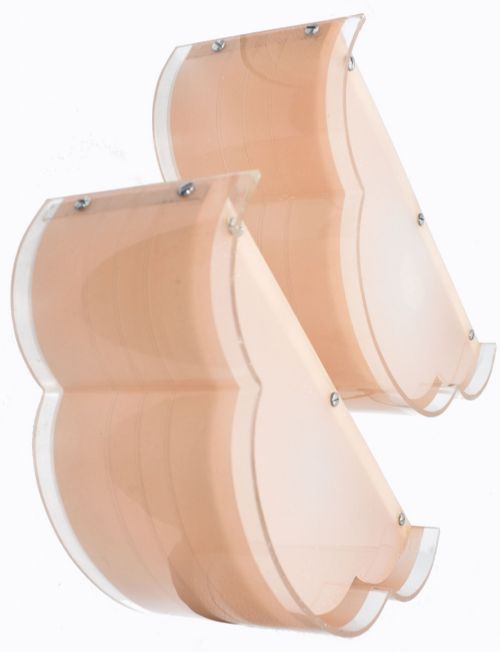


1930s Glass Wall Lamp
A 1930s glass wall lamp brings architectural geometry and diffused illumination to an interior, combining heavy pressed glass with polished metal mountings.
1930s Glass Wall Lamp
When you search for a 1930s glass wall lamp, you encounter wall lights, wall sconces, and lighting fixtures spanning the Edwardian, 1920, and 1930 periods. The dominant aesthetic is Art Deco, including French Art Deco iterations that utilise sculptural glass forms mounted directly to vertical surfaces. Most examples on this page pair moulded or frosted glass with metal components.
Forms vary from pairs of cloud-shaped and flame-shaped sconces to skyscraper profiles, trumpet designs, and empire torch fixtures. You will also find clam shell suites and tubular configurations designed to sit flush or project outward from the wall. These pieces function primarily as decorative interior illumination, often appearing in matching sets or pairs.
Origins trace across domestic and continental workshops, with several pieces specifically identified as French. While the majority of listings anchor firmly in the nineteen-thirties, stylistic overlaps draw upon earlier Edwardian sensibilities and nineteen-twenties modernism. The combination of glass and metal defines the visual vocabulary across all listed objects.
Assessing the standard
Quality in these lighting fixtures rests on the depth and complexity of the glass moulding alongside the finish of the metal mountings. Deeply sculpted profiles like clam shells, skyscraper tiers, and stylised flames demonstrate superior glassmaking ambition compared to simple tubular forms. The crispness of the moulded detail determines the visual impact when illuminated.
The execution of the chrome plating and the structural integrity of the metal frames dictate the longevity and overall polish of the fixture. Matching pairs and larger suites display a higher degree of initial manufacture and survival than isolated single units. Furthermore, pieces retaining their original designated components, such as specific French backplates or integrated switchgear, demonstrate greater manufacturing integrity.
1930s Glass Wall Lamp Retail Price Guide 2026
Typical asking prices for 1930s glass wall lamp among the pieces listed under this phrase on Sellingantiques today, from the lower quarter to the upper quarter. They describe what is for sale here now, not the wider market.
Several lamps channel the weather indoors through cloud-shaped shades.
Lalique
The 1930s Glass Wall Lamp Glossary
- Art Deco
- A design movement prevalent in the 1920s and 1930s characterised by stylised geometric forms, streamlined silhouettes, and industrial materials. It dominates the aesthetic of almost every lighting fixture on this page.
- Frosted Glass
- Glass treated to scatter light, creating a soft and diffused glow rather than a direct beam. This surface treatment is essential for softening the output of period wall sconces.
- Moulded Glass
- Glass shaped by being pressed into a form while molten, allowing for high-relief decorative patterns such as flames, clouds, and architectural tiers. It enables consistent replication of complex sculptural shapes.
- Chrome Plating
- An electrolytic coating of chromium over a base metal that provides a bright, corrosion-resistant, and reflective finish. This treatment gives the metal components their characteristic twentieth-century shine.
- Wall Sconce
- A decorative light fixture fixed to a wall rather than resting on a table or hanging from a ceiling. These units project outward to cast light across vertical surfaces.
1930s Glass Wall Lamp: Frequently Asked Questions
How do I install a vintage wall lamp?
These fixtures require professional electrical mounting to domestic wiring systems. The heavy metal backplates must be securely anchored to wall studs or masonry to support the weight of the glass shades.
Modern internal wiring updates are often necessary to meet current safety standards while preserving the exterior antique hardware.
How do I clean frosted glass shades?
Remove the glass components from the metal frame before cleaning to avoid damaging the historical mountings. Use warm water and mild soap with a soft cloth to clear dust from the textured surfaces.
Avoid harsh chemical abrasives that can degrade the frosted finish or strip the original chrome plating on adjacent metal parts.
Are these lamps suitable for daily use?
These pieces function reliably as primary or accent lighting when fitted with modern, cool-running LED bulbs that mimic vintage wattages. The durable chrome and glass construction handles routine operation well.
Regular checks of the internal lampholders ensure the vintage fittings remain safe for everyday domestic environments.