




Glass Sweetmeat Bowl
A glass sweetmeat bowl brings table glassware from the eighteenth century onwards, often combined with sterling silver or silver plate.
Glass Sweetmeat Bowl
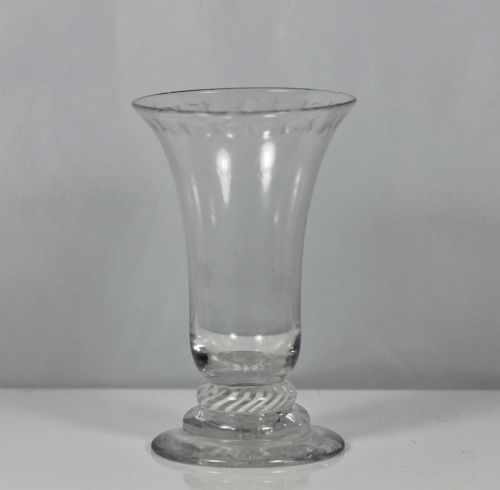
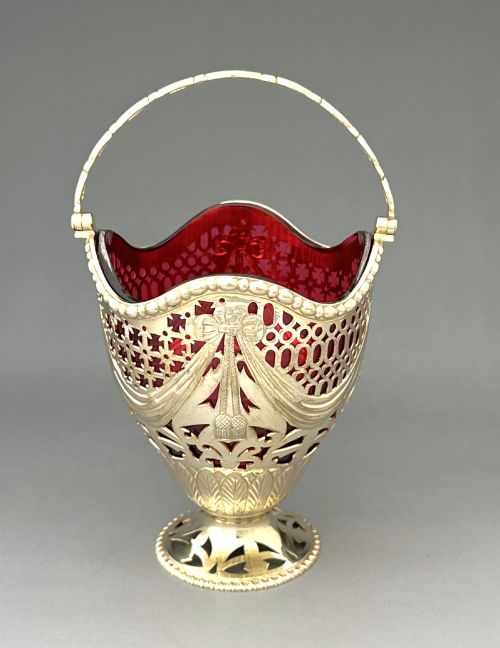
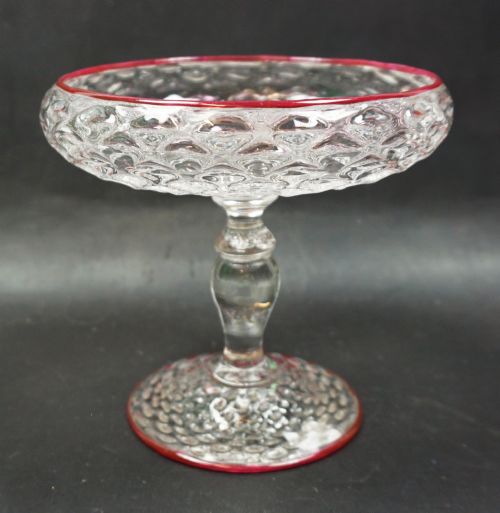
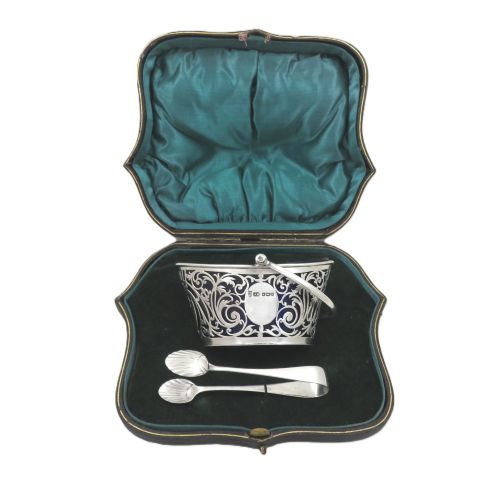
A glass sweetmeat bowl sits on dining tables for confections, sugar, or jellies, taking forms such as tazzas, baskets, and covered jars. These pieces emerge in styles ranging from Georgian plain double ogee bowls to elaborate Victorian and Edwardian silver-mounted receptacles.
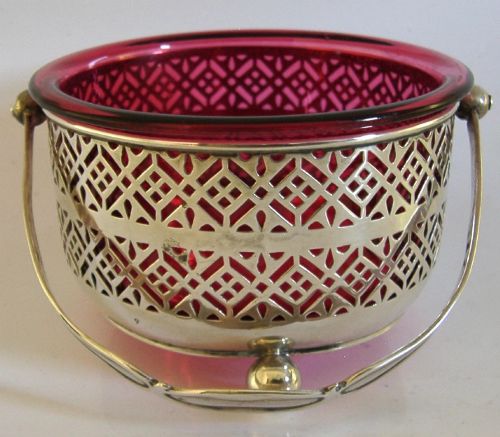
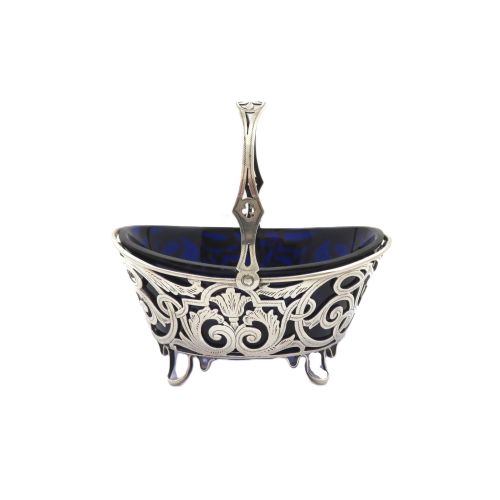
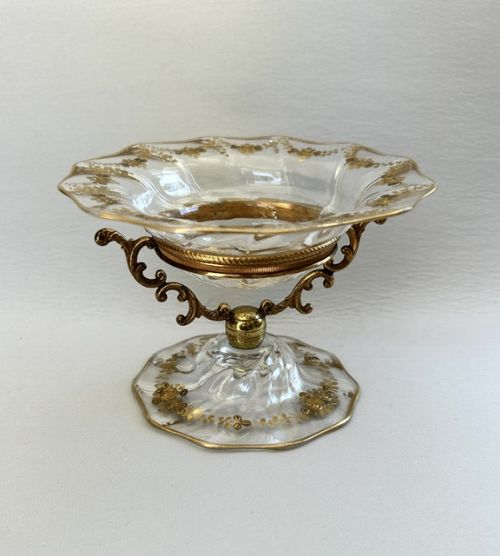
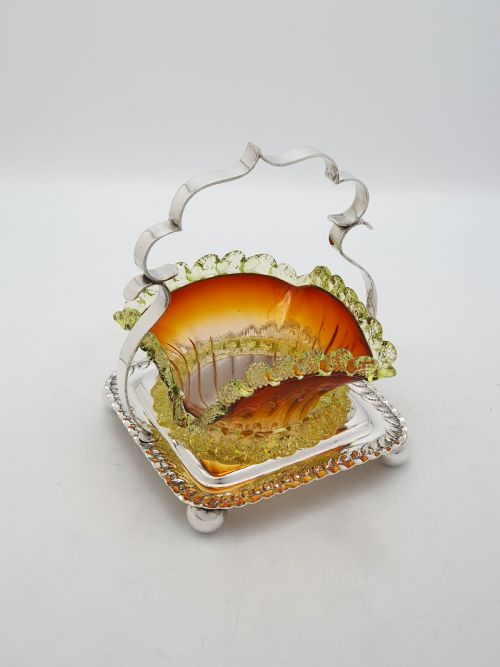
The versions most commonly found here pair lead or cut glass with sterling silver, silver plate, or gilt stands. Collectors also encounter coloured variations including cranberry, cobalt blue, ruby, amber, and pink opaque glass.
Earlier examples include eighteenth-century baluster sweetmeat glasses and jelly glasses with opaque twists. Later nineteenth-century interpretations feature honeycomb moulding, red cane decoration, or swing handles.
How they were made
Glassmakers utilised lead glass and crystal, shaping pieces through blowing, moulding, and cutting techniques. Articles often incorporate applied canes, latticinio threads, or frilled rims to create decorative visual textures.
Metal mounts involve sterling silver, silver plate, ormolu, and silver gilt. Goldsmiths and silversmiths constructed pierced frames, swing handles, and cast floral supports to hold the delicate glass liners securely.
Glass Sweetmeat Bowl Retail Price Guide 2026
Typical asking prices for glass sweetmeat bowl among the pieces listed under this phrase on Sellingantiques today, from the lower quarter to the upper quarter. They describe what is for sale here now, not the wider market.
Among the delicate glassware and silver baskets, an unusual nineteenth-century Black Forest carved bear watches over the collection.
What varies in quality
Quality rests in the crispness of the glass cutting and the weight of the lead metal. Pieces with sharp facet cuts, unblemished surfaces, and balanced proportions stand apart from simpler moulded wares.
The integration between glass and metal mountings dictates the standard of the object. Heavier silver or ormolu mounts, cast with detailed floral motifs or pierced work, indicate superior craftsmanship.
Aldridge and Green·George Fox·Baccarat
The Glass Sweetmeat Bowl Glossary
- Sweetmeat glass
- A specialised vessel designed for serving sweet confections during the eighteenth century. These typically feature prominent stems and deep bowls.
- Tazza
- A shallow bowl raised on a high foot or stem. This form serves fruit or sweetmeats on the dining table.
- Latticinio
- A decorative glass technique employing fine opaque white or coloured glass threads embedded within clear glass. It creates linear and net-like patterns.
- Baluster
- A swelling architectural form used on the stems of earlier drinking and sweetmeat glasses. It reflects turning styles borrowed from furniture design.
- Monteith
- A bowl featuring a scalloped or notched rim originally used for chilling wine glasses. Some examples double as bonnet glasses for sweet treats.
Glass Sweetmeat Bowl: Frequently Asked Questions
What is a sweetmeat bowl used for?
These bowls served sweet confections, sugar, nuts, and jellies at formal dining tables. Wealthy households displayed them during dessert courses.
Over time, their uses shifted from functional dining ware to decorative table centerpieces and display items in refined interiors.
How do I date an antique glass bowl?
Dating relies on identifying glass characteristics, cutting styles, and metal mounting hallmarks. Eighteenth-century pieces often display baluster stems or heavy lead metal.
Victorian and Edwardian versions commonly incorporate silver plate, swing handles, and vibrant coloured glass liners like cranberry or cobalt.
Are these bowls always paired with silver?
Not all sweetmeat bowls include metal components. Many Georgian and nineteenth-century examples consist entirely of blown or cut glass.
When metal appears, it ranges from sterling silver and silver gilt to silver plate and ormolu frames designed to cradle the glass.
How should I display a glass sweetmeat bowl?
These pieces suit placement on sideboards, dining tables, or within glass-fronted cabinets where light can pass through the material. Natural daylight highlights the cut facets and coloured glass.
Ensure stability when placing bowls with tall stems or heavy metal mounts to protect the antique glass and delicate frames.