
Glass Side Cabinet
A glass side cabinet brings light and visibility to storage, pairing timber frames with clear panels to hold china, books and curiosities.
Glass Side Cabinet
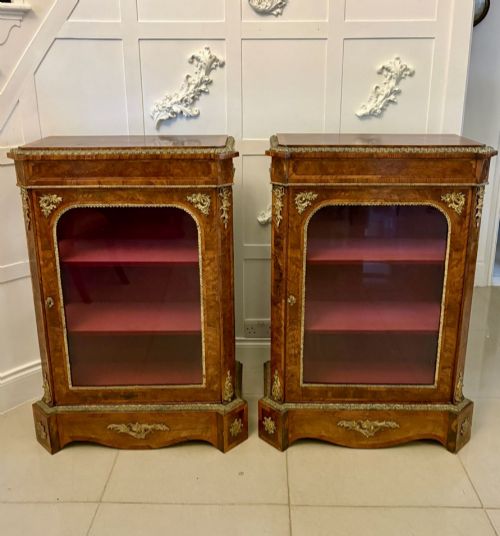
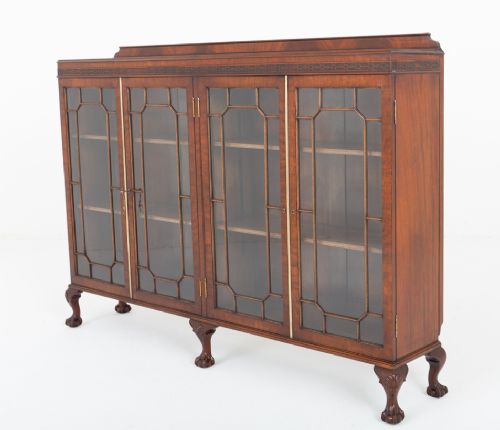
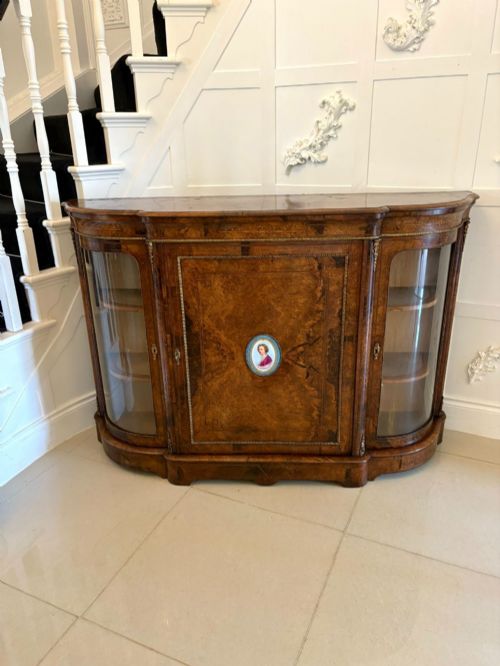
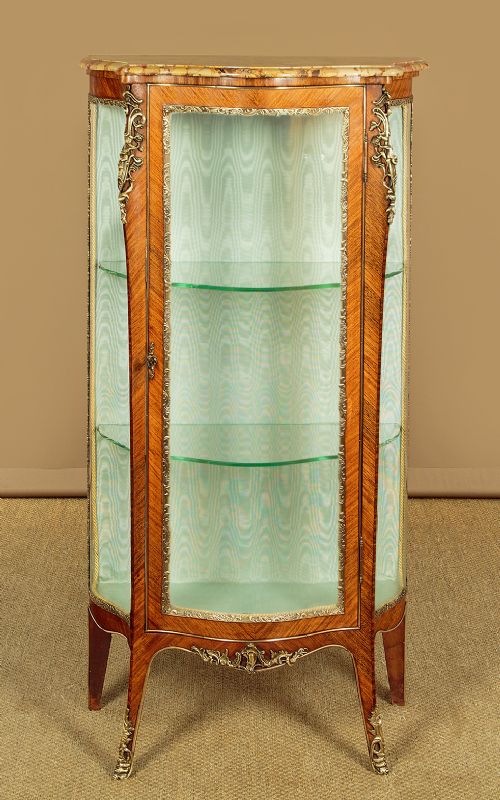
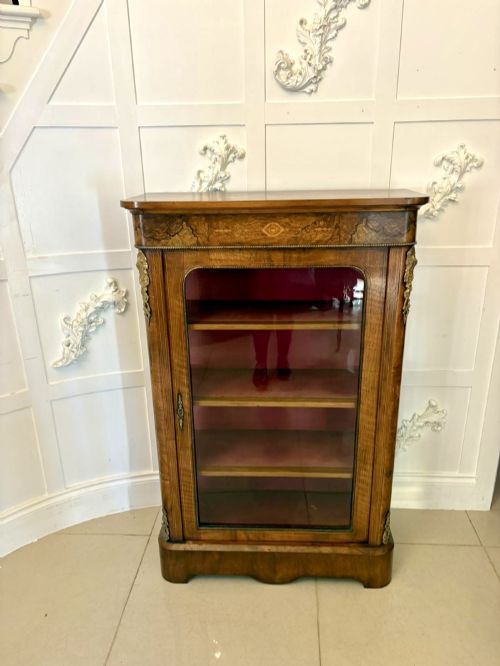
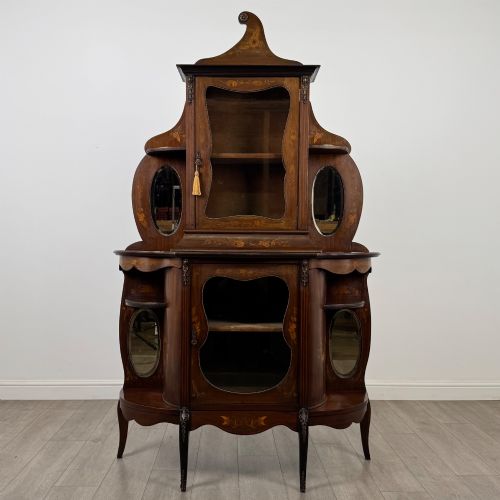
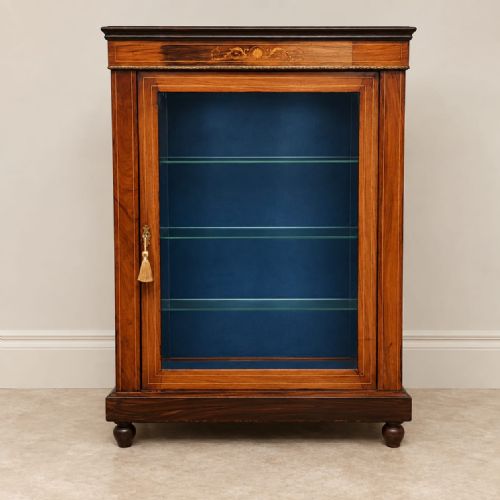
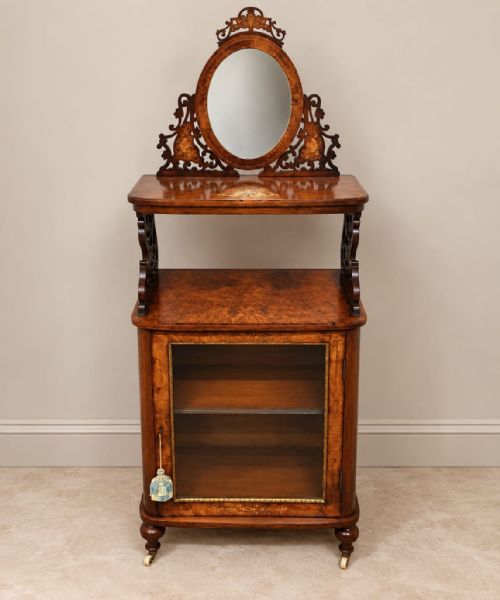
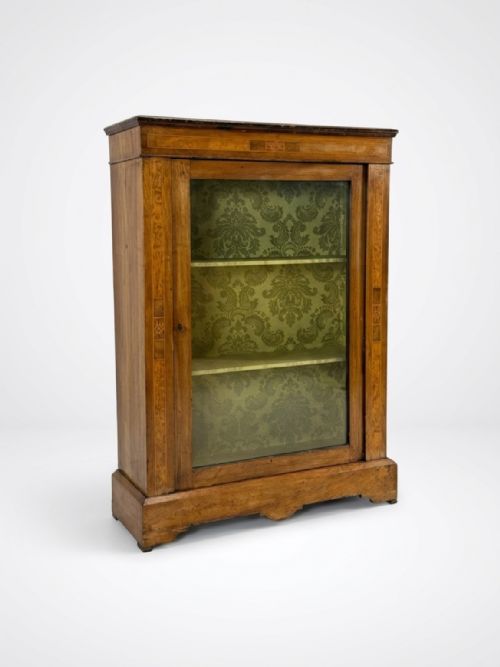
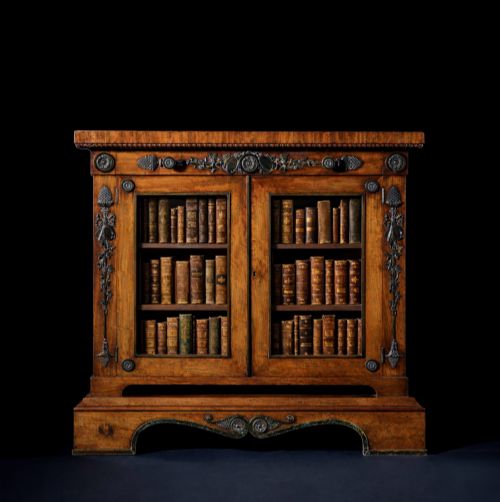
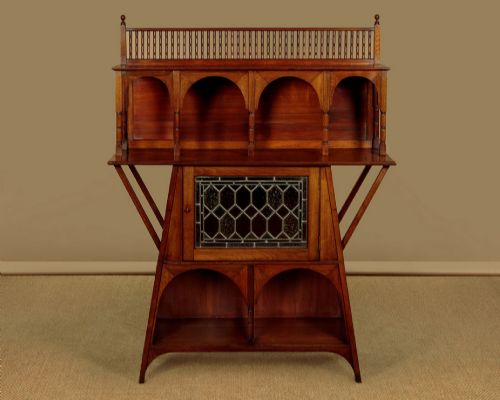
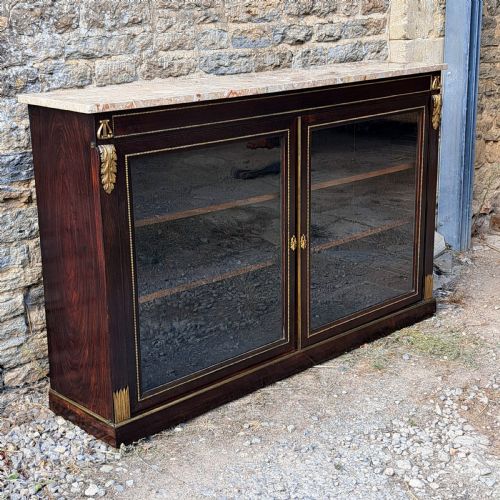
A glass side cabinet serves primarily to display prized objects while keeping them protected behind glazed doors or panels. Buyers searching for a glass side cabinet encounter various historical forms, from compact pier cabinets and credenzas to larger bookcases and vitrines.
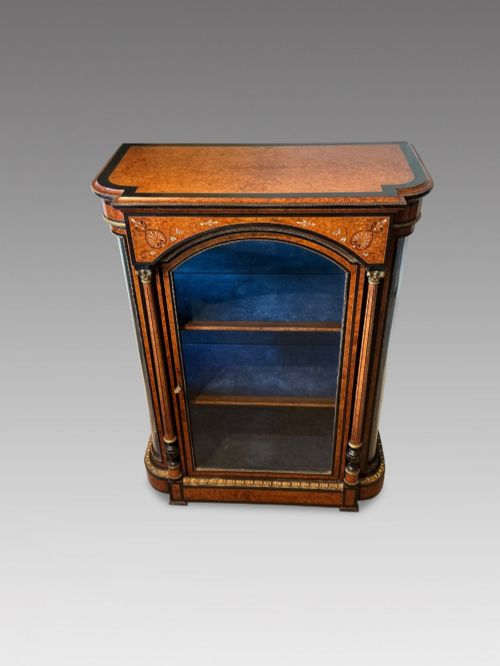
Victorian examples dominate the selection, frequently constructed from burr walnut and enriched with marquetry or ormolu mounts. Edwardian and later pieces shift towards lighter satinwood and mahogany timbers, reflecting changing domestic tastes across the nineteenth and twentieth centuries.
Materials and construction methods
Cabinetmakers utilised dense hardwoods like mahogany, walnut and rosewood as foundational timber structures, often applying figured veneers such as burr walnut or satinwood to visible surfaces. Ebonised wood and exotic inlays provided striking visual contrast on formal Victorian and revival pieces.
Glazing techniques allowed maximum light penetration into the interior shelves, supported by cast brass or ormolu mounts, bronze accents and delicate marquetry panels. Interior elements occasionally incorporated velvet linings and mirror backs to enhance the reflection of displayed items.
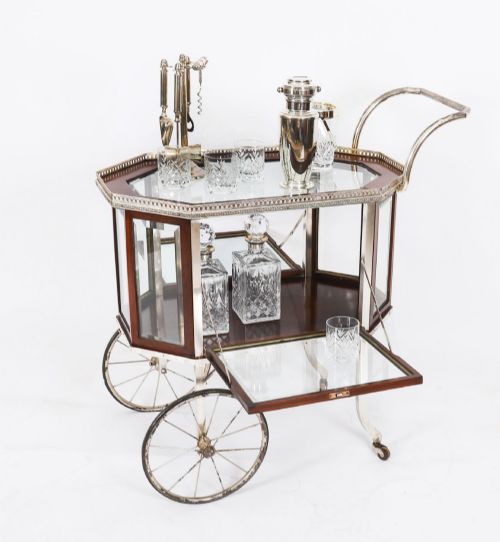
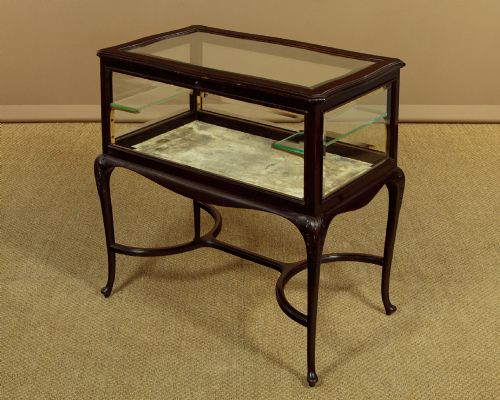
Some Edwardian tables offered dual utility for tea, cake and miniature treasures.
Assessing quality and craftsmanship
Superior examples display precise matching of wood veneers across doors and panels, demonstrating deliberate planning by the maker. Finely cast metal mounts, crisp marquetry work and original glazed panels distinguish finer pieces from simpler utility furniture.
The integration of structural elements, such as smoothly operating doors and well-fitted interior shelving, separates standard production items from exceptional workshop output.
Liberty & Co.
The Glass Side Cabinet Glossary
- Pier cabinet
- A narrow cabinet designed specifically to stand against the wall space between windows. These pieces often feature glass doors and rich marquetry.
- Credenza
- A low cabinet, frequently fitted with glazed central doors and curved side compartments, popular during the Victorian period for formal display.
- Ormolu
- Gilded bronze ornamentation applied to furniture edges and mounts. This technique adds metallic highlights to timber surfaces.
- Marquetry
- The art of applying pieces of veneer to a structure to form decorative patterns. Craftsmen use varied woods to create floral or geometric designs.
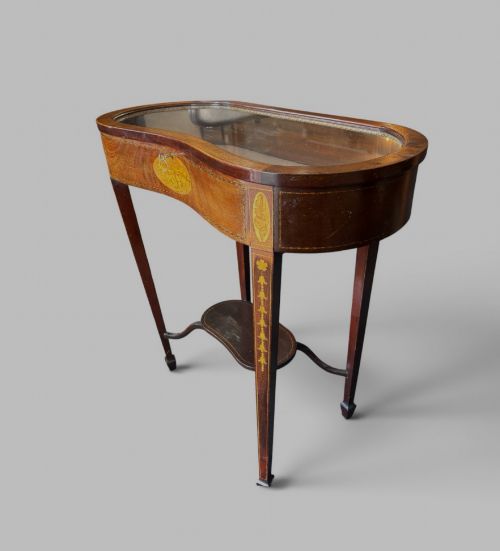
- Bijouterie table
- A glass-topped display table designed to showcase small valuable items. These tables feature glazed compartments supported on slender legs.
Glass Side Cabinet: Frequently Asked Questions
Where should I place a glass side cabinet?
These cabinets suit dining rooms, drawing rooms or hallways where natural light can pass through the glass panels. Positioning them away from direct heat sources protects the timber veneers and internal linings.
Ensure adequate floor space is available for doors to swing open fully without obstructing room traffic or adjacent furniture.
How do I clean the glass and wood?
Dust timber surfaces regularly with a soft, dry cloth to prevent the accumulation of grit. Use mild glass cleaner applied to a cloth rather than directly on the glass to avoid damaging surrounding wood frames.
Avoid silicone-based polishes, which can build up on antique finishes and dull the natural sheen of walnut or mahogany.
What periods do these cabinets represent?
The available pieces span the Victorian, Edwardian and Regency eras, alongside later twentieth-century Art Deco and revival styles. Victorian examples often feature dark woods and ornate ormolu, while Edwardian pieces lean towards lighter satinwood.
Mid-twentieth-century designs introduce alternative forms like bar carts and serving trolleys alongside traditional display furniture.
Can these cabinets support heavy books?
Most glass-fronted cabinets serve primarily for display or lighter volumes rather than heavy library storage. Shelving thickness and support brackets determine the weight capacity of each individual cabinet.
Adjustable wooden shelves found in larger bookcases handle heavier loads than the slender glass-lined shelves typical of pier cabinets and vitrines.