


Glass Retail Display
Glass retail display pieces are period shop fittings and counters designed to show goods clearly, bringing authentic commercial heritage into modern domestic and retail interiors.
Glass Retail Display
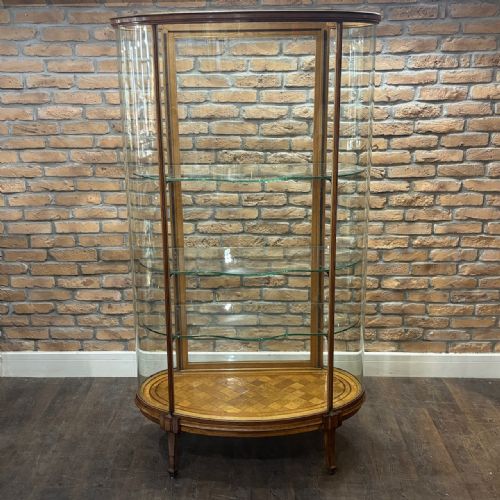
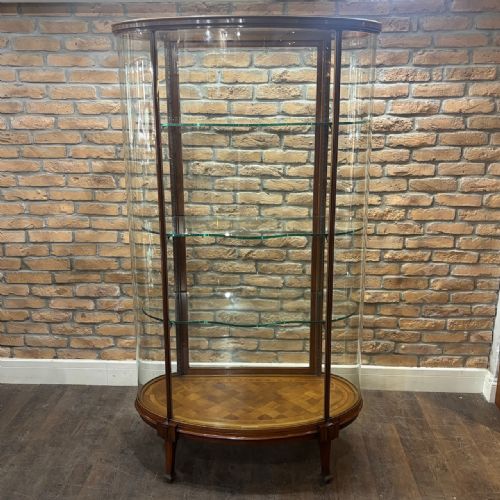
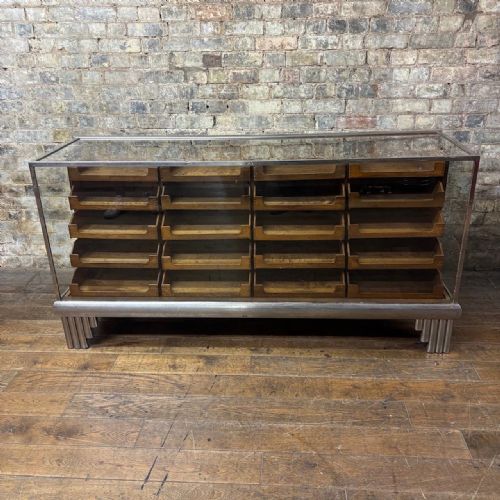
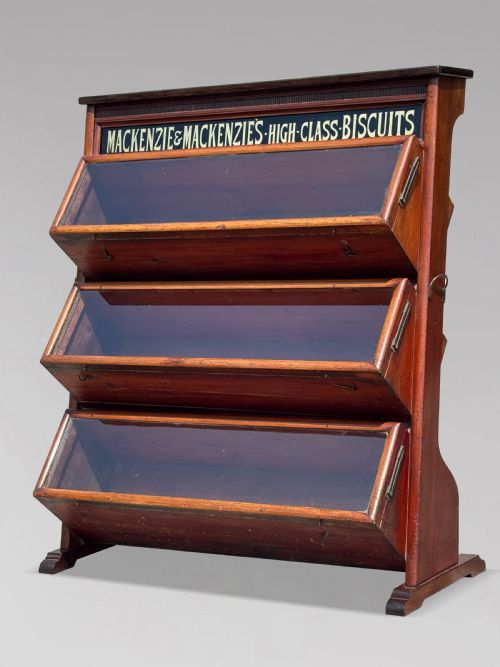
Glass retail display items encompass freestanding cabinets, countertop cases, shop counters, and haberdashery units originating from the Victorian, Edwardian, and 1920s to 1930s commercial eras. These utilitarian fixtures were built for apothecaries, grocers, and outfitters to showcase confectionary, biscuits, perfume, and drapery.
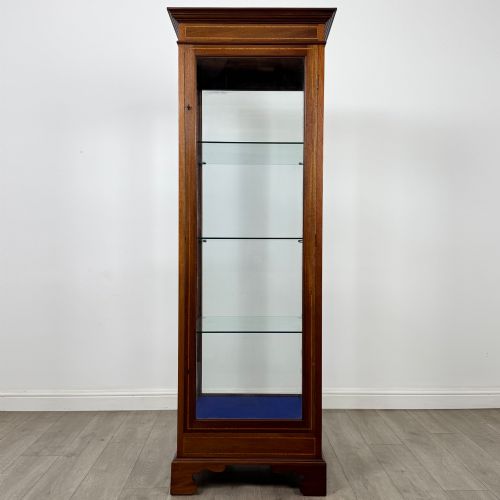
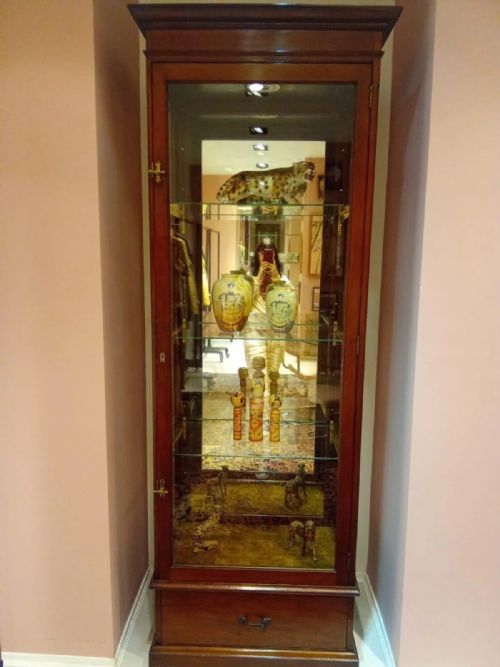
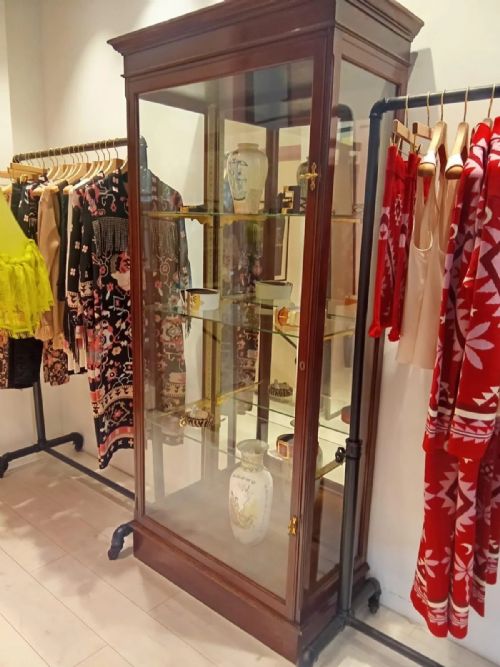
Buyers most frequently encounter large mahogany or oak floor-standing display cabinets and smaller countertop cases dating from around 1900 to 1910. These pieces often incorporate glazed panels, mirrored interiors, and adjustable glass shelving designed to maximise light and visibility for merchandise.
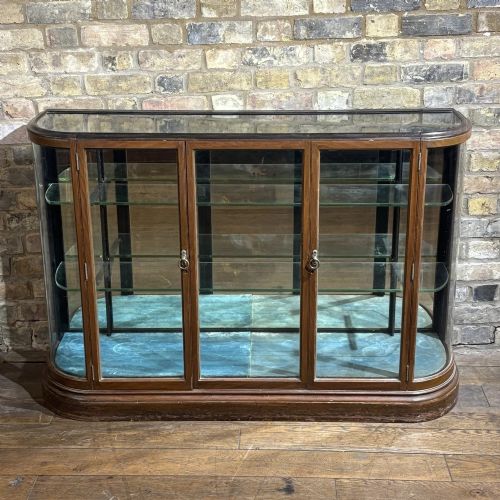
Specialised examples include branded advertising cabinets from makers such as Fry's, Rowntree's, and Cadbury's, alongside museum-style cases and hexagonal or bow-end counters. The selection ranges from robust commercial counters to refined glass-topped bijouterie tables intended for delicate specimens.
How They Were Made
Constructed primarily from dense hardwoods like mahogany and oak, these commercial fixtures rely on sturdy timber framing to support heavy panes of plate glass. Brass, bronze, chrome, and aluminium framing appear across different periods, transitioning from ornate Victorian metalwork to clean 1930s industrial profiles.
Joinery techniques prioritize structural integrity and maximum transparency, utilising slender wooden glazing bars and mirrored backs to bounce light through the display area. Interior elements frequently combine velvet or fabric linings with adjustable glass shelves supported by brass brackets.
One sweet shop cabinet still carries the original sign-written detail for Breitling watches.
What Varies in Quality
The distinction between standard commercial joinery and top-tier craftsmanship lies in the refinement of the timber and metal framing. Superior pieces exhibit seamless mitred joints, high-grade figured mahogany or quarter-sawn oak, and original cast brass hardware.
Originality of components dictates overall merit, particularly the presence of undamaged float or sheet glass, functional locks with matching keys, and undamaged mirrored interiors. Maker attribution through stamped brass plaques or branded glass signage adds distinct archival value.
F. Sage & Co·Dudley & Co·John Stow Ltd·Saml. Elliott & Sons·Lennards
The Glass Retail Display Glossary
- Haberdashery counter
- A long retail cabinet traditionally fitted with numerous shallow drawers and glass fronts to sort and display small textiles, ribbons, and sewing notions.
- Bijouterie table
- A glass-topped display table with a shallow compartment designed specifically for showcasing jewellery, medals, and small collectors' items.
- Bow end
- A curved cabinet end, usually glazed, designed to soften the profile of a shop counter or freestanding display case and improve viewing angles.
- Countertop case
- A smaller display unit built to sit upon an existing shop counter, bringing merchandise directly to eye level for customers at the point of sale.
- Advertising cabinet
- A branded display unit commissioned by confectionery or pharmaceutical manufacturers to promote specific goods directly inside a merchant's shop.
Glass Retail Display: Frequently Asked Questions
How were these cabinets originally used?
These fixtures served merchants as secure, dust-free environments to present goods to the public while keeping valuable or delicate stock protected behind glass.
Shopkeepers utilised countertop models for impulse purchases like sweets and perfume, while large floor cabinets housed clothing, biscuits, and chemist supplies.
Can I use a shop counter at home?
These commercial pieces adapt easily to domestic interiors as kitchen islands, sideboards, or statement storage units in living spaces.
The generous glass surfaces and shelving provide functional display space for modern collections while adding distinct historical character to a room.
How do I distinguish Edwardian from Victorian cases?
Victorian display cases generally feature heavier, darker timbers with more ornate mouldings, brass framing, and elaborate decorative flourishes.
Edwardian and later 1920s examples tend toward cleaner lines, lighter oak or mahogany tones, and simpler geometry to maximise visibility.
Are the glass shelves usually adjustable?
Many of the larger cabinets and countertop cases feature removable glass shelves resting on adjustable brass brackets or wooden notches.
This adaptability allowed Victorian and Edwardian shopkeepers to alter internal heights for tall bottles, large biscuit tins, or stacked textiles.