

Glass Fronted Oak Cabinet
A glass fronted oak cabinet brings a sturdy architectural presence to a room, protecting books and collections behind clear glazed panels.
Glass Fronted Oak Cabinet
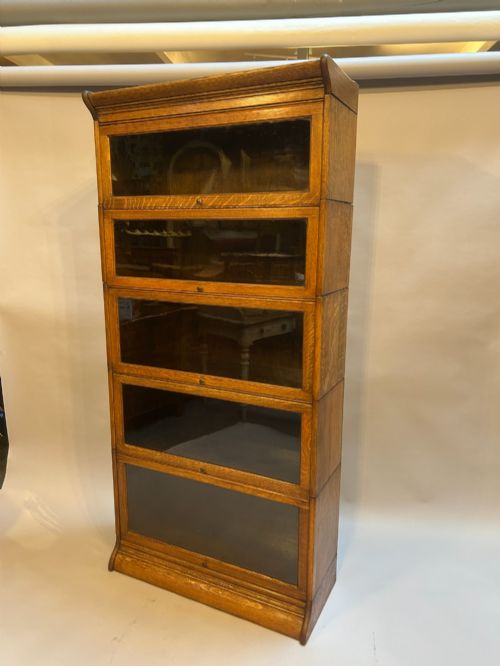
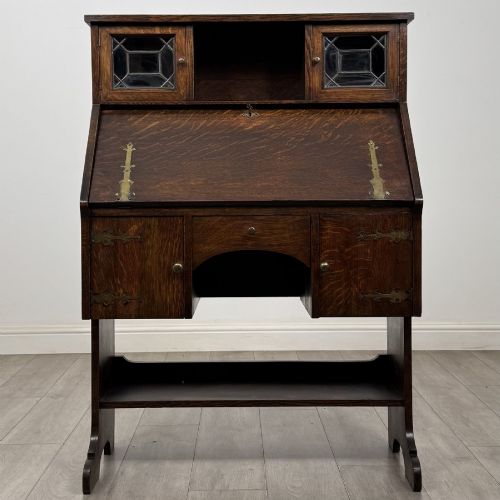
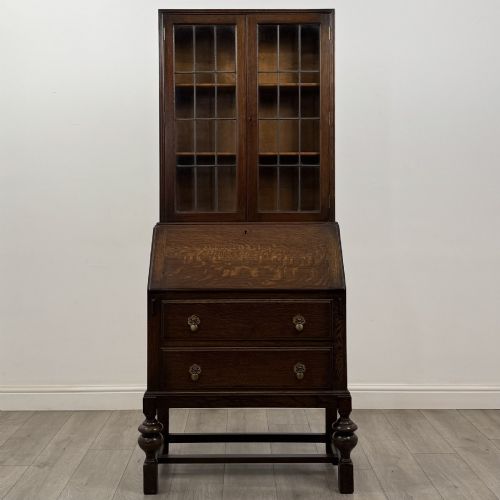
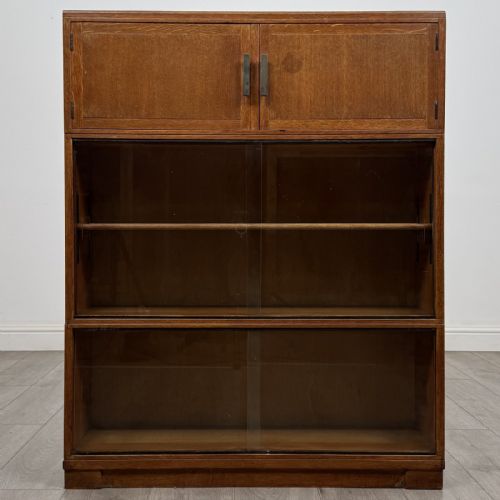
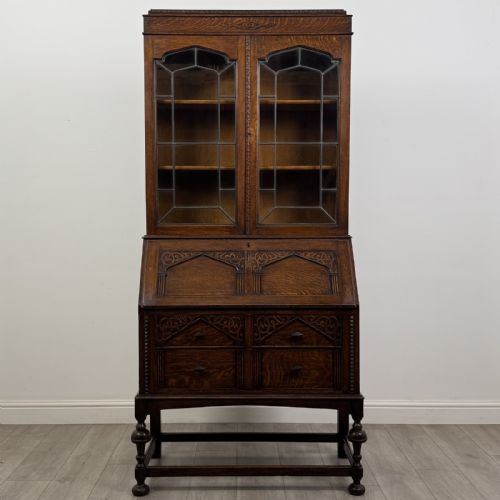
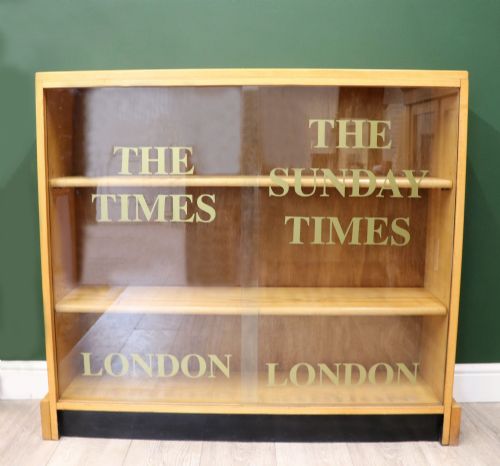
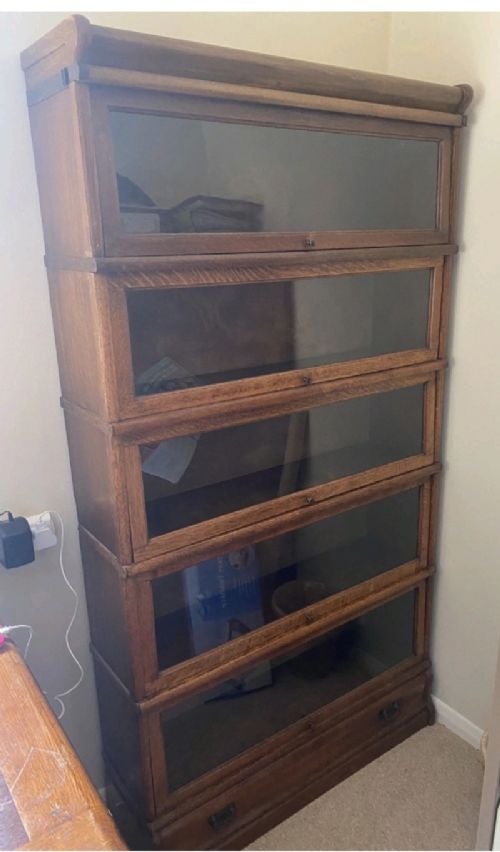
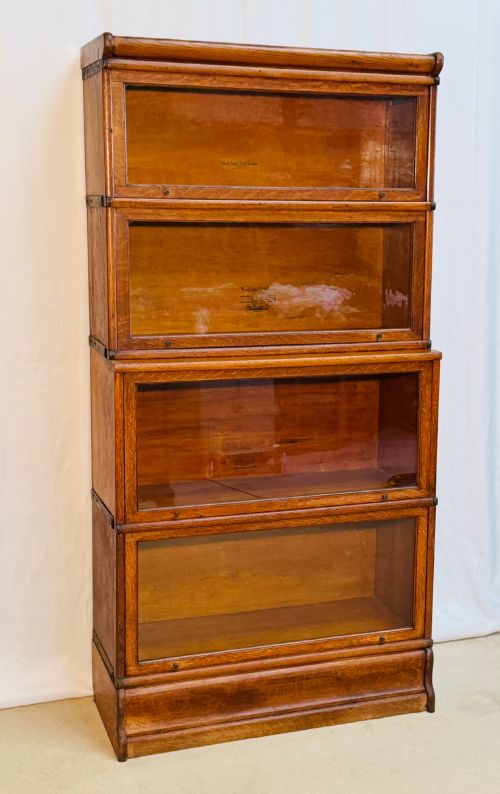
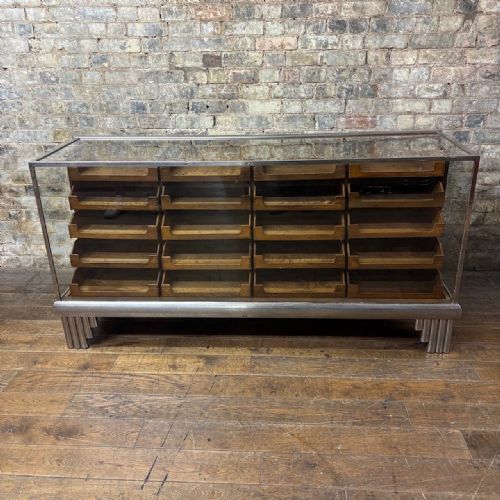
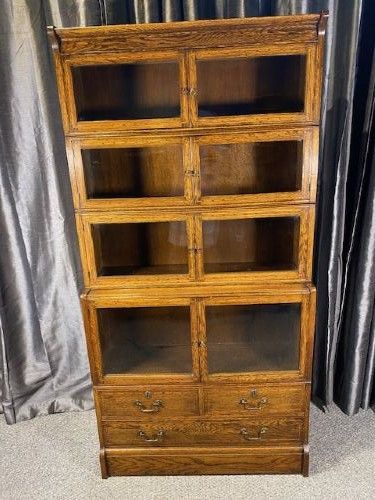
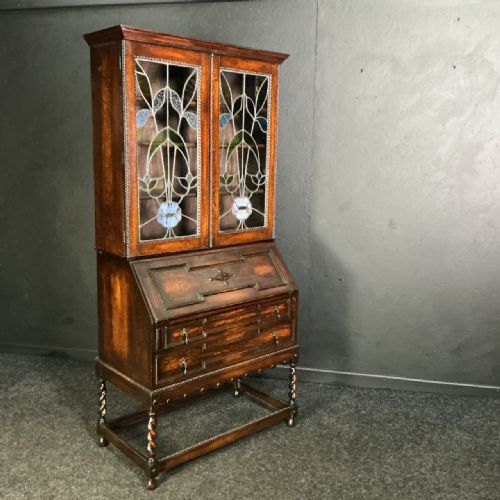
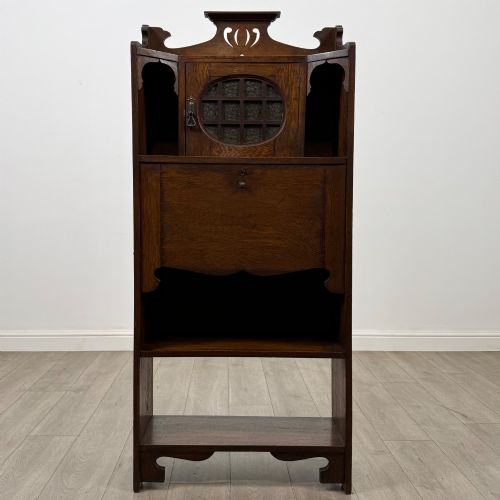
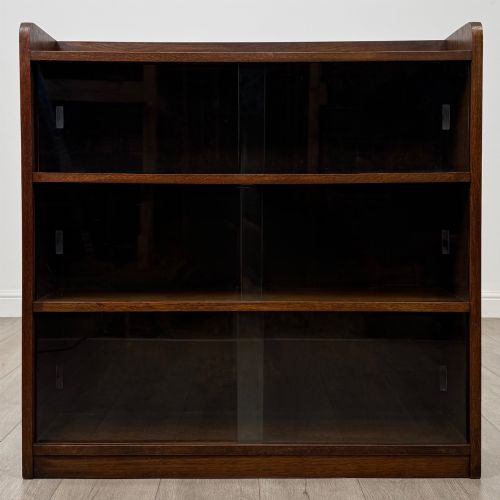
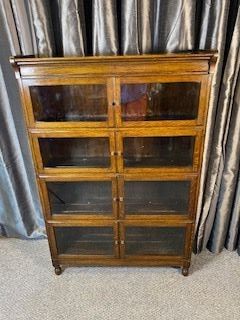
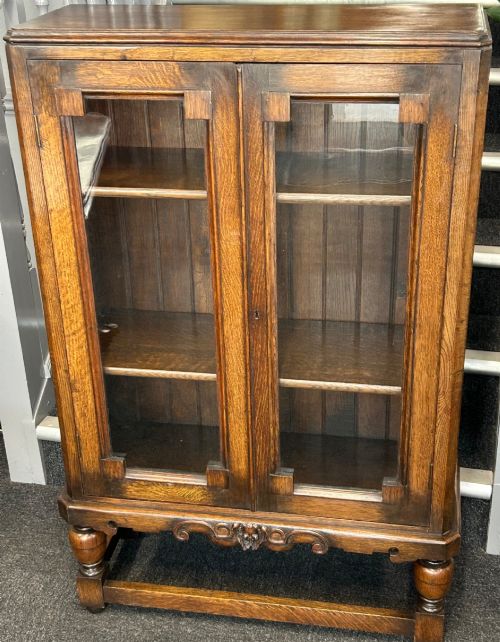
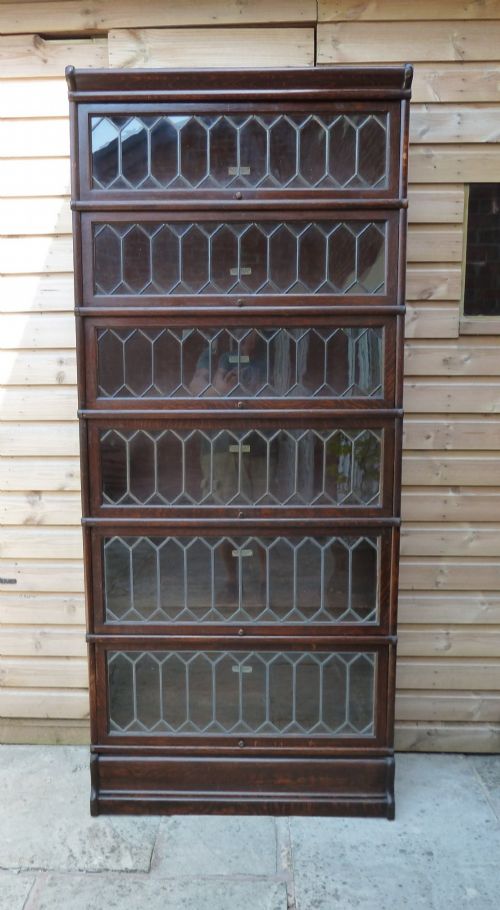
A glass fronted oak cabinet appears in various forms across this selection, ranging from sectional barrister bookcases and shop display counters to bureau bookcases and tall display units. These pieces span periods from the nineteenth century through the Edwardian era into the nineteen-twenties and nineteen-thirties, reflecting domestic and commercial uses.
The most frequent version encountered on this page is the modular stacking bookcase or sectional bookcase, alongside Edwardian display cabinets and bureau bookcases fitted with glazed doors. Makers and designers from these decades utilised solid oak and oak veneers to construct functional storage for books, shop merchandise, and personal collections.
Construction and Materials
Construction relies primarily on oak, supplemented by glass panels for doors and viewing areas, with brass, iron, chrome, and lead appearing as structural or decorative hardware. Cabinet makers employed mortise and tenon joinery for stability, fitting glazed doors with timber frames or leaded cames.
Sectional systems utilise ingenious sliding mechanisms and metal brackets to allow individual tiers to stack securely. Finishes range from polished surfaces that highlight the natural grain of the timber to simpler waxed treatments on utilitarian shop counters.
Glass Fronted Oak Cabinet Retail Price Guide 2026
Typical asking prices for glass fronted oak cabinet among the pieces listed under this phrase on Sellingantiques today, from the lower quarter to the upper quarter. They describe what is for sale here now, not the wider market.
Several cabinets include working keys, inviting owners to lock away their literary treasures from curious hands.
Assessing Quality and Execution
Quality in these cabinets rests upon the selection of timber, the precision of the joinery, and the integrity of the mechanical elements such as stacking mechanisms, drawers, and door hinges. Finer examples display carefully matched oak grain, robust internal framing, and original hardware.
Makers known for specific design movements bring distinct levels of craftsmanship, where thoughtful proportions and refined detailing elevate a utilitarian storage piece into an accomplished example of period cabinet making.
Minty of Oxford·F. Sage and Co·Dudley and Co
The Glass Fronted Oak Cabinet Glossary
- Barrister bookcase
- A stacking bookcase composed of modular tiers with glazed doors that lift and slide inward above the books. This design originated to protect legal volumes in offices.
- Globe Wernicke
- A prominent brand name associated with sectional stacking bookcases manufactured during the late nineteenth and early twentieth centuries. The term often describes similar modular stacking designs.
- Bureau bookcase
- A combination piece featuring a sloping writing flap that folds down above drawers or cupboards, surmounted by a glazed cabinet for books. These units combine workspace with display storage.
- Haberdashery cabinet
- A shop display unit traditionally fitted with multiple glass drawers or glazed doors to showcase small retail goods. They provide practical and visible storage for domestic collections.
- Arts and Crafts
- A design movement emphasising handcraftsmanship, simple forms, and traditional construction methods without excessive ornamentation. Pieces from this tradition often feature exposed joinery and honest materials.
Glass Fronted Oak Cabinet: Frequently Asked Questions
Where should I place a glass fronted oak cabinet?
These cabinets suit studies, living rooms, and hallways where their timber tones complement existing interior woodwork. Position them away from direct sunlight to protect the contents and the timber finish.
Ensure the floor is level, particularly with tall stacking models or bureau bookcases, to maintain the proper alignment of the glazed doors.
How do I care for oak and glass?
Dust oak surfaces regularly with a soft, dry cloth and nourish the timber occasionally with appropriate wax to prevent drying. Clean glass panels with standard glass cleaner applied to a cloth rather than sprayed directly near the wood.
Avoid placing damp items inside unventilated cabinets to protect both the interior linings and the books or objects stored within.
How do I distinguish Edwardian from later pieces?
Edwardian pieces often display traditional period revival styles, such as Jacobean twist legs or heavier decorative mouldings, alongside handcrafted joinery details. Nineteen-thirties examples frequently incorporate modern influences like chrome hardware and cleaner, streamlined surfaces.
Examining the internal construction, drawer linings, and hardware types helps clarify the manufacturing era of each cabinet.