


Glass Front Bookcase Cabinet
A glass front bookcase cabinet keeps dust from leather bindings while holding a room's entire library behind clear glass.
Glass Front Bookcase Cabinet
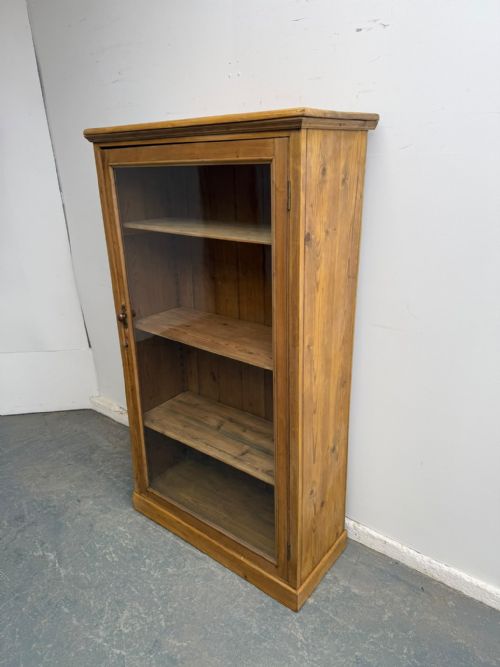
A glass front bookcase cabinet serves as a dual-purpose room centrepiece designed for both book storage and visible display. Buyers encountering this phrase will find pieces spanning the Victorian and Edwardian eras, alongside earlier Georgian forms and later Art Deco interpretations.
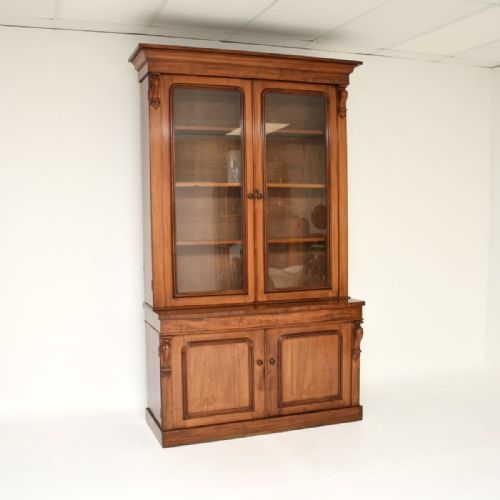
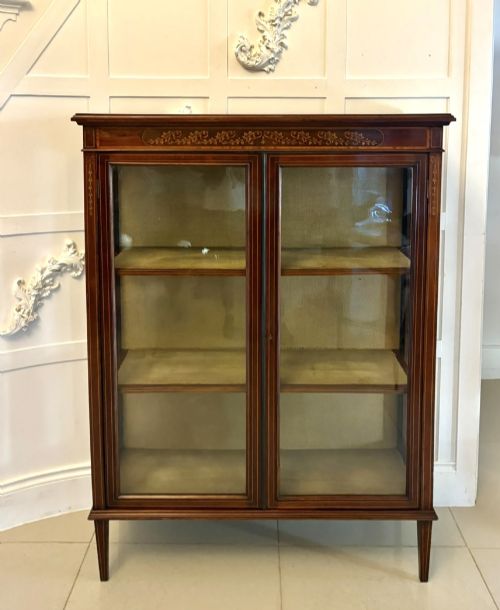
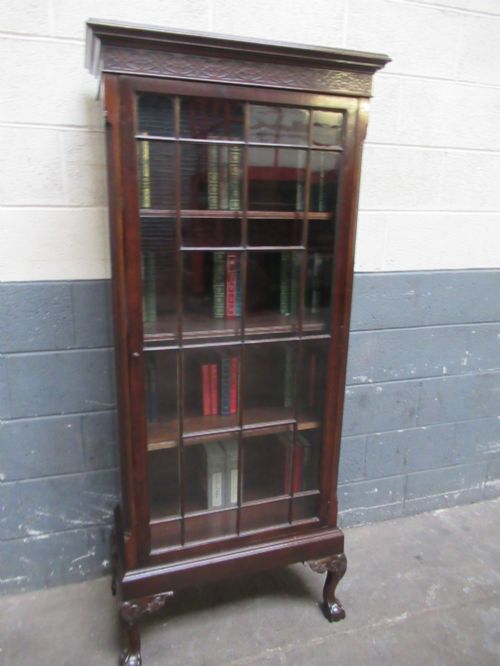
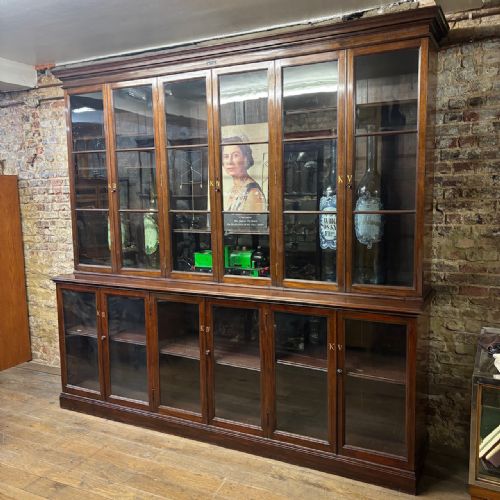
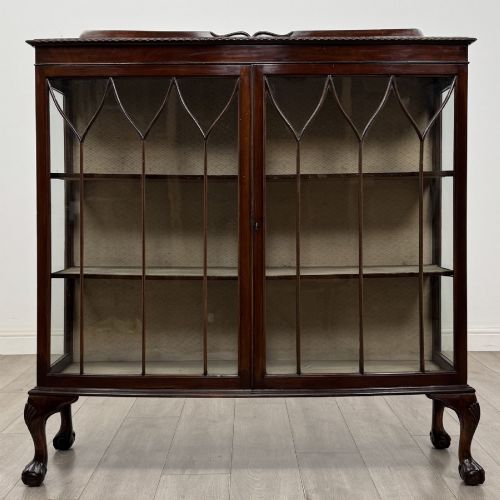
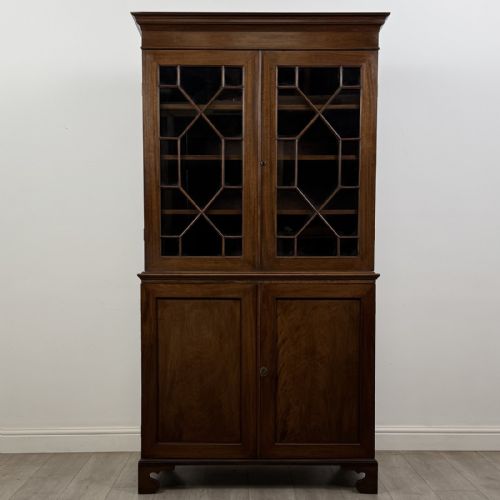
The selections on this page rely heavily on mahogany and oak carcasses fitted with glazed doors, ranging from slender single-door vitrines to large breakfront library pieces. Many incorporate lower wooden cupboards or drawers beneath the upper display section to house folio volumes and papers.
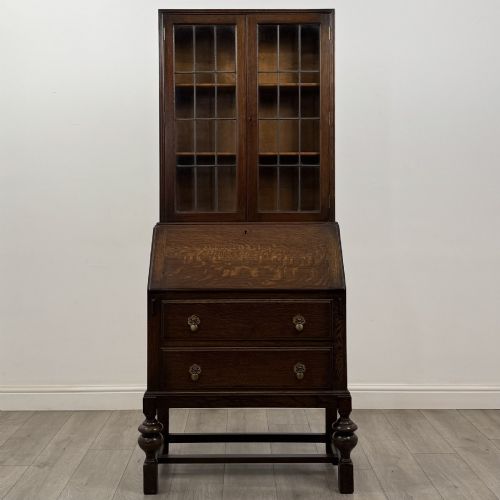
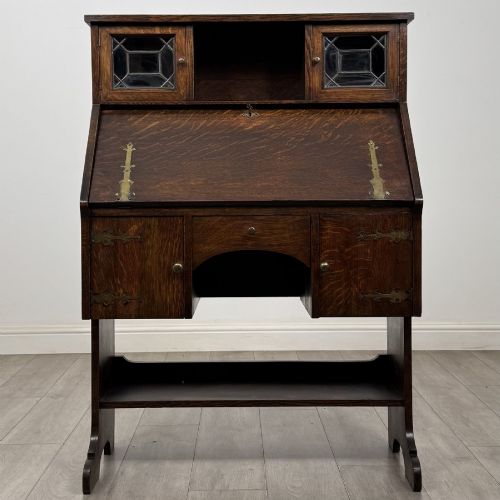
Regional variations appear across the inventory, including Dutch marquetry walnut cabinets and French vitrines alongside standard British cabinet-making. Bureau bookcases combine a sloping writing flap with upper shelving behind glass, creating a compact home office for period interiors.
Materials and construction
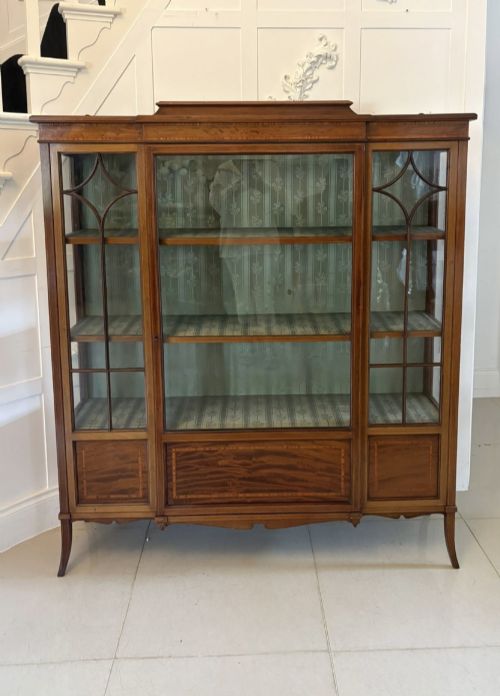
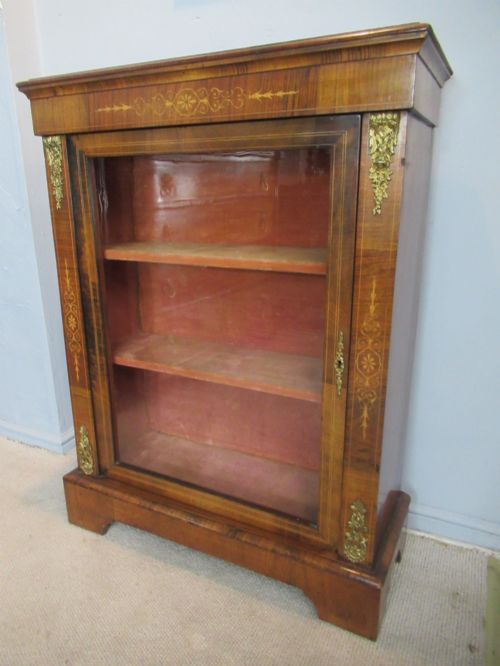
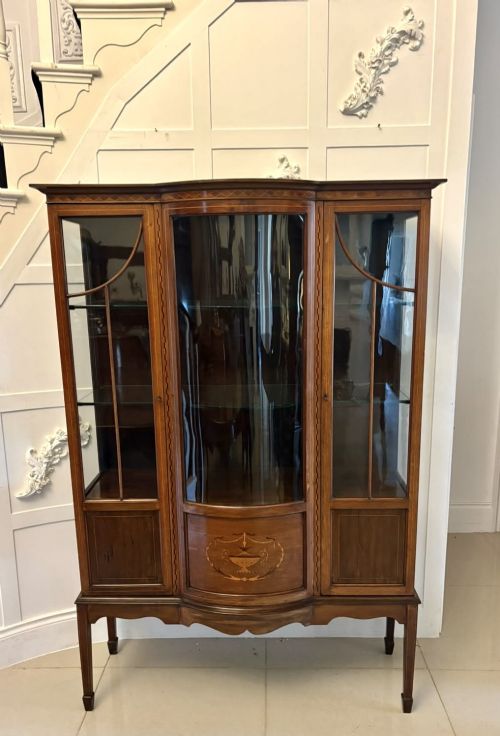
Cabinet-makers built these carcasses primarily using solid mahogany, oak and walnut timbers, often applying figured veneers such as burr walnut and satinwood across the main panels. Inlays of contrasting woods define the Sheraton Revival and Edwardian pieces, while brass handles and occasionally ormolu mounts secure the doors and drawers.
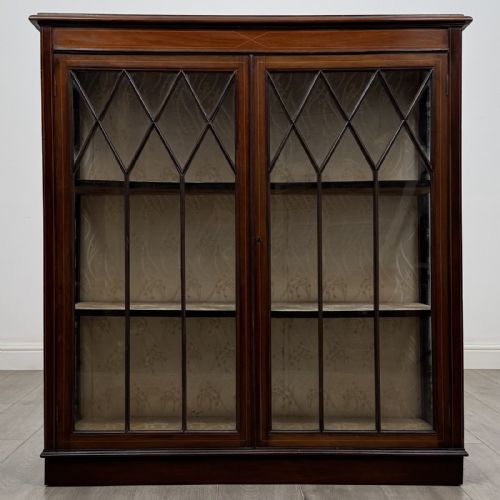
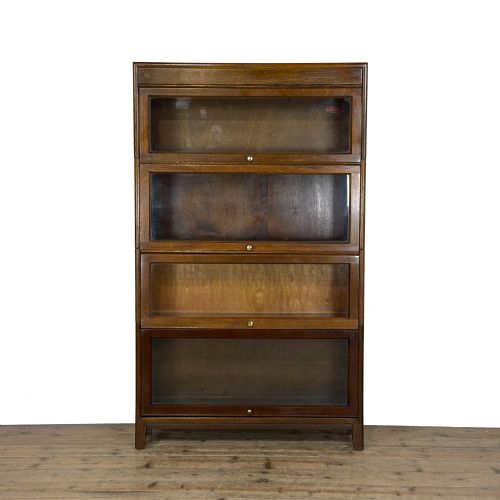
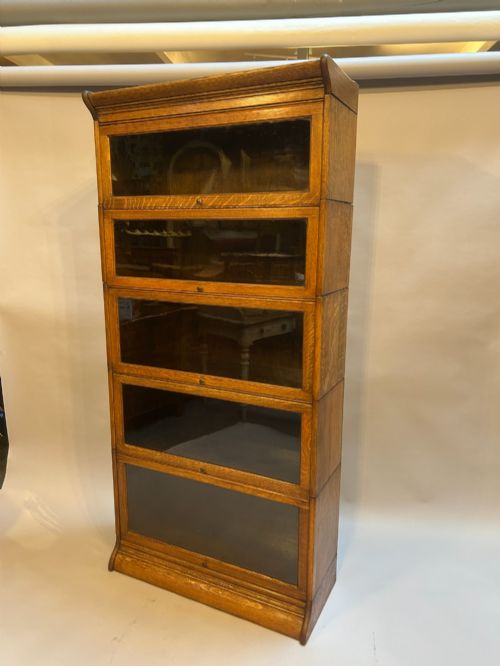
Glazing techniques involve individual glass panes held by wooden astragals, creating multi-pane doors that required precise joinery to support the weight. Sliding glass mechanisms and sectional stacking designs like the Globe Wernicke system emerge in later 20th-century examples.
Glass Front Bookcase Cabinet Retail Price Guide 2026
Typical asking prices for glass front bookcase cabinet among the pieces listed under this phrase on Sellingantiques today, from the lower quarter to the upper quarter. They describe what is for sale here now, not the wider market.
Some barristers managed to lose the keys to their stacking bookcases, yet the clever upward-sliding glass doors still opened perfectly.
Assessing quality and finish
Quality rests in the selection of timber veneers and the crispness of the inlaid banding, where finer examples employ subtle floral marquetry or delicate stringing. The weight of the timber and the tightness of the door mitres distinguish standard utility furniture from exceptional cabinet-work.
Hardware integrity also signals standard differences, noting whether brass locks, hinges and escutcheons remain original to the piece. The clarity of the window glass and the stability of the shelving supports dictate how well a cabinet preserves its contents.
The Glass Front Bookcase Cabinet Glossary
- Astragal
- The small wooden moulding that divides individual panes of glass within a cabinet door. These strips dictate the grid pattern seen across Edwardian and Victorian glazing.
- Bureau bookcase
- A combination form featuring a fall-front writing desk situated beneath an upright glass-fronted shelving unit. This dual function saved space in smaller period parlours.
- Vitrine
- A glass-sided display cabinet intended primarily for porcelain and ornaments rather than heavy folios. French examples frequently incorporate curved glass panels and marquetry highlights.
- Marquetry
- Decorative veneer work created by fitting thin pieces of contrasting timber and shell into a patterned background. Dutch pieces frequently display floral variations of this technique.
- Breakfront
- A large cabinet design where the central section projects forward from the flanking wings. This architectural arrangement breaks the long flat surface of extensive libraries.
Glass Front Bookcase Cabinet: Frequently Asked Questions
How do I date a glass front bookcase cabinet?
Dating relies on combining the timber species, construction methods and stylistic revival details present in the carcass. Victorian and Edwardian pieces often display machine-sawn timber elements alongside hand-cut dovetails.
Secondary indicators include the thickness of the glass panes and the style of internal shelving supports. Earlier pieces from the Georgian era feature heavier timber framing and hand-blown glass with subtle surface distortions.
Are shelves adjustable in antique bookcases?
Many older bookcases use fixed wooden shelving supported by wooden fillets glued to the interior sides. This traditional setup reflects a time when book sizes followed standard folio dimensions.
Later Victorian and Edwardian examples occasionally introduce metal rack strips allowing height adjustment. Buyers should inspect the interior depth to ensure modern volumes fit comfortably behind the glass doors.
How do I care for polished mahogany?
Polished mahogany benefits from regular dusting with a soft, dry cloth to prevent airborne grit from settling into the grain. Natural beeswax applied sparingly helps nourish the timber surface without building up excessive residue.
Direct sunlight and sudden temperature shifts cause timber to warp and polish to fade over time. Positioning the cabinet away from radiators preserves both the veneer and the structural joinery.
What is a barristers bookcase?
A barristers bookcase consists of stacked, modular shelving units featuring upward-lifting glass doors. This ingenious mechanical design allowed legal professionals to transport their libraries easily.
Individual sections lock together vertically, often topped with a cornice and finished with a small drawer at the base. Oak remains the predominant timber for these utilitarian systems.