

Glass Drop Ceiling Fixture
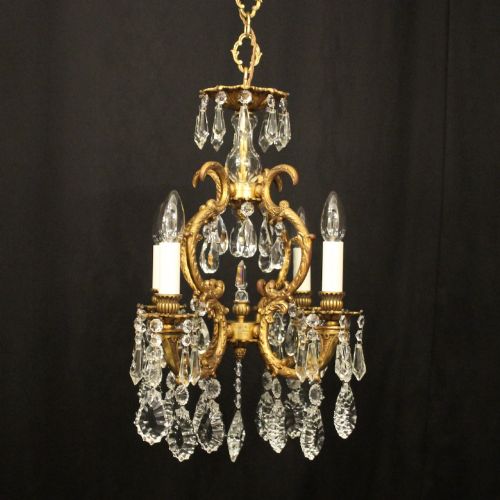
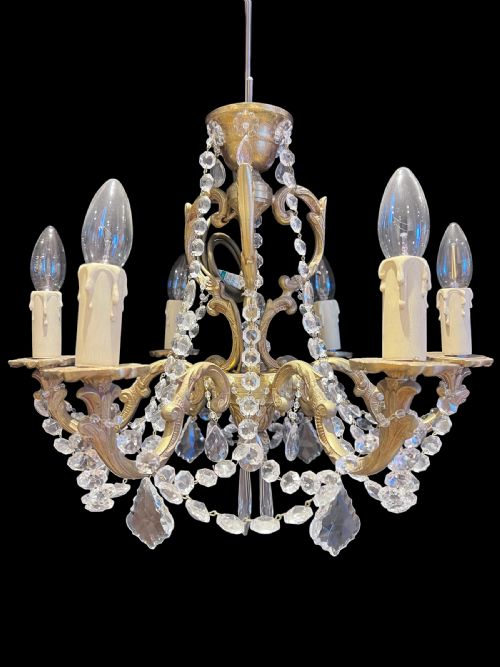
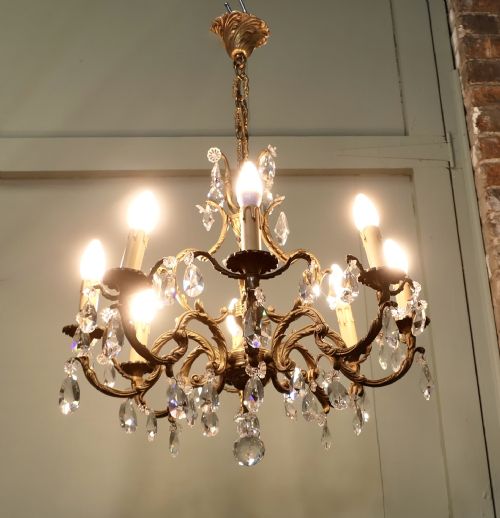
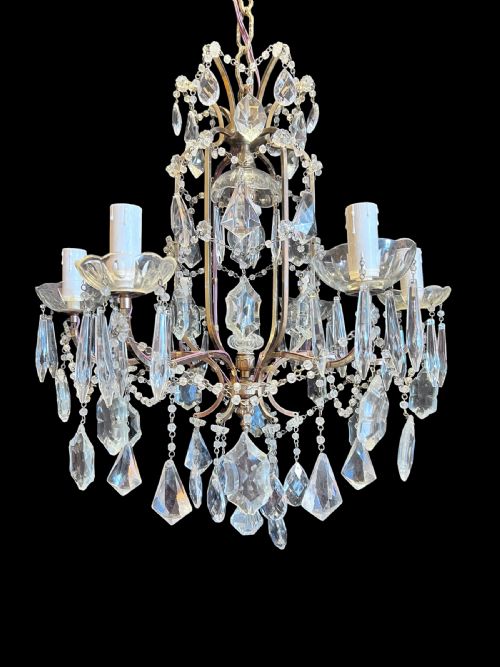
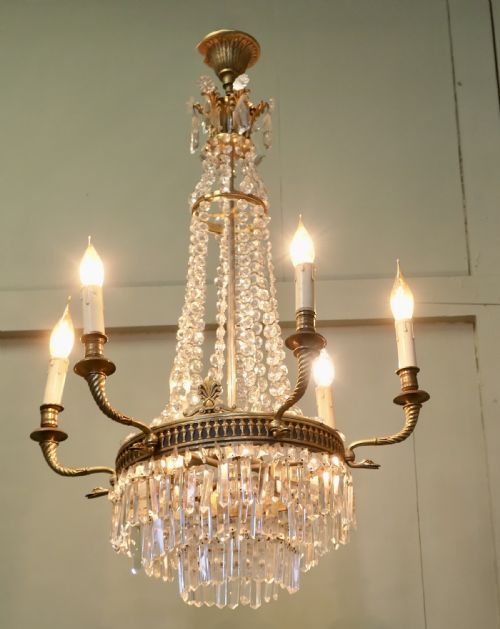
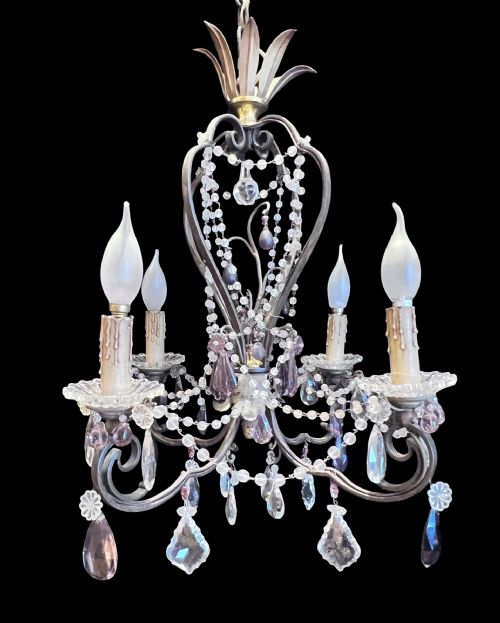
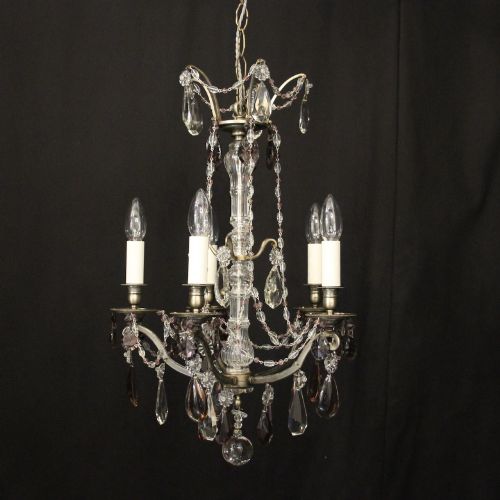
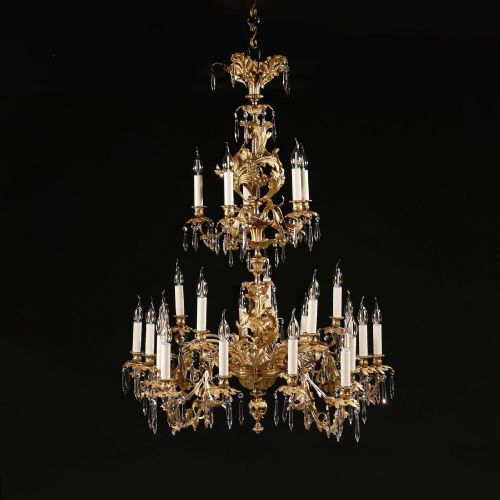
A glass drop ceiling fixture brings upward illumination and hanging prisms together, casting light through cut crystals.
Glass Drop Ceiling Fixture
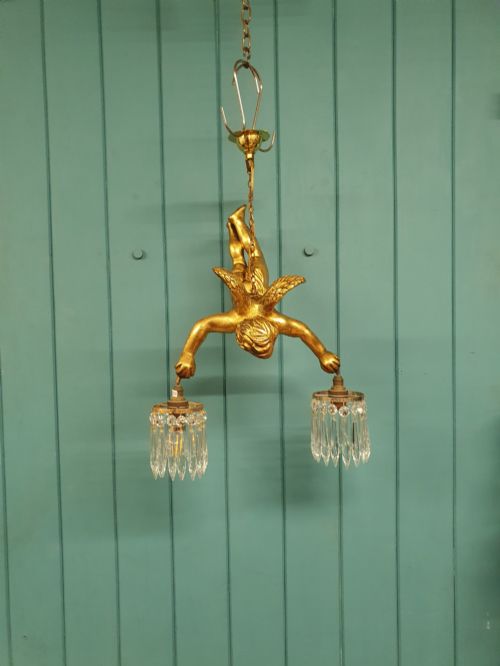
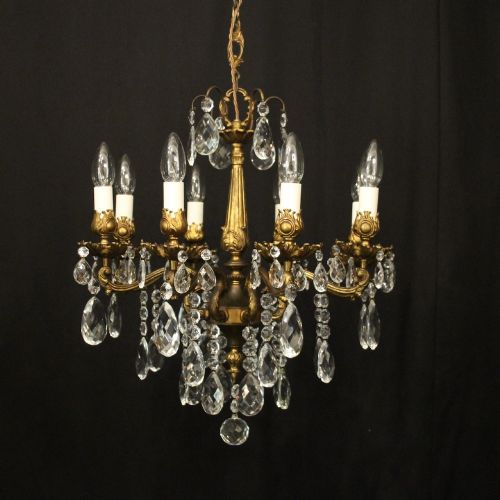
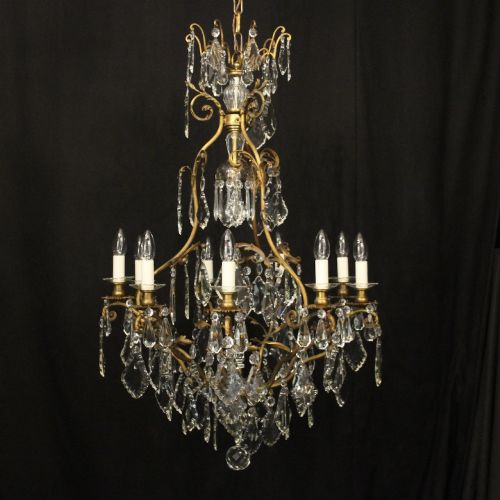
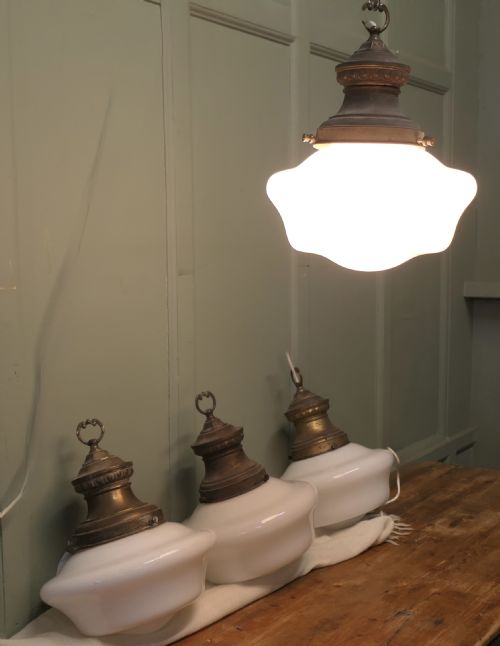
A glass drop ceiling fixture encompasses chandeliers, pendant lights, and ceiling lights suspended from above. The selection centres on French and Italian designs spanning the nineteenth century through the 1930s.
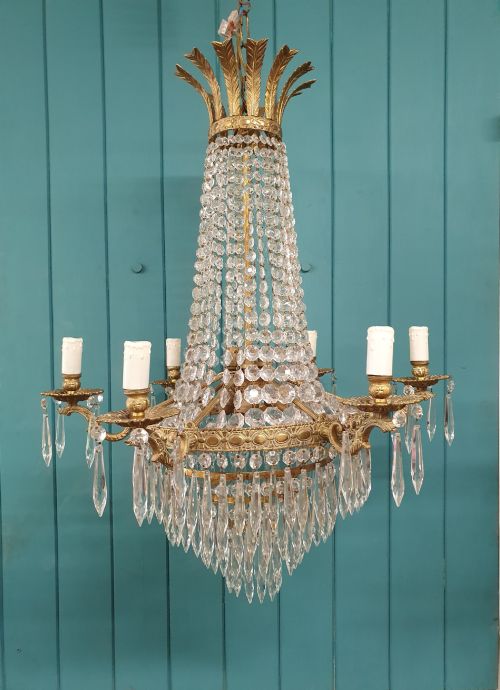
Buyers encounter numerous French gilded bronze and brass examples alongside Edwardian and Art Deco pieces. Forms range from compact bag and prism lights to multi-light tent and waterfall chandeliers.
Coloured crystals in amethyst, pink, and turquoise appear across various styles, including Marie Theresa, Empire, and Rococo. Smaller ceiling fixtures sit alongside substantial multi-branch chandeliers.
Materials and Construction
Metal frames utilise brass, gilt bronze, gilt metal, and gilded brass to support the weight of the glass. Toleware and spelter also appear in structural mounts and decorative elements.
Cut glass and crystal form the hanging drops, lustres, spikes, and coffin prisms that drape across each frame. Metal pins and wire link the individual crystal elements to the main body.
Listings feature brass, crystal, glass, and gilt metal across French Chateau, French Empire, Art Deco, and Maria Theresa styles.
Assessing Quality
The refinement of the metalwork dictates the upper tier of these pieces, particularly where chased or gilded bronze replaces simpler brass. Hand-cut crystal drops with crisp facets separate superior examples from standard pressed glass.
Proportion and density of the glass hanging components determine the visual impact of a chandelier. Comprehensive crystal dressing and intricate frame wiring reflect superior workshop standards.
The Glass Drop Ceiling Fixture Glossary
- Tent and waterfall
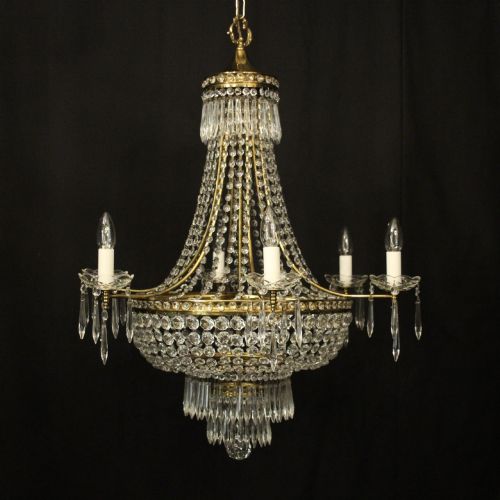
- A chandelier style featuring an upper canopy of strung crystals forming a tent shape above a cascading arrangement of drops. This design originated in the eighteenth century and persisted through the Edwardian period.
- Bag chandelier
- A lighting fixture characterised by a basket or bag shape formed from rows of hanging crystal beads. The lower section gathers into a point beneath the internal light sources.
- Lustre
- A cut glass or crystal pendant hung from the arms or frame of a light fixture. Lustres move slightly to catch and refract ambient light.
- Spike chandelier
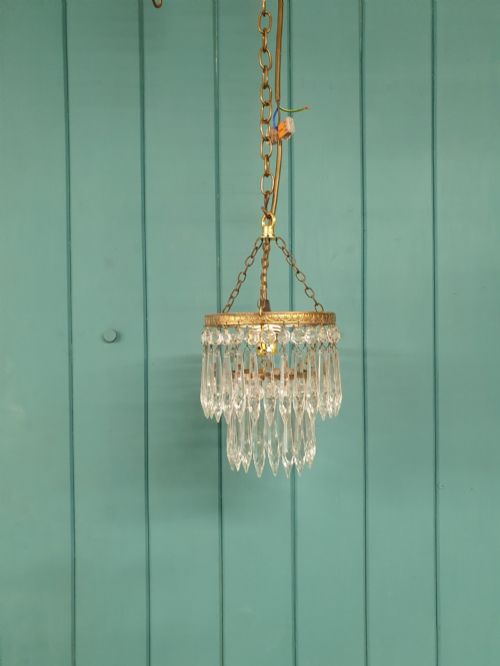
- A compact fixture featuring vertical glass spikes arranged around a central metal frame. These pieces often measure under a foot in diameter.
- Gilt bronze
- Copper alloy treated with a layer of gold amalgamation. This material provides a durable and rich finish on nineteenth-century French frames.
Glass Drop Ceiling Fixture: Frequently Asked Questions
How do I hang a heavy crystal chandelier?
Suspension requires fixing directly into ceiling joists using a rated ceiling hook and metal chain. Professional installation ensures the electrical wiring and weight distribution are secure.
Heavier multi-branch chandeliers demand robust structural support to handle the combined weight of the metal frame and glass drops safely.
What periods do these ceiling fixtures represent?
The available lighting spans from the nineteenth century through the Edwardian era, 1910, 1920, and into the 1930s. Styles range from French Empire and Rococo Revival to Art Deco.
Earlier pieces often feature heavy cast brass and hand-cut crystal, while later twentieth-century examples introduce pink and turquoise coloured glass.
How should I clean hanging crystals?
Maintenance involves wiping individual glass drops with a mild solution of warm water and professional glass cleaner. Removing the crystals allows thorough cleaning without damaging the metal frame.
Leaving the drops attached requires spraying carefully and drying with a lint-free cloth to prevent water spots on the facets.
Are these lights wired for modern electricity?
Many antique fixtures retain older internal wiring that requires replacement to meet current safety standards. Rewiring allows modern lamp holders while preserving the original exterior appearance.
A qualified electrician can adapt the central channels to accommodate contemporary bulbs safely.