
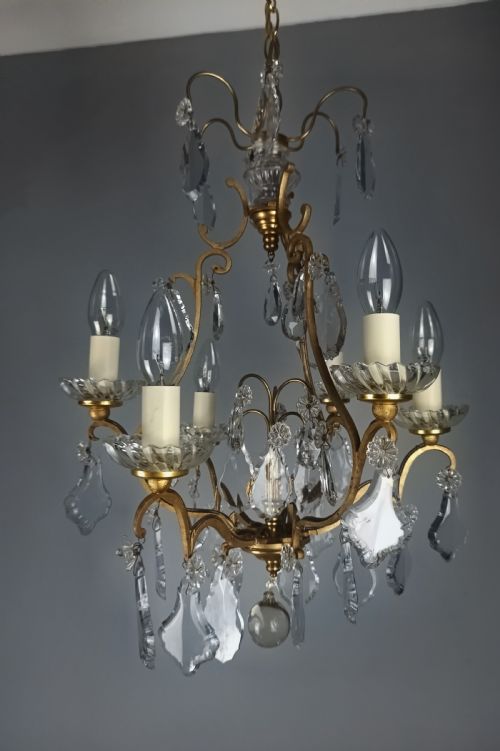
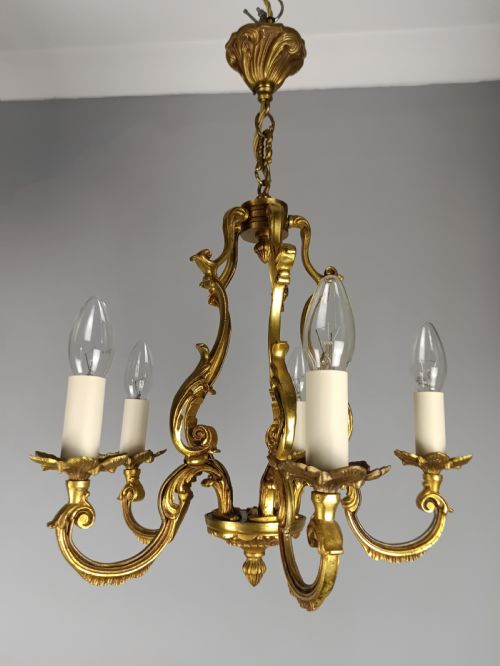
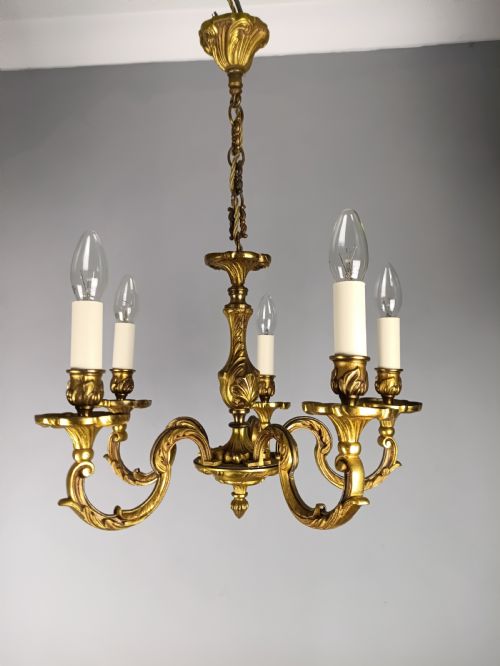
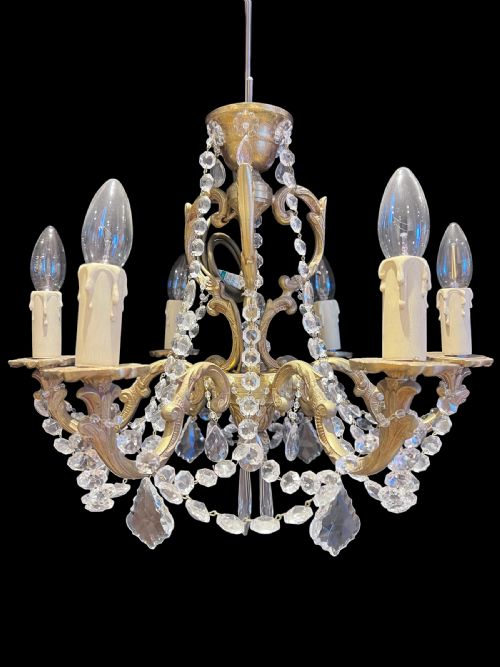
Rococo Style Brass Chandelier
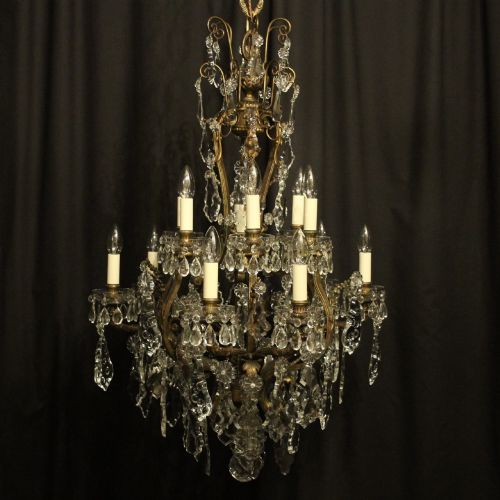
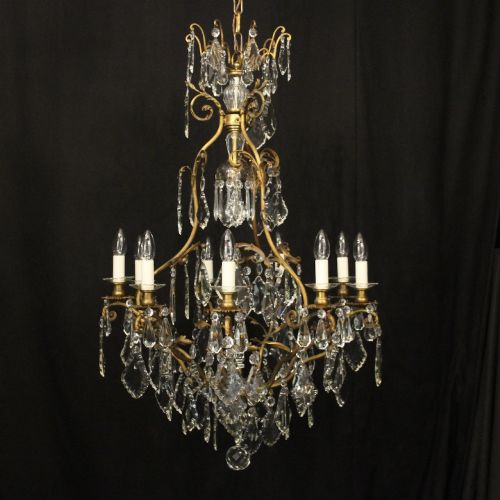
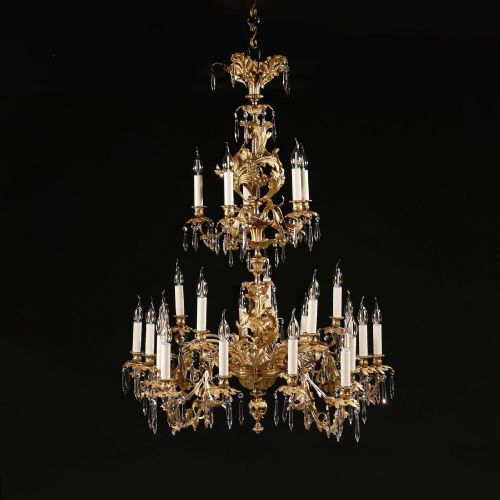
These rococo style brass chandelier examples deliver opulent asymmetric curves, scrolling foliage and abundant crystal drops to light a grand interior with period French character.
Rococo Style Brass Chandelier
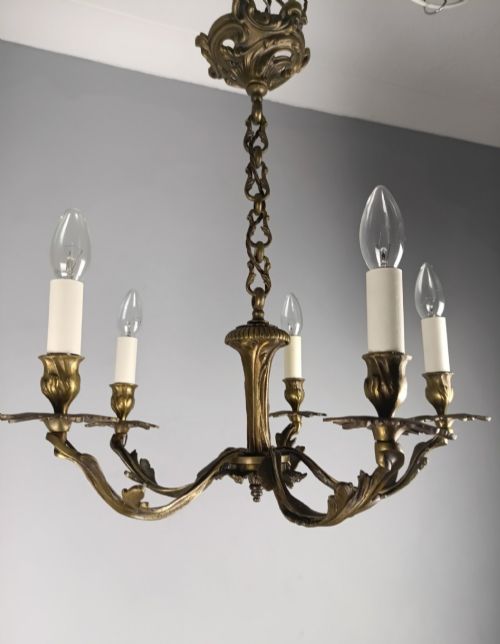
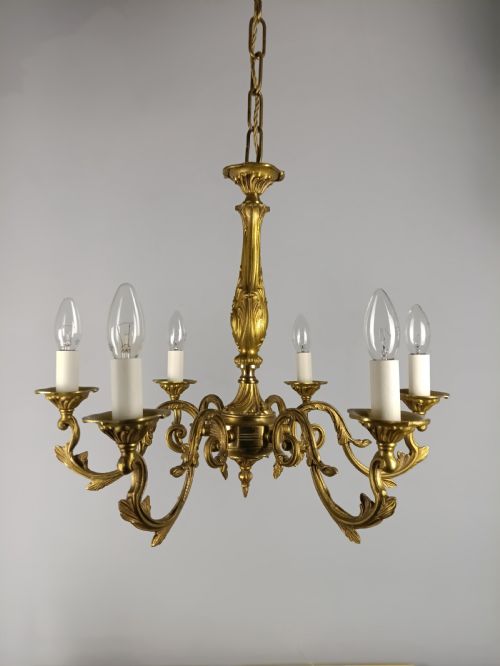
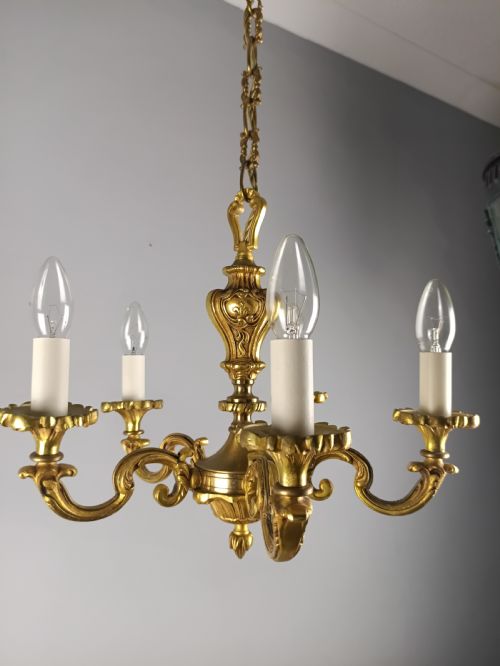
A rococo style brass chandelier brings elaborate asymmetrical forms, scrolling acanthus motifs and decorative cast metal work into a room. When searching this phrase, a buyer encounters multi-light fixtures spanning from the nineteenth century through to the early decades of the twentieth century.
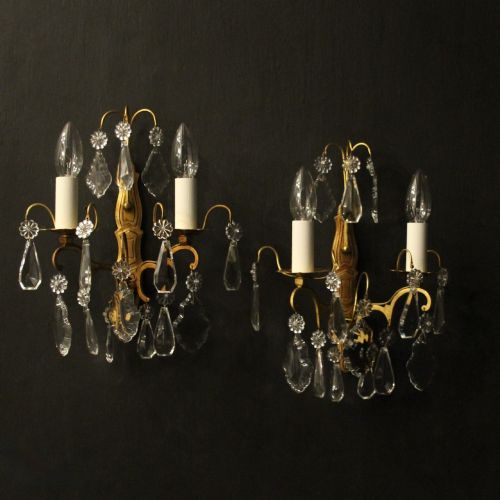
The selections on this page lean heavily towards French designs, including birdcage frames, multi-tiered brass configurations and wall lighting variants. Most pieces date from the 1920s and 1930s revivals or trace back directly to nineteenth century workshops.
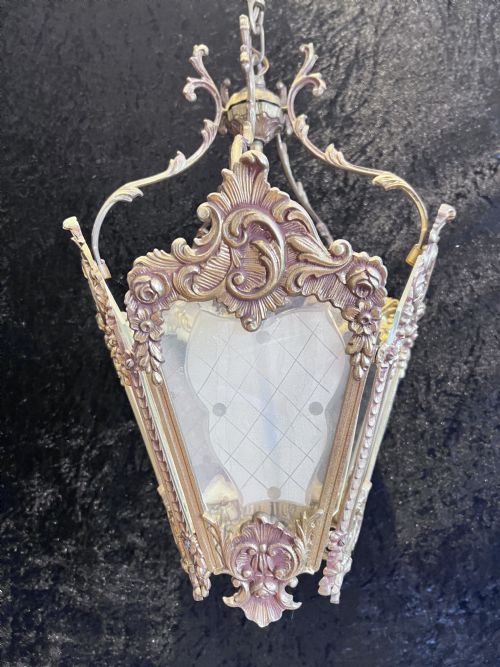
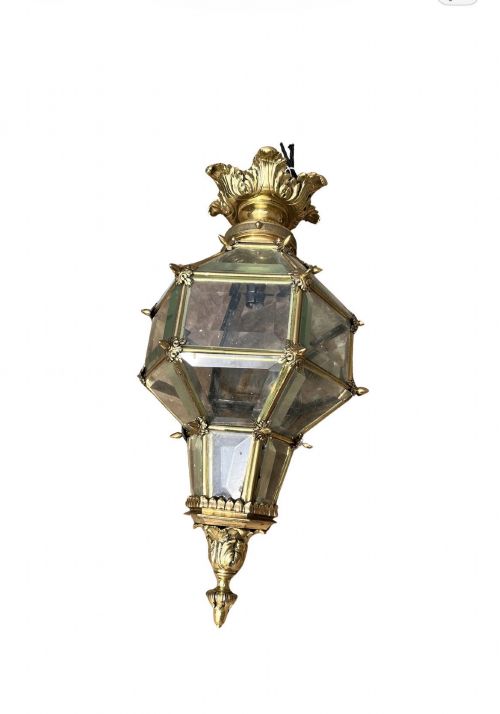
Beyond central ceiling lights, the grouping incorporates related lighting forms such as hanging lanterns and wall sconces sharing the same ornate aesthetic. These variations allow for a unified decorative scheme across different rooms whilst maintaining a consistent period vocabulary.
Materials and construction methods
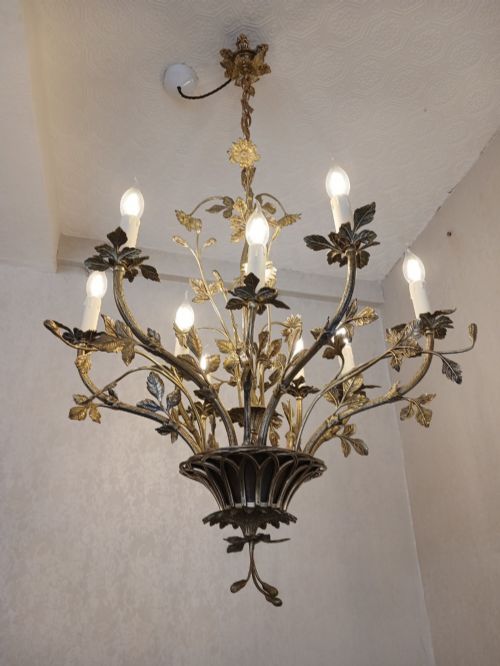
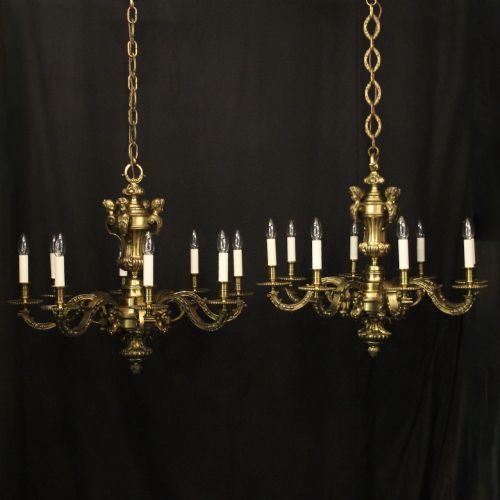
Makers utilised cast brass, gilt bronze and metal frameworks, frequently enhancing the structure with applied gilding or dark bronze patination. These metallic bodies serve as the heavy armature supporting numerous candle arms and suspension chains.
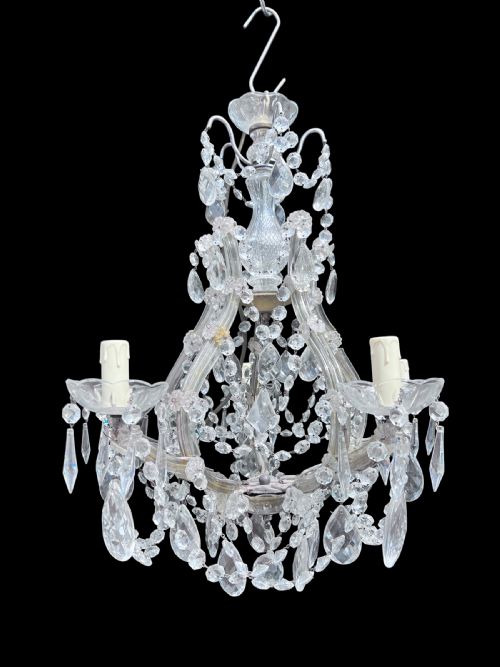
Many examples incorporate cut glass and crystal pendants, drops and lustres suspended from wire linkages within birdcage frames or tiered crowns. The combination of reflective crystal and polished or gilded metal maximises the diffusion of light from multiple candle-form bulbs.
Keep an eye out for hidden cherub arms holding the candle sockets, adding a playful touch of figural sculpture to the illumination.
Assessing quality and craftsmanship
The distinction between standard production and superior craftsmanship rests in the crispness of the brass casting and the depth of the chasing. Finer examples display deeply undercut foliage, sharply defined rocaille ornamentation and substantial metal weight rather than shallow pressed sheet components.
Another measure of quality lies in the integration of the glass elements, where heavy cut crystal drops and complete prismatic fringes elevate a fixture. The complexity of the arm configuration, ranging from simple twin arms to multi-tiered arrangements with twenty-five lights, also defines the scale and ambition of the piece.
The Rococo Style Brass Chandelier Glossary
- Birdcage chandelier
- A central open-frame lighting fixture resembling an avian cage, constructed from metal bands and draped with strings of crystal beads.
- Gilt bronze
- An alloy of copper and zinc coated with a thin layer of gold, providing a rich metallic finish often termed ormolu in French pieces.
- Rococo revival
- A nineteenth century design movement that revived the flamboyant, asymmetrical scrollwork and naturalistic motifs of the mid-eighteenth century Louis XV period.
- Wall sconce
- A decorative lighting bracket fixed directly to a vertical surface, designed to hold multiple candle arms matching the central chandelier.
- Cut glass
- Glass shaped and faceted by grinding on a wheel to increase light refraction, commonly used for pendants and bobeches.
Rococo Style Brass Chandelier: Frequently Asked Questions
How do I date a brass chandelier?
Dating relies upon examining the casting techniques, wiring methods and stylistic markers of the metal armature. Earlier nineteenth century examples typically feature heavier bronze or brass components with hand-finished chasing, whereas twentieth century revivals often employ standardised fittings and brighter gilding.
Hardware such as screw types, chain links and ceiling roses also provide reliable clues to the decade of manufacture. Comparing the construction details against documented periods helps establish a credible timeline for the fixture.
Are these chandeliers suitable for low ceilings?
Most multi-tiered or birdcage fixtures require considerable vertical clearance to hang effectively without dominating the room. Ceiling height dictates whether a grand multi-arm chandelier is appropriate or if a more compact flush-mounted style should be selected.
Suspending the fixture too low restricts movement and disrupts the visual balance of the space. Buyers should verify the drop length and total height before installation in standard domestic interiors.
How are antique chandeliers electrified safely?
Rewiring an antique brass fixture involves threading modern heat-resistant cable through the internal channels of the arms and central shaft. Professional electricians ensure that all components meet current safety standards while preserving the external period appearance.
Earth grounding the metal frame is essential during the conversion process to prevent electrical hazards. Qualified specialists can adapt candle tubes to accept contemporary SES or EES LED bulbs without compromising the historical integrity.
What is the difference between gilt brass and gilt bronze?
Gilt brass is a yellow alloy of copper and zinc treated with a gold wash or lacquer, offering a bright and accessible decorative surface. Gilt bronze utilises a copper and tin mixture that accepts fire-gilding or mercury gilding, yielding a deeper and more durable golden lustre.
Bronze permits sharper casting definition for intricate rococo scrollwork compared to brass. Recognising the metal helps determine the original manufacturing cost and period prestige of the lighting piece.