





Glass Desk Ornament
These glass desk ornaments are practical desk accessories and decorative paperweights designed to keep papers secure.
Glass Desk Ornament
A glass desk ornament encompasses functional and decorative items designed for the writing table, most frequently appearing as paperweights and inkwells set with glass components. The selection draws on periods spanning from the Regency era through to the 1930s, incorporating Victorian novelty designs and Art Deco forms.
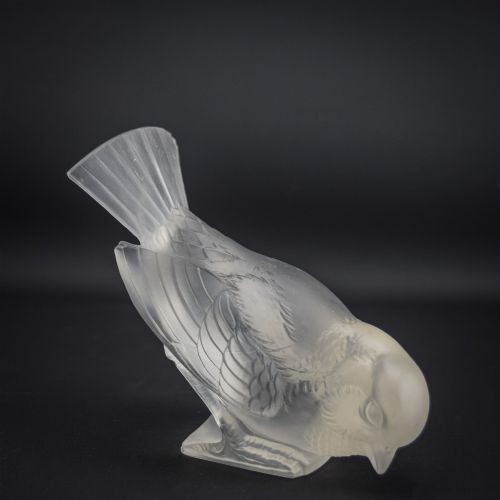
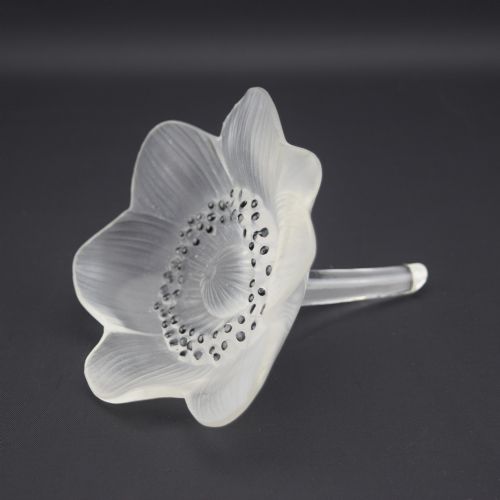
Buyers encounter objects made from clear glass, frosted glass, and gold aventurine, often combined with brass, bronze, and carved wood. Italian Murano pieces and creations by Rene Lalique sit alongside Black Forest wooden carvings and Victorian brass inkstands.
Materials and construction methods
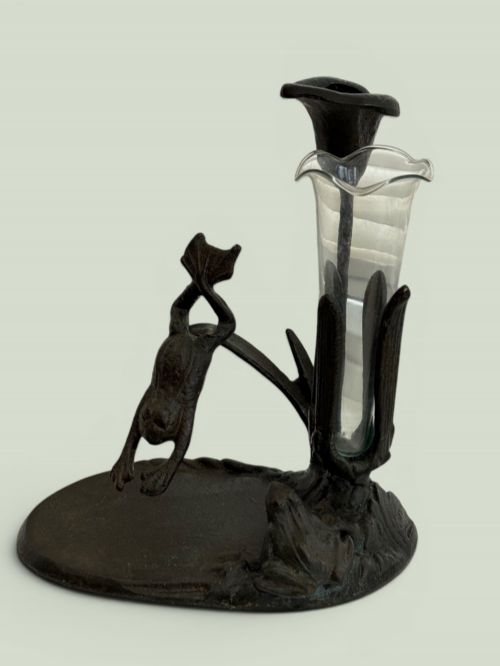
Makers utilised glassblowing and pressing techniques to shape transparent and frosted materials into paperweights and decorative figures, sometimes incorporating gold aventurine particles within the molten medium. Metal elements such as brass and bronze were cast and chased to form mounts, frames, and figural details.
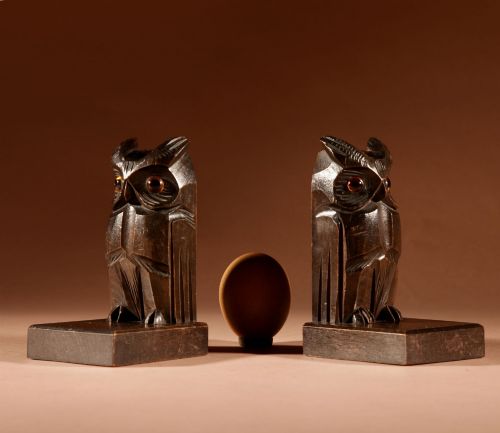
Woodworking traditions appear in carved wooden bookends and ink stands, while silver and jade components demonstrate precision metalworking and stone carving skills from the nineteenth century.
Glass Desk Ornament Retail Price Guide 2026
Typical asking prices for glass desk ornament among the pieces listed under this phrase on Sellingantiques today, from the lower quarter to the upper quarter. They describe what is for sale here now, not the wider market.
Assessing quality in desk ornaments
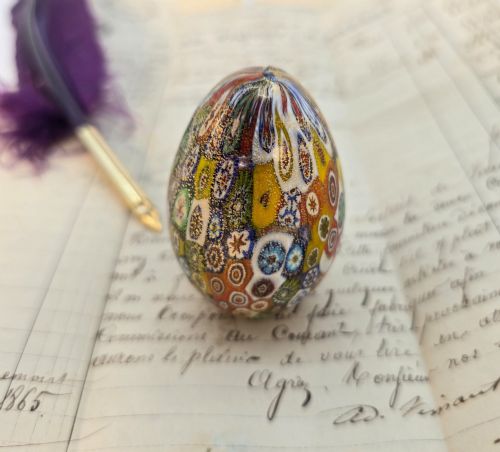
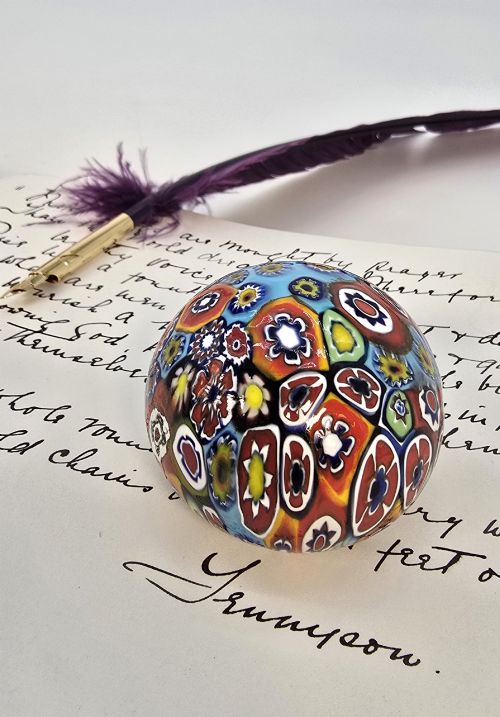
The standard of an object depends on the crispness of the casting in bronze or brass elements and the depth of detail in carved wooden examples. Finer glass pieces display clarity and intricate internal patterns, such as millefiori work, without unwanted cloudiness.
Design complexity also influences the piece, with figural works showing superior anatomical definition in animal forms and well-integrated mounts that secure glass components firmly to their bases.
Rene Lalique
The Glass Desk Ornament Glossary
- Millefiori
- A glasswork technique producing distinctive patterned designs using multi-coloured glass canes. This method appears frequently in decorative paperweights from the early twentieth century.
- Gold aventurine
- A form of glass containing shimmering metallic inclusions that create a spangled appearance. Makers utilised this material to add reflective depth to desk ornaments.
- Inkwell
- A small vessel designed to hold liquid ink for writing, often fitted with a hinged lid. Many Victorian examples incorporate glass inserts within brass, bronze, or wooden housings.
- Frosted glass
- Glass treated to achieve a matte, non-translucent surface texture. This finish highlights sculptural contours on figural paperweights.
- Pressed glass
- Glass shaped by pressing molten material into a metal mould using a plunger. This technique allowed for efficient production of patterned desk accessories during the nineteenth and twentieth centuries.
Glass Desk Ornament: Frequently Asked Questions
What is a glass desk ornament?
A glass desk ornament is a decorative or functional item placed upon a writing table, taking forms such as paperweights, inkwells, and magnifying glasses.
These pieces combine materials like clear glass, frosted glass, brass, and carved wood to enhance the workspace.
How were antique inkwells used?
Antique inkwells served as desktop reservoirs for dipping quill pens or metal nibs during writing.
Many designs featured hinged lids to prevent the ink from evaporating or collecting dust when not in use.
How do I date a glass paperweight?
Dating a glass paperweight involves examining the manufacturing technique, material composition, and stylistic markers associated with periods like Art Deco or the Victorian era.
Signatures or specific factory methods also provide clear indications of origin and age.
Where should I place desk ornaments?
Desk ornaments function well upon wooden writing desks, libraries, or side tables where they can be handled and inspected closely.
Placing them away from direct edges protects delicate glass and carved wooden components from accidental damage.