





Art Glass Paperweight
An art glass paperweight brings sculptural form and optical depth to a desk, drawing the eye with moulded bird figures and colourful millefiori patterns.
Art Glass Paperweight
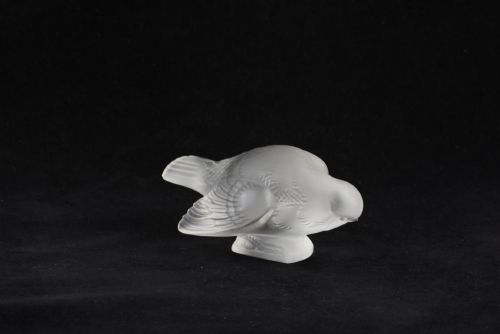
An art glass paperweight serves both a practical desk function and acts as a small decorative sculpture. Collectors hunting for an art glass paperweight frequently encounter animal forms like sparrows, elephants, and fish alongside floral millefiori designs.
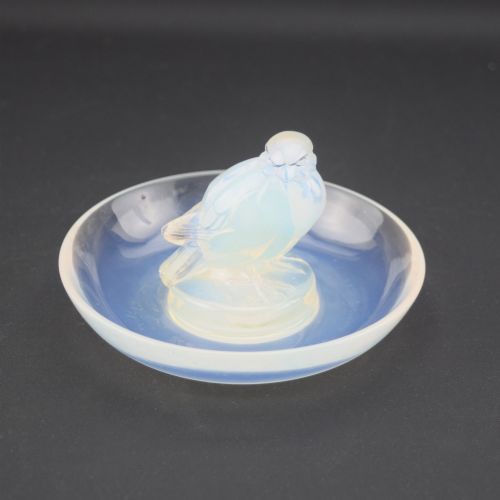
The pieces on this page span the early decades of the twentieth century, taking in Victorian, Art Nouveau, and Art Deco aesthetics. Alongside standard paperweights, the selection includes car mascots, pin dishes, desk seals, and ashtrays that double as heavy glass weights.
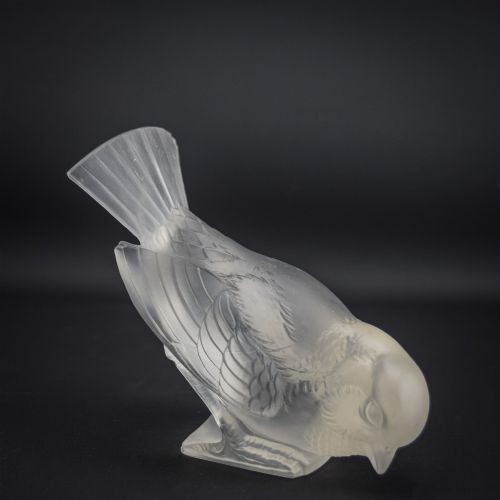
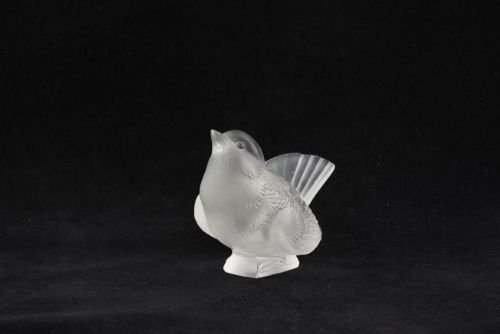
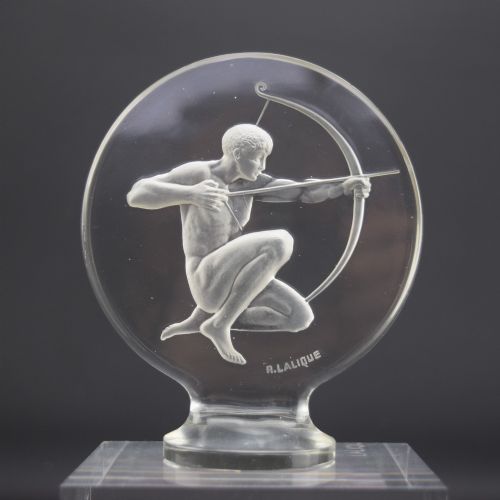
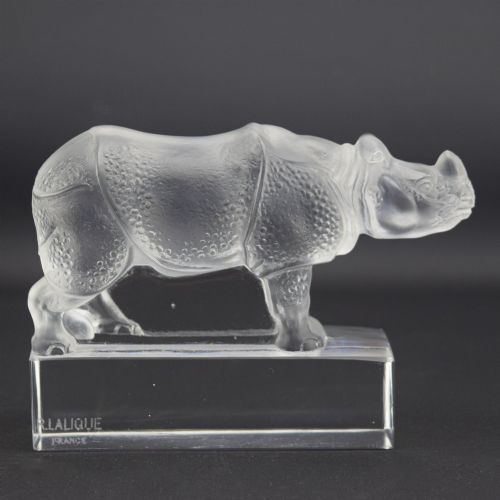
Moulded and pressed animal figures predominate, often functioning as paperweights or desk ornaments. These items range from small sparrows to larger figurative statuettes and car mascots adapted for desktop display.
Materials and Techniques
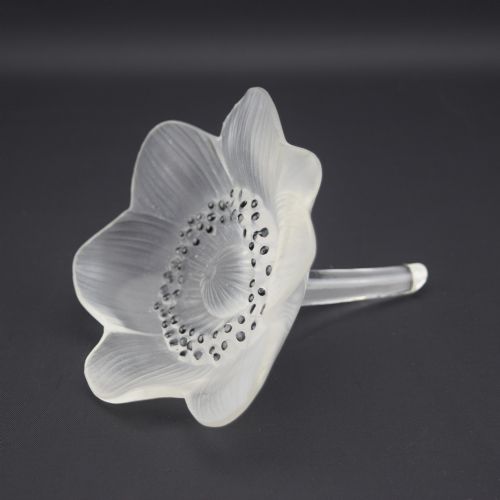
Makers utilised clear, frosted, opalescent, and crystal glass, frequently enhancing moulded shapes with blue staining or gold aventurine inclusions. These varied glass formulations allowed for stark contrasts between translucent bodies and highlighted surface details.
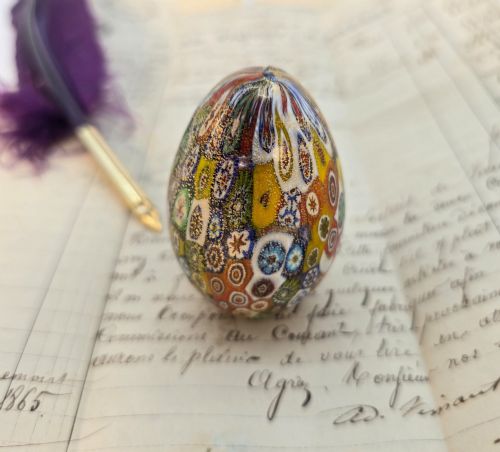
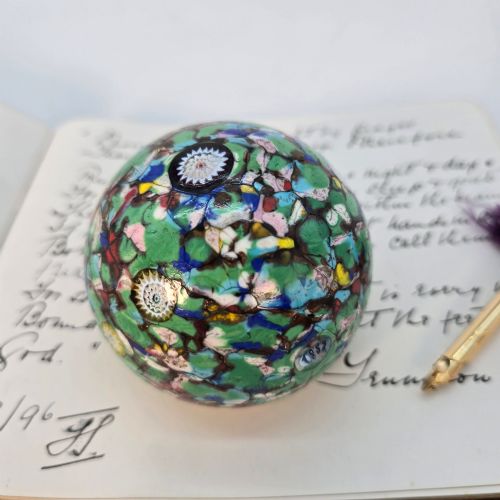
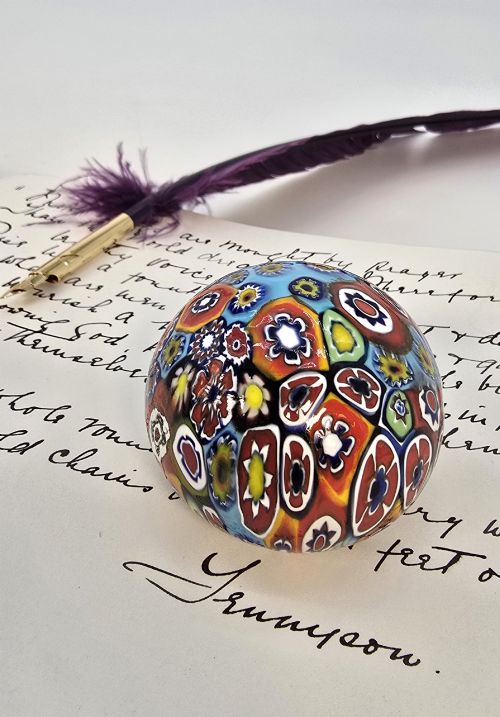
Moulding and pressing techniques shaped the figural paperweights and car mascots into complex animal and human forms. Artisans also gathered multi-coloured canes to create intricate millefiori patterns suspended within clear glass masses.
Art Glass Paperweight Retail Price Guide 2026
Typical asking prices for art glass paperweight among the pieces listed under this phrase on Sellingantiques today, from the lower quarter to the upper quarter. They describe what is for sale here now, not the wider market.
Materials recorded across current items include frosted glass, crystal, gold aventurine, and opalescent glass.
Factors of Quality
The distinction between ordinary and exceptional pieces lies in the crispness of the moulding and the subtlety of the glass finish. Opalescent effects that shift cleanly from blue to amber under light indicate superior material handling.
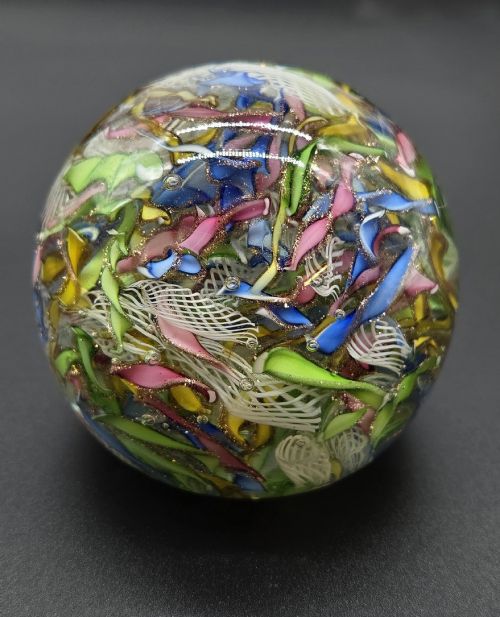
Depth and clarity within the glass mass dictate visual success, particularly in millefiori and scrambled glass designs where cane placement creates internal rhythm. Sharp detailing on figural subjects like birds and animals elevates the piece above standard production.
Rene Lalique
The Art Glass Paperweight Glossary
- Millefiori
- A glasswork technique involving multi-coloured rods fused together and sliced to reveal flowered patterns. These sections are suspended within clear glass weights.
- Car Mascot
- An ornamental figurine mounted on the radiator cap of an automobile. Many examples double as desk paperweights when removed from vehicles.
- Gold Aventurine
- Glass containing fine particles of copper or gold-coloured metallic aventurine, creating a sparkling internal effect. It adds shimmer to decorative glass objects.
- Cachet
- A desk seal used for stamping wax on correspondence. These small items often feature carved glass animal figures serving as handles.
Art Glass Paperweight: Frequently Asked Questions
What is an art glass paperweight?
An art glass paperweight is a solid glass object designed to hold down loose papers while functioning as a decorative desk sculpture. These items incorporate various glass techniques, including internal millefiori patterns and external moulded figural designs.
Many examples originate from the early twentieth century, reflecting Art Deco and Art Nouveau design movements. They combine utility with artistic craftsmanship.
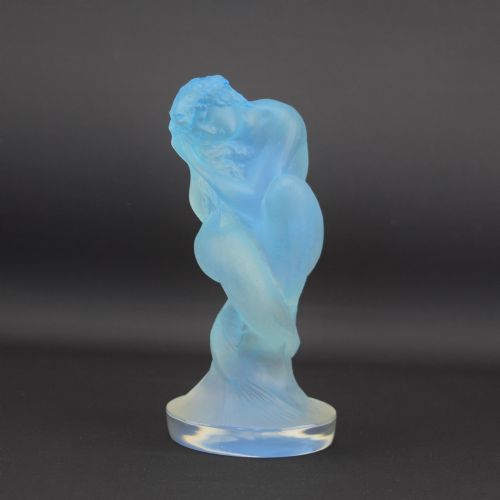
Collectors prize them for their optical properties and sculptural forms. Pieces often take the shape of birds, animals, or human figures rendered in clear, frosted, or opalescent glass.
How do I date an art glass paperweight?
Dating these objects relies on stylistic markers from periods such as Art Deco and Art Nouveau, alongside specific manufacturing techniques. Examination of the glass formulation, signature styles, and design motifs helps place a piece within its era.
Factory records and known designer timelines provide additional context for narrowing down the production decade. Comparing the object to documented works from makers confirms the period.
Base wear and polishing techniques also offer clues to age, though handling must be done carefully to preserve the surface. Each period possesses distinct physical characteristics that aid identification.
What is millefiori glass?
Millefiori translates to a thousand flowers, describing a glasswork method where coloured glass rods are bundled and sliced. These cross-sections form floral motifs suspended inside a clear glass body.
Craftsmen arrange the canes by hand before encasing them in molten crystal to create depth. The resulting paperweights display complex internal geometries.
This technique requires precise temperature control and skilled manipulation of the hot glass. Murano workshops became particularly known for mastering this intricate process during the early twentieth century.