


Glass Cloche Clock Vintage
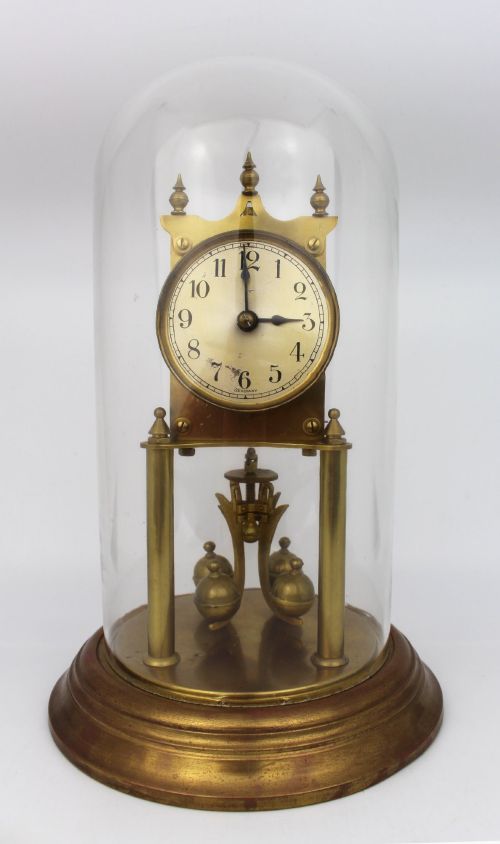
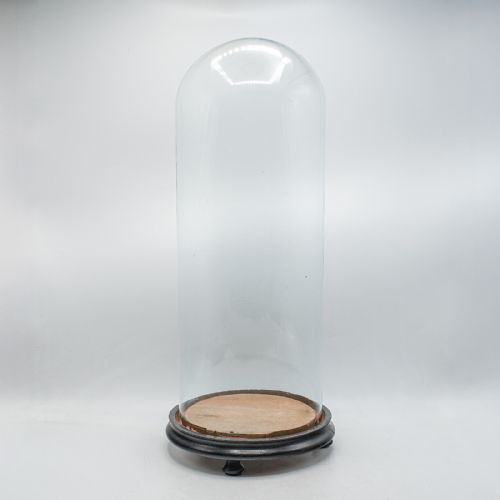
Glass cloche clock vintage pieces combine protective glass display domes with period timepieces, offering a clear view of intricate mechanical movements.
Glass Cloche Clock Vintage
When you search for glass cloche clock vintage, you encounter a selection of timepieces and protective glass housings originating from the Victorian, Edwardian, 1900, 1920, and 1930 periods. These items unite traditional horology with display domes originally utilised for taxidermy, botany, and delicate ornaments.
The objects on this page include anniversary clocks housed under glass, carriage clock domes, skeleton clocks under original domes, and electric clocks from the 1920s. English and German origins predominate, set upon bases made from wood, ebonised wood, pine, and fabric surfaces like velvet.
Buyers are most likely to meet Victorian and Edwardian examples featuring blown glass covers matched to wooden or fabric-lined stands. Styles range from traditional horology and Victorian Gothic to Art Deco.
How they were made
Glass production during these periods involved hand-blowing techniques that created large covers with characteristic thickness variations and surface bubbles. These clear glass domes were formed to fit securely over custom-turned wooden or ebonised bases.
Clock movements integrated brass gears and springs, enclosed either beneath tall display domes or within dedicated clock cases featuring glass panels. Bases often incorporated timber, pine, and velvet or fabric linings to cushion the base of the dome and the timepiece.
Some glass covers originally meant for stuffed birds found a second life guarding ticking brass gears from dust.
What varies in quality
The clarity and weight of the glass dome distinguish finer examples from standard production, as hand-blown glass displays subtle distortions and depth absent in later machine-made alternatives. Bases constructed from solid timber, ebonised wood, or quality pine demonstrate superior joinery and stability.
The integration between the timepiece and the original dome indicates higher craftsmanship, particularly where skeleton clock movements or anniversary mechanisms remain housed beneath their matching covers without later adaptation.
BULLE
The Glass Cloche Clock Vintage Glossary
- Cloche
- A bell-shaped glass cover designed to protect delicate objects or clocks from dust. The term derives from the French word for bell.
- Anniversary clock
- A torsion pendulum clock designed to run for a year on a single winding. These delicate mechanisms require glass domes to prevent air currents from disturbing the pendulum.
- Skeleton clock
- A timepiece with open plates and bridges that expose the gear train and movement. They are frequently displayed under glass domes to allow all-round viewing while protecting the mechanism.
- Ebonised wood
- Timber treated with a dark stain or finish to imitate ebony. This material was widely used for Victorian and Edwardian clock and display bases.
- Fusee
- A conical pulley used in clockwork to maintain even force as the mainspring unwinds. Double fusee movements are found in higher-grade period clocks.
Glass Cloche Clock Vintage: Frequently Asked Questions
What is a glass cloche clock vintage piece?
A glass cloche clock vintage item consists of a period timekeeper housed beneath or paired with a protective glass display dome. These pieces combine horological instruments with the glass-covered display methods popular in Victorian and Edwardian interiors.
Such objects range from German anniversary clocks to English carriage clocks and skeleton clocks beneath their original glass covers, resting on wooden or velvet-lined bases.
How do I date a glass cloche clock?
Dating these items involves examining the materials and construction methods of both the clock movement and the base. Victorian and Edwardian examples often feature heavy hand-blown glass domes paired with pine, ebonised wood, or velvet-lined timber bases.
Later pieces from the 1920s and 1930s introduce different electrical or mechanical movements, such as Bulle electric clocks, while stylistic cues like Art Deco or Victorian Gothic ornamentation help narrow the period.
Why were clocks placed under glass domes?
Clocks were placed under glass domes primarily to protect delicate mechanical movements from dust, moisture, and accidental damage. Torsion pendulum clocks, such as anniversary clocks, also required protection from drafts that could alter the delicate swing of the pendulum.
Additionally, the glass dome served as a display showcase that elevated the visual prominence of the timepiece within a Victorian or Edwardian room.
Are the glass domes original to the clocks?
Some clocks survive with their original matching glass domes and purpose-built bases, while others have been paired together over time based on size and proportion. Original pairings often show integrated wooden bases fitted with rebates or grooves designed specifically to seat the rim of the glass dome.
Examining the fit between the glass cover, the base, and the clock helps determine if the components share the same period and origin.
What maintenance do these clocks need?
Period clocks housed under glass domes require careful handling of the delicate glass covers during cleaning or winding. The mechanical movements benefit from professional servicing by a horologist experienced in Victorian, Edwardian, or early twentieth-century mechanisms.
Keeping the glass free of dust helps preserve the clear view of the brass gears and dial components.