

Glass and Wood Frames
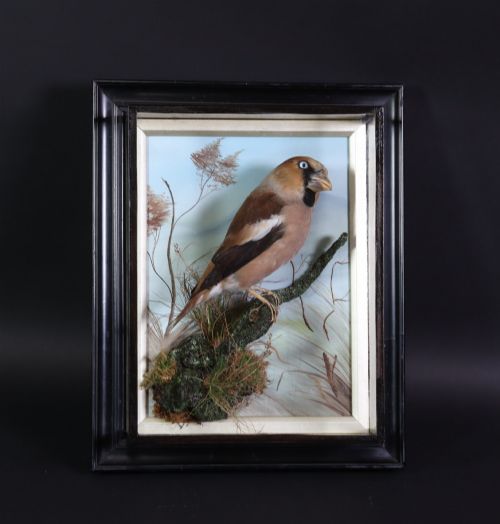
Glass and wood frames unite mirror glass and paintings with carved timber and gesso mouldings.
Glass and Wood Frames
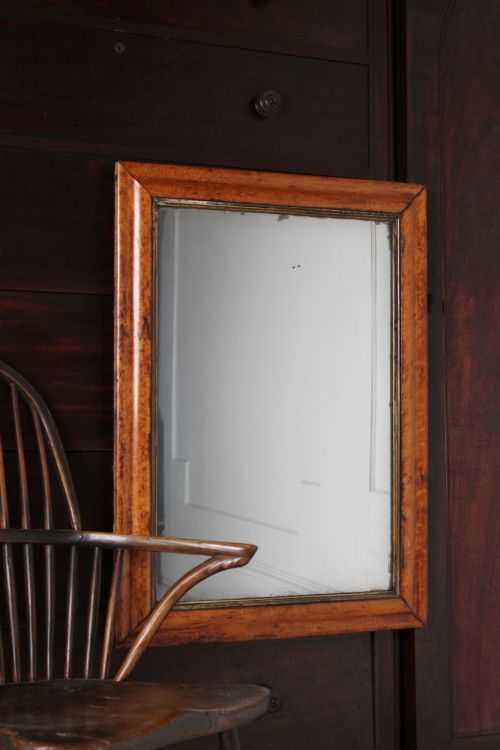
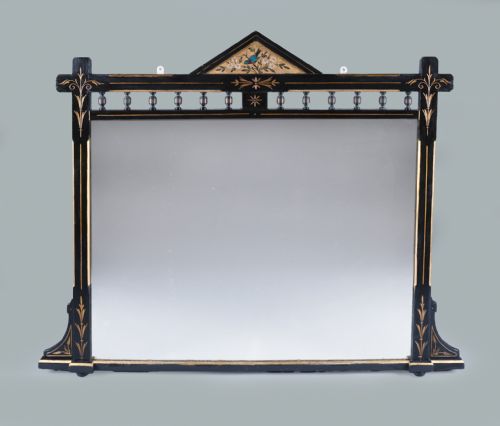
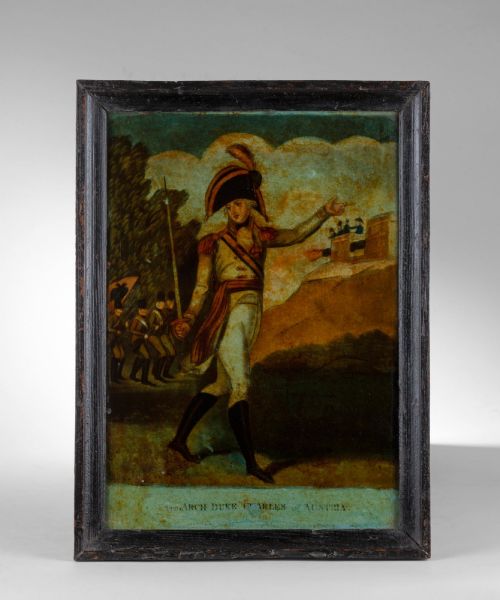
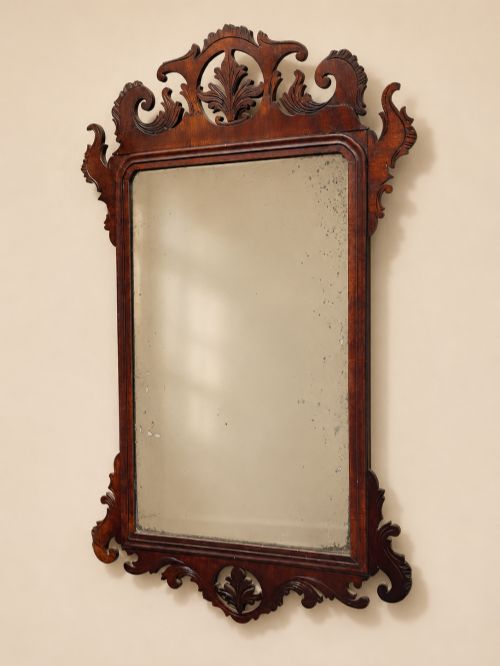
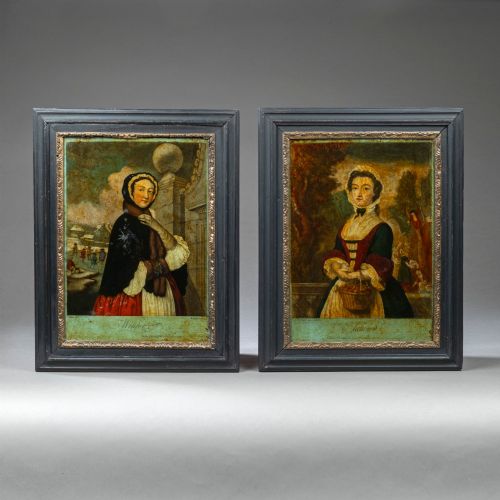
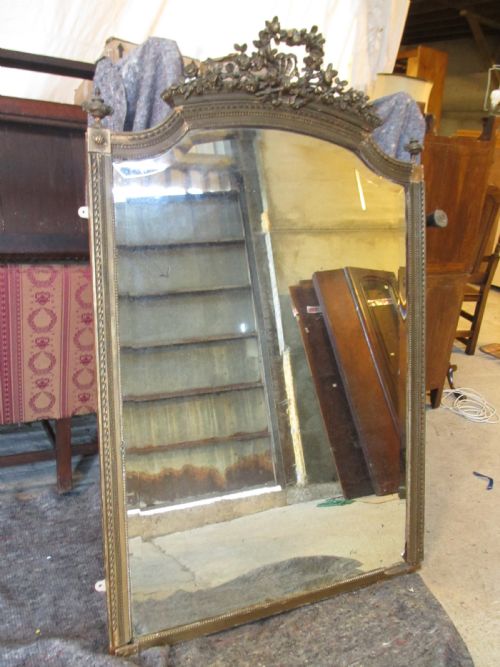
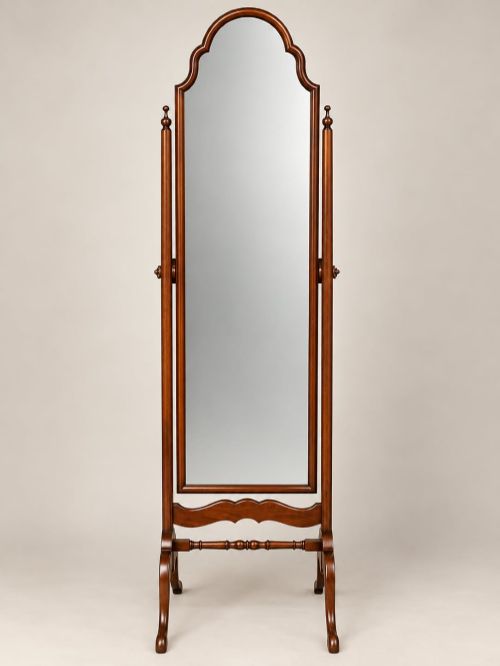
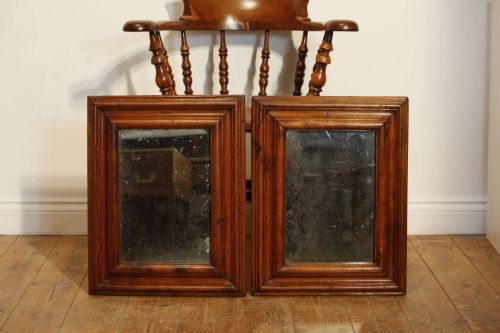
Glass and wood frames encompass wall mirrors, overmantel mirrors, devotional icons, and reverse glass paintings held within timber and glass housings. These pieces span the eighteenth, nineteenth, and early twentieth centuries, drawing on Georgian, Regency, Victorian, and Edwardian design idioms.
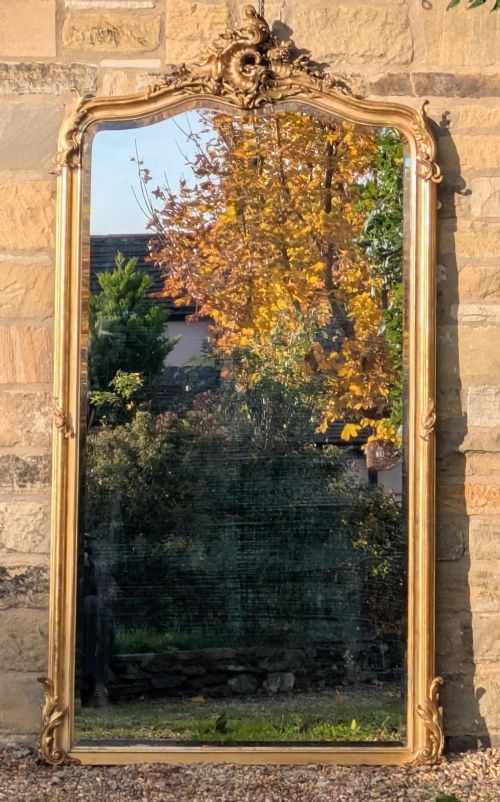
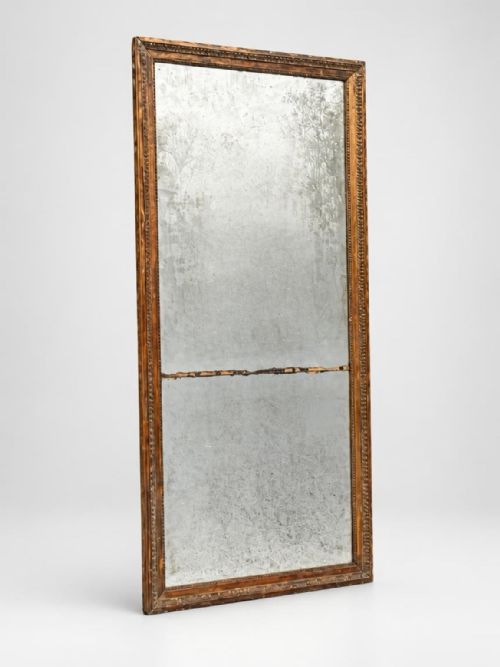
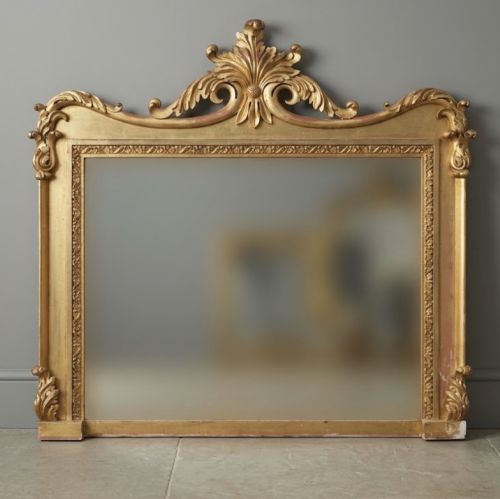
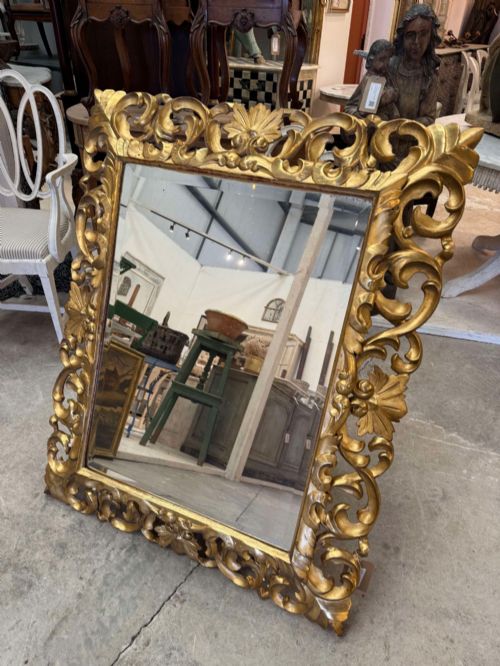
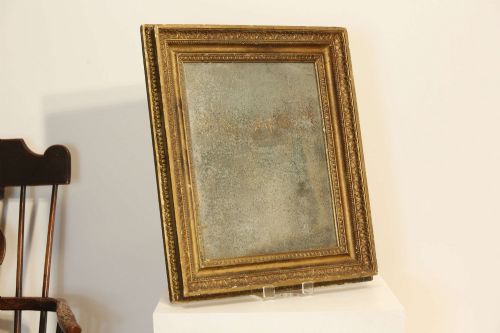
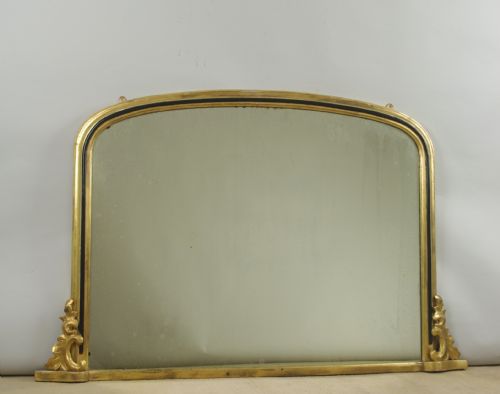
The version most commonly encountered on this page is the nineteenth-century French or English giltwood wall mirror, alongside architectural overmantel mirrors with bevelled glass. Walnut and mahogany examples from the eighteenth century also appear frequently, often featuring fretwork or parcel-gilt details.
How they were made
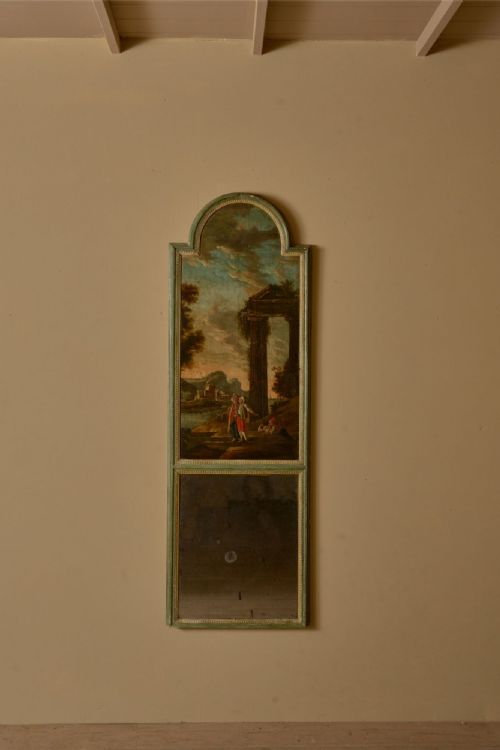
Makers constructed these frames from solid timbers such as oak, walnut, mahogany, and yew, applying gesso layers to carved wood surfaces to receive water gilding, gold leaf, or silver gilt. Mercury glass and bevelled mirror plates were set into these housings, sometimes accompanied by reverse glass paintings or wax work.
Carpenters utilised traditional joinery for the wooden carcasses, while carvers and gilders built up intricate ornamental details like rope twists, neoclassical motifs, and faux bamboo finishes using applied gesso and carving techniques.
Glass and Wood Frames Retail Price Guide 2026
Typical asking prices for glass and wood frames among the pieces listed under this phrase on Sellingantiques today, from the lower quarter to the upper quarter. They describe what is for sale here now, not the wider market.
Listings feature oak, walnut, mahogany, and gesso materials across eighteenth and nineteenth-century periods.
What varies in quality
The refinement of the hand-carved wood and the depth of the gesso mouldings distinguish finer examples from simpler production. Crisp execution in details such as rope twists and fretwork separates skilled craftsmanship from routine manufacture.
The original quality of the silvering on mercury glass plates or the clarity of the mirror glass contributes significantly to a piece's standing. Selection of dense timber grains, such as figured walnut or mahogany, elevates the work of the period.
Arsène Rochette of Versailles·Waring and Gillow
The Glass and Wood Frames Glossary
- Gesso
- A plaster mix applied to wood frames to create a smooth surface for gilding. This mixture receives intricate carving before metal leaf is laid down.
- Parcel-gilt
- Partially gilded woodwork where specific raised sections of the timber frame show gold leaf against a painted or polished wood background.
- Mercury glass
- A double-walled glass blown with a silvering mixture inserted between the layers. This early technique produces a characteristic mottled reflection.
- Fretwork
- Openwork ornamentation cut from thin wood panels using a fret saw. Georgian mirrors frequently employ this technique in symmetrical scroll patterns.
- Overmantel mirror
- A large horizontal mirror designed to hang above a fireplace mantel. These architectural pieces often feature arched tops and heavy gesso frames.
Glass and Wood Frames: Frequently Asked Questions
How do I hang a heavy overmantel mirror?
Heavy carved wood and gesso overmantel mirrors require secure wall fixings into structural timber or masonry rather than plaster alone. Using robust brackets distributes the substantial weight safely.
Ensure the hanging wire or integrated mirror rings match the scale of the frame to prevent shifting over time.
What is mercury glass?
Mercury glass is a double-walled blown glass type silvered with a liquid mercury amalgam during the nineteenth century. It yields a dark, atmospheric reflection rather than a clear modern mirror image.
This historic silvering often develops characteristic foxing and spotting over the decades.
How do I clean an antique giltwood frame?
Antique giltwood frames require gentle dusting with a soft, dry brush to protect delicate gesso and gold leaf layers. Moisture can soften the historic preparation beneath the gilding.
Avoid chemical cleaning products entirely on both the carved wood and the antique glass surfaces.
How do I date a walnut mirror?
Eighteenth-century walnut mirrors generally display dense, figured grain timber construction with traditional hand-cut joinery. Fretwork panels and parcel-gilt highlights often mark Georgian stylistic traits.
Later nineteenth-century revivals utilise similar woods but exhibit machine-sawn backing boards and different construction assembly methods.