
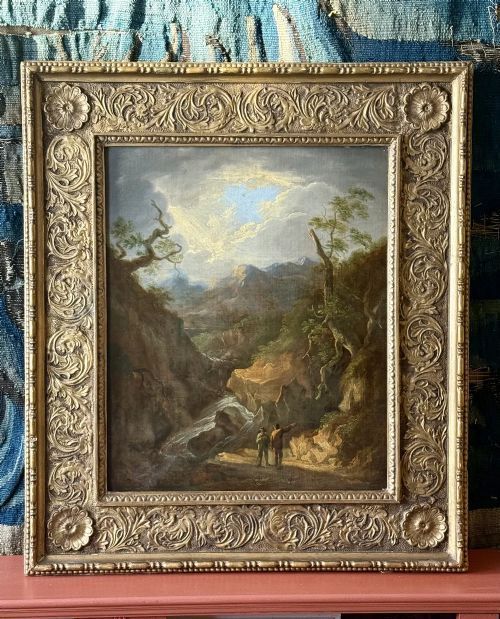
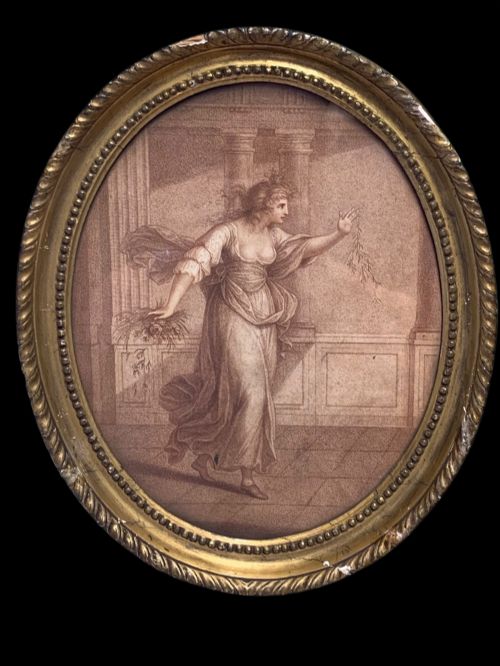
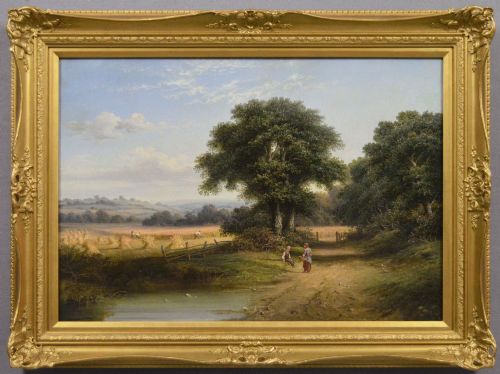
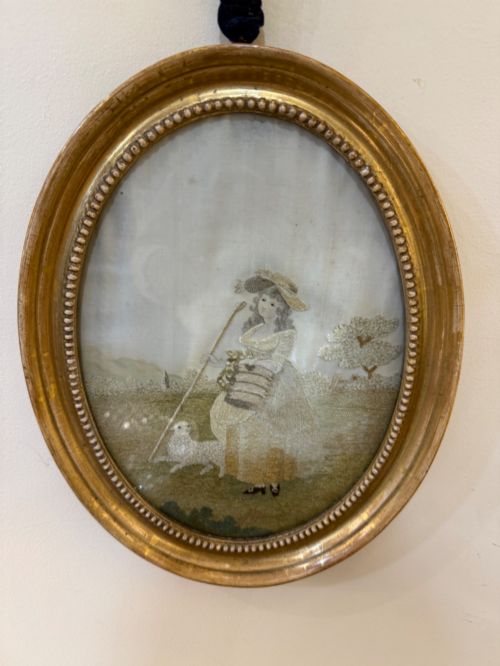
Giltwood Framed Wall Artwork
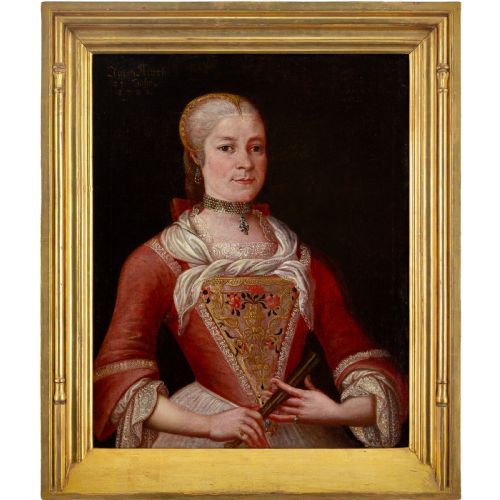
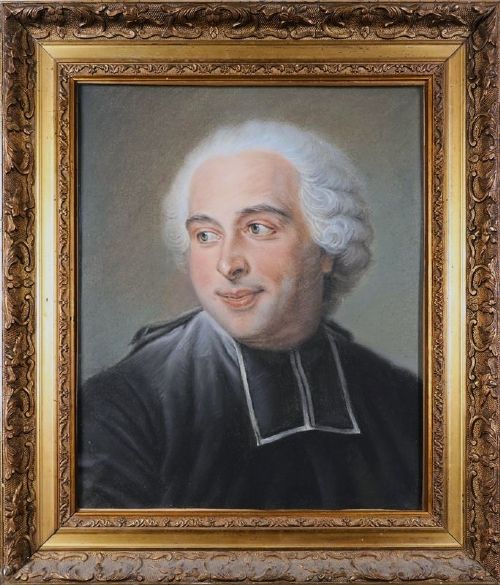
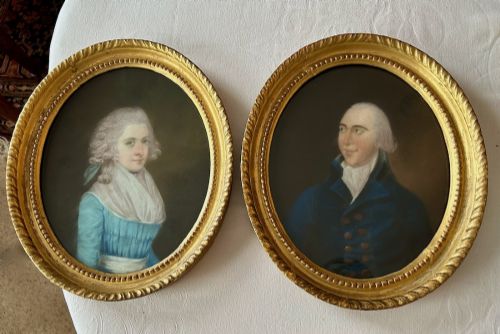
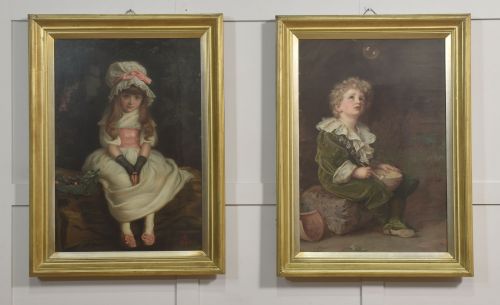
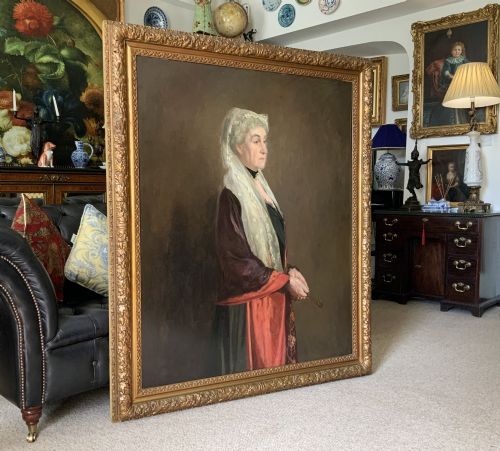
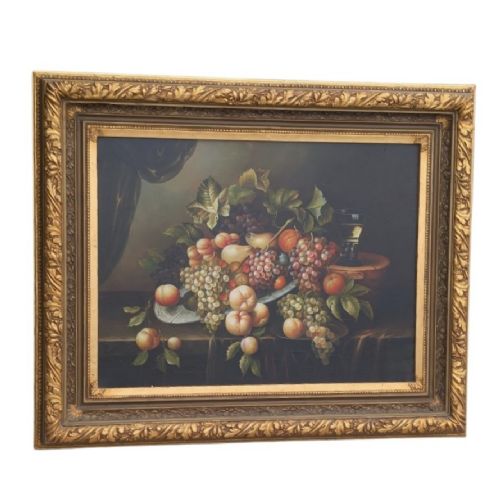
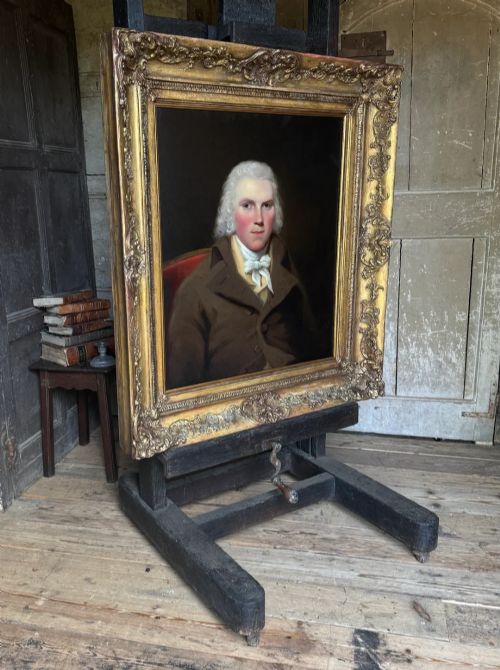
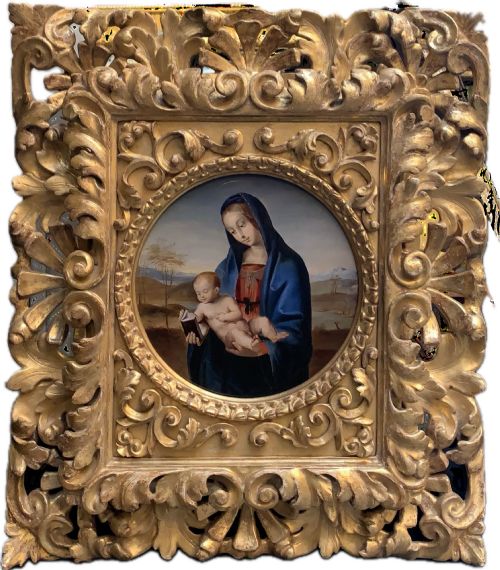
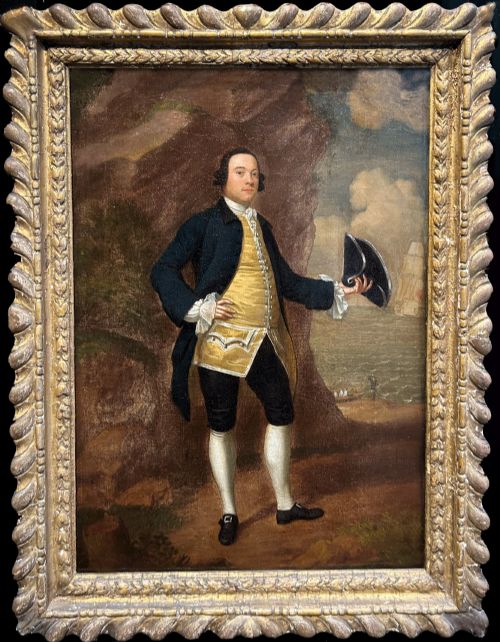
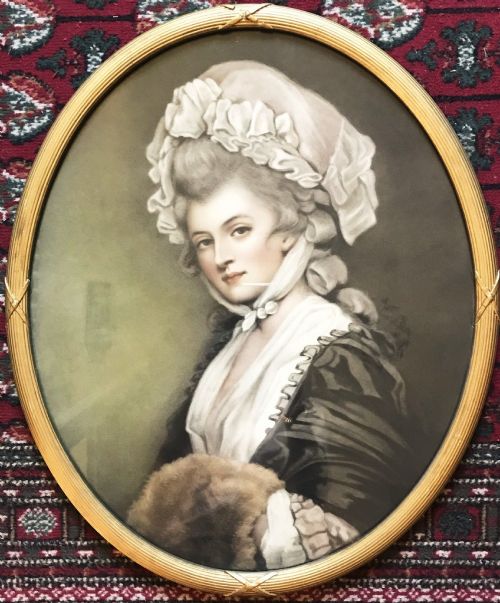
These giltwood framed wall artwork pieces bring centuries of oil painting and portraiture into a room with traditional craftsmanship.
Giltwood Framed Wall Artwork
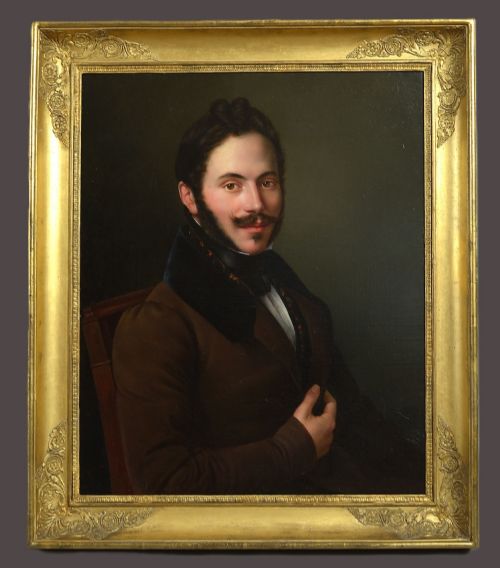
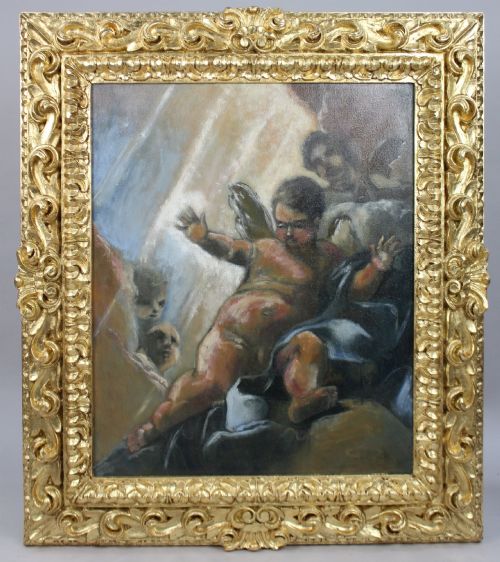
When buyers search for giltwood framed wall artwork, they encounter oil paintings, pastels, and prints enclosed in ornate wooden surrounds. The selection spans the 18th century, Georgian, Regency, and Victorian periods, alongside Edwardian and later pieces.
Portraits dominate the available forms, ranging from Bavarian and Scottish school works to British landscapes and maritime scenes. These items originate from diverse European traditions, including French and Italian schools as well as domestic makers.
Most examples pair canvas or paper surfaces with carved wooden frames finished in gold leaf or gesso. Buyers frequently meet works executed by named artists alongside anonymous regional pieces from various historic eras.
Materials and construction methods
Makers constructed the primary supports using canvas, wood panels, or heavy paper for oil paintings, pastels, and prints. Artists applied oil pigments, gouache, or stipple engraving techniques to create the visual subjects.
The surrounding frames utilise wood foundations built up with gesso layers before the application of gold leaf or giltwood finishes. Carvers shaped intricate decorative mouldings by hand to complement the artwork contained within.
Listings feature works spanning the 17th, 18th, 19th, and 20th centuries, utilising oil on canvas, glass, paper, and gesso.
Distinctions in quality and execution
The standard of execution in the painted surface separates simpler decorative prints from master-level oil portraits and landscapes. Finer pieces demonstrate superior control of light, proportion, and brushwork by established artists.
Frame construction also dictates overall quality, where deeply carved wooden ornamentation and well-preserved gold leaf indicate superior craftsmanship compared to basic moulded gesso.
Benjamin Barker of Bath·Edouard Pingret·Walter Heath Williams·Edgar Hunt·Robert Cleminson·Thomas Kent Pelham·John Arthur Lomax·Pieter Cornelis Dommersen
The Giltwood Framed Wall Artwork Glossary
- Giltwood
- Wood carved and coated with gold leaf or a metallic finish. This material forms the ornate borders characteristic of traditional picture frames.
- Gesso
- A plaster mix applied to wooden frames as a base for gilding. Artisans carve and smooth this substance before adding gold leaf.
- Stipple engraving
- A printmaking method using dots to create tonal gradations. This technique produces soft shadows and detailed portraits.
- Reverse glass print
- An image applied directly to the rear of a glass panel. This process protects the picture and imparts a distinct glossy surface.
Giltwood Framed Wall Artwork: Frequently Asked Questions
How do I hang heavy giltwood framed wall artwork safely?
These substantial frames require secure wall fixings distributed evenly across the structure. Utilising appropriate picture hooks screwed into wall studs prevents shifting.
Ensure the hanging wire or brackets attached to the back match the weight of the wood and canvas combination. Professional framing support helps distribute the load evenly.
Where should I place these pieces in a room?
Position them on main walls where natural light illuminates the gold leaf and canvas details without causing glare on the glass. Avoid spots with direct sunlight or high moisture levels.
Pairing portrait or landscape subjects with traditional interior decor allows the historic character of the frame to anchor the space.
How do I identify the period of the frame?
Examine the carving style, joint construction, and the composition of the underlying gesso layers. Georgian and Regency frames often feature distinct moulding profiles compared to Victorian examples.
Subtle tool marks and the type of wood used in the backing reveal manufacturing methods typical of specific centuries.