


18th Century Christian Art
These 18th century christian art pieces bring devotional focus and rich historical craftsmanship into any room.
18th Century Christian Art
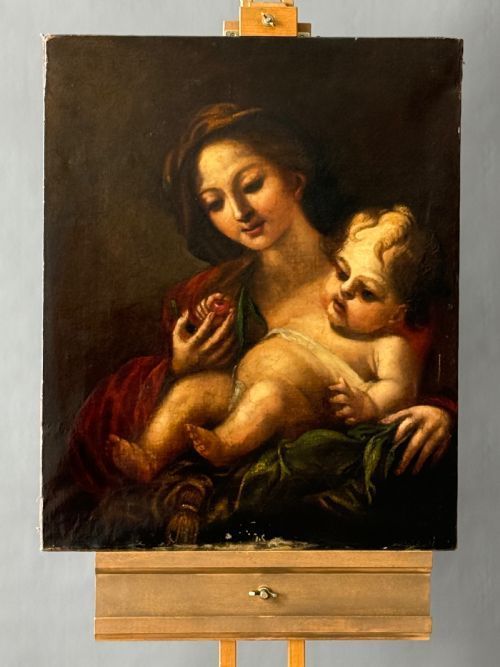
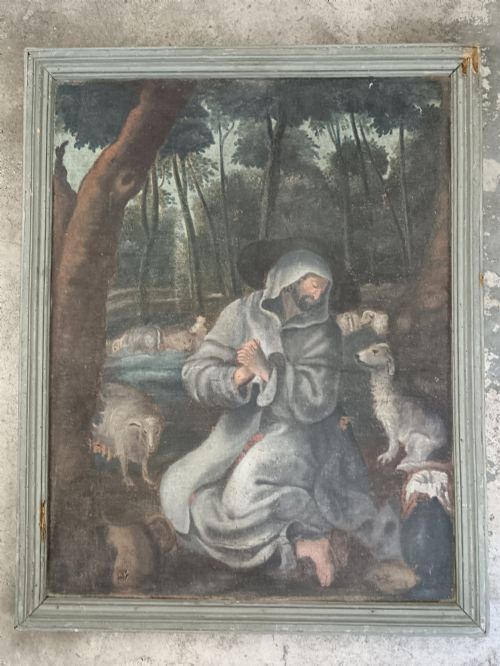
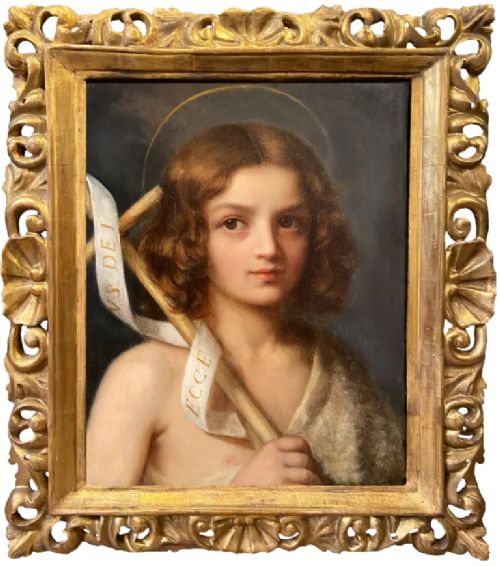
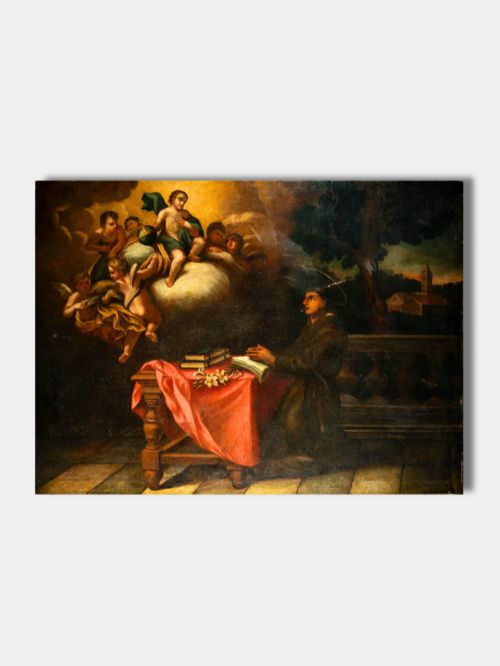
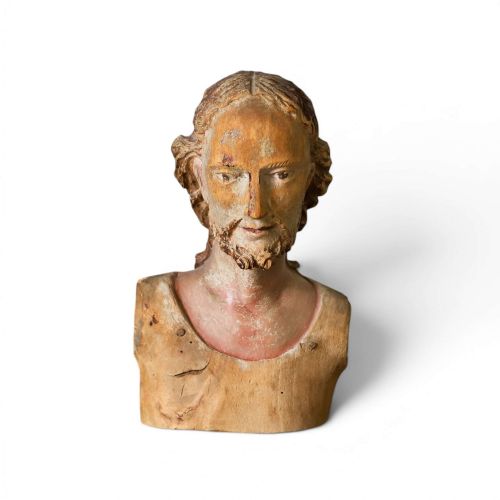
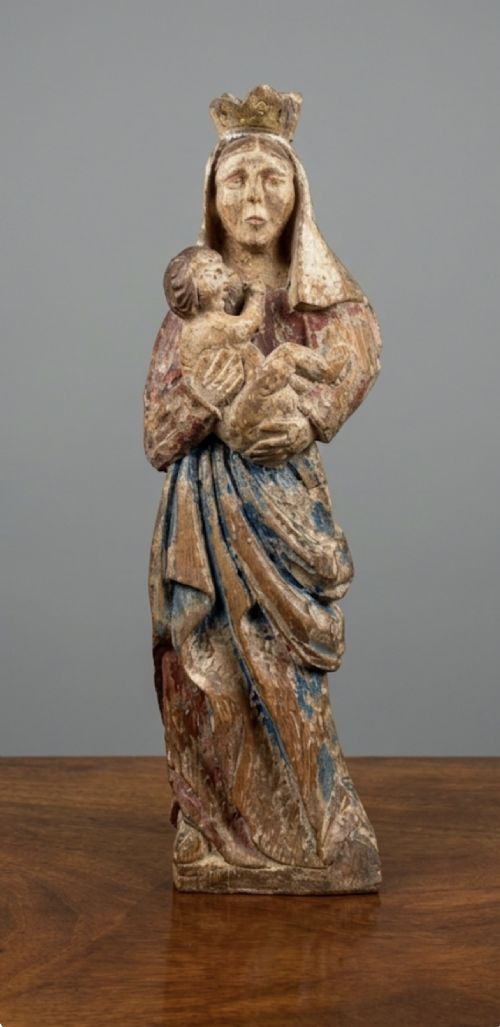
When you search for 18th century christian art, you encounter a specialised selection of devotional paintings, carved wooden figures, and metal plaques originating from European schools. These works capture religious narratives and figures such as the Madonna and Child, Saint John the Baptist, and various saints.
You are most likely to meet oil paintings on canvas or panel created within Italian, Spanish, and French Baroque traditions. Alongside these flat works, the selection includes polychrome carved wood sculptures and delicate portrait miniatures reflecting period piety.
How They Were Made
Artisans applied oil paint to canvas, wood panels, or copper plates, often incorporating gold leaf to highlight sacred subjects. Sculptors carved figures from olive wood and other timbers, applying polychrome pigments and paint directly to the timber surface.
Specialised techniques also included Limoges enamelling and reverse glass painting, where details were rendered directly onto glass panes. Bronze casting produced intricate small plaques depicting scenes from the Passion.
Listings feature works spanning the 17th through the 19th centuries, executed in oil, wood, canvas, and bronze.
What Varies in Quality
Sculptural quality is defined by the depth of carving and the preservation of original polychrome surfaces. Pieces showing delicate chisel work and minimal later overpainting represent the upper tier of surviving items.
Christian Friedrich Zincke·Francesco Solimena·Raffaello Sanzio da Urbino·Christian Lindner·Orsola Maddalena Caccia·Gian Federigo Bonzagna
The 18th Century Christian Art Glossary
- Polychrome
- Decorated in a variety of colours. This term frequently applies to carved wooden sculptures and figures that retain their painted surfaces.
- Giltwood
- Wood that has been treated with gold leaf or gold paint. It appears on frames and decorative religious furnishings from the period.
- Pentimento
- A visible trace of earlier painting beneath a layer or layers of paint, showing a change of design by the artist. Such alterations confirm the hand of the painter during composition.
- Reverse Glass Painting
- An art form consisting of applying image layers to a piece of glass and viewing it from the unpainted side. These pieces require careful handling to preserve the fragile pigment layer.
18th Century Christian Art: Frequently Asked Questions
How should I clean an old oil painting?
Dust surfaces gently with a soft, dry brush without applying pressure. Avoid using water, household cleaners, or solvents on the painted surface.
Professional conservation is recommended for any deeper cleaning or removal of accumulated grime to protect the underlying canvas and pigment layers.
Where were these religious items originally displayed?
Many paintings and carved sculptures originated in private family chapels, domestic shrines, or regional European churches. Smaller portrait miniatures and devotional plaques were intended for personal, private prayer.
Their scale and format directly reflect this intimate, devotional function within households or smaller religious communities.
How do I tell an 18th-century piece apart?
Examine the materials, stretcher frames, panel construction, and ageing of the pigments. Period canvas types and hand-mixed oil paints display distinct crackle patterns and oxidation over time.
Style also offers clues, as 18th-century works frequently blend Baroque exuberance with emerging neoclassical restraint.
Can I hang these paintings in direct sunlight?
Direct sunlight causes fading in organic pigments, oil paints, and giltwood surfaces. Ultraviolet rays degrade canvas and dry out wooden panels over time.
Position these artworks away from south-facing windows and intense heat sources to preserve their colours and structural integrity.