


Italian Master Style Painting
An italian master style painting brings the devotional power and classical composition of the Renaissance and Baroque periods directly into a room.
Italian Master Style Painting
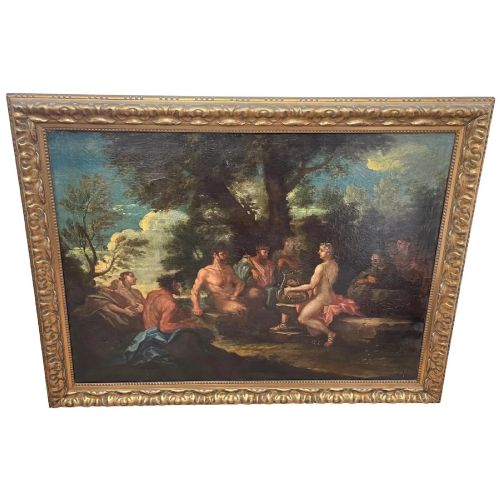
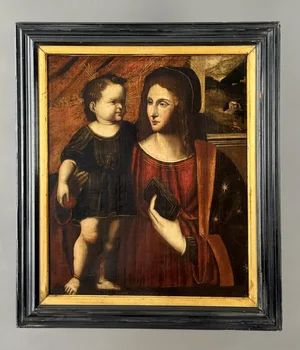
When you search for an italian master style painting, you are looking at works that emulate the religious subjects, mythological scenes, and portraiture of historical masters such as Raphael, Correggio, and Bernardino Luini. The selections found here span several centuries, including 16th-century compositions, 18th-century interpretations, and Edwardian renderings.
You will most commonly meet pieces created by followers or workshops of famous painters, as well as later copies executed on canvas or paper within original frames. These works capture sacred narratives, such as the Madonna and Child, alongside classical landscapes and genre scenes.
The objects themselves take the form of framed fine art paintings, watercolours, and coloured prints housed in period surrounds like giltwood and gilded wood. Each piece reflects the enduring tradition of studying and reproducing the grand manner of Italian art.
Distinctions in quality
The primary distinction in quality lies in the fidelity of the draughtsmanship and the expressive nuance captured in the figures. Works originating from a recognised workshop or a skilled contemporary follower display greater anatomical precision and confident brushwork than standard decorative copies.
The integrity of the physical materials further separates the range, with well-preserved canvases and original period frames of giltwood holding distinct artistic and historical merit over heavily restored or later-mounted examples.
Listings feature 17th-century, 18th-century, and 19th-century periods alongside Edwardian examples executed in oil and watercolour on canvas and paper.
Francesco Solimena·Francesco Zuccarelli·Willem Johannes Martens
The Italian Master Style Painting Glossary
- Oil on Canvas
- A painting medium where pigments suspended in drying oils are applied to a stretched canvas support. This technique allows for subtle blending of colours and rich textures.
- Giltwood
- Wood that has been coated with a thin layer of gold leaf or powder. It frequently forms the ornate frames surrounding classical paintings.
- Circle of
- A term indicating that an artwork was produced by an artist working closely with a master, sharing a similar style and technique. These pieces date from the same general period as the principal master.
- Follower of
- A designation for an artist who adopted the style, composition, and methods of a well-known master. Such works often reflect the enduring influence of a major painter decades after their death.
- Baroque
- An artistic style originating in Italy characterised by dramatic movement, deep shadow, and grand scale. It emphasises emotional intensity through rich colour and dynamic composition.
Italian Master Style Painting: Frequently Asked Questions
What is an old master follower?
An old master follower is an artist who painted in the distinct manner of a celebrated historical painter. These creators studied the techniques and compositions of masters to produce faithful works.
Such pieces often date from later centuries while retaining the visual vocabulary of the original Renaissance or Baroque period.
How do I date an antique painting?
Dating relies on examining the physical support, such as the weave of the canvas, the composition of the wood stretcher, and the ageing of the oil pigments. Stylistic clues within the brushwork also indicate the likely period of execution.
The accompanying frame often provides additional chronological evidence through its construction and gilding technique.
Where should I hang these paintings?
These works suit traditional reception rooms, studies, or hallways where their classical subjects and rich frames can be appreciated at close range. They pair well with period architecture and antique furniture.
Placement should avoid direct sunlight to protect the oil pigments and sensitive paper or canvas supports.
What subjects are most common?
Religious narratives dominate the selections, particularly depictions of the Madonna and Child, the Holy Family, and biblical scenes. Mythological subjects and classical landscapes also appear frequently.
Portrait studies and genre scenes reflecting historical Italian life form another significant group of works.